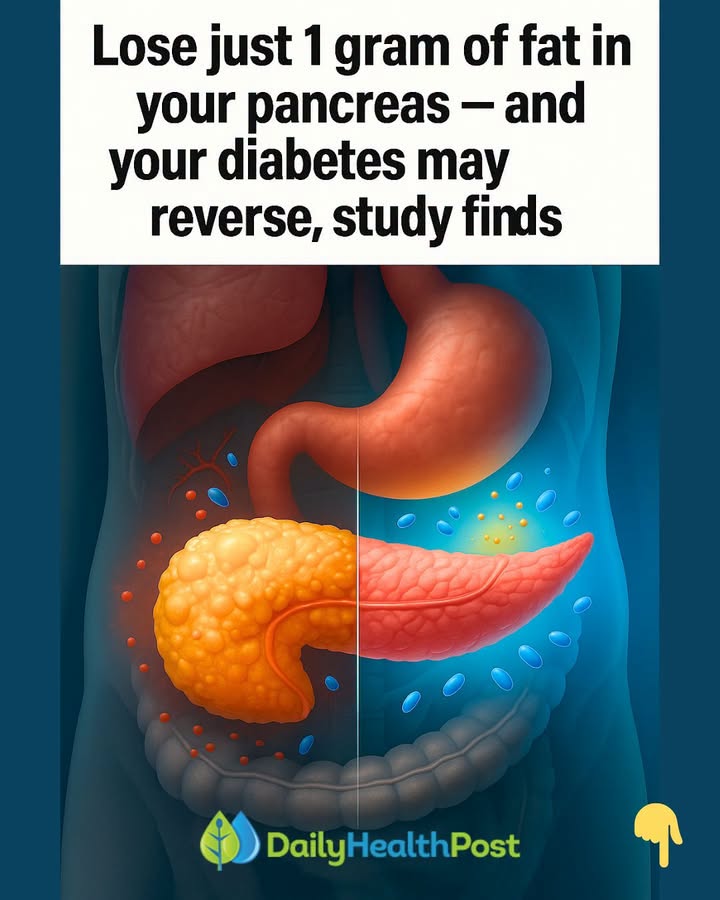
Lose just 1 gram of fat in your pancreas, and there is a really good chance that your beta cell function and insulin secretion will return to normal: ↪ Roy Taylor shows the pancreas can regenerate in type 2 diabetes, by diet alone.
It really is that simple.
Link to article:
 DailyHealthPostLosing just 1 gram of fat in the pancreas will have THIS effect on your bodyLosing a single gram of fat could be enough to reverse type 2 diabetes – as long as that fatdailyhealthpost.com
The way you lose this 1 gram of fat in your pancreas is by getting rid of your visceral fat. If you clear out your visible visceral fat in the mirror (the belly fat under your abdominal muscles), it is very likely that you will also clear out the ectopic fat in your pancreas.
I know this is hard to do, but the reward for doing so is huge… you will regenerate your pancreas.
Quoted:
Losing a single gram of fat could be enough to reverse type 2 diabetes – as long as that fat comes from the pancreas, according to researchers in the UK.
“What is interesting is that regardless of your present body weight and how you lose weight, the critical factor in reversing your Type 2 diabetes is losing that 1 gram of fat from the pancreas,” said Taylor, the lead researcher of the study.
The study followed 18 obese participants with type 2 diabetes, as well as non-diabetic control group, both before and after gastric bypass surgery.
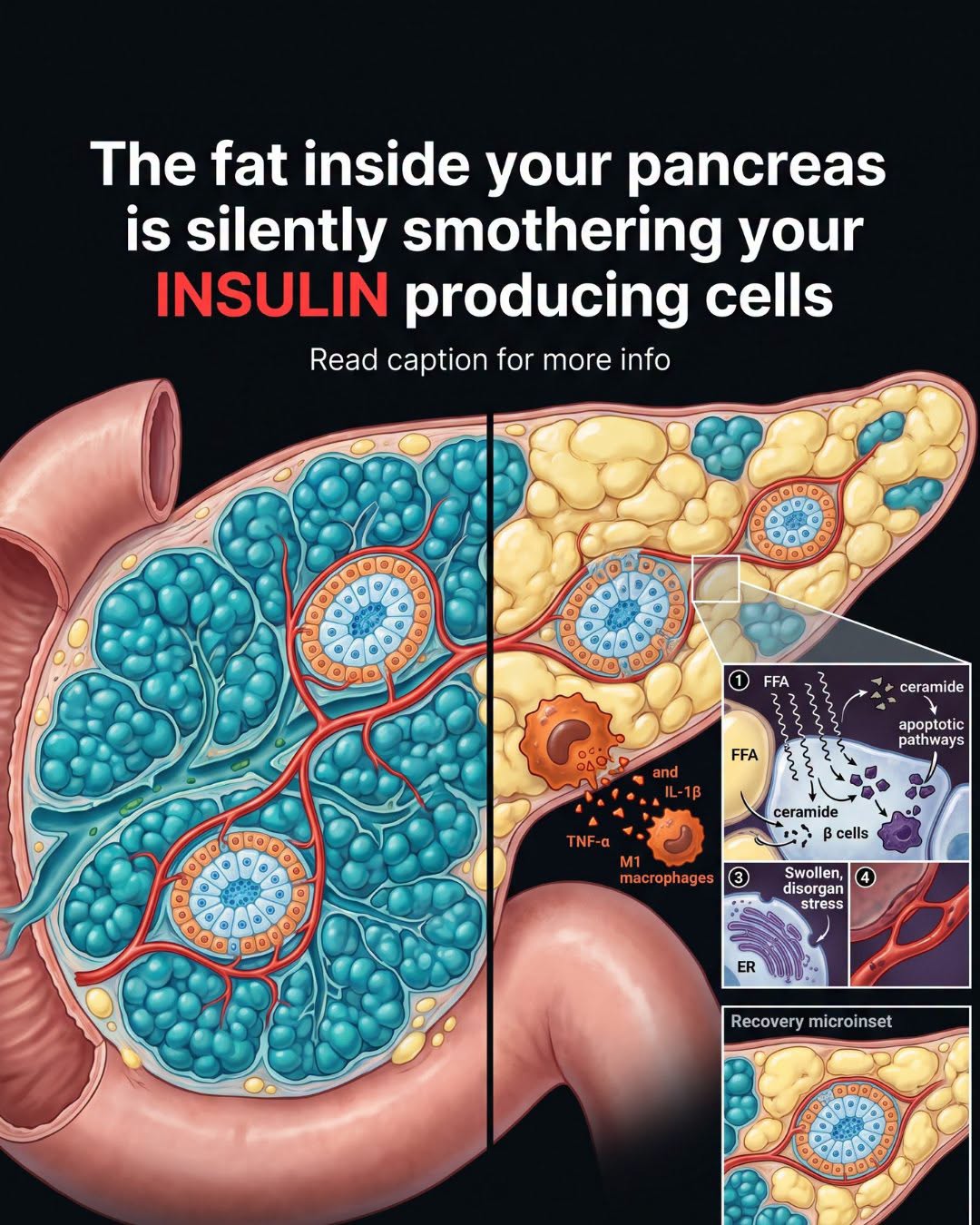
Using a modern and sensitive MRI scan, the researchers revealed that the diabetics had abnormally high levels of fat built up in their pancreas, even when compared to other obese people without type 2 diabetes.
In the non-diabetics participants, who had never had elevated fat levels in their pancreas in the first place, the amount of fat in the organ stayed the same after surgery. But the participants with type-2 diabetes lost on average 1.2 percent fat from the organ, which took them back down to healthy levels.
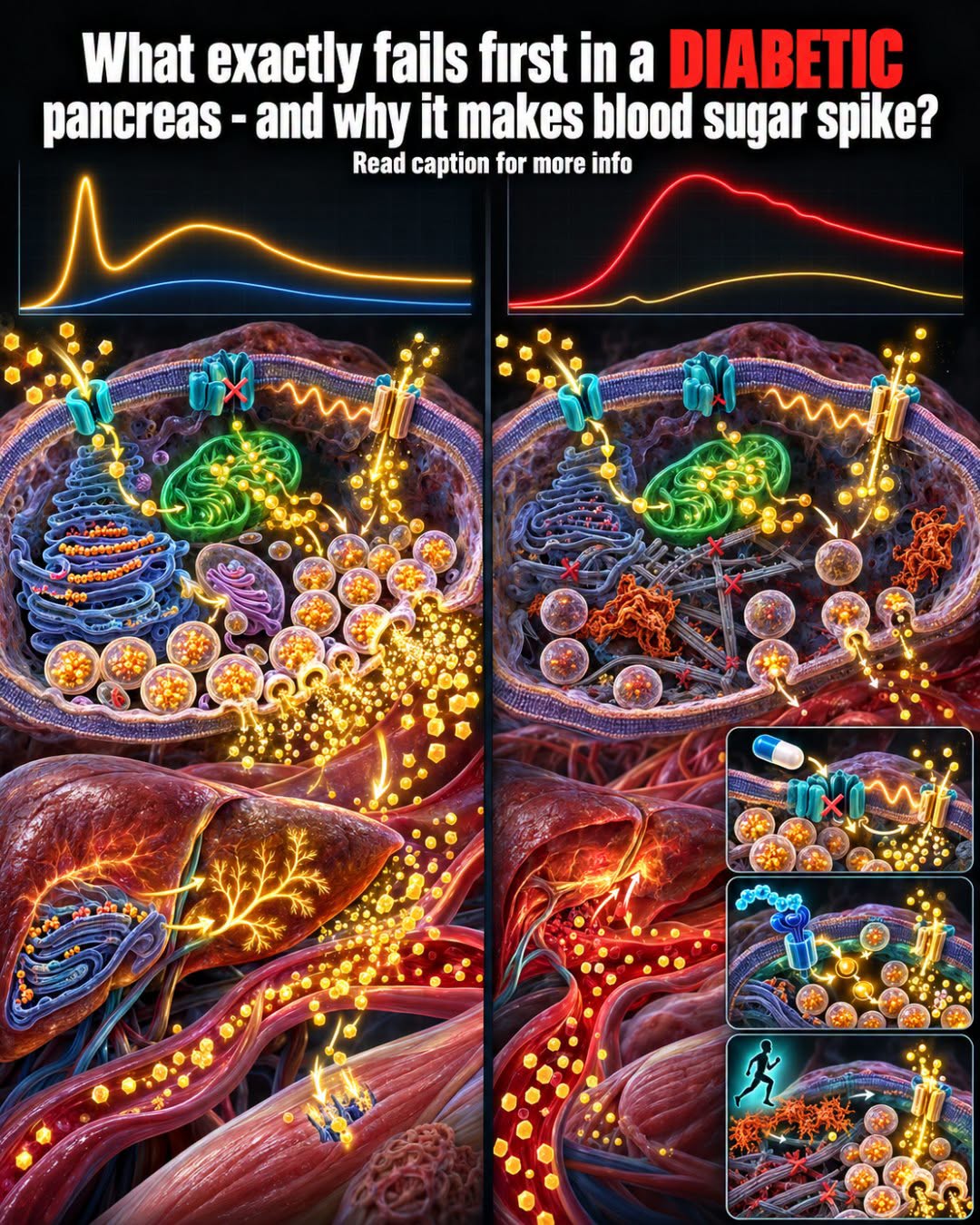
Following the surgery the diabetics were able to come off their medication, and, incredibly, their insulin secretion levels returned to normal, meaning that their diabetes had been successfully reversed.
“This comes across as a simple explanation for type 2 diabetes and for patients it will be a strong motivating factor in losing weight” said Taylor.
“But it also presents a very clear target for future research. If you can block the uptake of fat by the pancreas, you can reverse the disease.”
#pancreasfatHD #roytaylorHS #diabetesHD #regeneratepancreasHD #reversediabetesHD #pancreaticinsufficiencyHD #betacellsHD #visceralfatHD