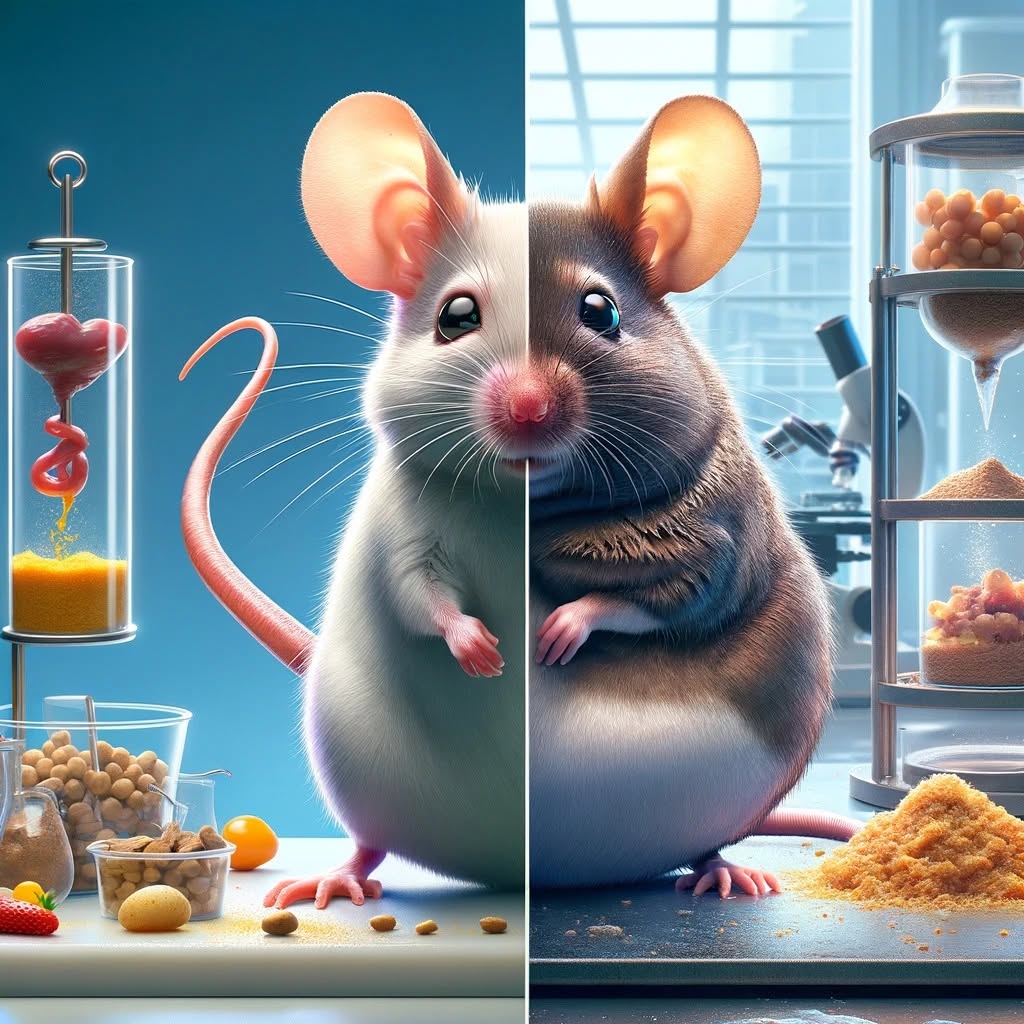
Why is it so hard to stop overeating certain foods?
Quoted:
Why can some foods be so hard to stop eating?
Eating isn’t controlled by hunger alone. Our brains and bodies integrate taste, smell, texture, visual cues, reward, and signals from the gut to determine how appealing and satisfying food feels.
Highly engineered foods can combine multiple sensory inputs in ways that enhance palatability and reward while potentially delaying sensory-specific satiety making continued eating easier.
At the same time, gut nutrient sensing and post-meal signals communicate with the brain to influence hunger, fullness, and food intake.
The result can be a mismatch between homeostatic needs (how much energy we actually need) and hedonic eating (how rewarding the food feels).
This doesn’t mean that any single food causes obesity. Rather, the graphic illustrates how multisensory flavor architecture may contribute to sustained intake and obesity risk, particularly within an environment where highly palatable foods are abundant and easily accessible.
Obesity is biologically complex and, “just eat less” misses much of the physiology.
#ultraprocessedfoodHD #foodnoiseHD #overeatingHD #obesityHD #weightlossHD