Weight Loss
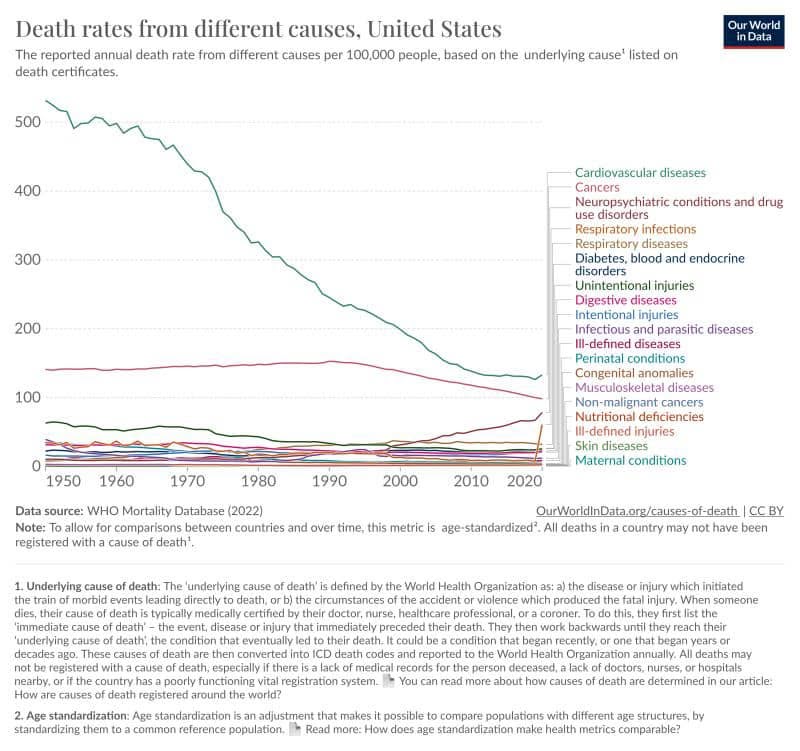
Heart disease remains the leading cause of death worldwide, responsible for over 31% of deaths annually. While numerous risk factors like smoking, diabetes, and hypertension contribute to one's risk, being overweight or obese constitutes the single most important modifiable risk factor. An abundance of research, from animal models to human clinical trials, underscores the profound benefits of losing excess weight to slash heart disease risk.

The data implicating excess weight as a primary driver of cardiovascular mortality are robust and consistent. Large meta-analyses of prospective cohort studies including millions of participants show a J-shaped association between body mass index (BMI) and all-cause mortality. BMI values demonstrating the lowest risk cluster around 20-24 kg/m2. As BMI increases beyond 25 kg/m2, denoting overweight, and especially past 30 kg/m2 for obesity, mortality rates rise precipitously.
Importantly, weight loss interventions mitigate this risk in a seemingly dose-dependent fashion. Lifestyle modification programs emphasizing dietary changes, increased physical activity, and behavioral therapy help participants lose excess weight. In a meta-analysis across clinical trials, intensive lifestyle changes yielded 5.5kg average weight loss, which translated to 15% lower all-cause mortality.
Bariatric surgery procedures, including gastric bypass and gastric sleeve surgery, prompt more drastic weight reduction, in the range of 10%-27% (ref, ref, ref). Accordingly, they confer larger mortality benefits, with a pooled analysis of over 50,000 patients showing 38-41% lower mortality compared to nonsurgical obese controls (ref, ref).
The beneficial effects of weight loss are further evidenced by clinical trials of anti-obesity medications. Newer agents like semaglutide and tirzepatide belong in the glucagon-like peptide-1 (GLP-1) receptor agonist class, which reduce appetite and food intake. In trials, they led to 15-22.5% weight loss over 68-72 weeks (ref, ref). In the iconic SELECT Trial, Semaglutide 2.4mg resulted in 20% reduction in a composite outcome of CV death, nonfatal MI, and nonfatal stroke. All cause mortality dropped by 19% (p < 0.05).
Mechanistically, excess body fat, especially visceral fat, is strongly linked to cardiometabolic abnormalities like insulin resistance, hyperlipidemia, and hypertension. As adipose tissue accumulates, it causes systemic inflammation as well as mechanoreceptor and endocrine dysfunction. Together, these derangements contribute to atherosclerosis progression and heightened cardiovascular risk (ref, ref, ref).
Losing weight counteracts this by curbing inflammation, improving lipid parameters, decreasing blood pressure, and enhancing insulin sensitivity. Structural changes like reduced epicardial fat volume and improved left ventricular function also occur and stabilize atherosclerotic lesions. Through these adaptive processes induced by shedding excess pounds, the risk of adverse cardiovascular events falls appreciably (ref, ref, ref)
Unfortunately, long-term weight loss remains an elusive goal for many. Research suggests less than 20% of obese individuals successfully lose weight and sustain the reduction (ref). Though formal diet and exercise programs can be highly effective initially, biological mechanisms promoting weight regain frequently eclipse behavioral approaches. As such, anti-obesity pharmacotherapy and bariatric surgery have emerged as viable solutions for substantial, durable weight loss in obese patients.
Still, any degree of weight loss confers some benefit. Large observational studies show even losing 5-10% of initial body weight lowers cardiovascular risk factors. As such, overweight or obese individuals are encouraged and supported to shed pounds through lifestyle changes or medical therapies tailored to their health status. Given obesity’s firm ties to heart disease, promoting weight loss constitutes a frontline strategy for combatting the #1 killer around the world.