HD-OPM Archive
Hashtags

#weightloss

90 posts

Zero-oil vs olive-oil diet trial was calorie restriction; LDL differences not significant

Sep 26, 2024 · Louis Nervegna ♥ 12 · 💬 42 Fats & oils (saturated fat, seed oils, omega-6, olive oil)

Louis critiques a trial claimed to show a no-oil diet lowers LDL more than a diet with 4 tablespoons of olive oil. He says LDL and ApoB results were not statistically significant overall, and the no-oil group ate only 1338 kcal per day, over 400 kcal less than the olive oil group. He concludes it was a short-term calorie restriction study, not an oil versus no-oil comparison.

Six strategies shown to regress plaque in human randomized trials

Feb 27, 2025 · Louis Nervegna ♥ 27 · 💬 10 ↩ 3 Plaque, CAC & CT angiography

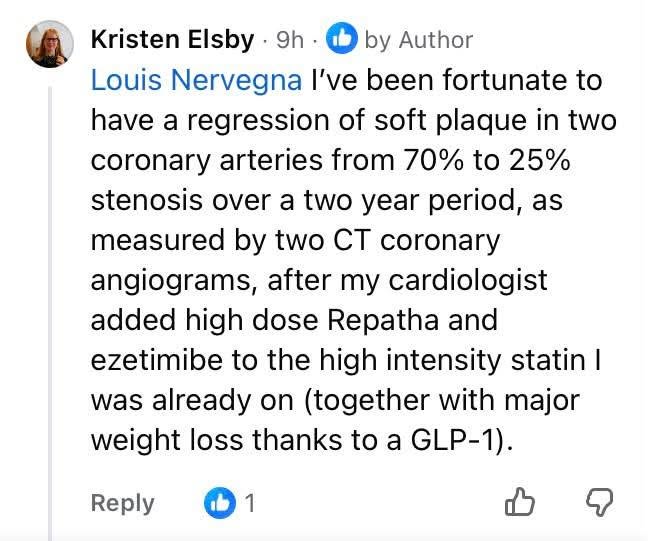
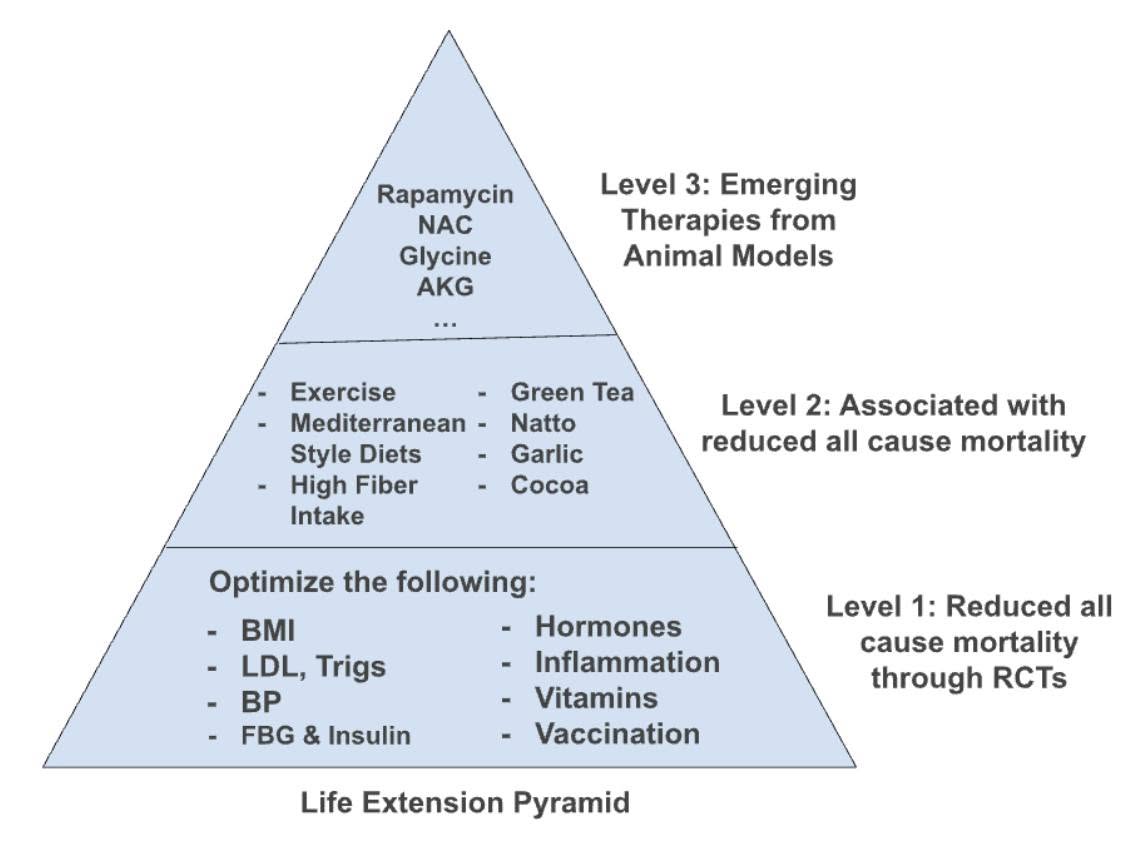
Louis lists strategies with RCT evidence for plaque regression: major weight loss, a Mediterranean or DASH diet, LDL-lowering drugs, colchicine, exercise and high-dose EPA. He notes six RCTs show diet can regress plaque and that Ornish's results resembled PREDIMED and CORDIOPREV, while Esselstyn's data are not from RCTs.

Big glucose spikes from oats signal insulin resistance; only losing visceral fat cures it

Mar 01, 2025 · Louis Nervegna ♥ 23 · 💬 8 Insulin resistance & diabetes

Louis argues that large glucose spikes from low-to-moderate GI carbs suggest prediabetes or diabetes, and that cutting carbs only masks the problem unless enough weight is lost to clear liver and pancreas fat. He adds that visceral fat can hide in people with normal BMI, that Asians develop insulin resistance at lower visceral fat levels, and summarizes Roy Taylor's very-low-calorie diet trials.

NEJM 2020 dairy review: a mixed bag, best for fermented forms, weak for fractures

Jan 23, 2025 · Louis Nervegna ♥ 6 · 💬 21 Meat, eggs & dairy

Louis highlights the widely cited 2020 NEJM review on dairy and disease risk. It concludes that high dairy intake is not supported for preventing fractures, is not clearly linked to weight, diabetes or CVD, and may raise prostate and endometrial cancer risk while lowering colorectal cancer risk. Effects depend on the comparison food: dairy fares better than processed red meat or sugary drinks but worse than nuts.
No long-lived population ate a carbohydrate-free diet; long-term effects unknown

Jun 09, 2026 · Louis Nervegna ♥ 21 · 💬 4 Low-carb, keto & carnivore

Louis argues that every long-lived population studied includes carbohydrate from vegetables, fruits, legumes, nuts, seeds, whole grains or fermented dairy, and that the few carbohydrate-free-eating groups, such as certain Eskimo populations, were not notably long-lived. He says low-carb diets may help short-term but long-term heart-disease effects are speculative, so he suggests including low-GI carbohydrates.
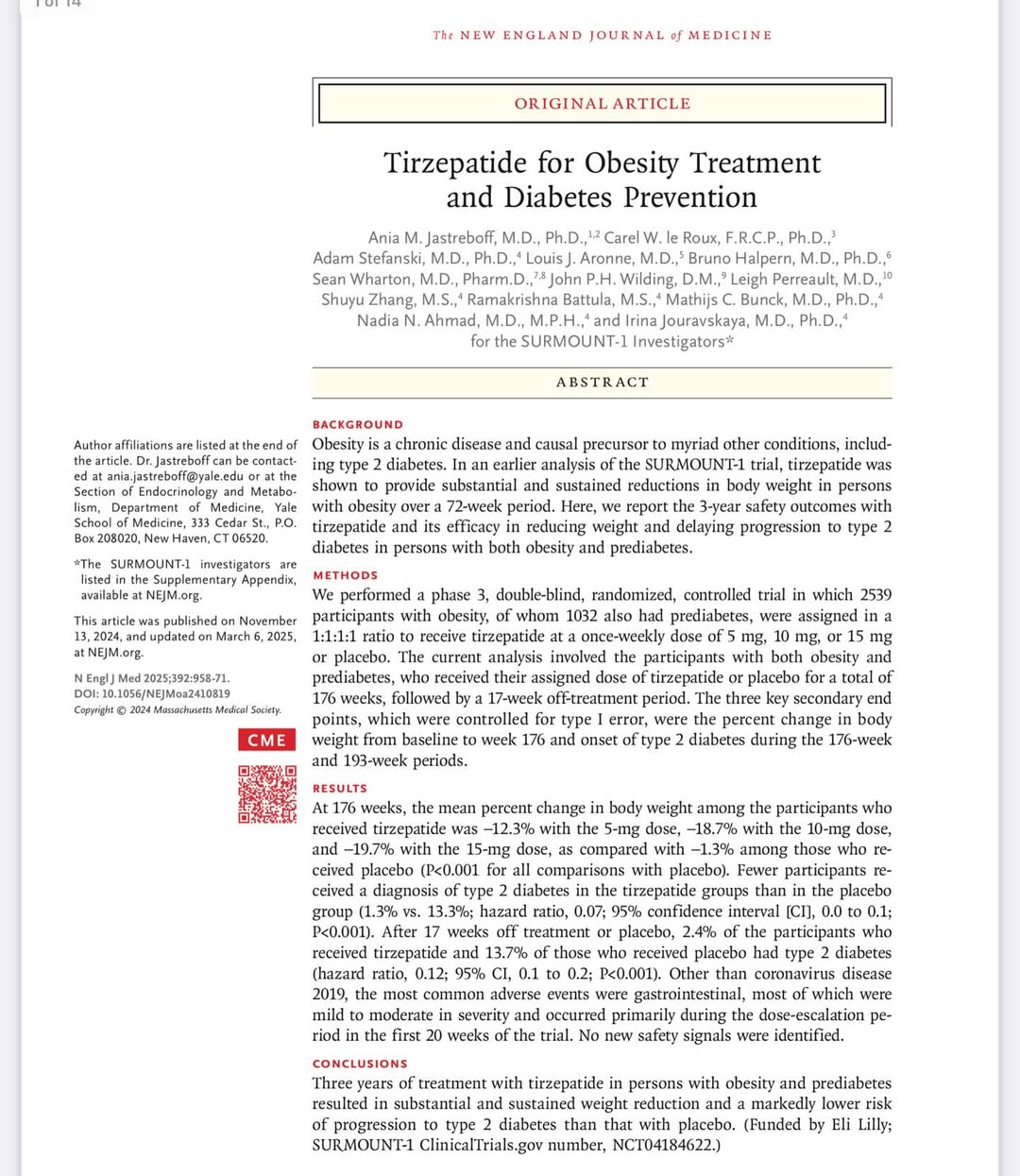
Tirzepatide cut 3-year diabetes incidence to 1.3% vs 13.3% in SURMOUNT-1

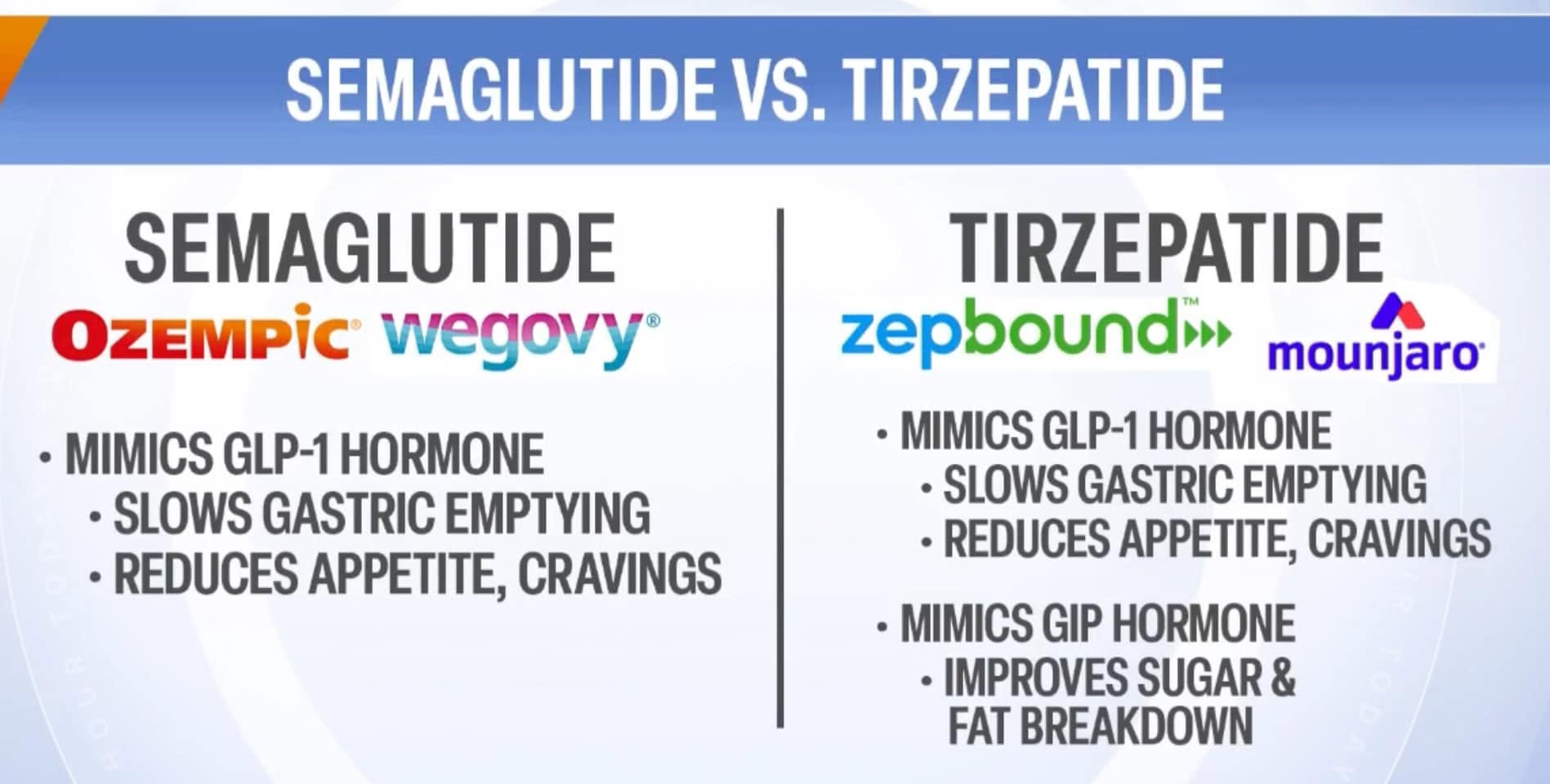
Mar 06, 2025 · Louis Nervegna ♥ 12 · 💬 5 GLP-1 drugs (semaglutide, tirzepatide)

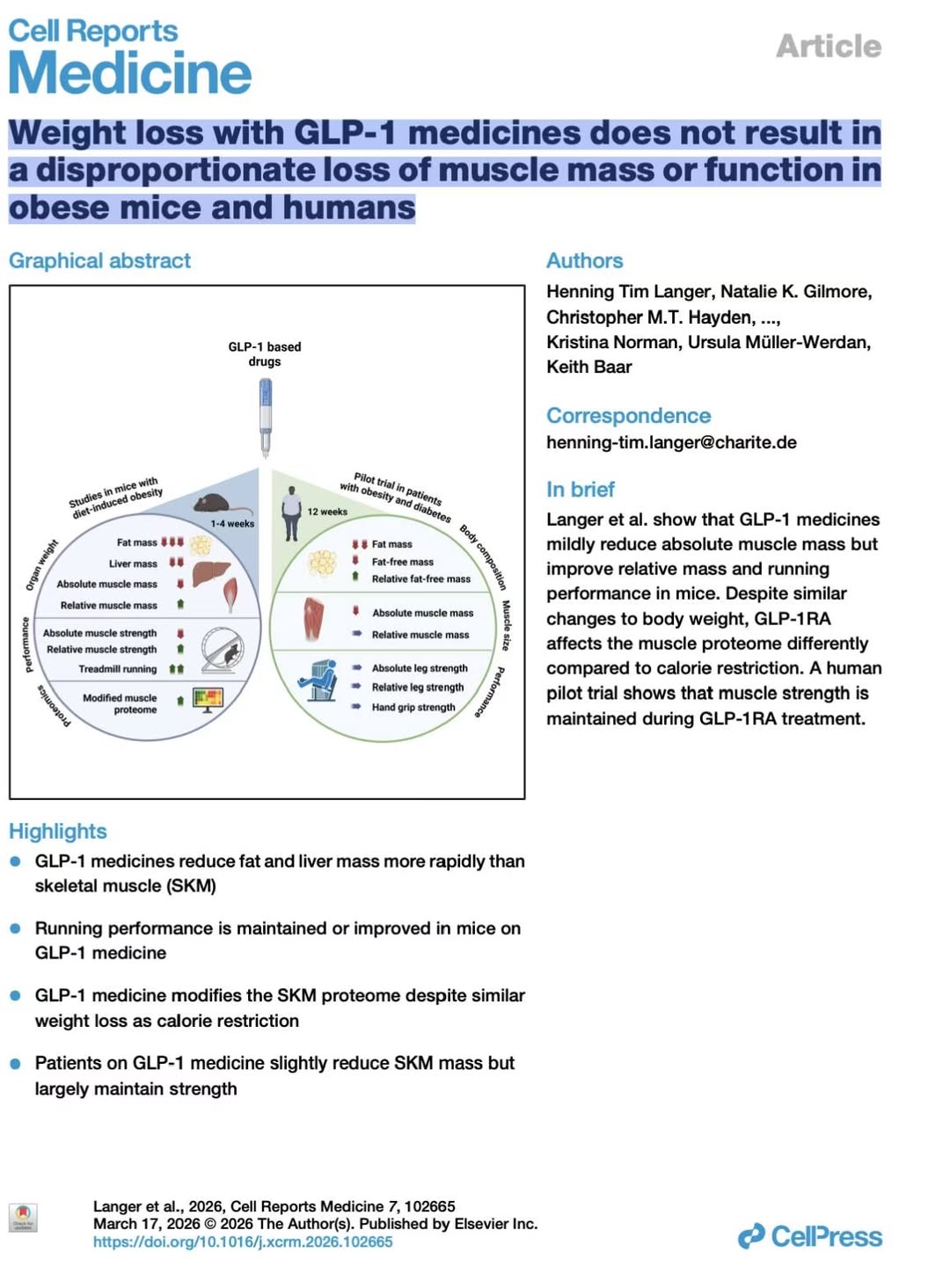
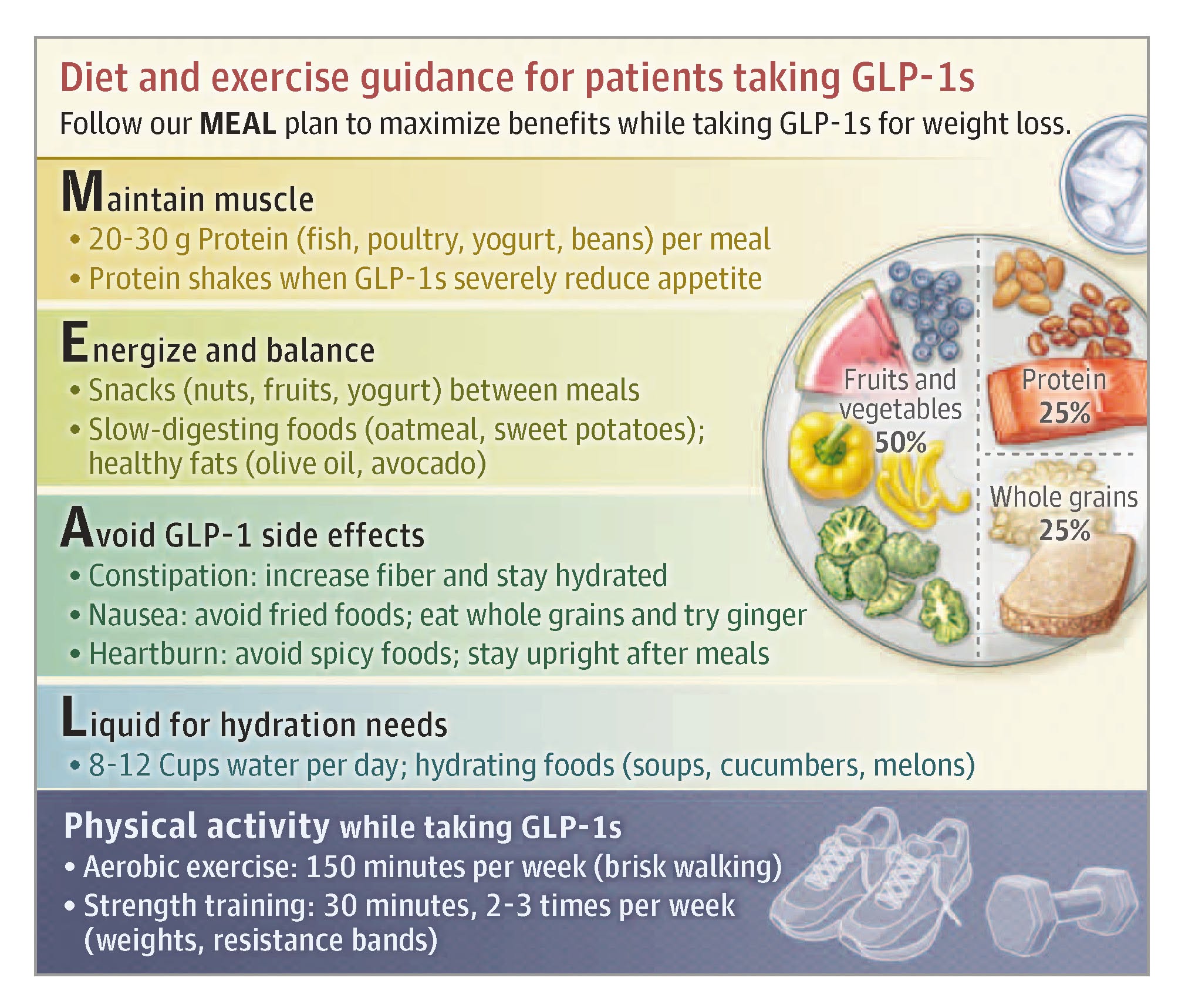
Louis shares Luigi Fontana's post on the 3-year SURMOUNT-1 results and adds that weight loss clears fat from liver and pancreas, the main cause of insulin resistance and beta-cell dysfunction, so any diet producing major weight loss can do the same. The shared post also warns about muscle/bone loss and nutrient deficiencies without exercise and good nutrition.
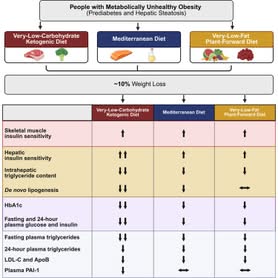
Keto beat Mediterranean and low-fat diets on liver fat and glycemia at equal weight loss

Aug 27, 2026 · Gokhan Can ♥ 6 · 💬 8 ↩ 1 Low-carb, keto & carnivore

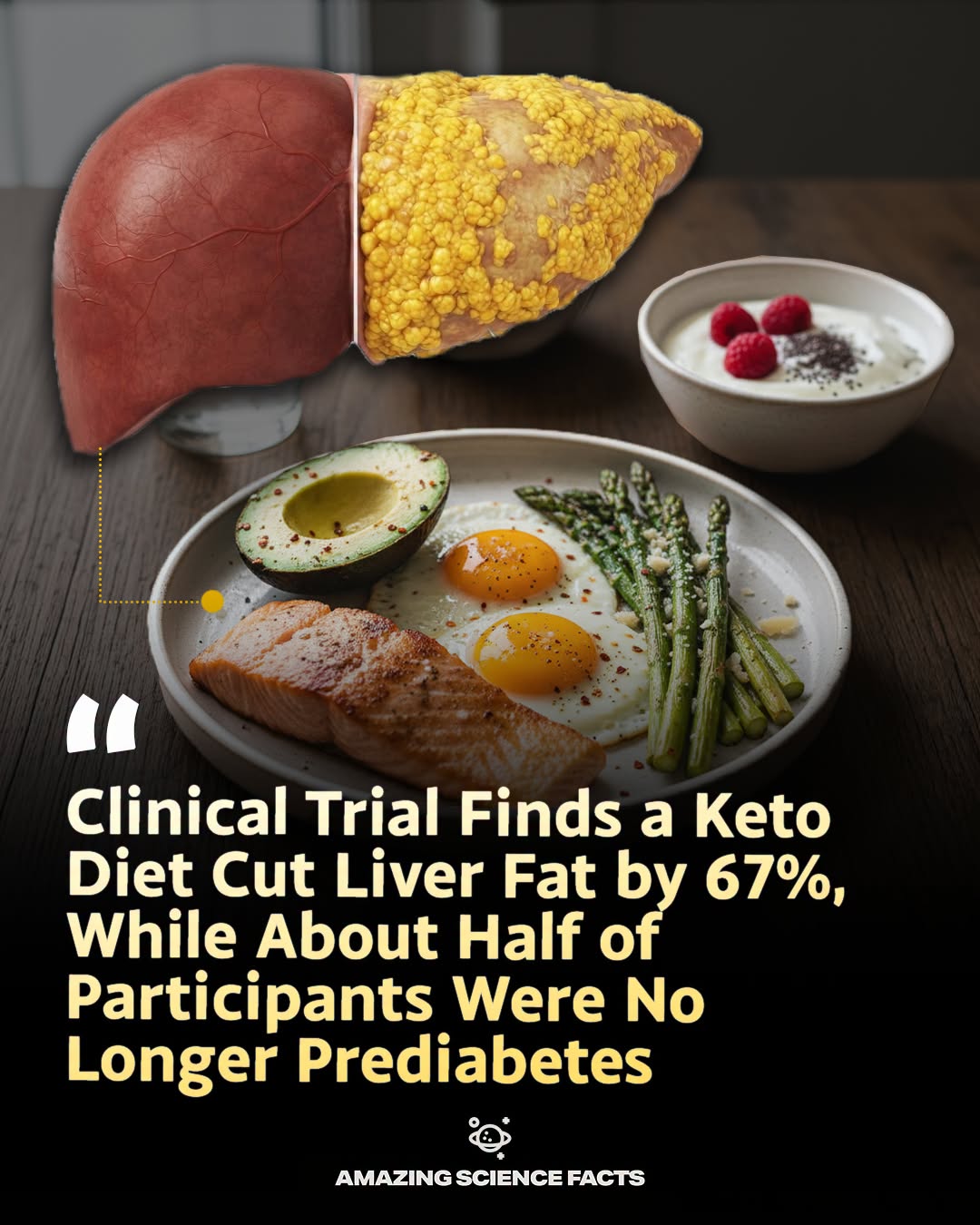
Petersen et al. (Cell Metabolism, 2026) fed 42 adults with obesity, prediabetes and fatty liver all meals in a controlled trial until ~10% weight loss. All diets improved muscle insulin sensitivity and body composition, but the very-low-carb ketogenic diet gave clearly larger improvements in liver metabolic function, intrahepatic fat and glycemic control.

Low-carb diets lose their diabetes advantage by 12 months, trials and meta-analyses show

Nov 25, 2025 · Gokhan Can ♥ 5 · 💬 8 Low-carb, keto & carnivore

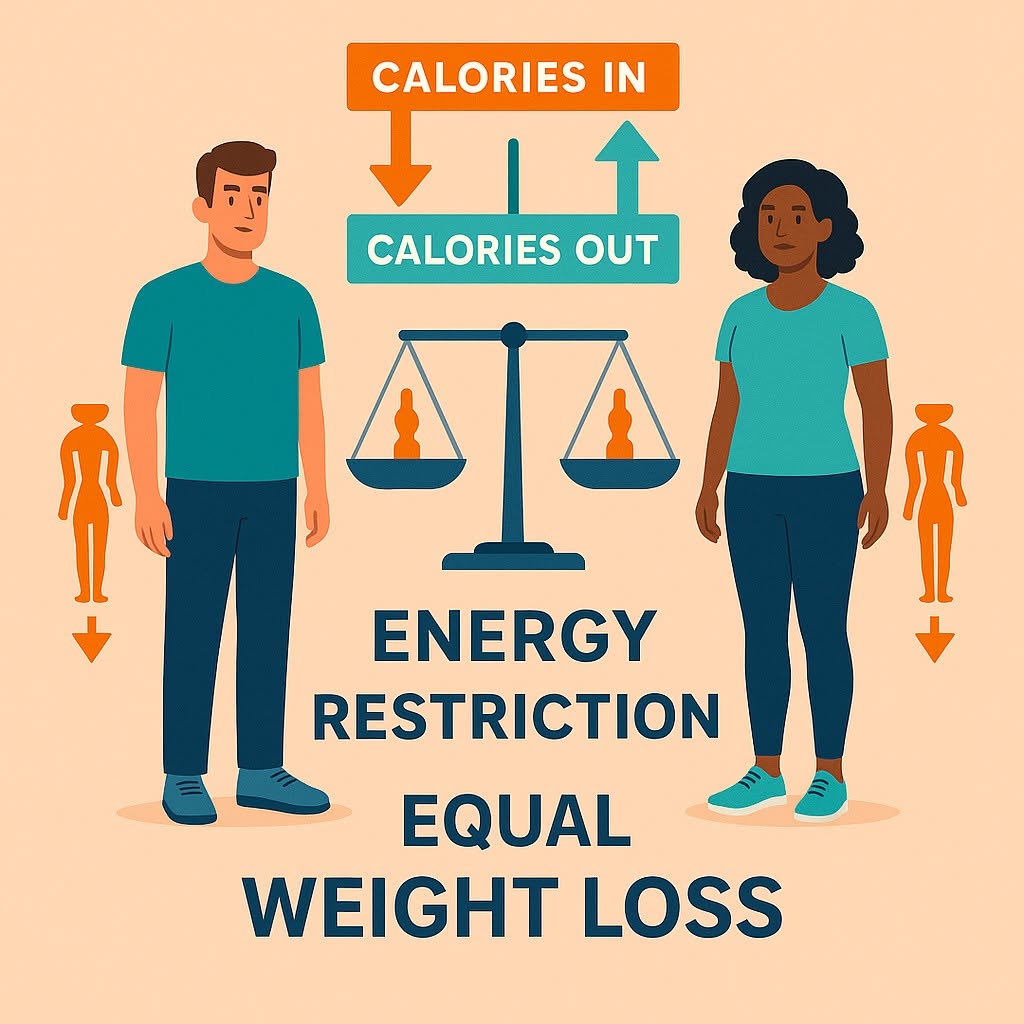
Argues low-carb gives better remission and HbA1c at 6 months, but the edge fades. A 2021 BMJ meta-analysis (23 RCTs) found benefit at 6 months diminishing by 12; Silverii 2020 (37 RCTs, 3,301 patients) found HbA1c differences vanishing and reversing by 24 months; a 2-year calorie-matched RCT showed identical weight loss. Concludes the benefit comes from adherence, not metabolic magic.

Bale-Doneen protocol: aggressive multi-drug risk management reduced carotid IMT

Dec 03, 2023 · Gokhan Can ♥ 11 · 💬 3 ↩ 2 Plaque, CAC & CT angiography

Describes the Bale and Doneen approach to reversing plaque: lifestyle counseling, regular imaging and biomarker testing, statin-based lipid control with ezetimibe or niacin, SBP under 120, low-dose aspirin, insulin sensitizers and anti-inflammatories. In the 2016 community-based paper, carotid IMT measures fell markedly over a median of 3 years.

Meta-analysis of 119 trials: nuts did not cause weight gain and modestly lowered LDL

Oct 29, 2026 · Louis Nervegna ♥ 10 · 💬 2 Nuts, fish, coffee, tea, cocoa & other foods

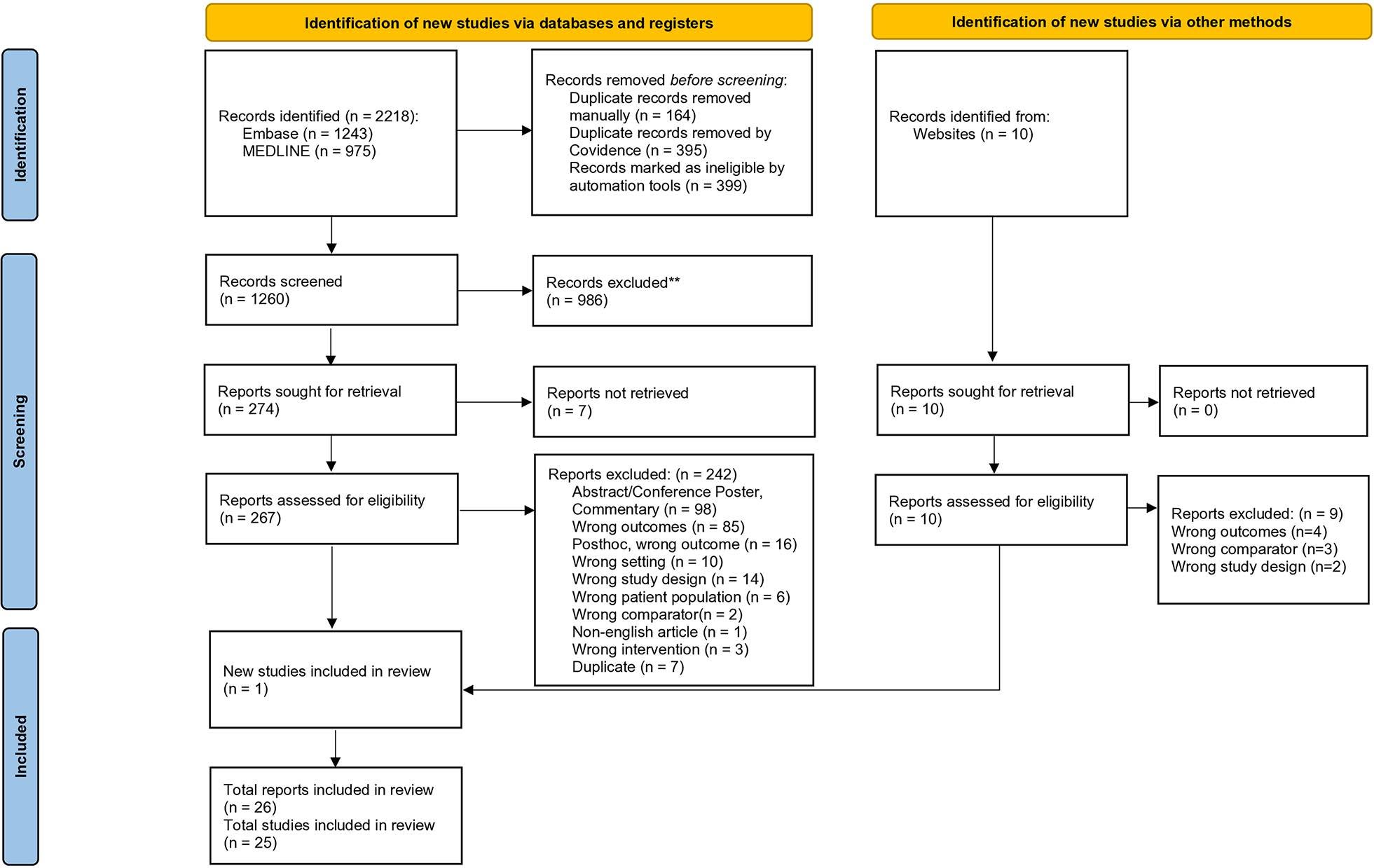
A systematic review and meta-analysis of randomized trials (154 articles, 119 unique RCTs) found adding about 120 kcal/day of nuts did not significantly change weight, BMI or waist; body fat fell slightly and lean mass rose. Nuts were associated with small reductions in total cholesterol, LDL and triglycerides, with no significant effect on HDL.

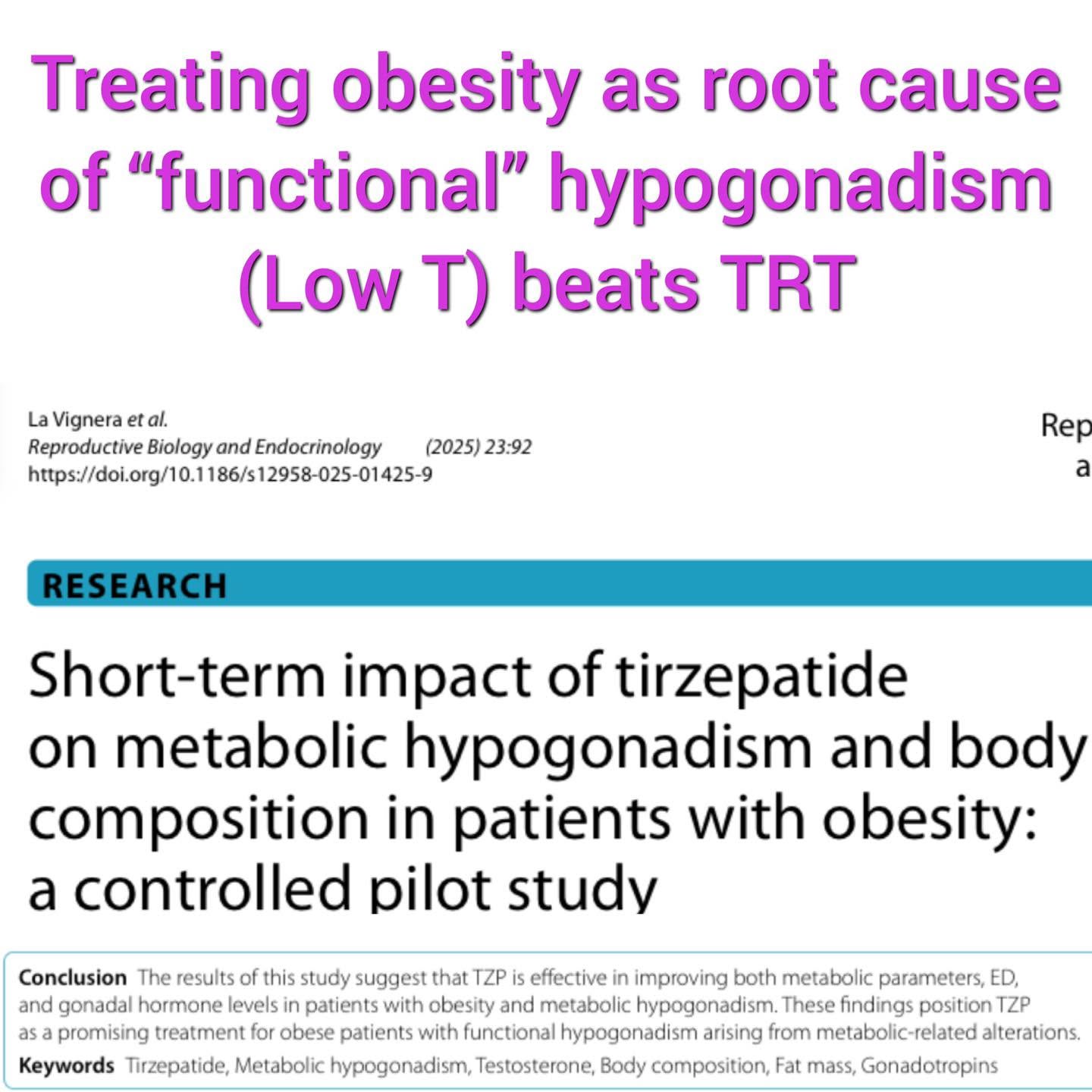
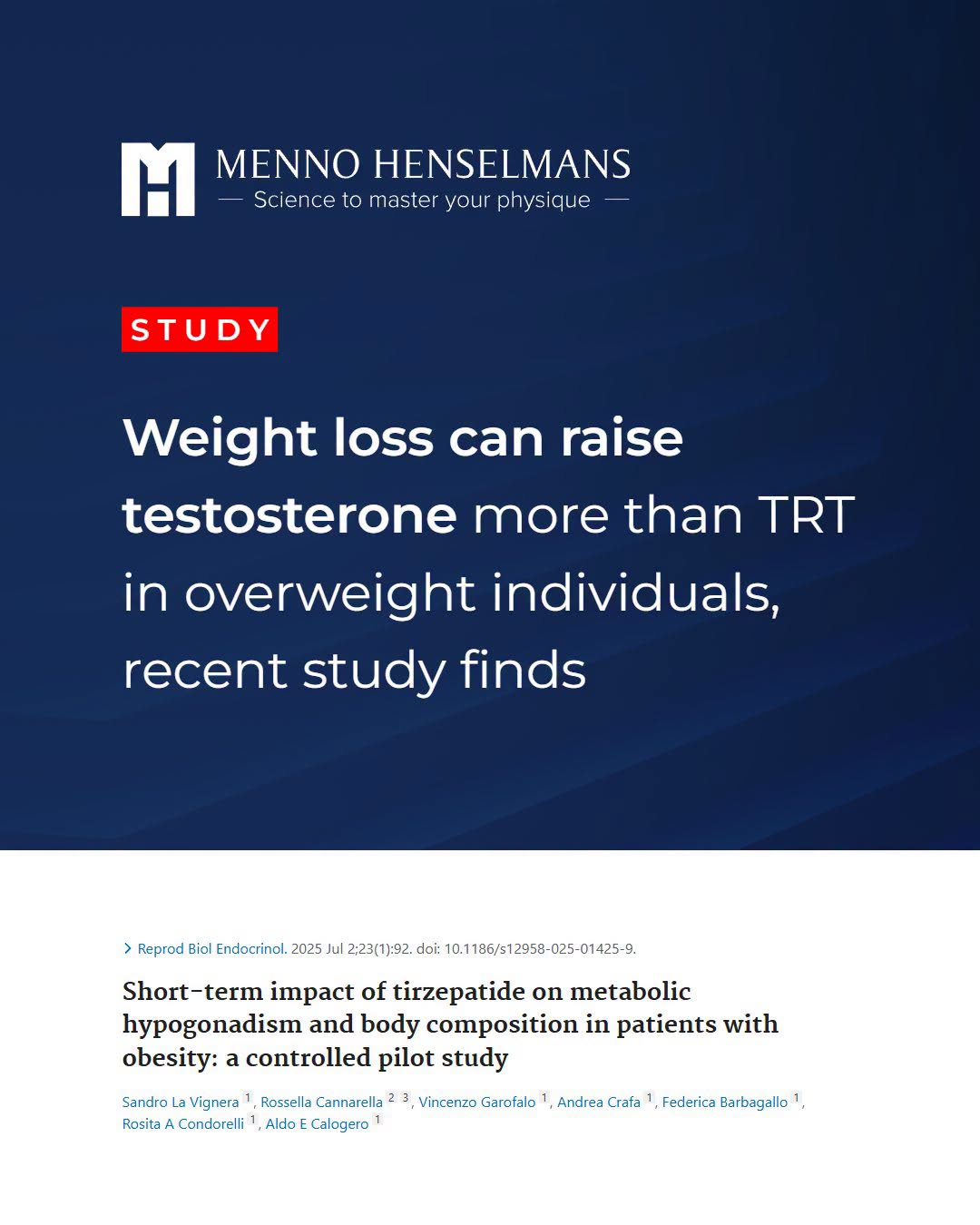
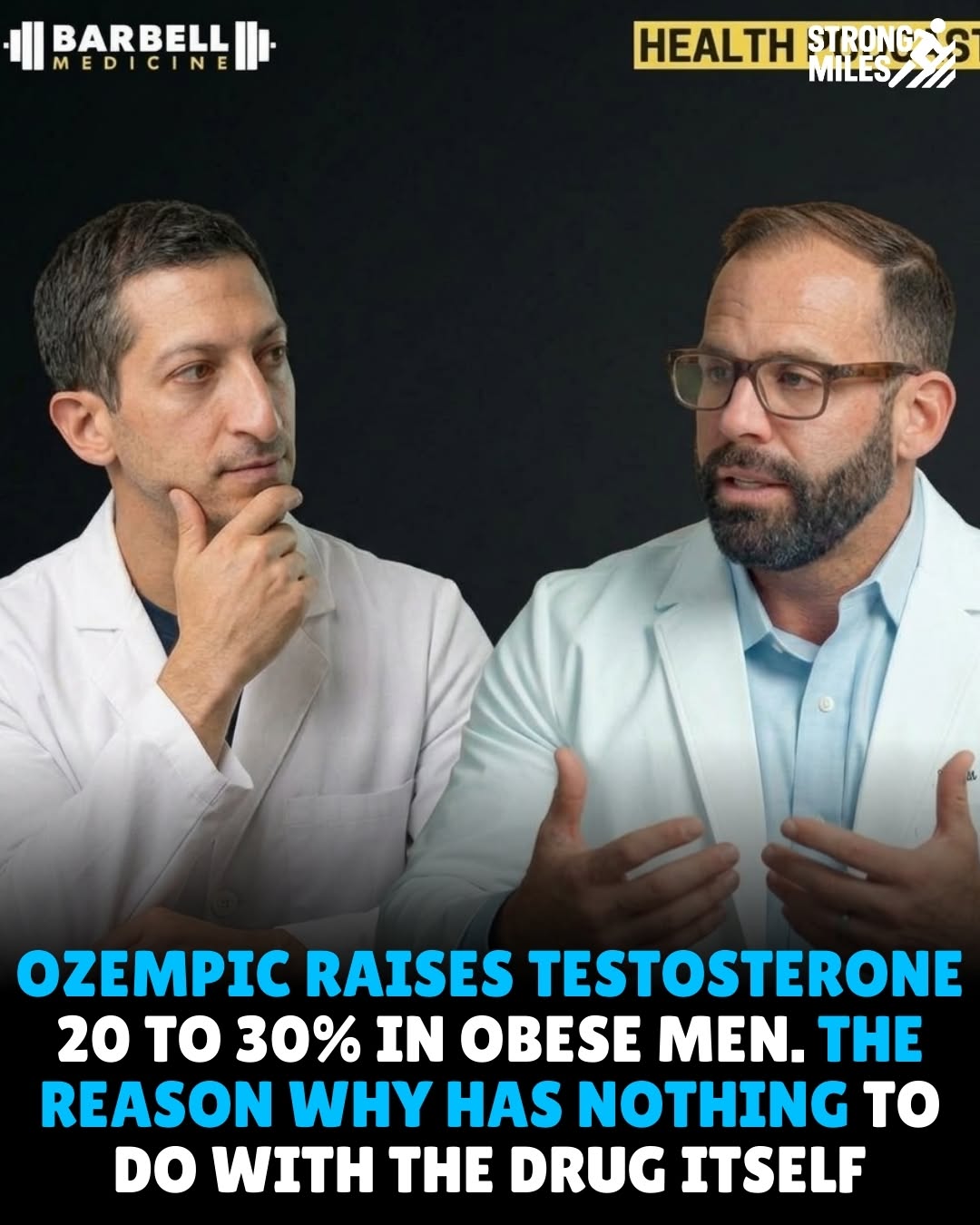
Tirzepatide beat testosterone therapy for raising testosterone in obese men (pilot, n=83)

Jul 19, 2025 · Louis Nervegna ♥ 13 · 💬 1 ↩ 2 GLP-1 drugs (semaglutide, tirzepatide)

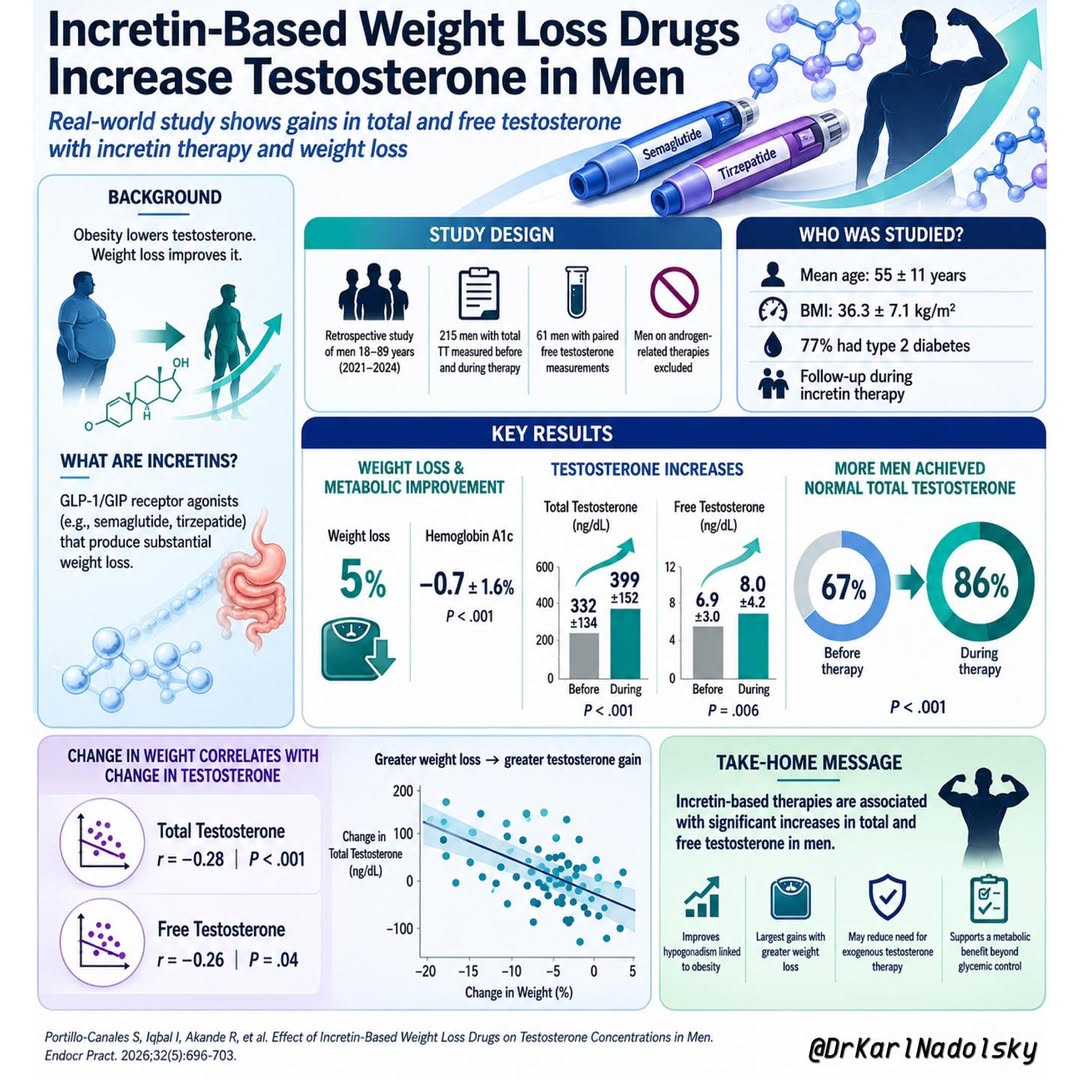
Louis argues that low testosterone in middle-aged men is mainly driven by visceral fat and should be treated by fat loss rather than TRT. The shared pilot study in 83 men with obesity found tirzepatide plus lifestyle gave the greatest weight and fat loss and raised testosterone, LH and FSH more than lifestyle alone or TRT.

Swapping saturated fat for polyunsaturated seed oils cut CVD events 29% in strict RCTs

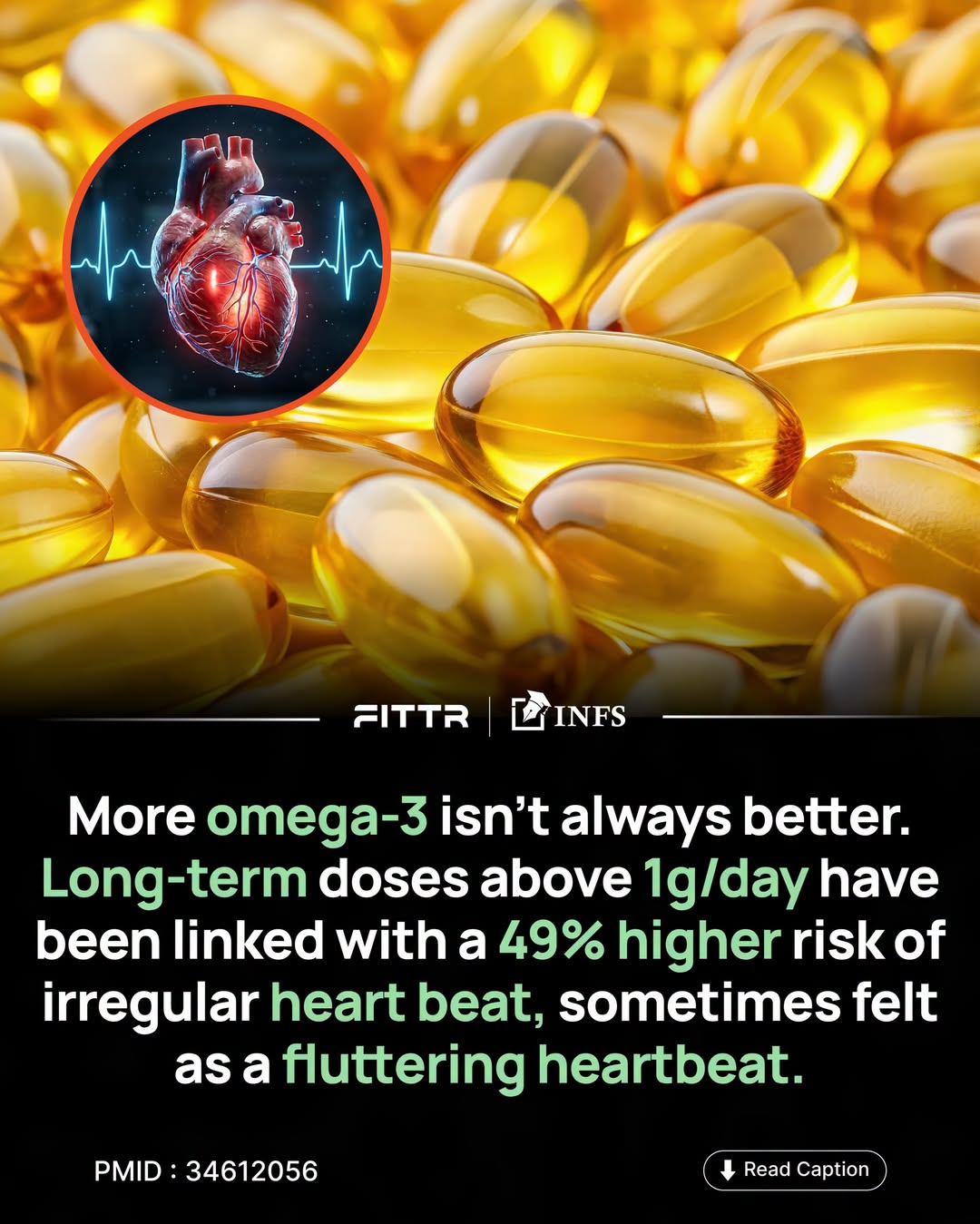
Louis states adipose omega-6 is linked to lower mortality in cohorts, and that RCTs meeting strict criteria (no trans fats, supplied food, 2+ years, biomarker-verified adherence, validated events) show a 29% reduction in heart disease events from replacing saturated fat with polyunsaturated fat. He explains why the Minnesota Coronary Experiment, Sydney Heart Study and Rose Corn Oil Trial fail those criteria.

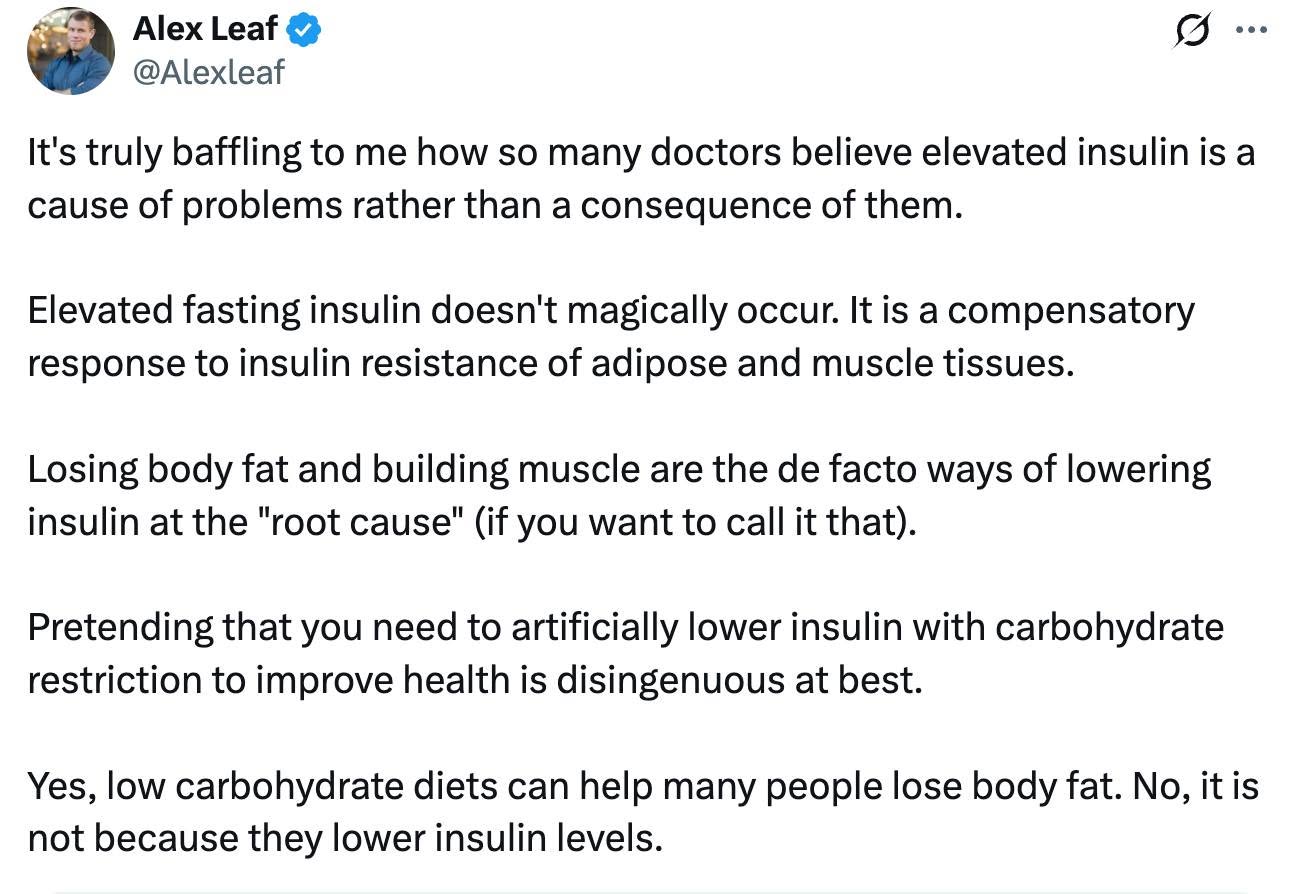
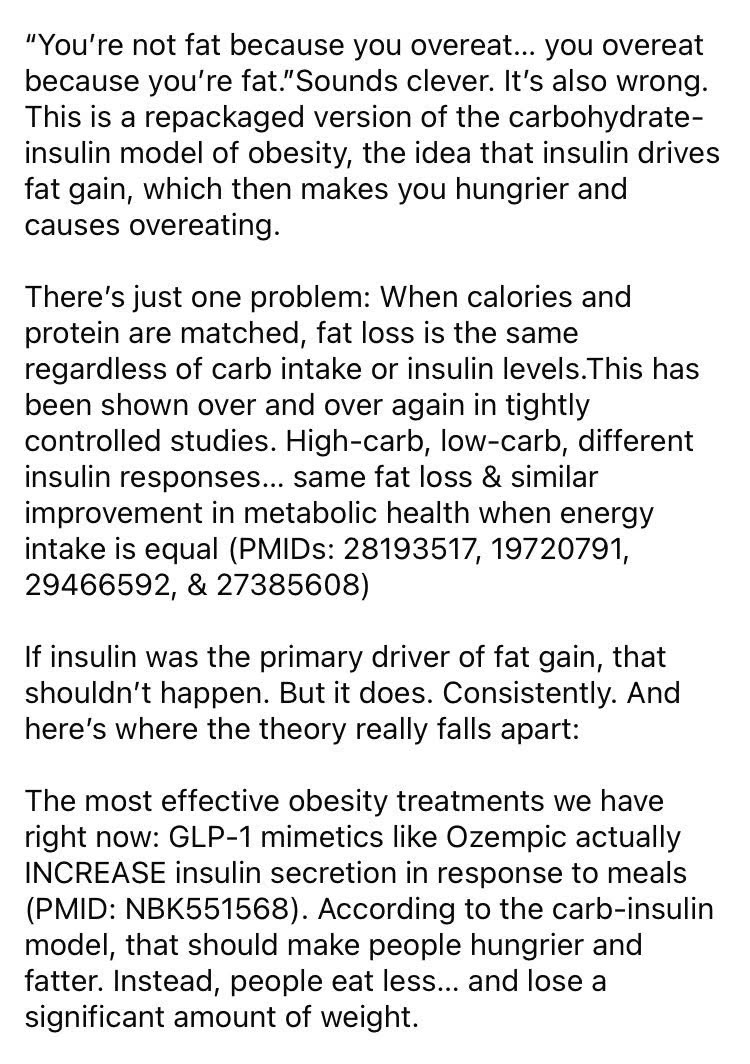
High-carb diet raised insulin yet people ate 689 fewer calories a day in an NIH ward study

Nov 02, 2026 · Louis Nervegna ♥ 0 · 💬 3 Insulin resistance & diabetes

Louis shares a post arguing that normal insulin spikes from healthy carbohydrate do not drive hunger or overeating. In a controlled NIH study, 20 adults lived in a research facility on a high-carb low-fat diet (about 75% carbohydrate) and a ketogenic diet (about 10% carbohydrate) for two weeks each. Despite higher glucose and insulin, they ate an average of 689 fewer calories per day on the high-carb diet, contradicting the carbohydrate-insulin model's prediction, although the diets differed in other ways.

Excess body fat can cut testosterone by up to half a reference range; fat loss restores it

Mar 25, 2026 · Louis Nervegna ♥ 3 Hormones, women's & men's health

Louis posts that overweight and obesity can lower testosterone by as much as half a reference range (about 350 ng/dL) and that losing visceral fat often returns levels to normal. The shared FoundMyFitness post explains that extra fat raises aromatization of testosterone to estrogen, which signals the brain to reduce testosterone production.

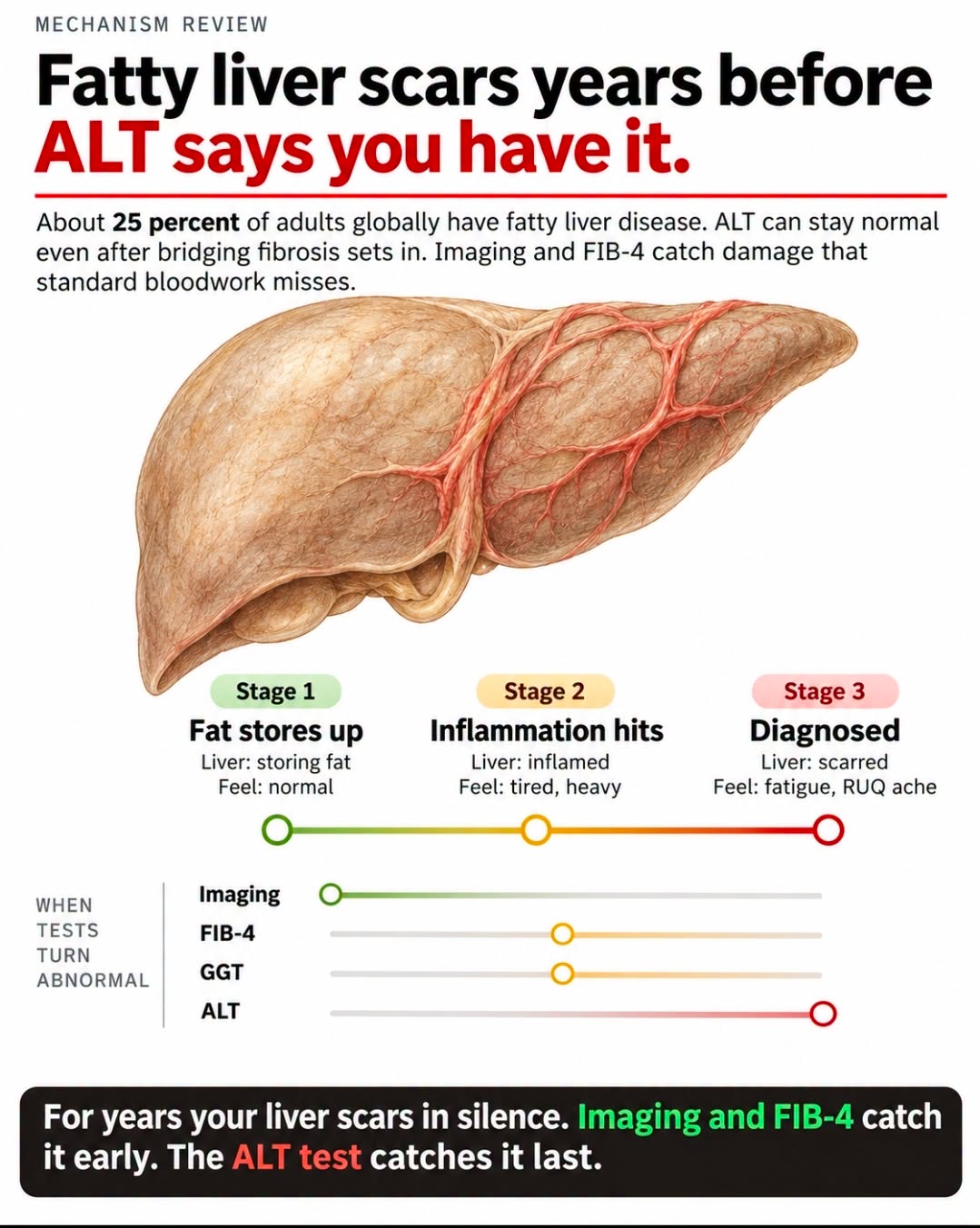
Fatty liver can scar the liver years before ALT rises; 10% weight loss resolves it in 90%

Nov 03, 2026 · Louis Nervegna ♥ 1 Weight, visceral & liver fat

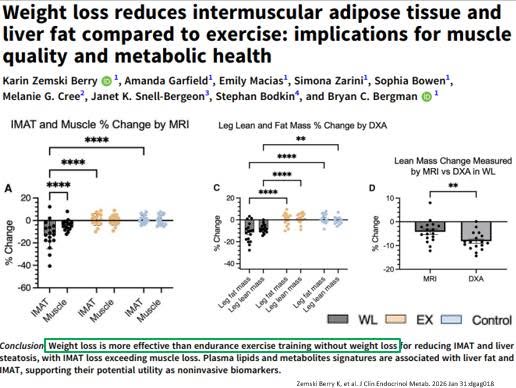
Routine ALT testing can miss advanced fatty liver disease: a Hepatology study biopsied 51 patients with normal ALT and found 12 with bridging fibrosis and 6 with cirrhosis. The post notes selection bias in that sample but says fibrosis behind a normal ALT is well established. Ten percent body weight loss resolved fatty liver in 90 percent and regressed fibrosis in 45 percent, and Mediterranean diet, resistance training and insulin-resistance management reduce liver fat independent of weight.