(no text — see the shared post below)
Big changes in Lp(a)
I constantly see posts on social media where people claim that large changes in their Lp(a) blood tests are due to some particular intervention or the other.
Here is the truth…
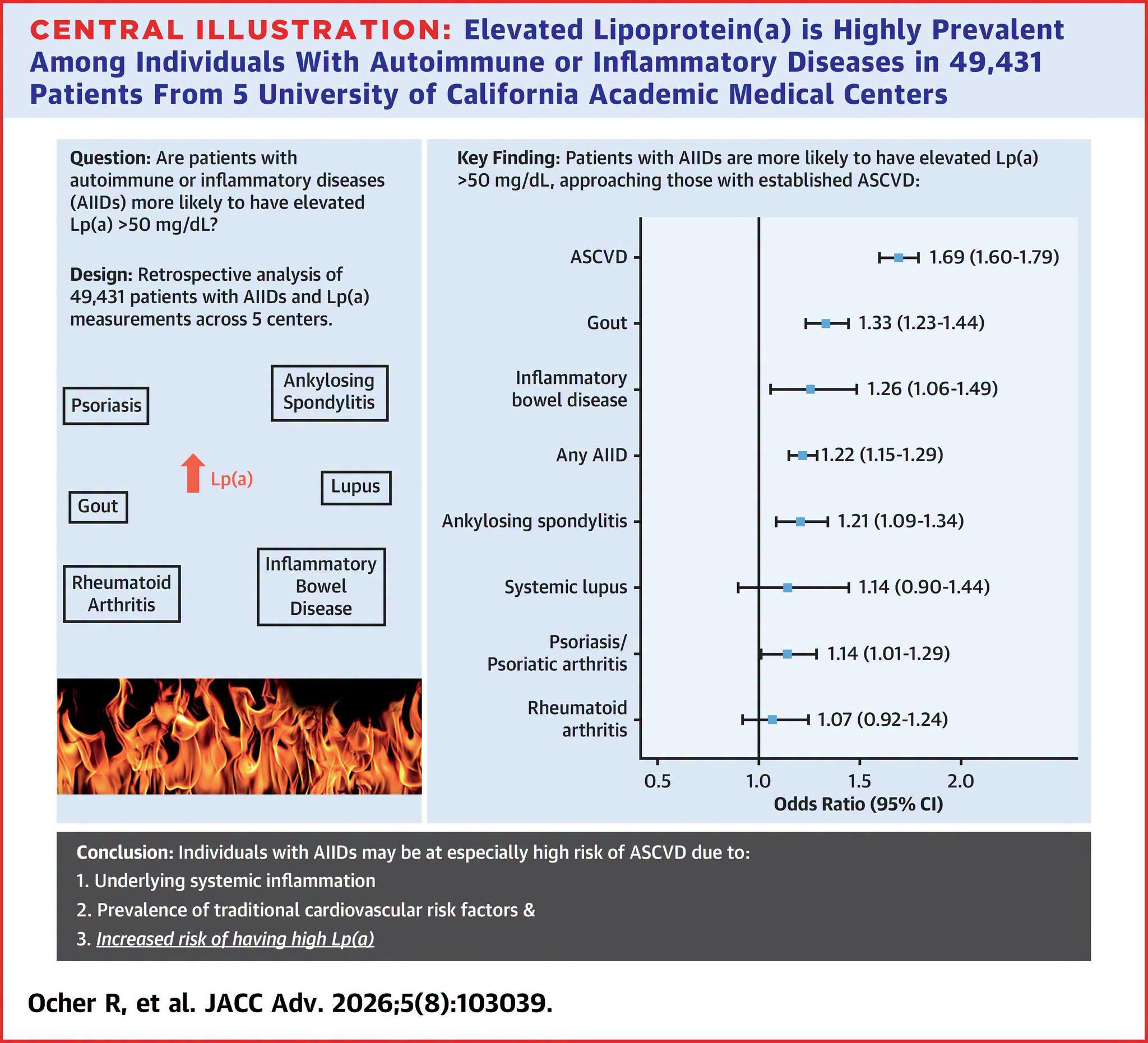
Lp(a) is highly sensitive to acute-phase inflammatory responses. While Lp(a) is primarily genetically determined, acute illness, recent surgeries, extreme exercise, strong reactions to vaccines, severe systemic inflammation, a flare-up of an autoimmune or inflammatory condition, etc… can all temporarily destabilize and alter test results.
Big changes in Lp(a) are usually due to correspondingly big changes in these acute-phase inflammatory responses. Medical guidelines recommend not testing Lp(a) during periods where this kind of acute-phase inflammation can be occurring.
Lp(a) is technically an acute-phase reactant. When the body experiences major systemic inflammation, the liver increases production of certain proteins. While standard markers like C-reactive protein (CRP) spike within hours, Lp(a) can rise more slowly and stay elevated for weeks after a major inflammatory insult.
It is entirely possible that a particular intervention helped to resolve the underlying acute-phase inflammatory issue causing the increase in Lp(a) in the first place. But often, it is simply the underlying inflammation resolving on its own, e.g. when recovering from an infection.
To take one particular example:
Blaming huge increases in Lp(a) on statins can do a big disservice to the patient.
In most cases, statins only raise Lp(a) by 5-20%.
In cases where there is a huge increase, there is often an unrelated inflammatory health issue causing the transient spike. Ignoring this underlying health issue— and mistakenly attributing the huge increase to the statin— can cause serious harm the patient.
#lpaHD #lpainflammationHD #inflammationHD #statinslpaHD #statinsHD