Cheese and CVD risk
A recent epidemiological study and meta-analysis is making headlines on social media that cheese might cut risk of developing CVD. The benefit was small but significant.
Paper · Nat Commun · 2025A global analysis of dairy consumption and incident cardiovascular diseasenature.comThere is some previous evidence that also supports this.
Fermented dairy like yogurt and many cheeses has typically done better in large prospective cohort studies than dairy as a whole.
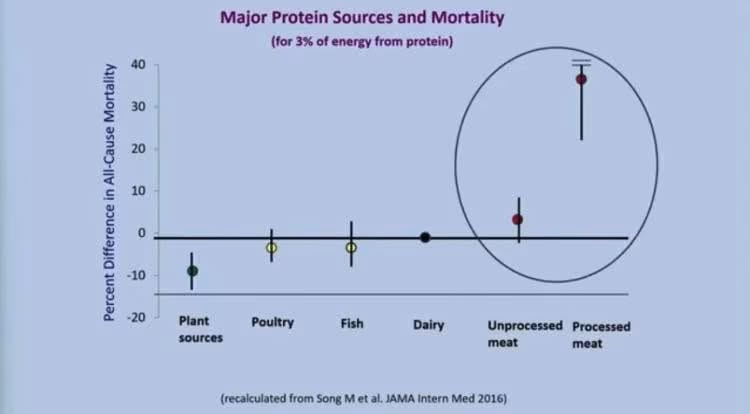
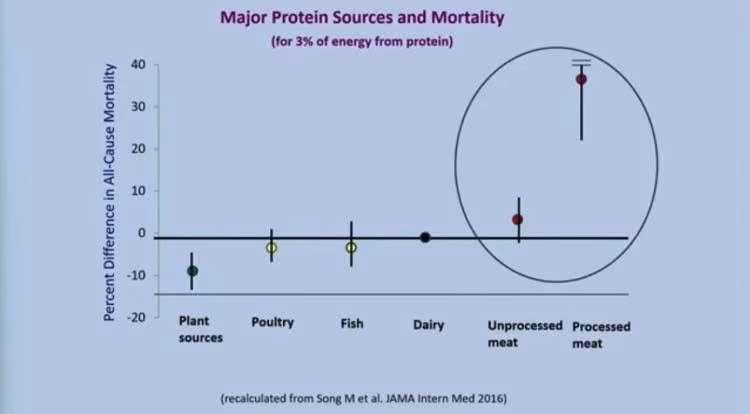
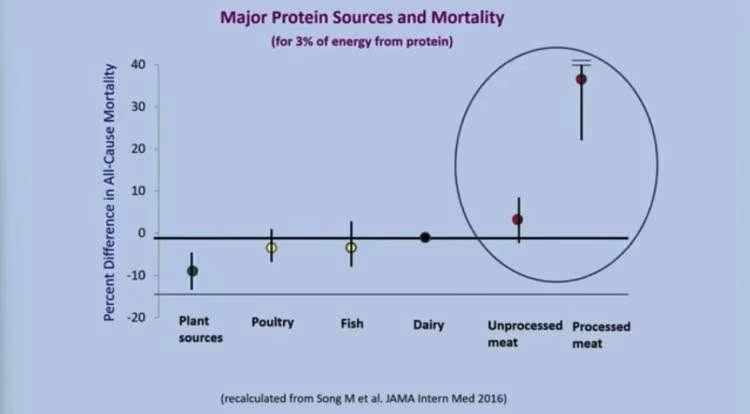
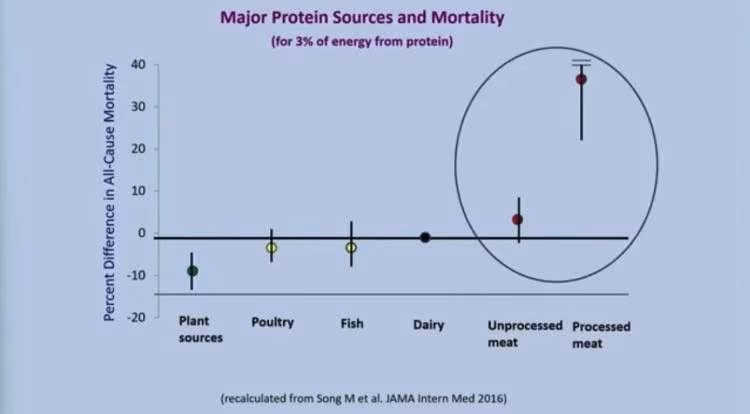
The big caveat in these epidemiological studies on cheese is that the comparison point is usually the standard American diet. In other words, when a typical basket of foods in the standard American diet is replaced by cheese, risk tends to go down.
Given that the standard American diet derives 40% of calories from refined sugar/starch and that much of the rest comes from processed junk, you need to take this result in context.
↪ Willett: refined starch and sugar (~40% of US calories) drive heart disease and diabetes
The correct way to interpret this research is to say that replacing refined starch/sugar and ultra processed foods by cheese probably lowers risk. A serving of minimally processed cheese is probably a better choice than a bagel made with white flour or a pop tart.
If you do choose to eat cheese, the best choices are the ones that were fermented in the process of making the cheese (most are made this way). It is even better if they still contain live bacteria like yogurt. Many cheeses do still contain live bacteria, especially the fancier artisan ones. The cheeses that contain the most live bacteria tend to be the ones that are least processed.
Quoted from the HSPH website:
“However, there is ongoing debate about the impact of cheese on health. Though the U.S. Dietary Guidelines recommend choosing low-fat dairy (milk, yogurt, and cheese) to prevent cardiovascular disease (CVD), some reports suggest that full-fat dairy may lower risk of CVD and type 2 diabetes. [1] It is suggested in these studies that perhaps specific nutrients in cheese may be protective for the heart, like calcium and conjugated linoleic acid, and that the types of saturated fatty acids in cheese have a different effect on the heart than other types such as that in red meat. During the processing of some cheeses, bacteria are added during the fermentation stage, which may alter its effects on blood cholesterol. However, this is a fairly new theory with early evidence arising mainly from certain cheeses manufactured with probiotics.”
“In a study of 84,010 women and 43,150 men followed for 26 and 22 years, respectively, replacing one serving of red meat daily with a serving of low-fat dairy, including cheese, was associated with an 11% lower risk of stroke. Replacing red meat with high-fat dairy was associated with a 10% reduced risk. [2]
A meta-analysis including 15 prospective studies found a modestly lower stroke risk in those with the highest intakes of cheese. However, categorizing participants’ cheese intake was difficult due to being highly variable among populations; for example a “high” intake of cheese in one group may have been classified as low in another group. [3]
A systematic review looked at the effects of dairy consumption on metabolic syndrome, a cluster of conditions (excess abdominal fat, high blood pressure, high triglycerides, low HDL cholesterol) that places one at almost double the risk of developing cardiovascular disease and five times the risk of developing type 2 diabetes. Out of 13 cross-sectional and prospective cohort studies, seven studies found a protective effect of dairy foods (including cheese) from metabolic syndrome. The others showed mixed results of different dairy foods or no effect at all. The authors noted limitations in the studies such as a lack of detailed reporting of dairy intake and differences in serving sizes among populations. None of the studies directly compared the effects of low-fat versus high-fat dairy intakes. [4]
A study of 409,885 men and women in nine European countries found that a higher intake of cheese was associated with lower risk of ischemic heart disease. Substituting cheese specifically for red and processed meats was significantly associated with lower risk of heart disease. [5]”
“Bottom line: Although cheese is high in saturated fat and sodium, it is also rich in calcium and protein, and some fermented types contain probiotics. One can enjoy a modest amount of cheese as part of a healthful diet, but how it is eaten is key. Eating cheese with foods like refined grains (white pasta, bread, crackers, etc.) and processed meats may negate its health benefits. On the other hand, cheese may provide health benefits if consumed as a replacement for red and processed meats or eaten as a snack instead of potato chips (although nuts would still be a healthier snack option!).”
References from quotes:
- U.S. Dietary Guidelines for Americans 2015-2020. Eight Edition. 2015-2020 Dietary Guidelines | odphp.health.gov (odphp.health.gov)
- Bernstein AM, Pan A, Rexrode KM, Stampfer M, Hu FB, Mozaffarian D, Willett WC. Dietary protein sources and the risk of stroke in men and women. Stroke. 2012 Mar;43(3):637-44.
- Hu D, Huang J, Wang Y, Zhang D, Qu Y. Dairy foods and risk of stroke: a meta-analysis of prospective cohort studies. Nutrition, Metabolism and Cardiovascular Diseases. 2014 May 1;24(5):460-9. Crichton GE, Bryan J, Buckley J, Murphy KJ.
- Dairy consumption and metabolic syndrome: a systematic review of findings and methodological issues. Obesity reviews. 2011 May;12(5):e190-201.
- Key TJ, Appleby PN, Bradbury KE, Sweeting M, Wood A, Johansson I, Kühn T, Steur M, Weiderpass E, Wennberg M, Lund Würtz AM. Consumption of meat, fish, dairy products, and eggs and risk of ischemic heart disease: A prospective study of 7198 incident cases among 409 885 participants in the Pan-European EPIC Cohort. Circulation. 2019 Jun 18;139(25):2835-45.