HD-OPM Archive
Hashtags

#cheese

21 posts

NEJM 2020 dairy review: a mixed bag, best for fermented forms, weak for fractures

Jan 23, 2025 · Louis Nervegna ♥ 6 · 💬 21 Meat, eggs & dairy

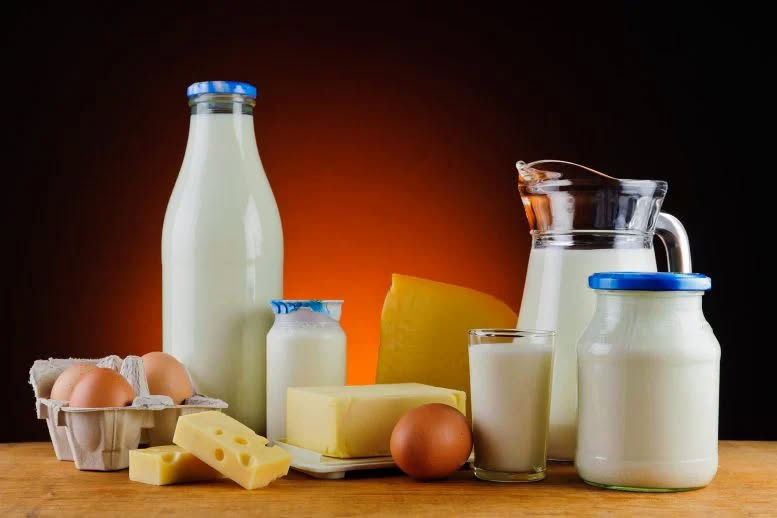
Louis highlights the widely cited 2020 NEJM review on dairy and disease risk. It concludes that high dairy intake is not supported for preventing fractures, is not clearly linked to weight, diabetes or CVD, and may raise prostate and endometrial cancer risk while lowering colorectal cancer risk. Effects depend on the comparison food: dairy fares better than processed red meat or sugary drinks but worse than nuts.

Frailty in older adults is not a protein-deficiency disease, per Luigi Fontana

Dec 19, 2025 · Louis Nervegna ♥ 14 · 💬 9 Protein

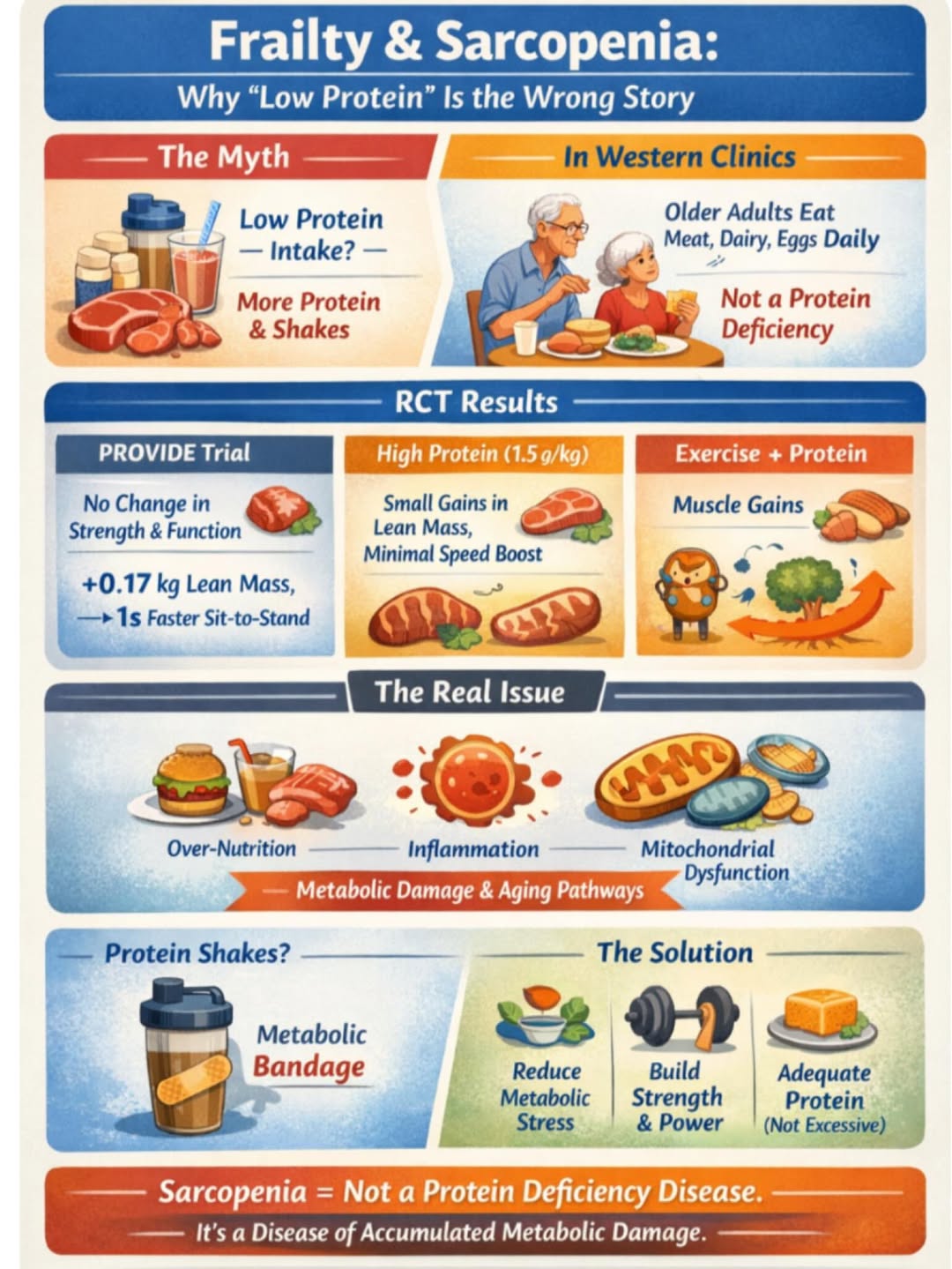
Louis shares Luigi Fontana's argument that frailty and sarcopenia in Western older adults reflect decades of overnutrition and inactivity, not low protein. The post cites randomized trials in which protein supplements gave small or no functional gains, while resistance exercise produced the functional benefit.

Replace saturated fat with unsaturated fats; yogurt and cheese may be exceptions

Dec 10, 2025 · Louis Nervegna ♥ 19 · 💬 9 Fats & oils (saturated fat, seed oils, omega-6, olive oil)

Louis links a New York Times piece on whether saturated fat is actually good for you, after Robert F. Kennedy Jr. signaled a shift in dietary advice. His short answer is to replace saturated fat with unsaturated fats from olive oil, nuts, seeds and avocados, noting fermented dairy may blunt saturated fat's effects but this is still debated.

Butter and cheese affect LDL differently despite similar saturated fat: the food matrix

Sep 02, 2026 · Louis Nervegna ♥ 11 · 💬 7 Meat, eggs & dairy

Louis highlights that butter and cheese contain similar saturated fat but affect LDL differently because of food matrix. Churning strips the natural milk-fat wrapper, while in cheese fat stays in a protein mesh, with calcium and fermentation also possibly modifying effects. The shared clip adds that cheese is no free pass given its calories and salt.

Spermidine linked to lower mortality and cognitive decline, and longer lifespan in animals

Mar 16, 2024 · Gokhan Can ♥ 12 · 💬 4 Supplements & vitamins

Summarizes studies on spermidine, an autophagy-inducing polyamine: higher dietary intake is associated with lower all-cause mortality and cognitive decline in humans, and it extends lifespan in animal models. Natto, wheat germ, mushrooms, soy products and aged cheese are rich sources, and supplementation appears well tolerated in older adults.

Butter raises LDL and offers no CVD protection; look at the totality of evidence

Sep 30, 2025 · Louis Nervegna ♥ 11 · 💬 2 Fats & oils (saturated fat, seed oils, omega-6, olive oil)

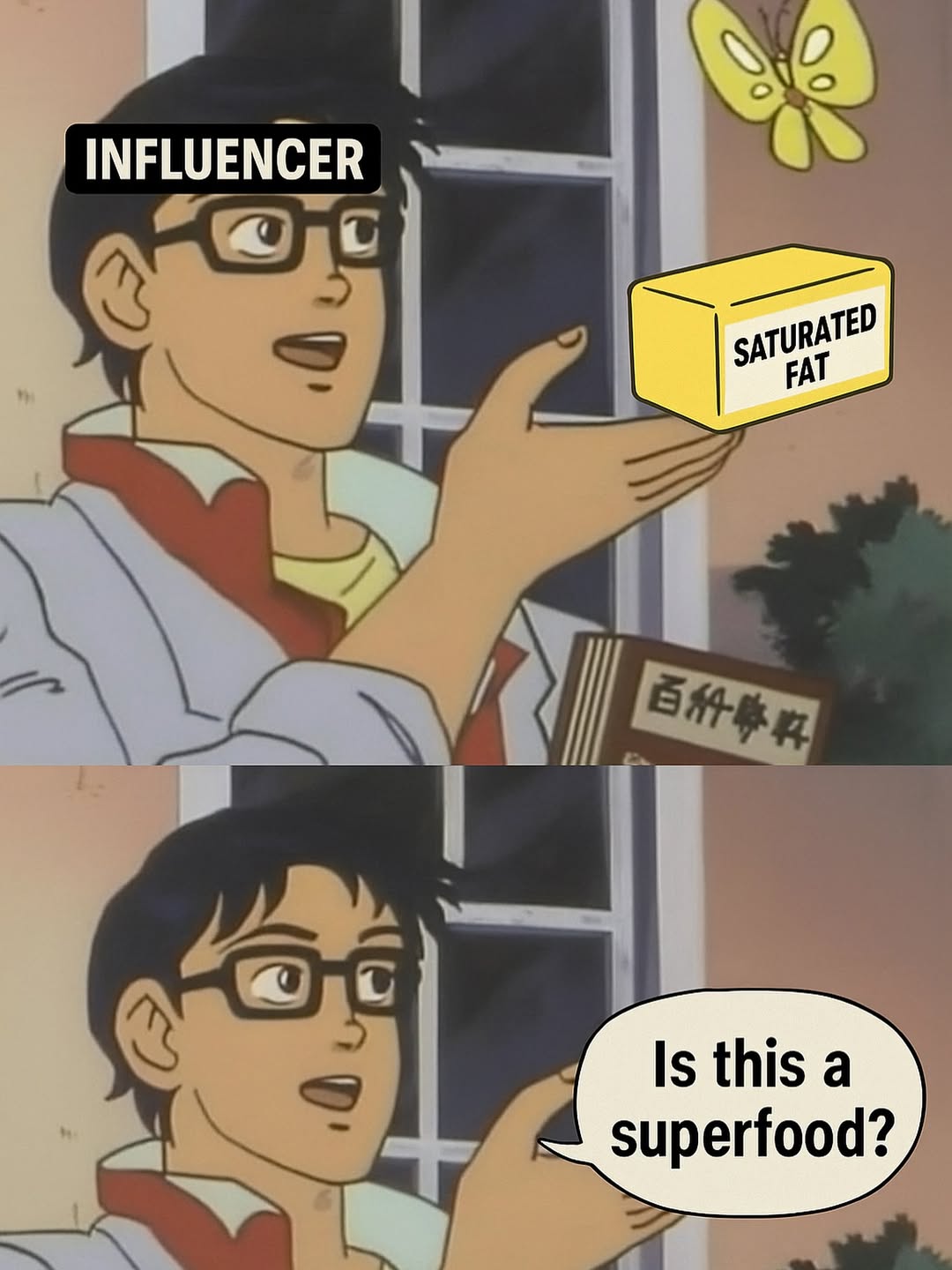
Responding to claims that butter is a superfood, the shared post says the butter literature shows neutral to slightly higher all-cause mortality and no CVD protection, and that butter's saturated fat reliably raises LDL-C in controlled feeding trials. Louis adds that conclusions should come from the totality of evidence rather than cherry-picked studies.

Protein type matters more than amount: processed meat worst, plant protein most protective

Jun 05, 2026 · Louis Nervegna ♥ 4 Protein

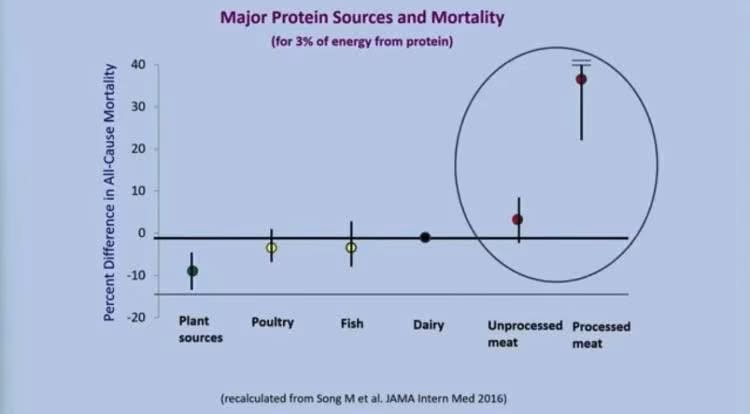
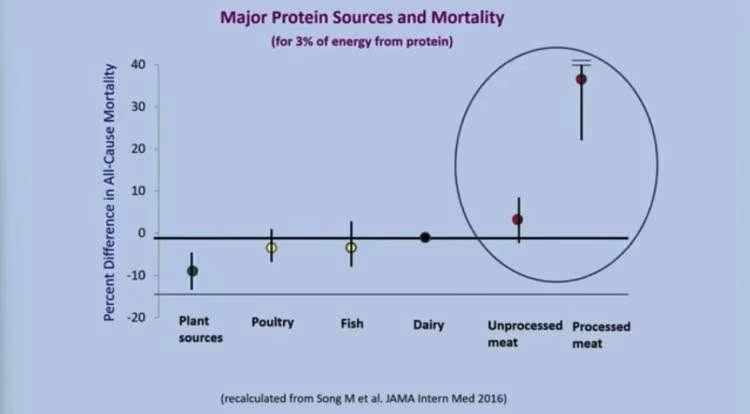
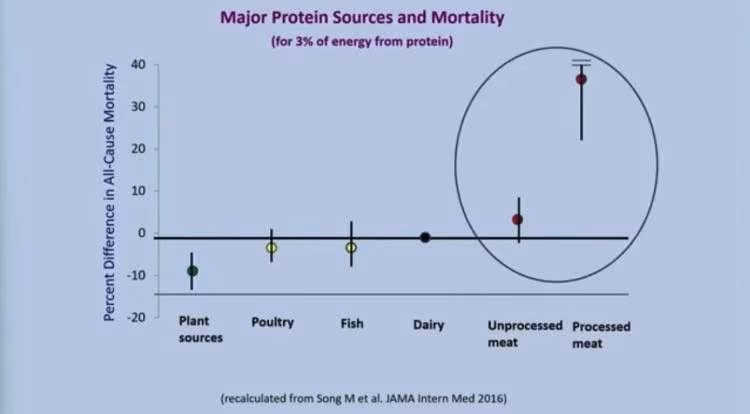
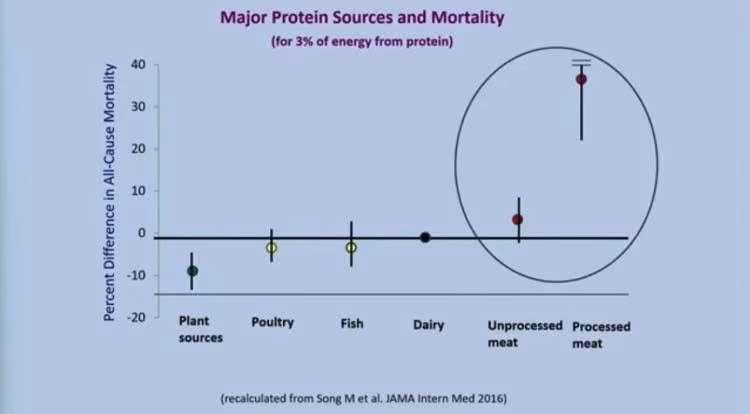
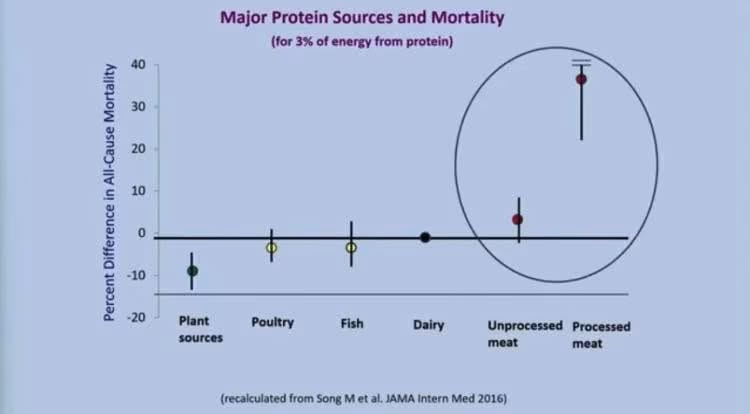
Louis reshares his summary of protein intake and mortality in nearly 300,000 people followed over 30 years in the Nurses' Health Studies and Health Professionals Follow-up Study. Plant protein was protective, fish and poultry slightly so, dairy and eggs neutral, while unprocessed red meat modestly and processed meat very strongly raised mortality.

Full-fat cheese raises LDL less than butter, possibly due to the cheese matrix

Oct 29, 2026 · Louis Nervegna ♥ 4 Meat, eggs & dairy

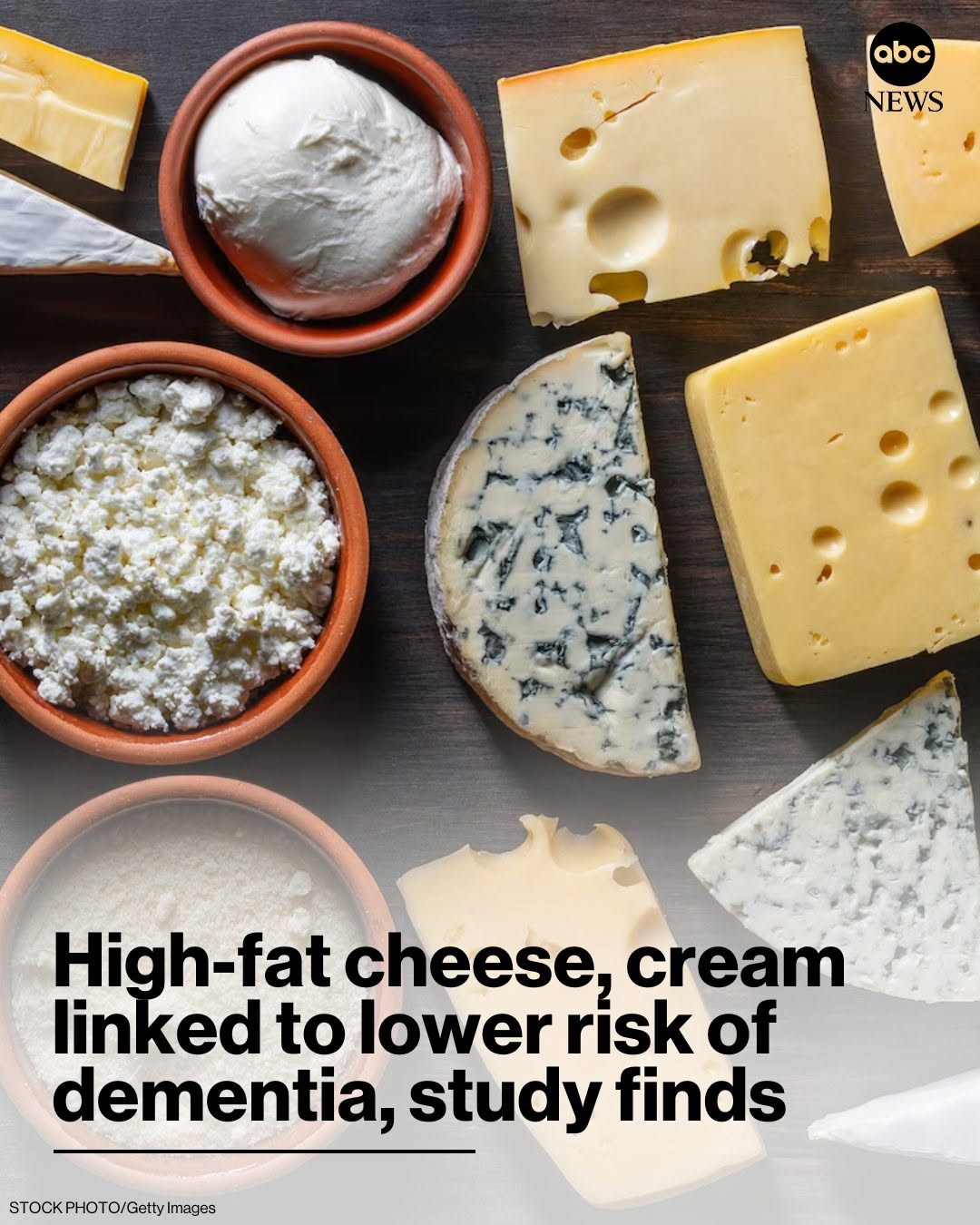
Louis shares a summary suggesting full-fat cheese affects LDL less than butter or cream despite similar saturated fat. In a randomized trial full-fat cheese lowered LDL more than reduced-fat cheese supplemented with butter, and another study found cheese eaters excreted more fat in stool than butter eaters. Results are not perfectly consistent and benefits may level off around 50 g/day.