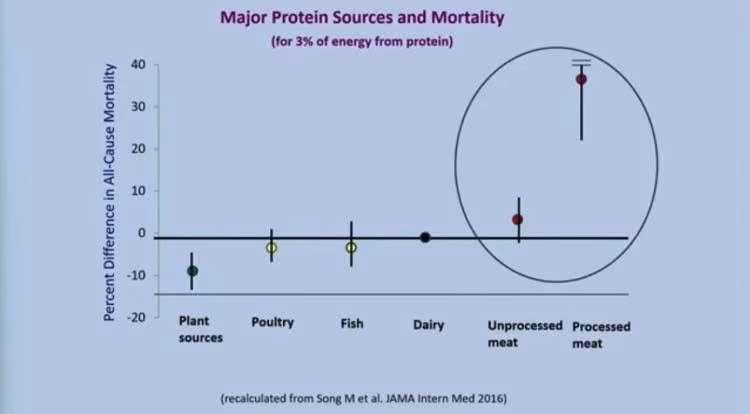
This is the most widely cited review article (NEJM 2020) in medical publications on the topic of dairy and disease risk.

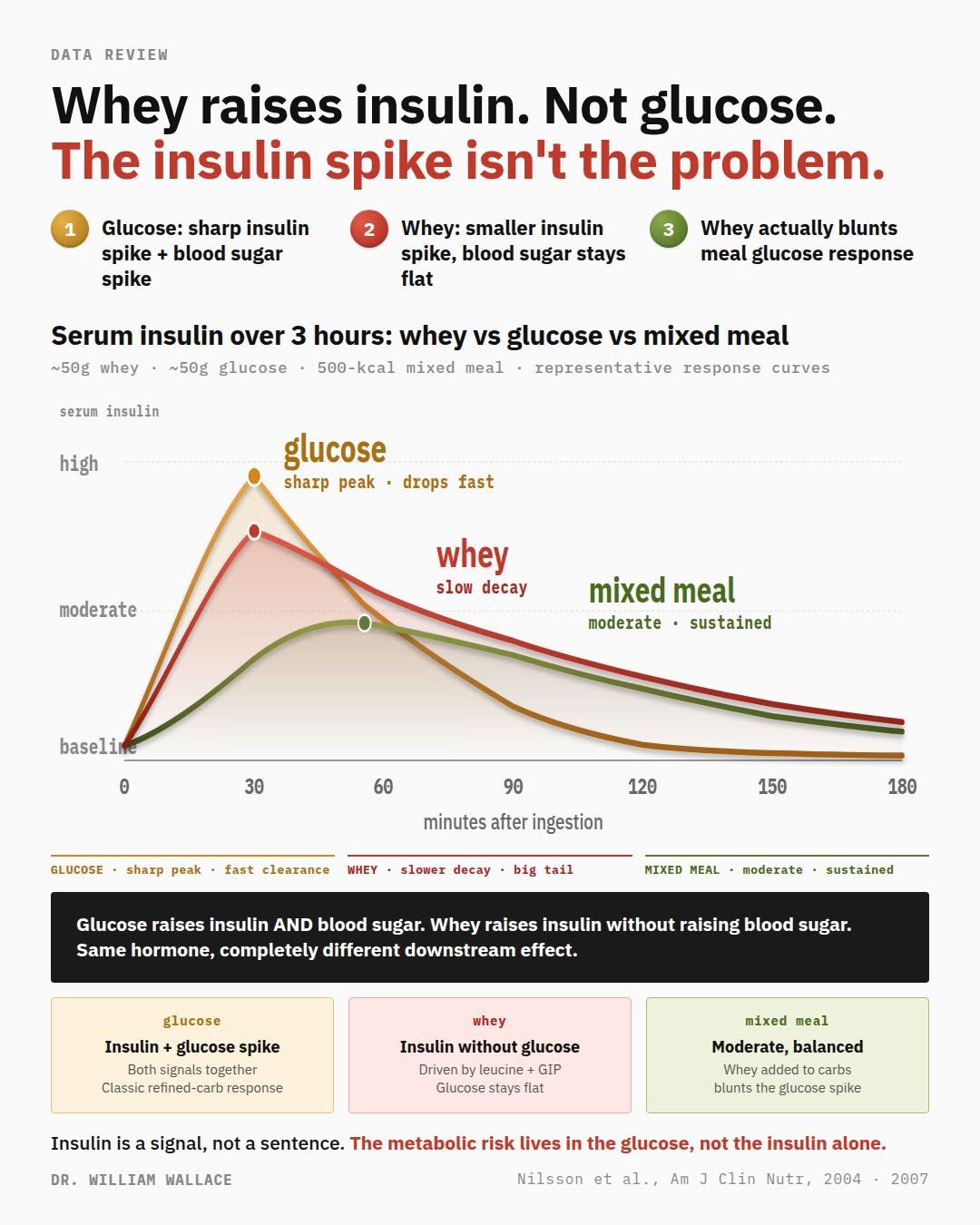
The conclusion is that dairy is a mixed bag. There are benefits, particularly for fermented forms like yogurt and maybe cheese, but also risks.
scribd.comLink to scribd.comscribd.comQuoted from the Conclusion:
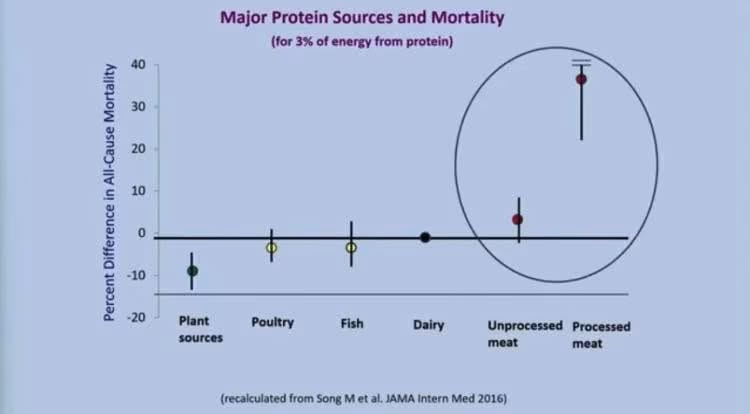
“For adults, the overall evidence does not support high dairy consumption for reduction of fractures, which has been a primary justification for current U.S. recommendations. Moreover, total dairy consumption has not been clearly related to weight control or to risks of diabetes and cardiovascular disease. High consumption of dairy foods is likely to increase the risks of prostate cancer and possibly endometrial cancer but reduce the risk of colorectal cancer. It is important to note that the reported health effects of dairy foods depend strongly on the specific foods or beverages to which they are compared; for many outcomes, dairy foods compare favorably with processed red meat or sugar-sweetened beverages but less favorably with plant-protein sources such as nuts.”
#dairyHD #willettHD #milkHD #yogurtHD #cheeseHD #wheyHD #harvardHD #osteoporosisHD #weightlossHD #diabetesHD #cvdHD #prostatecancerHD #endometrialcancerHD #coloncancerHD #cancerHD #nejmHD