HD-OPM Archive
Hashtags

#glycemiccontrol

9 posts

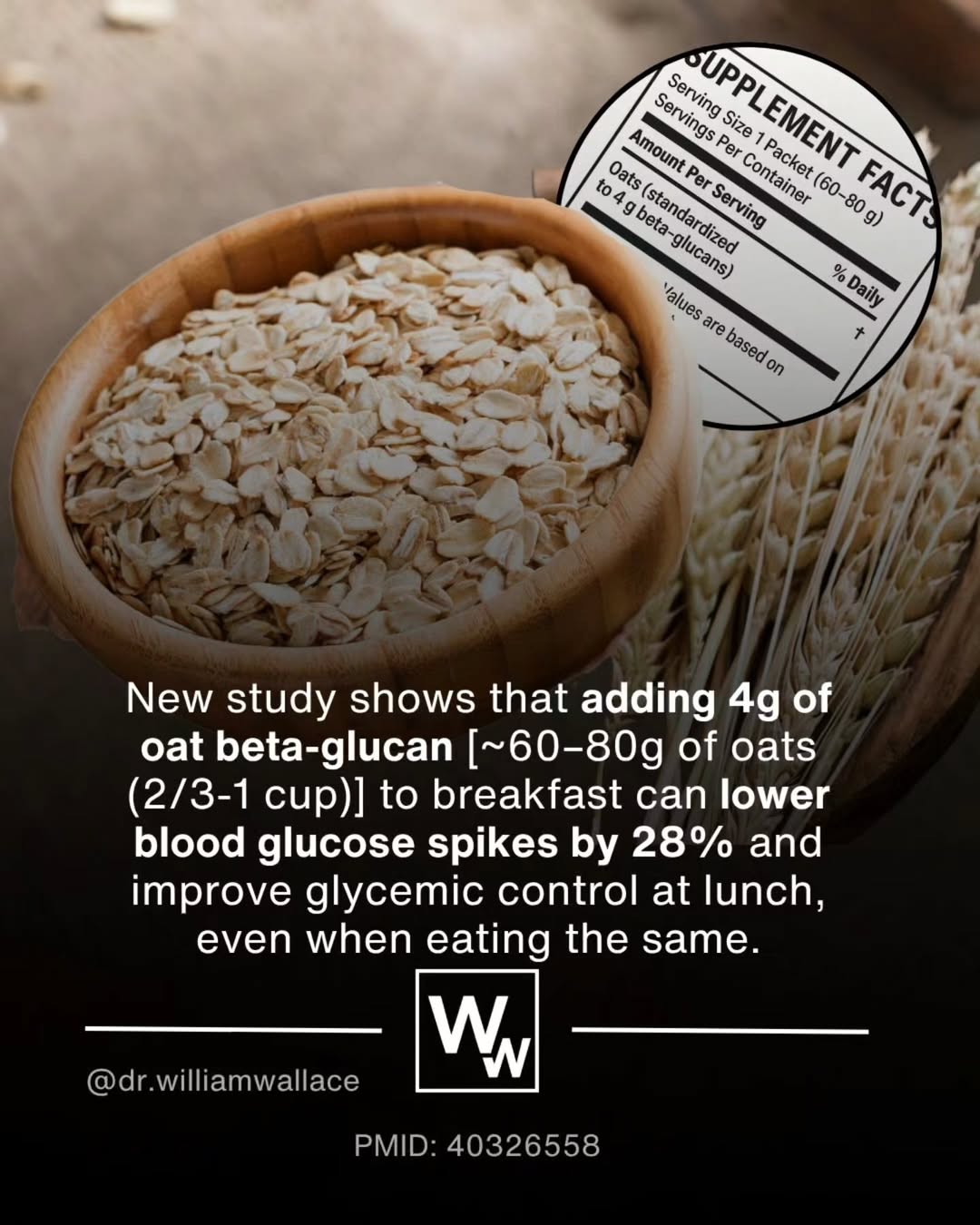
Oat beta-glucan (4 g) cut breakfast glucose peaks 28% and lunch response 24% in small RCT

May 14, 2025 · Louis Nervegna ♥ 30 · 💬 50 ↩ 2 Carbs, fiber, sugar & whole grains

Louis says slow-cooked steel-cut oats are among the heart-healthiest foods and rejects influencer claims that oats are 'the same as eating sugar'. The shared post summarizes a small RCT in 19 healthy adults where oat beta-glucan blunted glucose and insulin responses and carried over to the next meal. About 3/4 to 1 cup of oats supplies ~4 g beta-glucan.

Medical schools push back on seed-oil myths; pooled cohorts link omega-6 to lower risk

Jun 18, 2025 · Louis Nervegna ♥ 12 · 💬 26 Fats & oils (saturated fat, seed oils, omega-6, olive oil)

Louis says major medical and public health schools are countering influencer claims about seed oils. He notes a 2019 pooled analysis of 30 prospective cohorts found higher blood omega-6 (linoleic acid) predicted lower risk of heart disease and diabetes over 2.5 to 30 years, and points to earlier group posts.

Higher blood linoleic acid predicts lower CVD risk in 68,000-person pooled analysis

Jul 18, 2025 · Louis Nervegna ♥ 6 · 💬 7 Fats & oils (saturated fat, seed oils, omega-6, olive oil)

Louis shares a Johns Hopkins piece citing the 2019 Marklund pooled analysis of over 68,000 participants in 30 cohorts across 13 countries. People with the highest blood linoleic acid had lower CVD risk, especially for CV mortality and stroke; controlled trials also show LA lowers LDL and may improve glucose metabolism. The association is observational, which the author notes.

Swapping saturated fat for polyunsaturated seed oils cut CVD events 29% in strict RCTs

Louis states adipose omega-6 is linked to lower mortality in cohorts, and that RCTs meeting strict criteria (no trans fats, supplied food, 2+ years, biomarker-verified adherence, validated events) show a 29% reduction in heart disease events from replacing saturated fat with polyunsaturated fat. He explains why the Minnesota Coronary Experiment, Sydney Heart Study and Rose Corn Oil Trial fail those criteria.