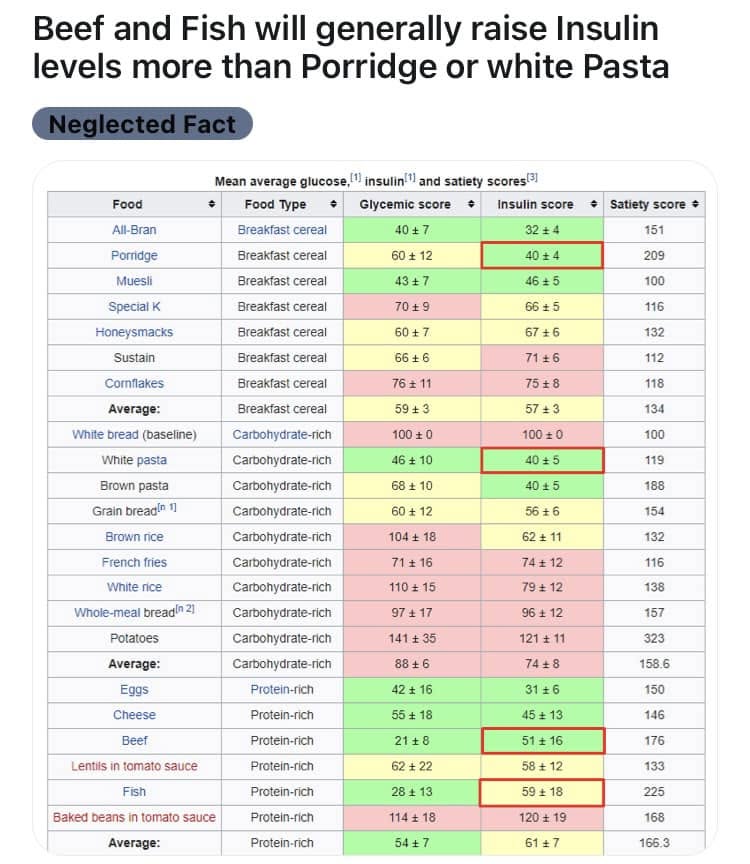
Slow-cook steel-cut oats is one of the heart-healthiest foods that you can eat.
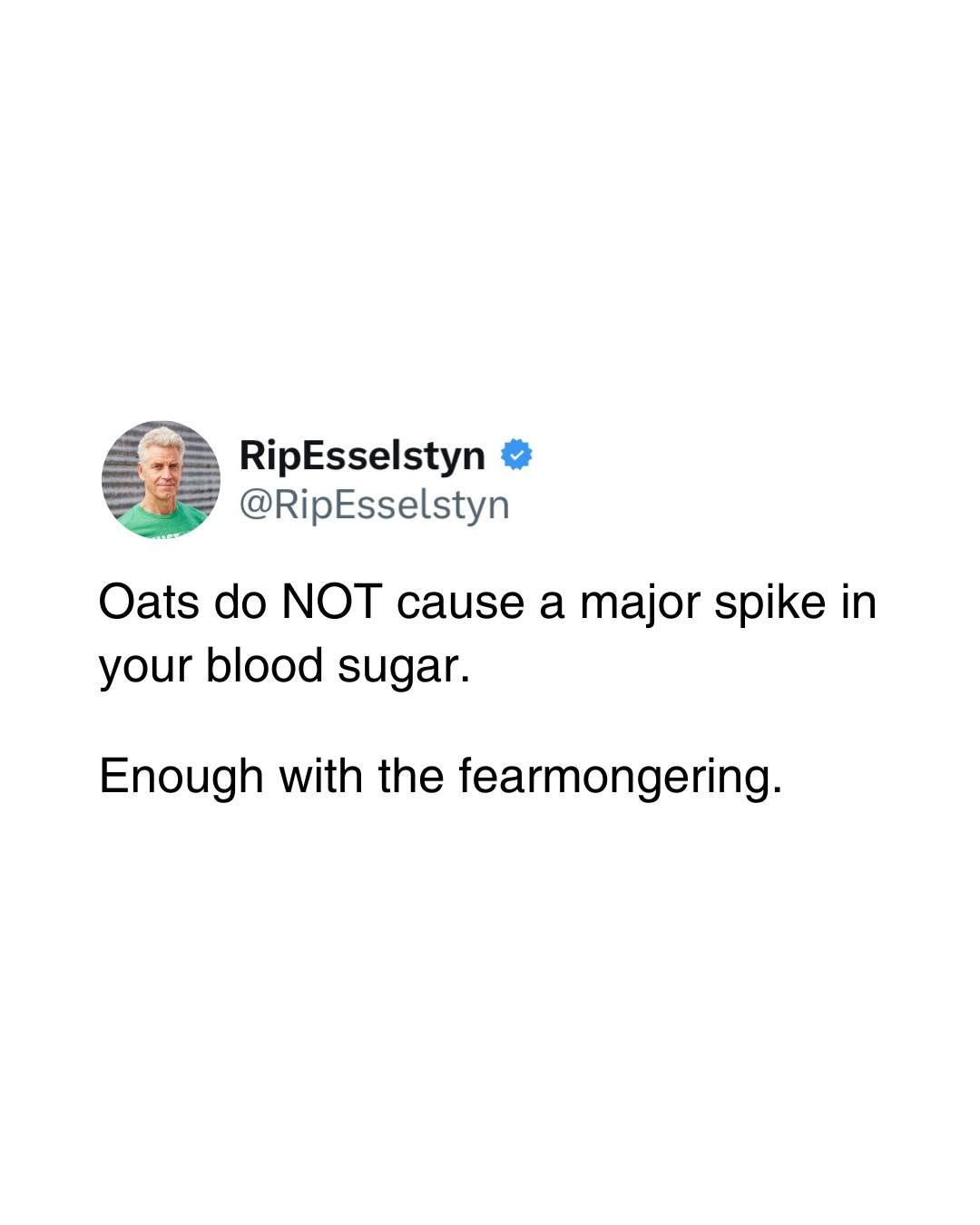
We live in a world of fantasy and make believe where influencers with hundreds of thousands of followers can get away with claiming that it is “the same as eating sugar”. That claim is laughable.
#oatmealHD #glucoseHD #insulinHD #betaglucanHD #glycemiccontrolHD #satietyHD
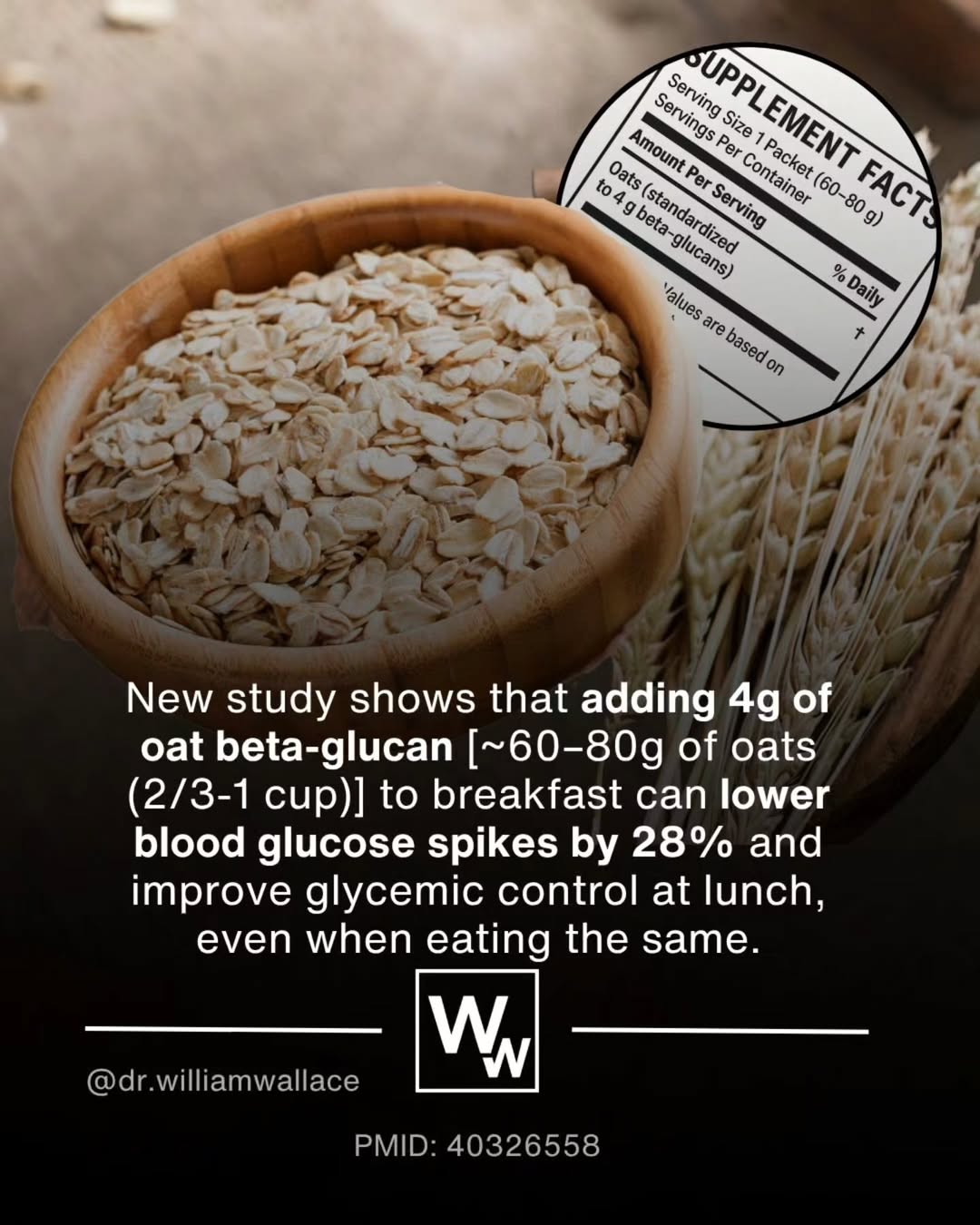
A single breakfast with oat [powder (containing beta-glucan)] has been shown flatten blood sugar spikes by 28%, and even improve glycemic response to lunch. And you don’t need a supplement to get it: ~¾-1 cup of oats can deliver 4g of beta-glucan (enough to shift your glycemic curve for the day).
A recent RCT (PMID: 40326558) published in Food and Function studied 19 healthy adults who consumed breakfast drinks with 0g, 2g, 3g, or 4g of oat beta-glucan , each paired with 30g of glucose. A standardized lunch followed 3.5 hours later to assess “second meal” effects.
What happened:
🔹 4g oat beta glucan cut breakfast glucose peaks by 28%.
🔹 Lunch glucose response dropped 24%, even though the lunch stayed the same.
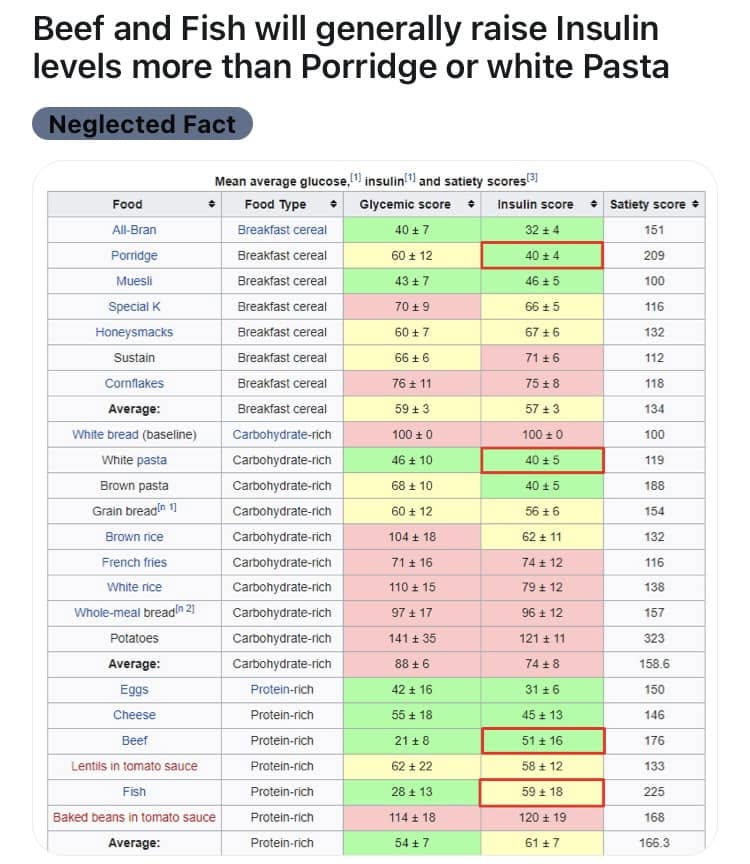
🔹 Insulin demands were significantly lower with all beta glucan doses
🔹 Hunger dropped and satiety rose (up to +49%) with 4g oat beta glucan.
Oat beta-glucan forms a viscous gel in the gut that slows gastric emptying, blunts glucose absorption, and reduces insulin demand. This creates a carry-over effect - i.e., flattening glucose and insulin curves into the next meal.
Limitations:
🔸 Small sample size.
🔸 Short-term, single-day exposure.
🔸 Liquid test format.
🔸 All participants were healthy and young (not obvious if those with diabetes or similar ailments would respond to the same extent).