HD-OPM Archive
Topics › LDL, ApoB & lipid panel

NLA consensus: apoB testing most useful for borderline-risk and on-statin decisions

Louis Nervegna · Jul 10, 2025 · ♥ 11 reactions · 1 comments · original Facebook post
LDL, ApoB & lipid panelGuidelines, policy & public health
↻ This is a repost. The main version (highest ranked) is NLA consensus: apoB testing helps when LDL-C and risk are discordant · Oct 15, 2024.
AI summary & key facts

Shared summary of the National Lipid Association's Expert Clinical Consensus on apoB testing. ApoB tracks atherogenic particles and can predict outcomes better than LDL-C when the two diverge, especially after statins; routine testing is not required for everyone.

#guidelinesHD #apobHD #ldlHD #ldlcHD

Research cited

Shared from Gokhan Can · original post

ApoB Testing in Lipid Management: New Guidelines Clarify Role and Importance

The article discusses new guidelines for apolipoprotein B (apoB) testing in lipid management, as outlined by the National Lipid Association's Expert Clinical Consensus. ApoB is a protein found on all atherogenic lipoproteins and is considered a more accurate predictor of cardiovascular risk than LDL cholesterol (LDL-C) alone. While apoB and LDL-C levels often correlate, they can diverge in some individuals, particularly after statin treatment. In such cases, apoB remains a better indicator of cardiovascular outcomes, potentially leading to more accurate risk assessment and treatment decisions.

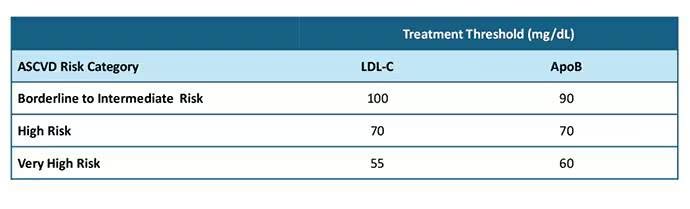
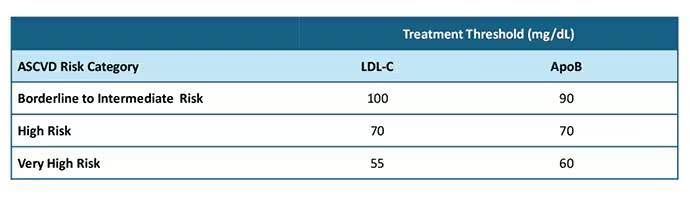
The consensus statement suggests that apoB testing may be particularly useful in two scenarios: for patients with borderline cardiovascular disease risk who are deciding whether to start statin therapy, and for those already on statins who are considering treatment intensification. The guidelines provide specific apoB treatment thresholds that correspond to established LDL-C goals. However, the statement emphasizes that routine apoB measurement is not necessary for all patients and remains a matter of clinical judgment. It may be most beneficial for individuals with conditions such as hypertriglyceridemia, diabetes, visceral adiposity, insulin resistance, metabolic syndrome, low HDL-C, or very low LDL-C levels.

MedscapeHeard of ApoB Testing? New GuidelinesDr Neil Skolnik highlights the key points for primary care clinicians from a new consensus statement on apolipoprotein B testing.medscape.comNo photo description available.
← newer: Exercise, including HIIT, can reduce coronary plaque burden older: Shared summary of key clinical facts about metformin (conten →