HD-OPM Archive
Hashtags

#ldl

102 posts

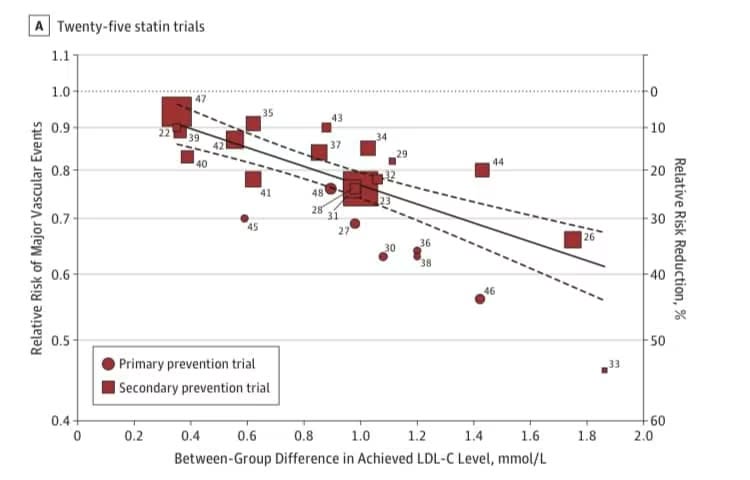
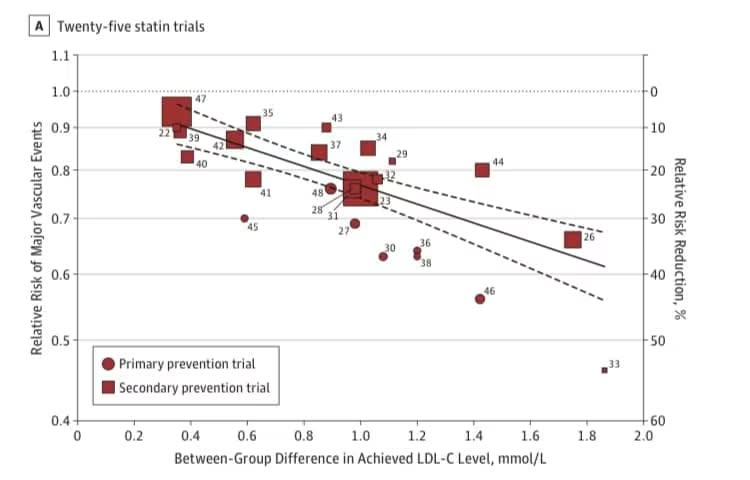
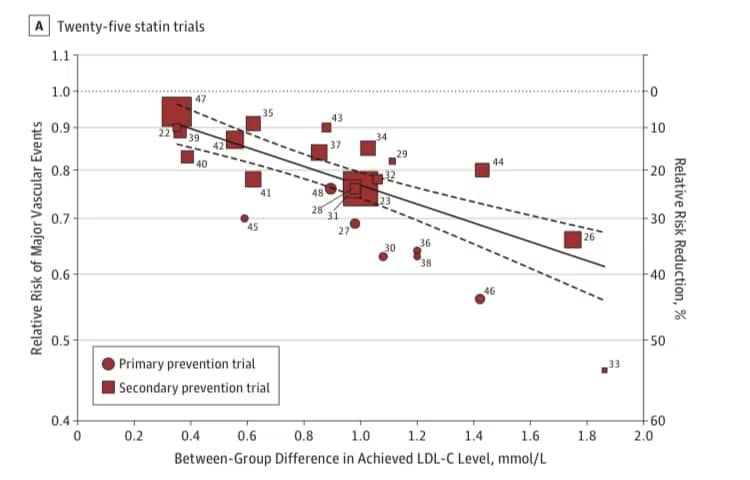
25 statin trials: about 40% fewer heart attacks and strokes per 75 mg/dL LDL drop

Mar 23, 2025 · Louis Nervegna ♥ 37 · 💬 35 Statins

Louis shares a graph of all 25 statin RCTs up to 2016 (excluding those under 6 months or under 50 events), showing about 40% lower MACE per 75 mg/dL LDL reduction, with larger effects in the 7 primary prevention trials. In his own comments he argues calcified plaque is the stable endpoint of soft plaque, and that statins and exercise help by preventing new soft plaque, regressing it and stabilizing the remainder through calcification.

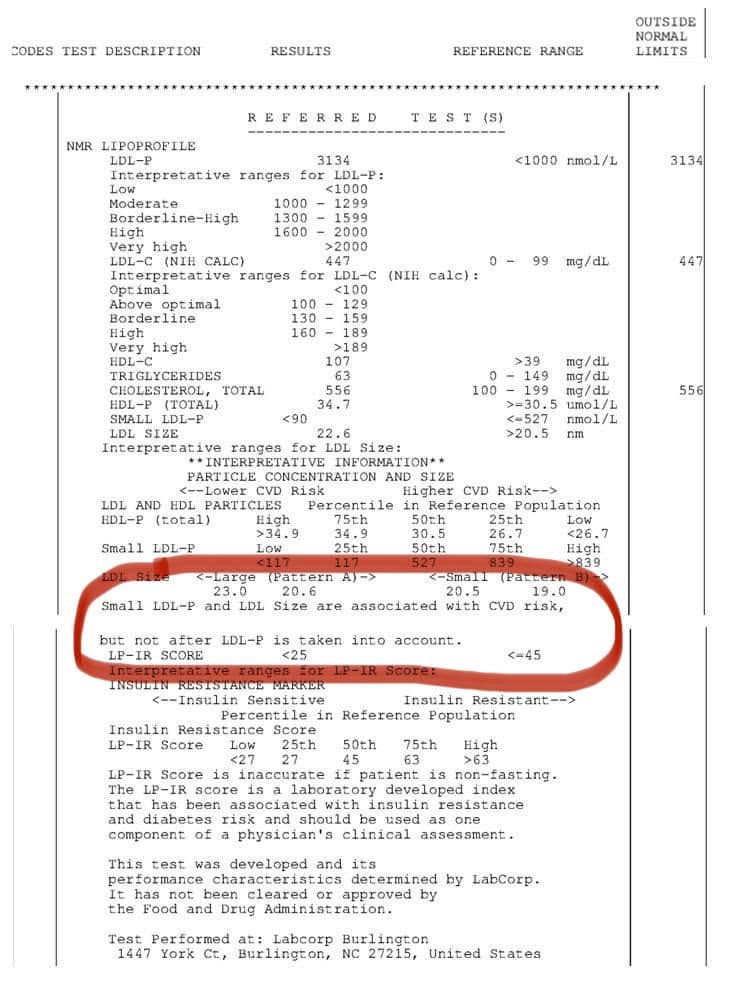
Lp(a) carries LDL cholesterol, so LDL-C on a lab report includes Lp(a) cholesterol

Jun 14, 2025 · Louis Nervegna ♥ 25 · 💬 49 ↩ 3 Lp(a)

Louis explains with a boats-and-cargo analogy that Lp(a) particles carry LDL cholesterol just as LDL particles do, so LDL-C counts cholesterol from both. In people with very high Lp(a), a significant part of reported LDL-C actually comes from Lp(a). He adds that Lp(a) seems dangerous partly because it deposits LDL cholesterol into artery walls.

Lp(a) carries LDL cholesterol, so lab LDL-C includes cholesterol from Lp(a) particles

Oct 10, 2025 · Louis Nervegna ♥ 37 · 💬 23 Lp(a)

Louis explains that Lp(a) particles are 'boats' carrying the same LDL cholesterol 'cargo' as LDL particles, so a lab LDL-C value includes cholesterol carried by Lp(a); in people with very high Lp(a), a significant portion of LDL-C comes from Lp(a). Lp(a)'s sticky apo(a) protein deposits cholesterol in artery walls and is prothrombotic.

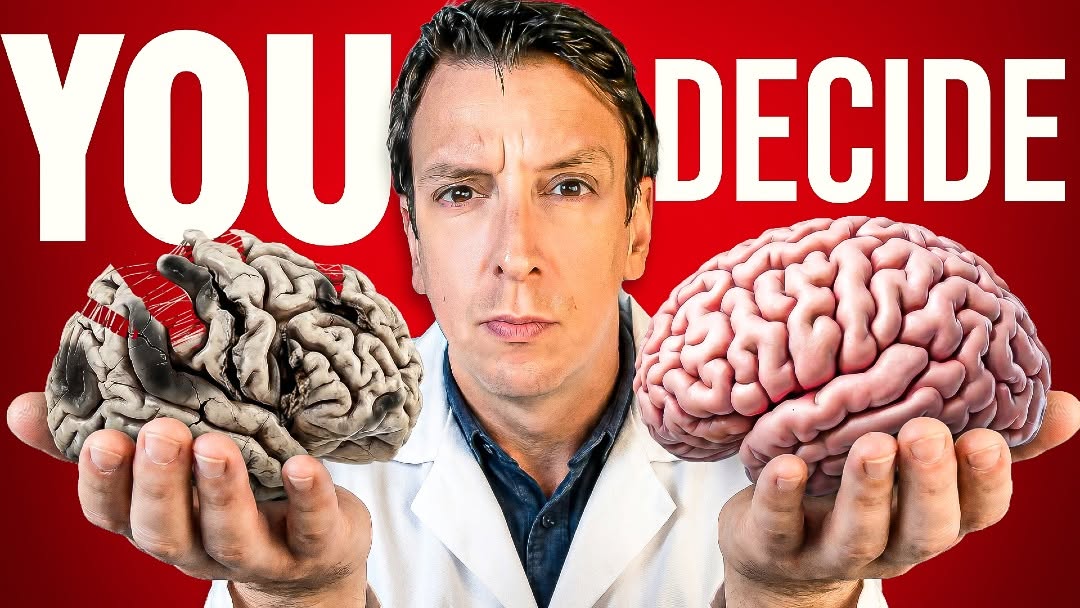
High LDL does not protect the brain: 2024 Lancet Commission lists LDL as top dementia risk

Dec 15, 2024 · Louis Nervegna ♥ 18 · 💬 38 Brain health & dementia

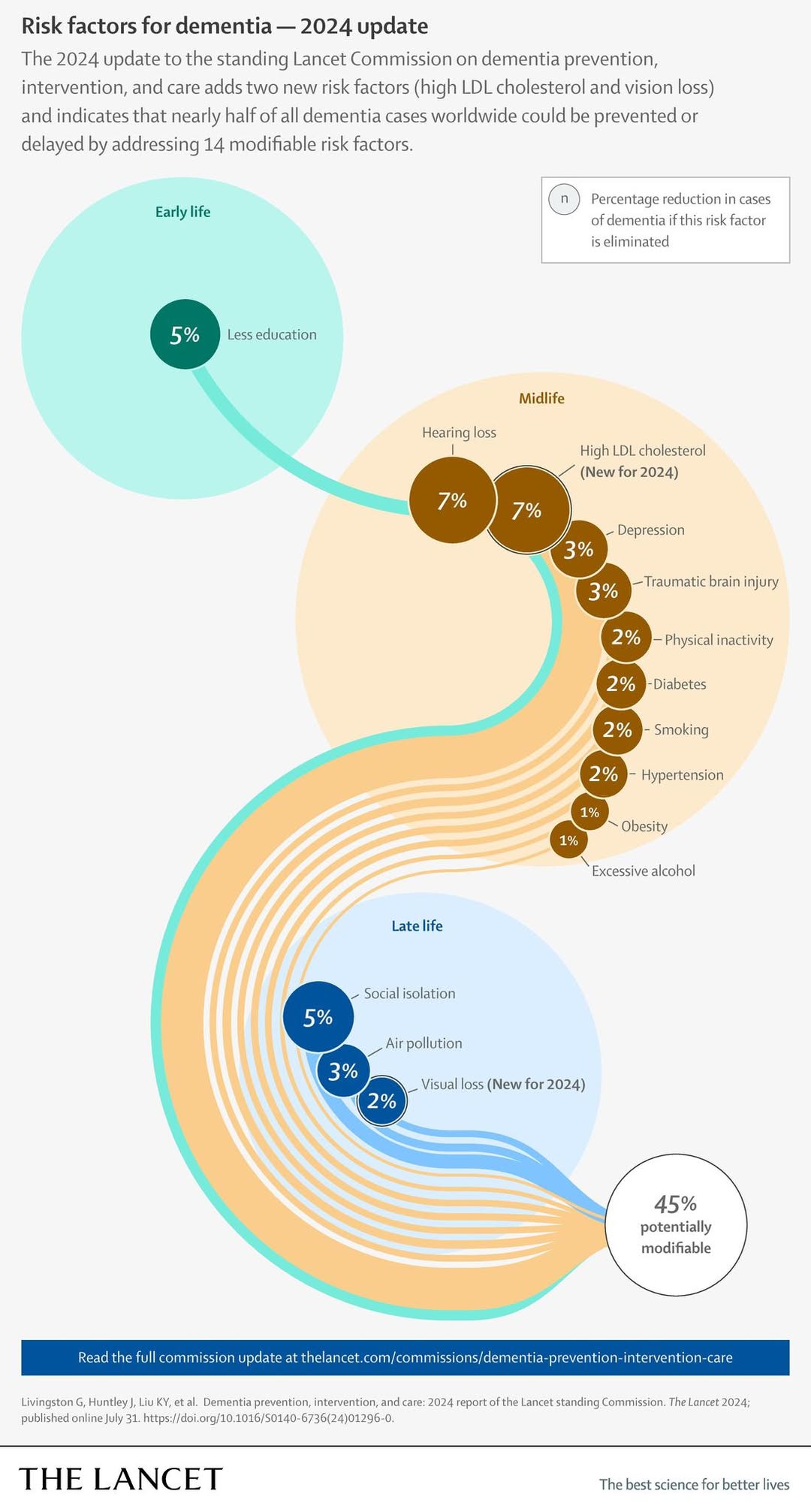
Louis counters the claim that high blood LDL protects against dementia. The 2024 Lancet Commission lists LDL cholesterol as the biggest modifiable dementia risk factor, accounting for 7% of cases among 14 factors that together account for 45%. He adds circulating cholesterol does not cross the blood-brain barrier; the brain makes its own.

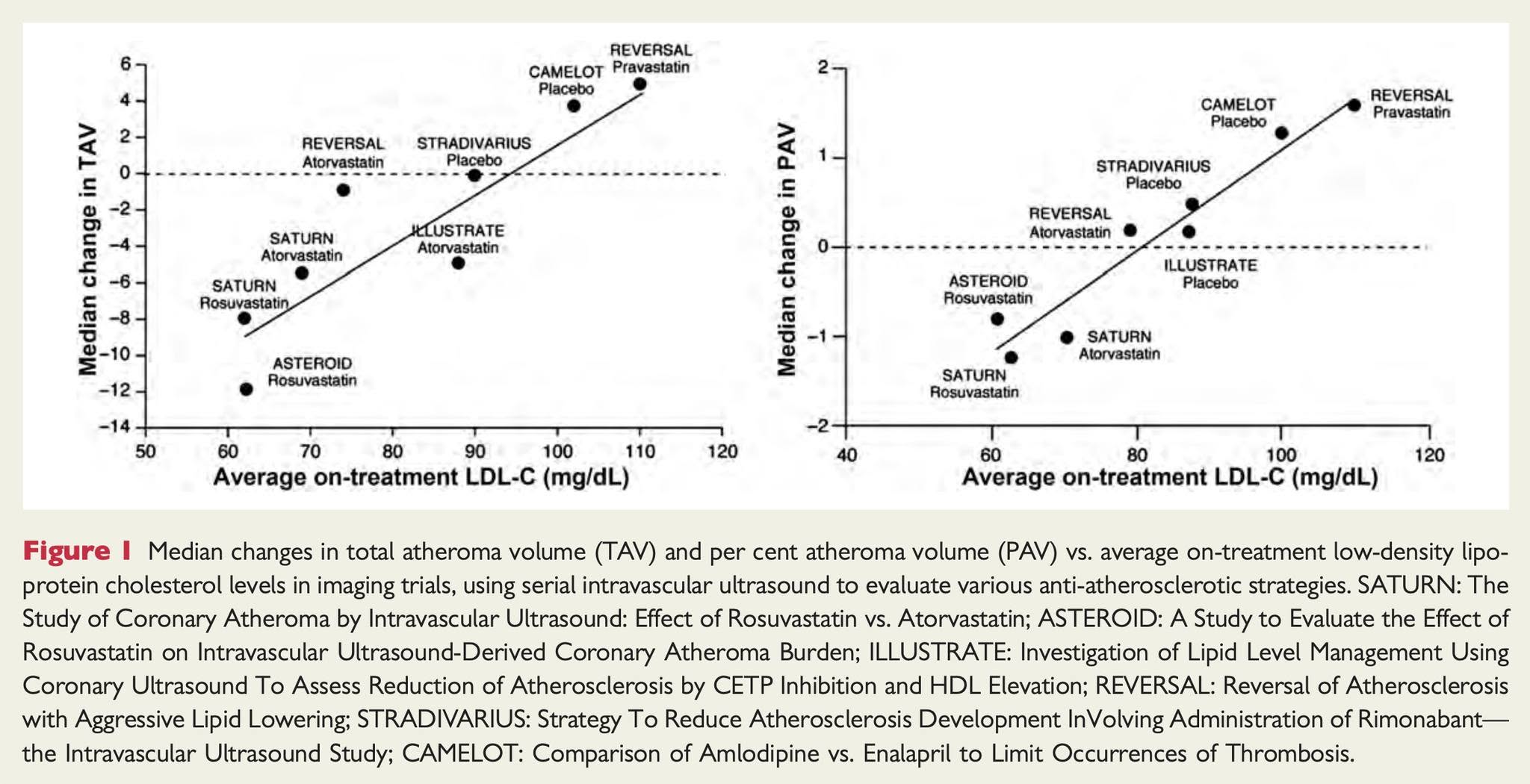
Intensive statin reversed atherosclerosis on IVUS in a 2004 Cleveland Clinic-led trial

Dec 23, 2023 · Louis Nervegna ♥ 20 · 💬 40 ↩ 12 Plaque, CAC & CT angiography

Louis shares a Cleveland Clinic video to counter the claim that statins do not reverse plaque. The 2004 trial used intravascular ultrasound (IVUS), which he calls the gold standard for plaque imaging, and showed regression with high-dose statin driving LDL-C down to about 60 mg/dL. He stresses LDL must be very low to achieve regression.

All 25 statin RCTs through 2016 show benefit: about 40% less MACE per 75 mg/dL LDL drop

May 11, 2025 · Louis Nervegna ♥ 25 · 💬 12 Statins

Louis shares a graph of every statin RCT up to 2016 that showed a significant effect on cardiovascular outcomes, excluding trials under 6 months or with under 50 events. On average, a ~75 mg/dL (1.9 mmol/L) LDL reduction cut heart attack and stroke risk about 40% vs placebo, with primary-prevention trials showing even larger reductions than secondary-prevention trials.

Insulin stimulates liver cholesterol production, linking insulin resistance to high LDL

Jun 25, 2024 · Louis Nervegna ♥ 17 · 💬 22 LDL, ApoB & lipid panel

The post explains that insulin signals the liver to make more cholesterol by keeping HMG-CoA reductase active, one reason insulin resistance and metabolic syndrome go with high cholesterol. It argues protein, especially animal protein, also raises insulin, partly offset by glucagon, and that swapping animal for plant protein lowers cholesterol beyond saturated fat and fiber effects. Much of the protein argument is the poster's inference.

Six strategies shown to regress plaque in human randomized trials

Feb 27, 2025 · Louis Nervegna ♥ 27 · 💬 10 ↩ 3 Plaque, CAC & CT angiography

Louis lists strategies with RCT evidence for plaque regression: major weight loss, a Mediterranean or DASH diet, LDL-lowering drugs, colchicine, exercise and high-dose EPA. He notes six RCTs show diet can regress plaque and that Ornish's results resembled PREDIMED and CORDIOPREV, while Esselstyn's data are not from RCTs.

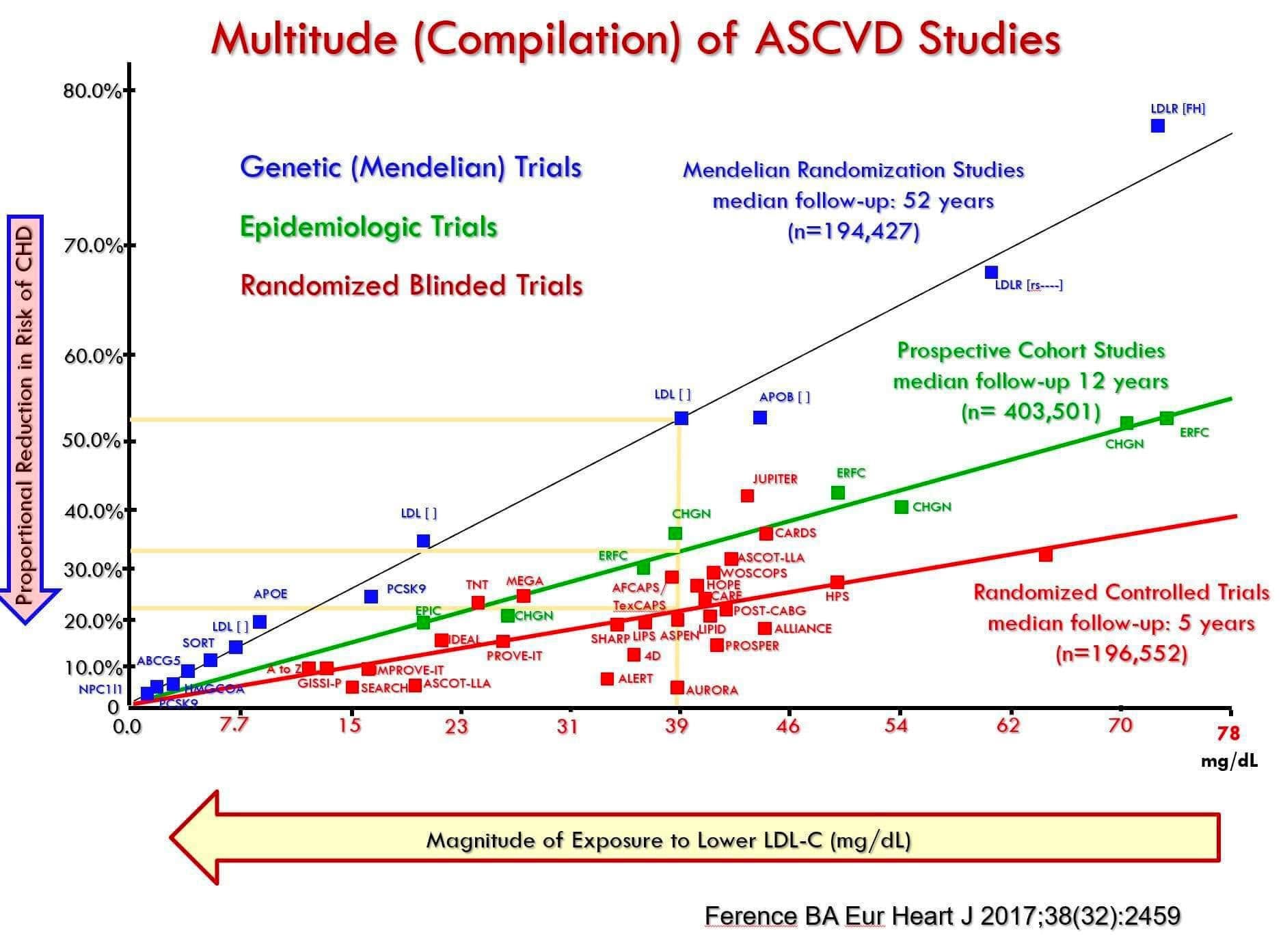
18 large RCTs plus cohort and Mendelian data show a straight-line LDL to heart attack link

Sep 06, 2024 · Louis Nervegna ♥ 15 · 💬 17 ↩ 1 LDL, ApoB & lipid panel

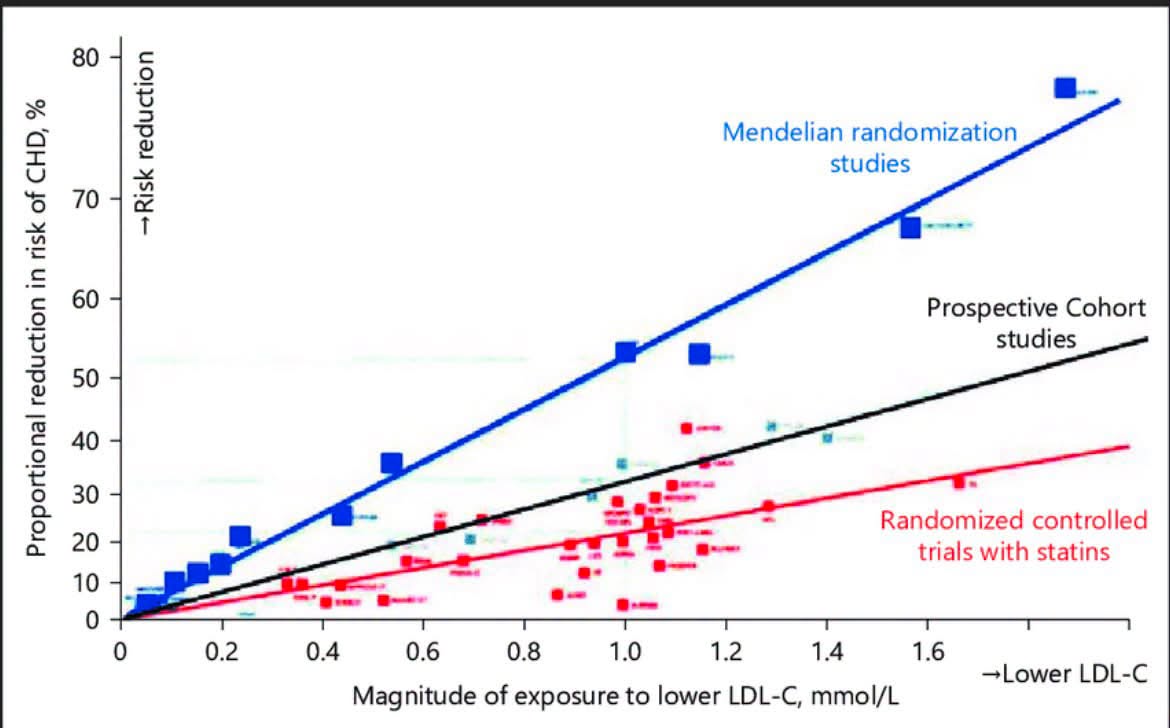
Louis presents a chart of 18 large, long-running RCTs in which lowering LDL reduced heart attack and stroke risk. Prospective cohorts (about 12 years) and Mendelian randomization studies (about 52 years) show the same linear relationship, with steeper slope the longer the exposure. The axes show change in LDL and percentage change in risk, not absolute values.
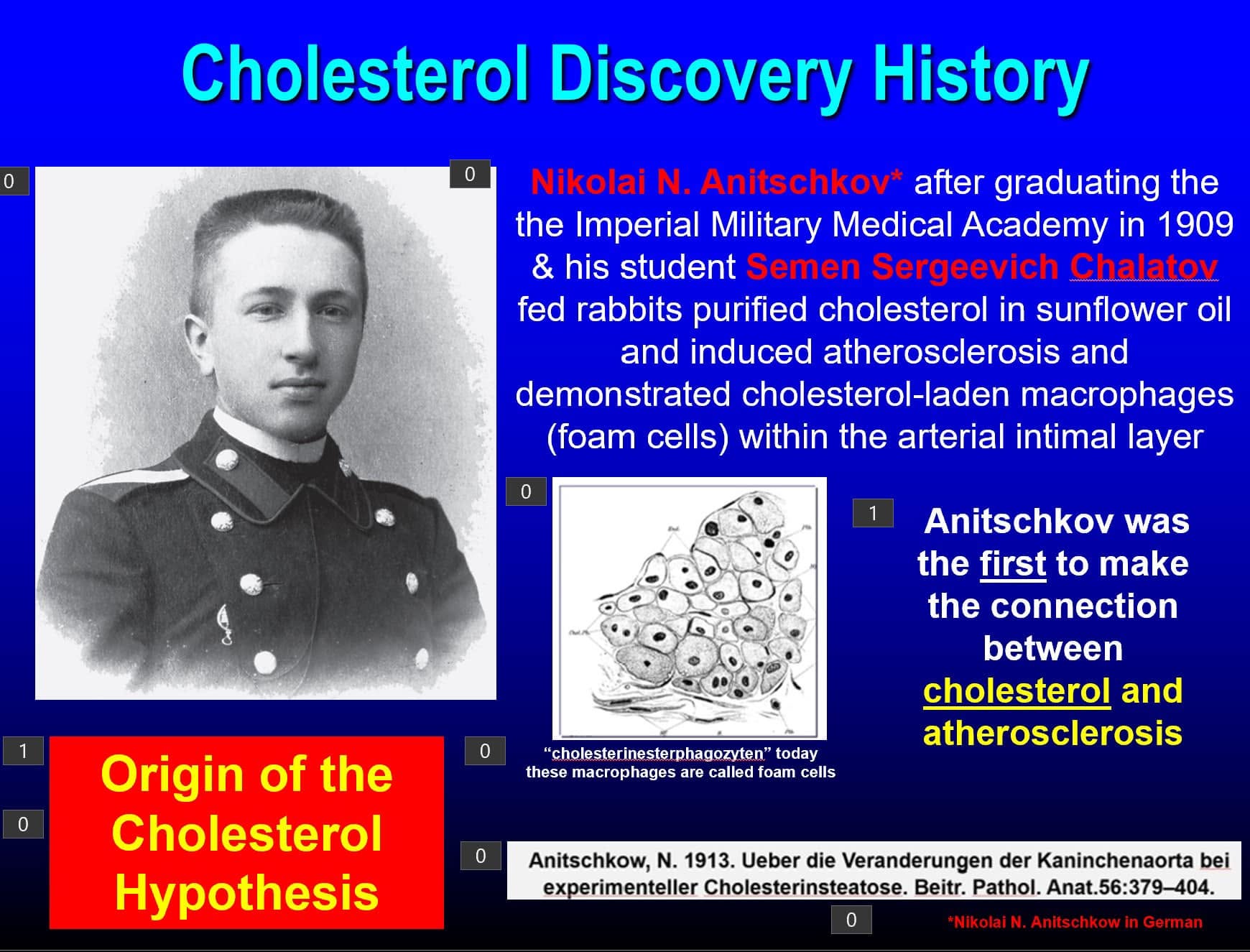
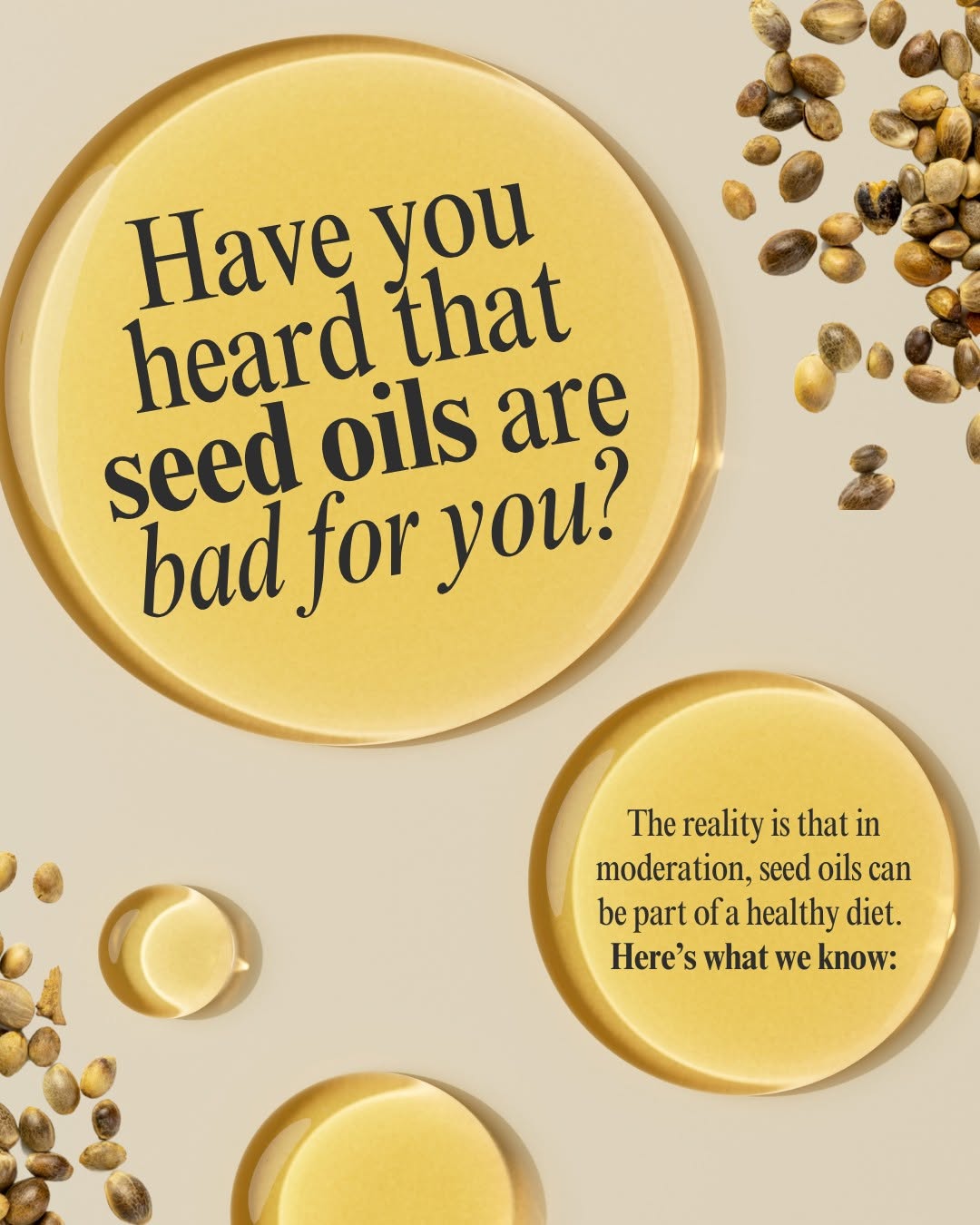
Medical schools push back on seed-oil myths; pooled cohorts link omega-6 to lower risk

Jun 18, 2025 · Louis Nervegna ♥ 12 · 💬 26 Fats & oils (saturated fat, seed oils, omega-6, olive oil)

Louis says major medical and public health schools are countering influencer claims about seed oils. He notes a 2019 pooled analysis of 30 prospective cohorts found higher blood omega-6 (linoleic acid) predicted lower risk of heart disease and diabetes over 2.5 to 30 years, and points to earlier group posts.

25 statin RCTs: about 75 mg/dL LDL lowering cut heart attack and stroke roughly 40%

Dec 11, 2024 · Louis Nervegna ♥ 24 · 💬 5 ↩ 9 Statins

Louis presents a graph of 25 statin RCTs through 2016, excluding only very short or small trials. Lowering LDL by about 75 mg/dL reduced MACE by about 40% versus placebo, with larger relative reductions in the 7 primary prevention trials than the 18 secondary prevention ones. More trials since have corroborated this.

NLA consensus clarifies when to measure ApoB and matching LDL-C thresholds

Dec 13, 2025 · Louis Nervegna ♥ 8 · 💬 19 LDL, ApoB & lipid panel

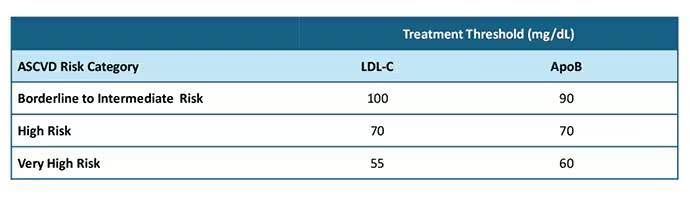
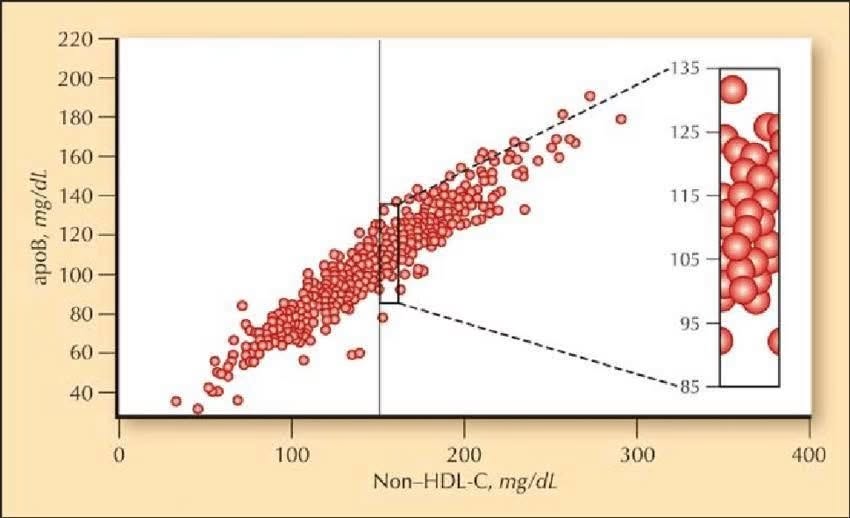
Shared from Gokhan Can: a summary of the National Lipid Association's Expert Clinical Consensus on apoB testing. ApoB is a more accurate predictor than LDL-C when the two diverge, particularly after statins, and testing is suggested for borderline-risk patients deciding on a statin or those considering intensifying therapy, with apoB thresholds matching LDL-C goals.

Low LDL in cancer patients reflects reverse causality: tumours scavenge LDL

May 25, 2026 · Louis Nervegna ♥ 17 · 💬 12 LDL, ApoB & lipid panel

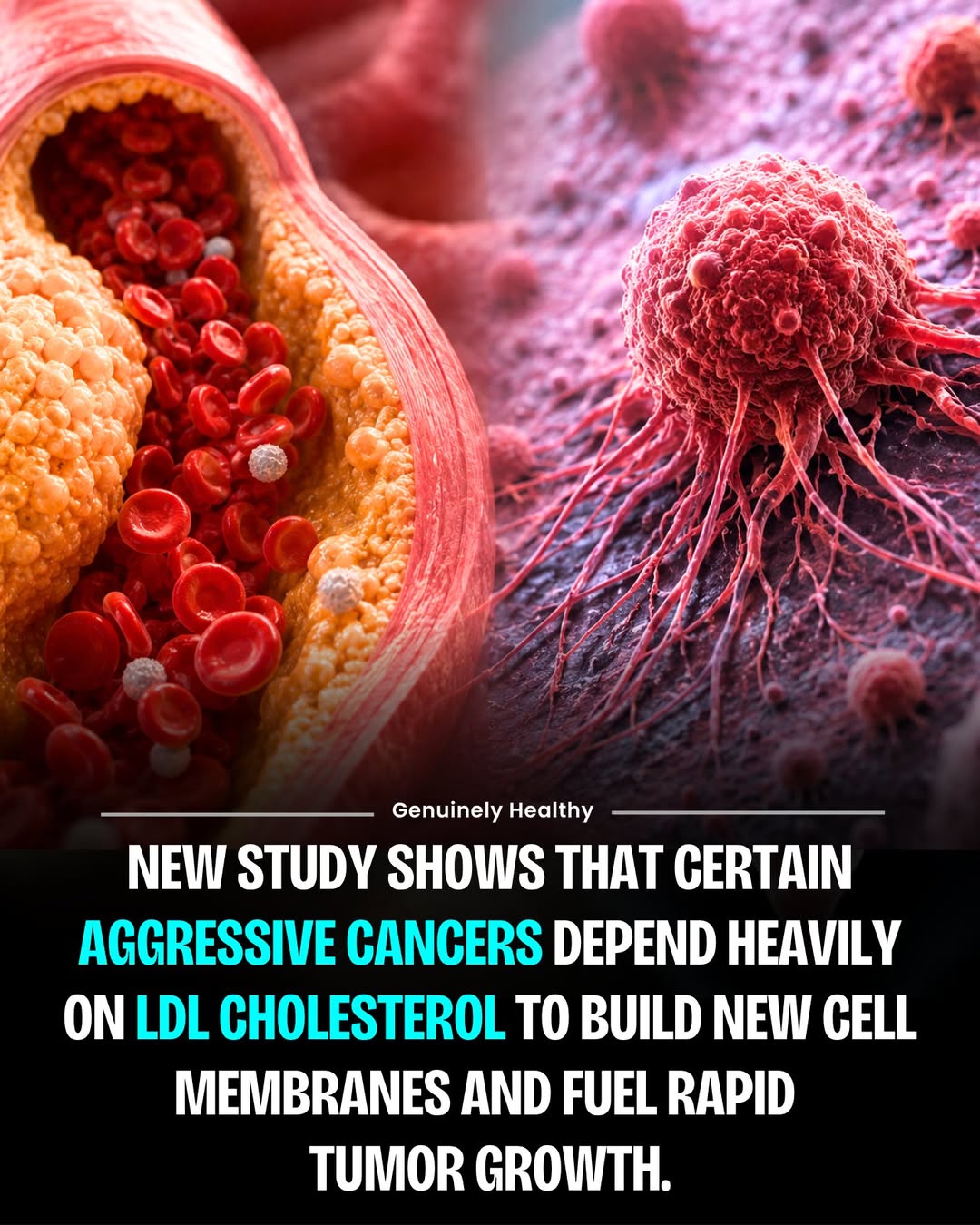
Louis explains that rapidly dividing tumour cells take up circulating LDL, so LDL falls in people with cancer and observational data show low LDL with higher cancer mortality. The shared 2026 Science Advances study found aggressive breast cancers with TP53 mutations depend on cholesterol, and blocking PI5P4K enzymes trapped cholesterol and disrupted mTOR signalling.

NEJM: hs-CRP, LDL and Lp(a) each predicted 30-year CVD risk in women, best combined

Aug 31, 2024 · Louis Nervegna ♥ 8 · 💬 14 Risk assessment & lab tests

Louis highlights a NEJM Women's Health Study analysis of initially healthy women followed 30 years with 3,662 first major cardiovascular events. Top versus bottom quintile hazard ratios were 1.70 for hs-CRP, 1.36 for LDL and 1.33 for Lp(a), each independent, with the combination predicting best. The authors argue prevention should extend beyond 10-year risk estimates.

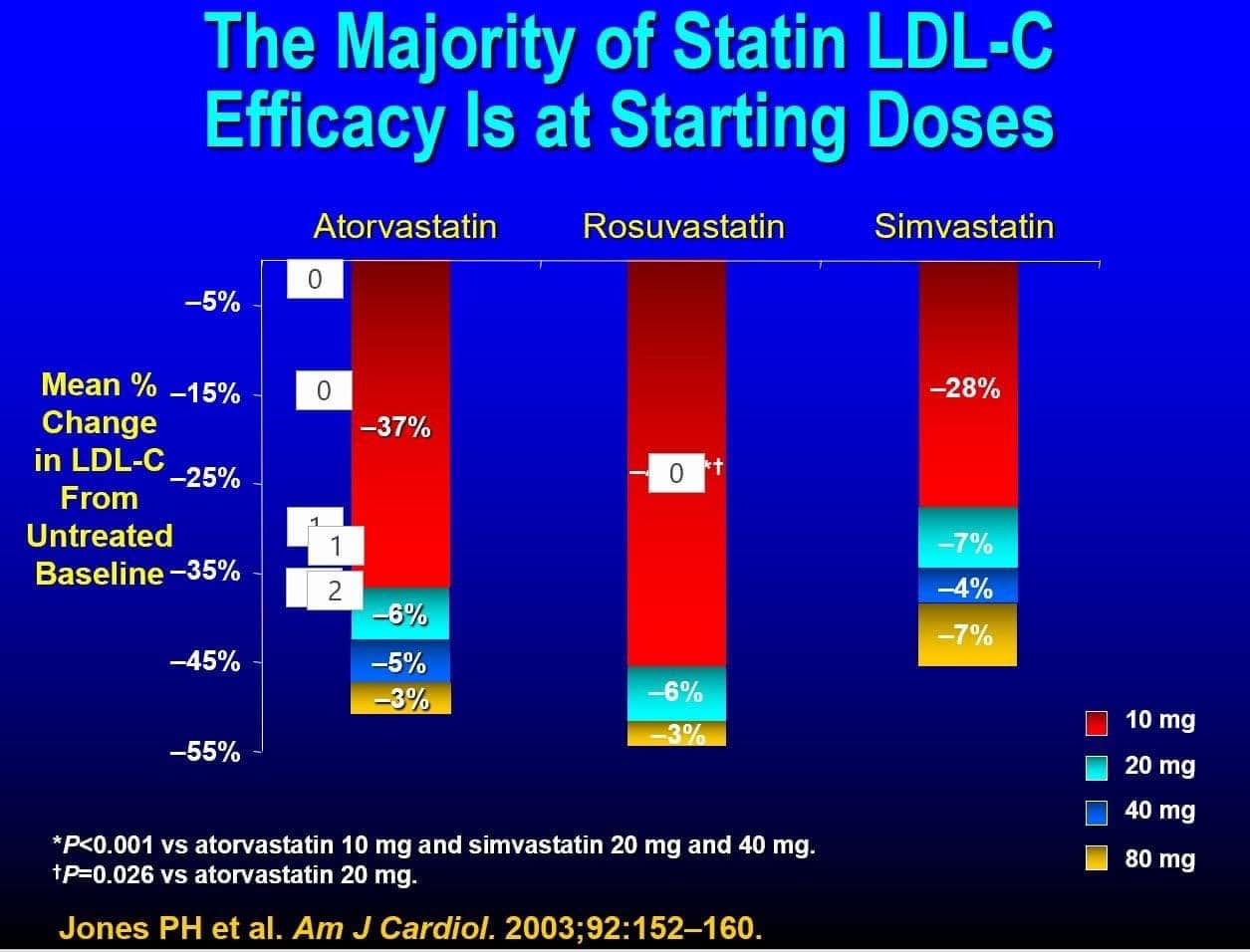
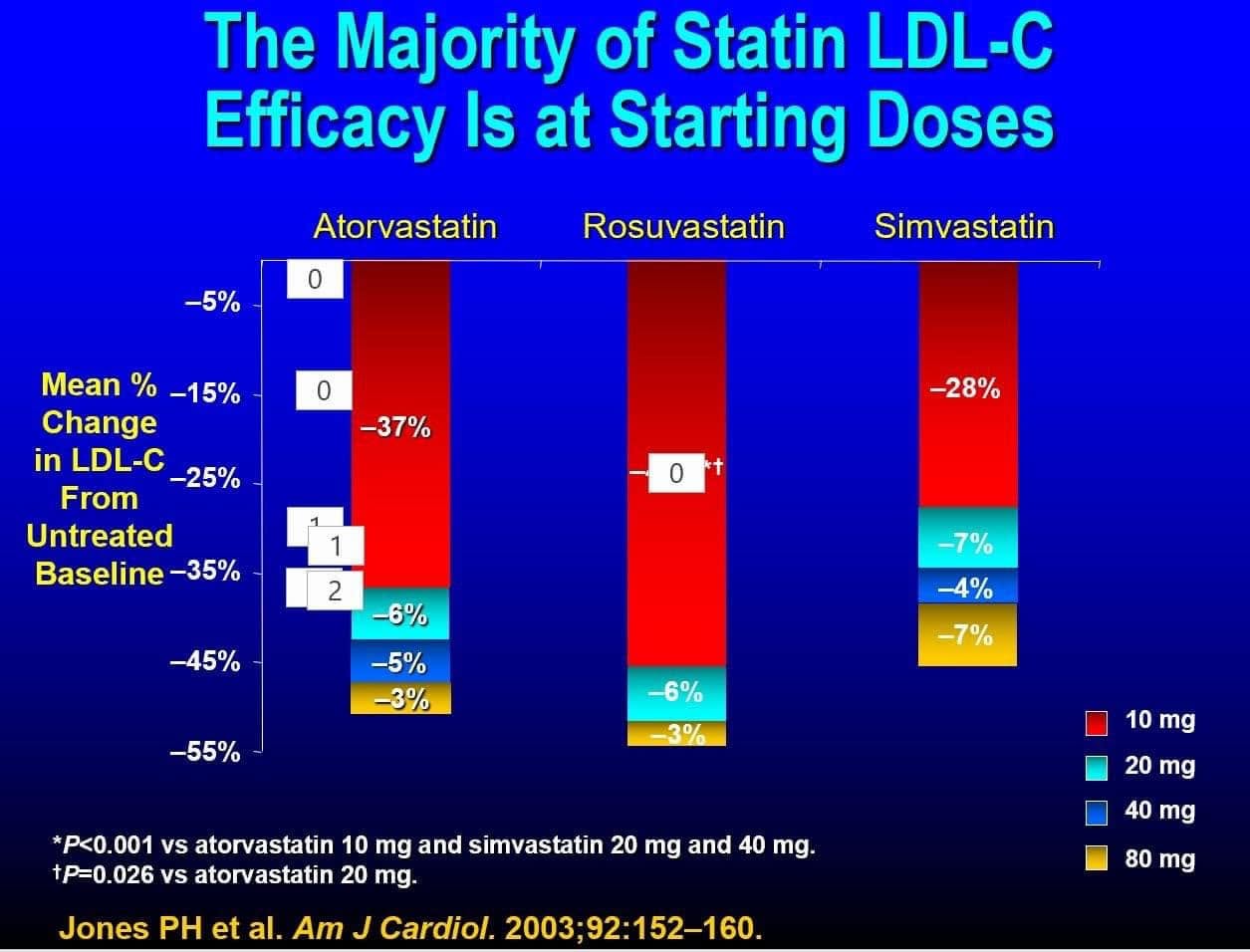
Statin dose-response: the lowest dose gives the biggest percentage LDL drop per mg

Oct 23, 2026 · Louis Nervegna ♥ 19 · 💬 7 Statins

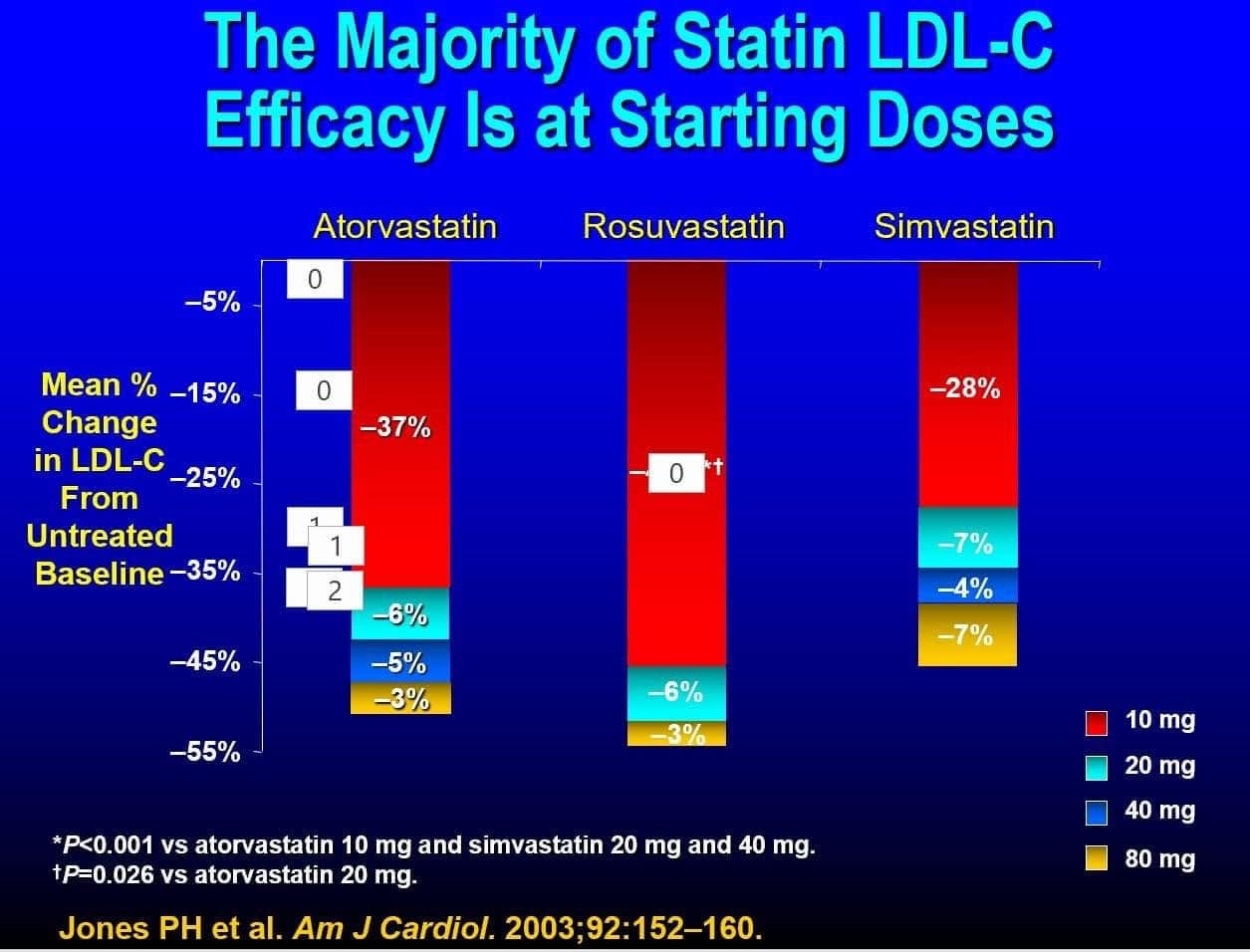
Louis shares a Tom Dayspring slide showing diminishing returns with statin dose: 10 mg atorvastatin lowers LDL about 37%, with 20 mg adding 6%, 40 mg adding 5% and 80 mg adding 3%. His advice is to lower LDL with lifestyle first, then use the lowest effective statin dose, taking a low dose being better than quitting.

Why the LMHR phenotype happens: starvation-like physiology in lean keto dieters

Jan 25, 2024 · Louis Nervegna ♥ 10 · 💬 11 ↩ 9 Low-carb, keto & carnivore

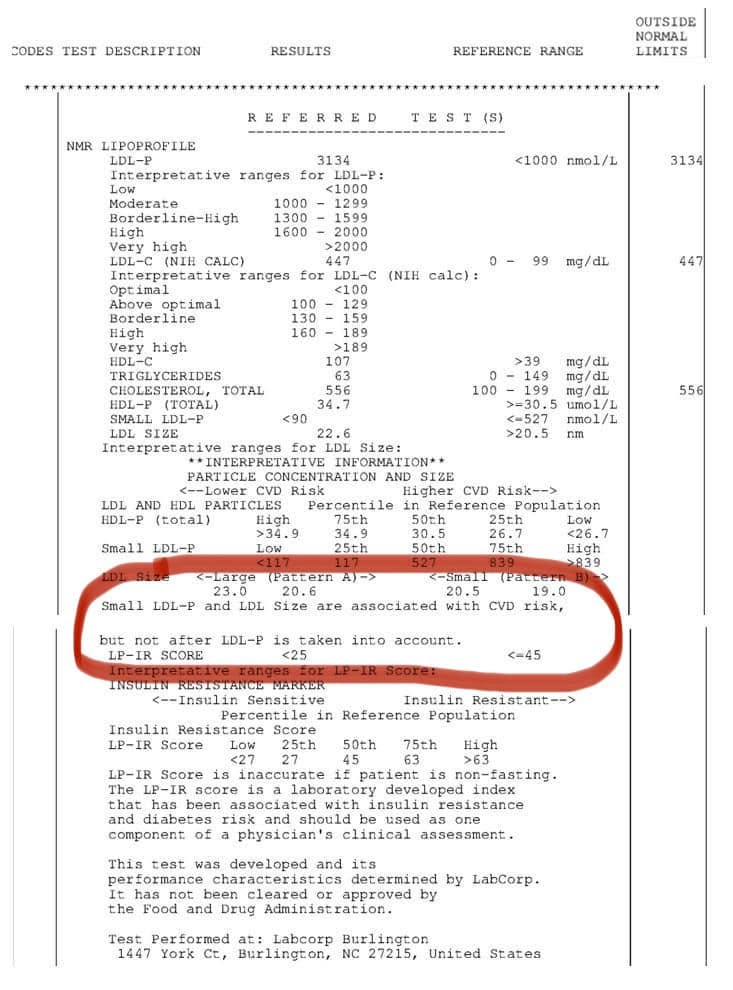
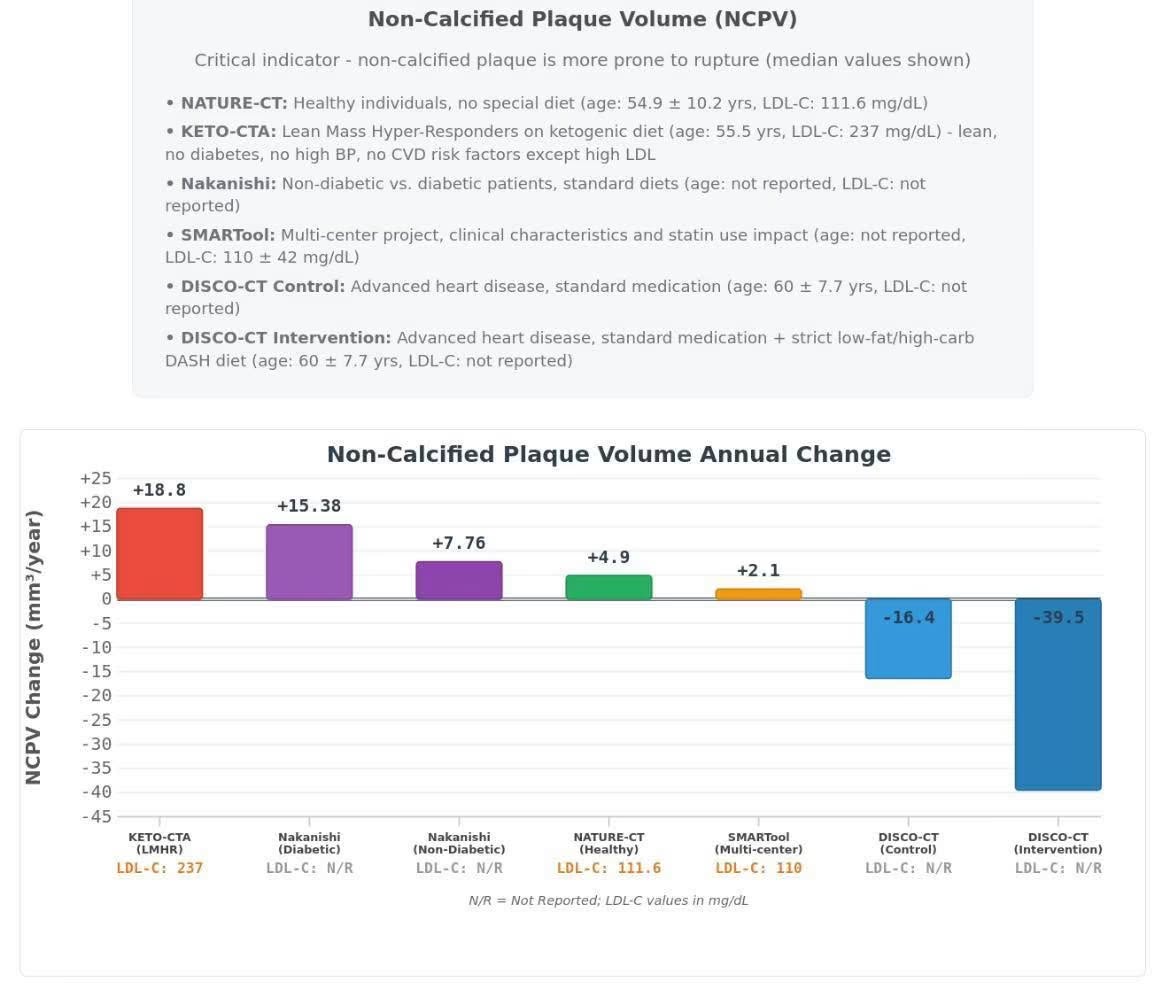
Louis proposes that the lean mass hyper-responder (LMHR) pattern, with extremely high LDL-C on keto/carnivore diets, reflects an ancient starvation response described in calorie-restriction literature. With near-zero body fat and no carbohydrate, the body acts as if starving, raising circulating LDL to deliver fat as fuel, lowering leptin, LDL receptors and thyroid and sex hormones. He links a trial showing fasting raised LDL and ApoB in healthy non-obese people, and cautions that overdoing restriction is the danger. This is a hypothesis, not proof of harm or safety.

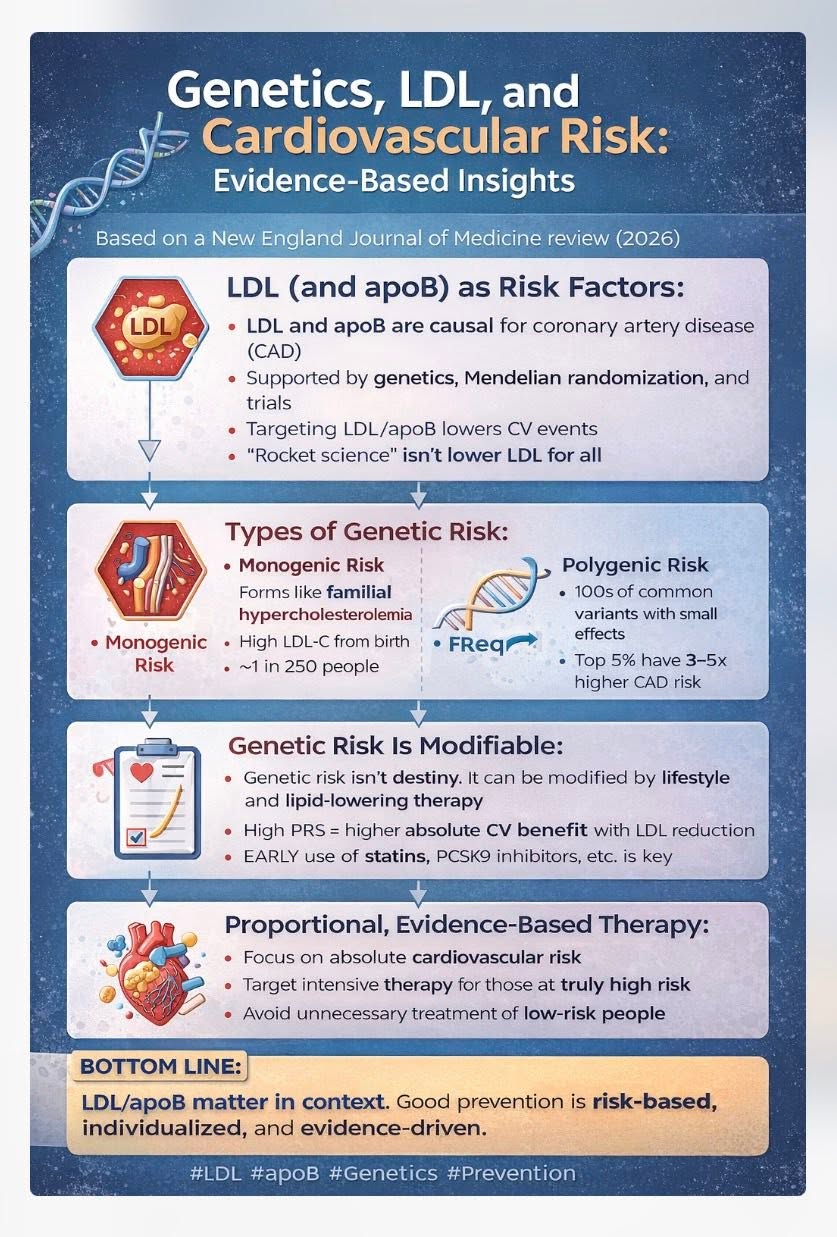
Mendelian randomization: lifelong lower LDL tracks linearly with lower heart disease risk

Oct 10, 2026 · Louis Nervegna ♥ 13 · 💬 8 LDL, ApoB & lipid panel

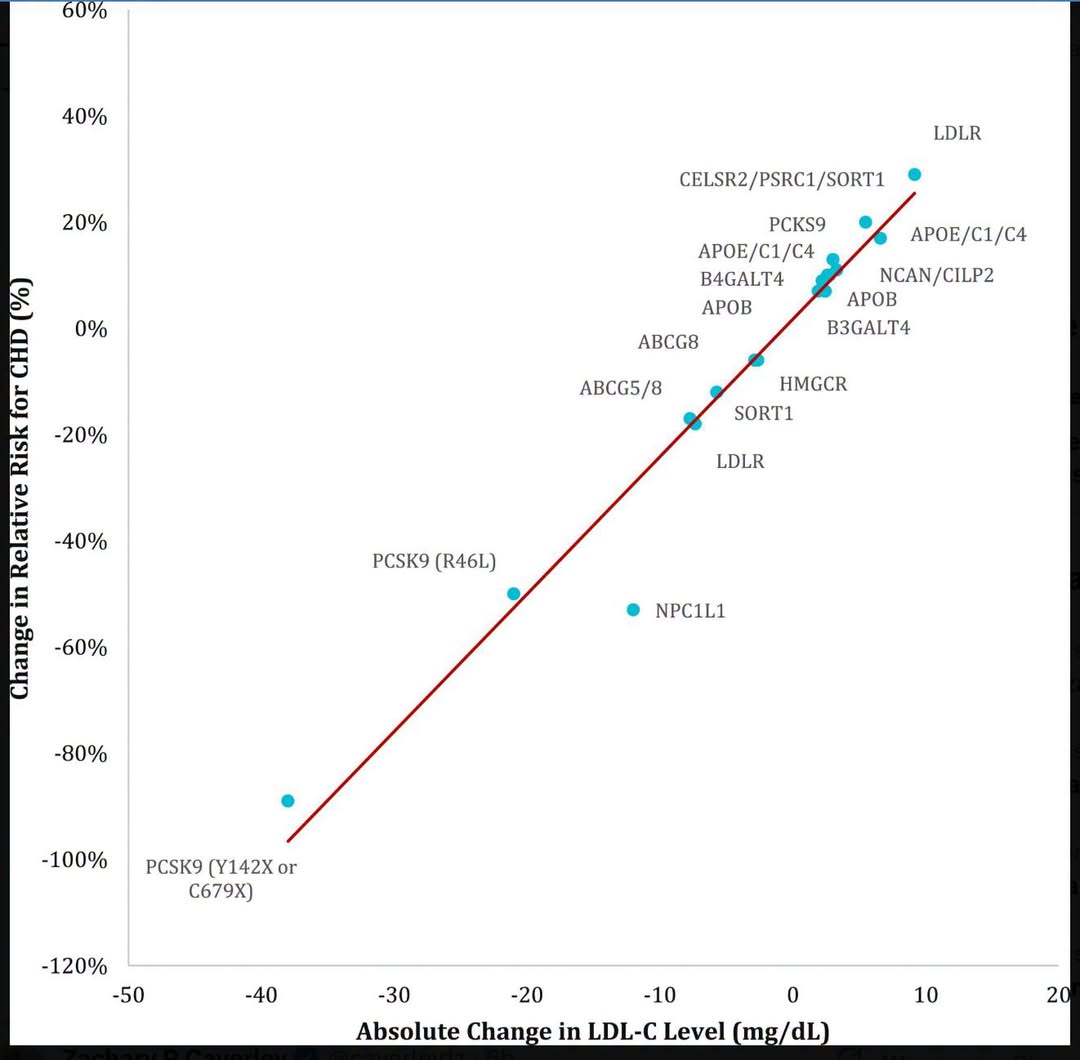
The post explains a chart from a European Atherosclerosis Society consensus statement showing that genetic variants affecting LDL through different pathways (LDLR, PCSK9, APOB, HMGCR, NPC1L1, SORT1, ABCG5/8) change coronary risk in proportion to the LDL change. This matches the linear relationship seen in statin trials. The poster also shows how to convert relative risk reductions into lifetime absolute risk.
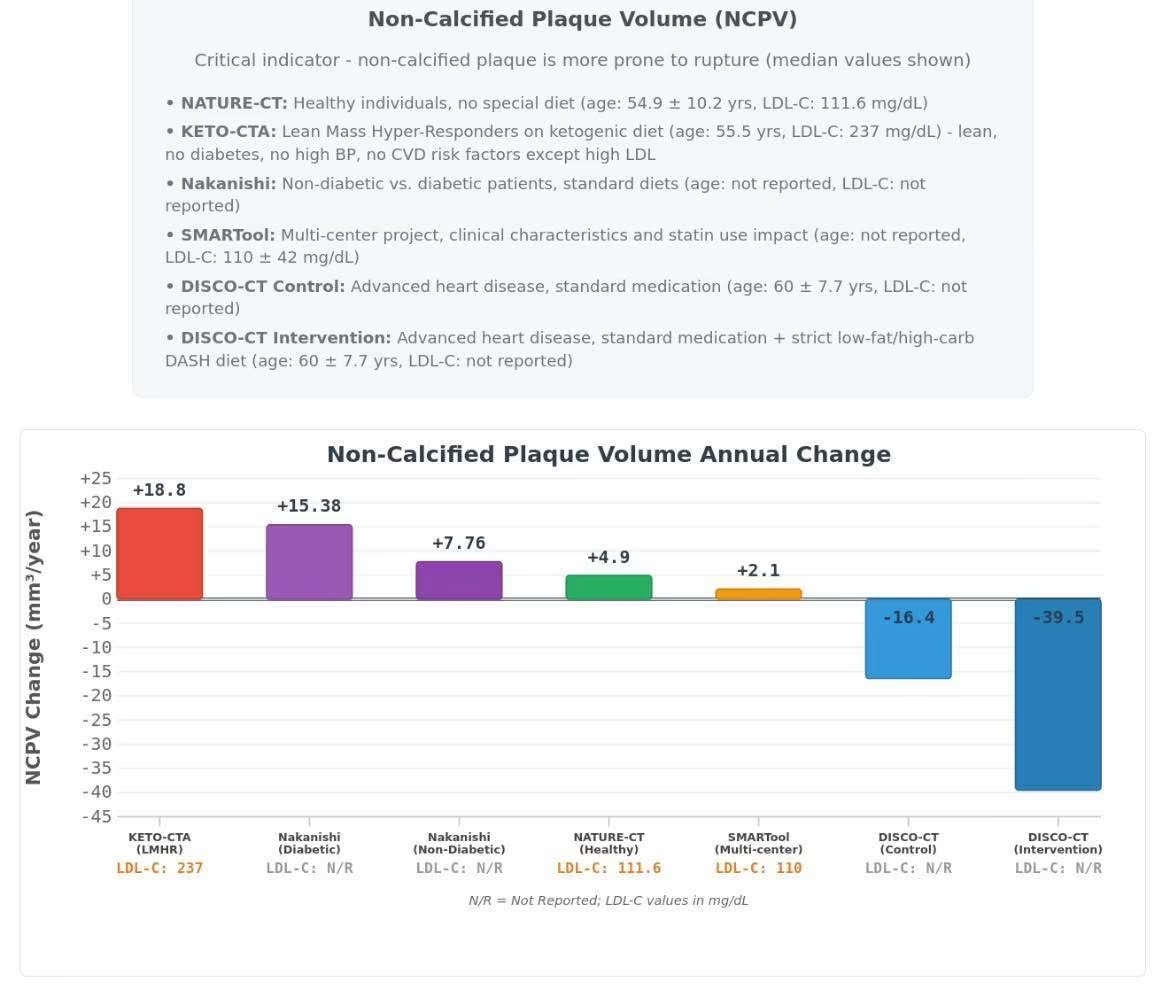
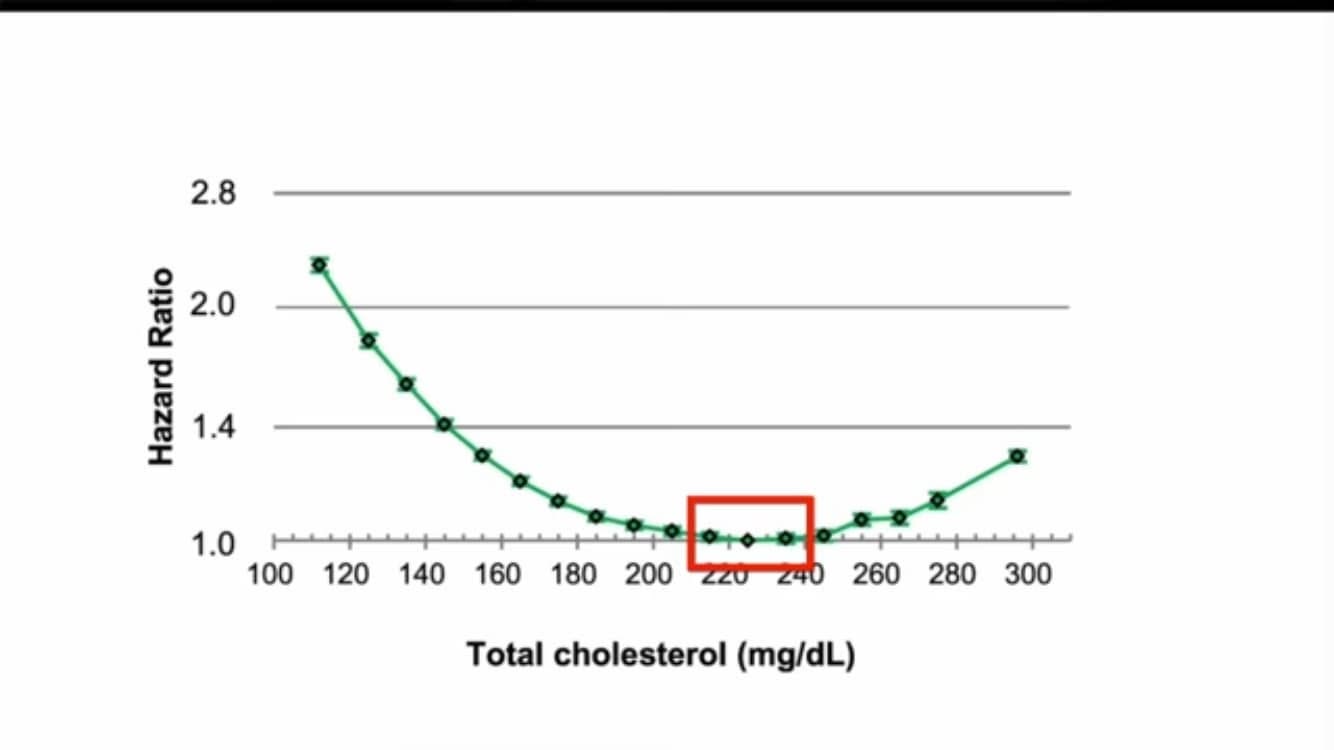
Why high cholesterol 'protects' in observational data: reverse causation, not low-LDL harm

Sep 06, 2026 · Louis Nervegna ♥ 14 · 💬 7 LDL, ApoB & lipid panel

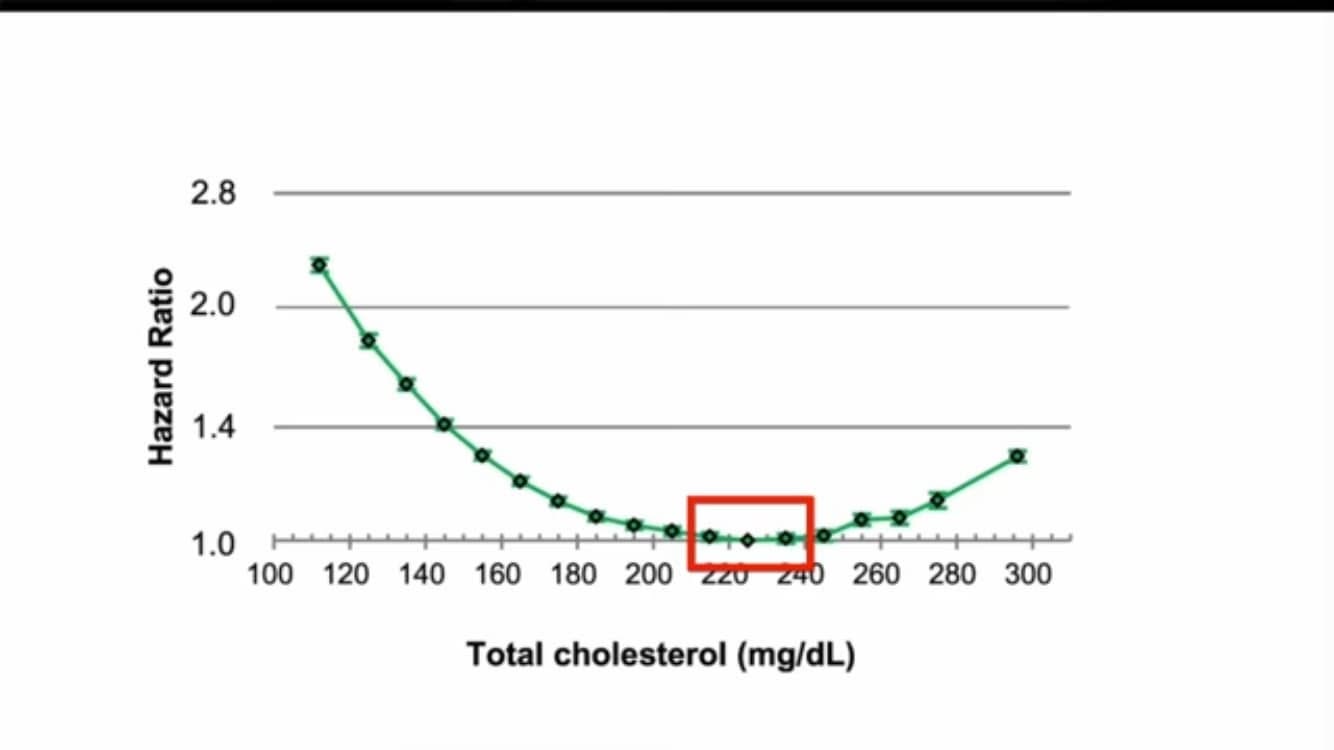
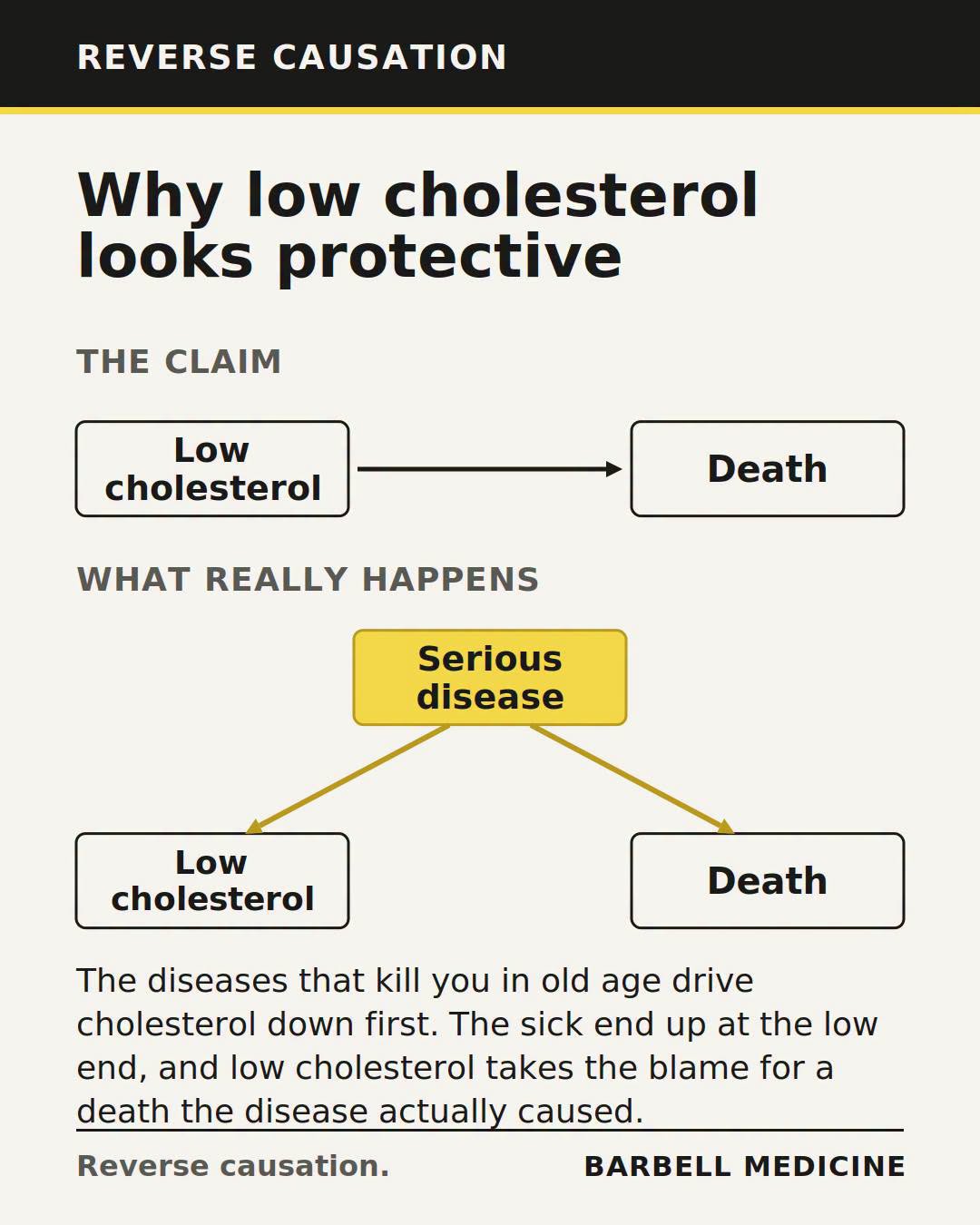
Louis quotes a Barbell Medicine explanation that low cholesterol in sick, older people reflects disease lowering cholesterol, not the reverse. Genetically low LDL lowers heart disease with normal cancer risk and lifespan, and lowering LDL on purpose cuts heart risk proportionally. The small diabetes risk is concentrated in people already near the metabolic edge.

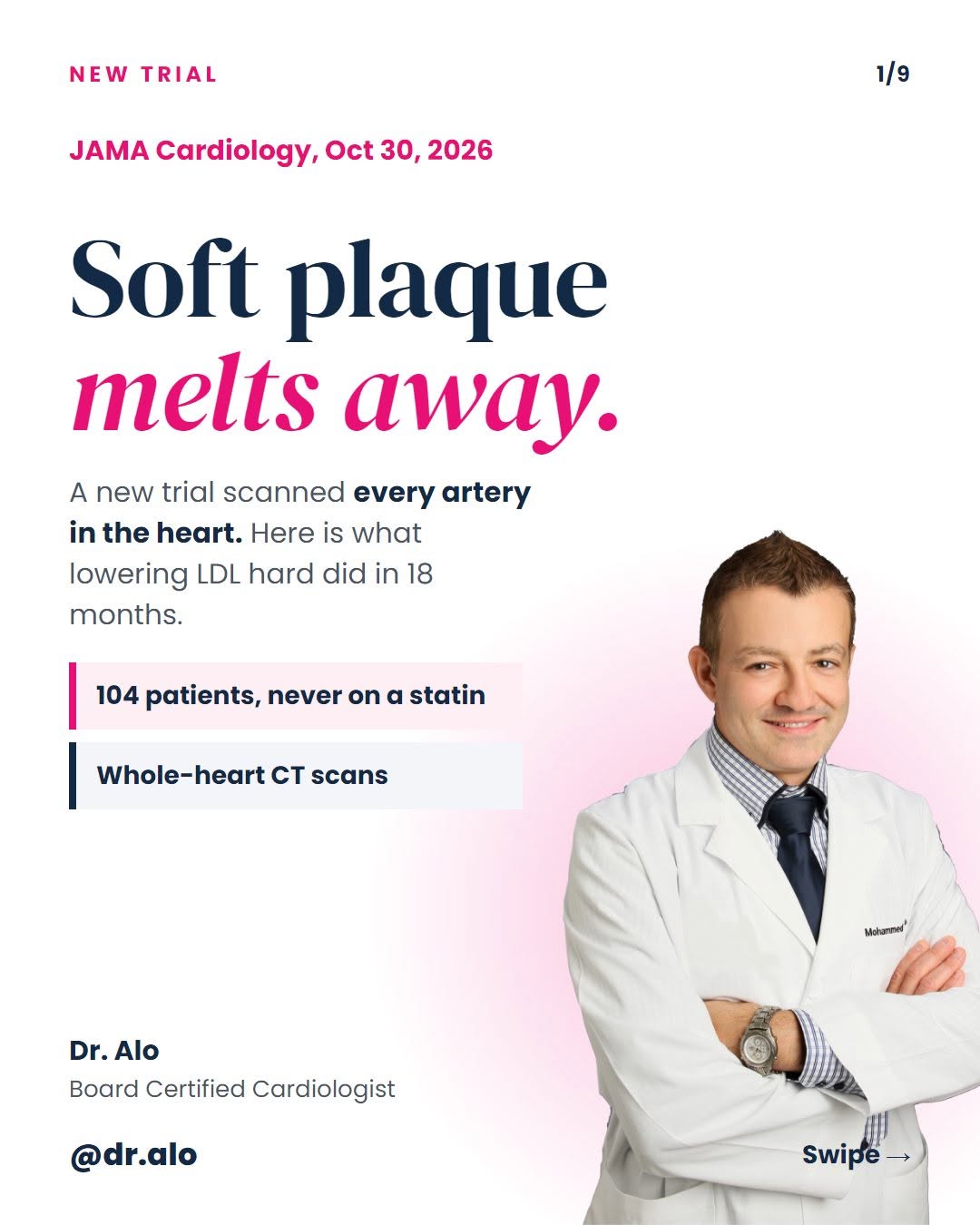
About 95% of acute-thrombosis heart attacks involve soft plaque, not calcified plaque

Oct 03, 2026 · Louis Nervegna ♥ 9 · 💬 9 Plaque, CAC & CT angiography

The post says about 64% of heart attacks from acute thrombosis come from rupture of soft lipid-rich plaque and about 25% from erosion of soft plaque, while only about 5% involve calcified nodules. Because statins and other lipid-lowering drugs stabilize and reverse soft plaque, the poster argues they address the plaque type most responsible for heart attacks.

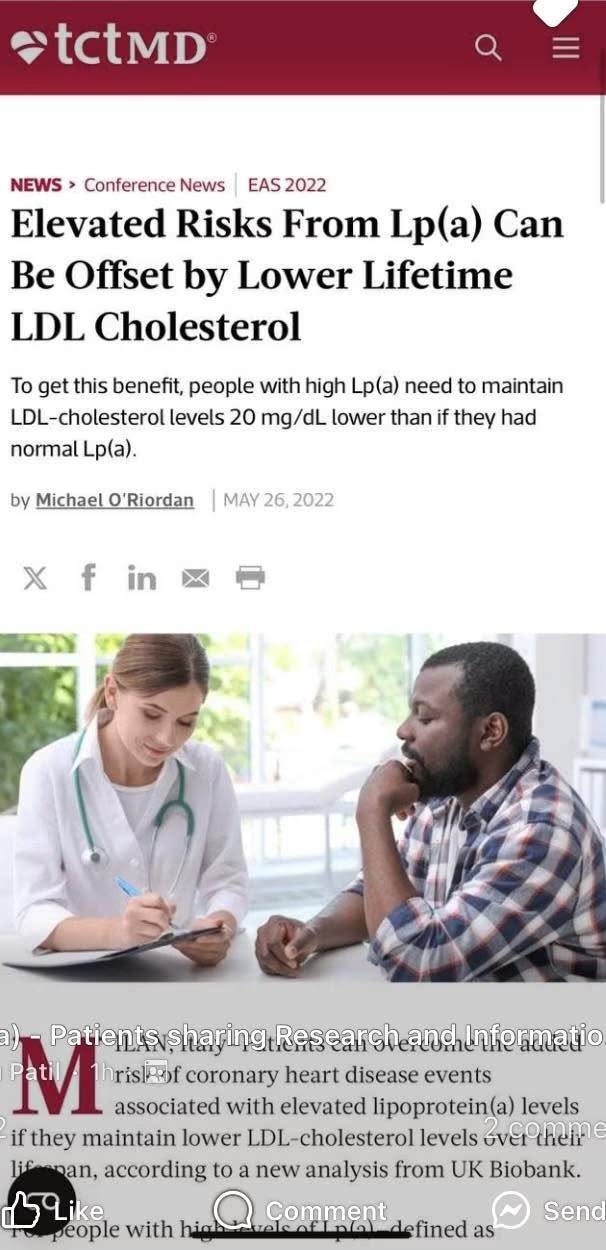
High Lp(a) risk offset by about 19 mg/dL lower lifelong LDL-C in UK Biobank analysis

Oct 23, 2025 · Louis Nervegna ♥ 13 · 💬 6 Lp(a)

Louis shares a TCTMD report on a Ference analysis of 445,765 UK Biobank participants using genetic (natural randomization) methods. Lifelong high Lp(a) was associated with a projected 37% higher risk of major coronary events, completely offset by lower lifetime LDL-C; the later LDL lowering starts, the larger the reduction required.

Obicetrapib gets first approval worldwide in the EU, lowering LDL up to 40-50%

Sep 21, 2026 · Louis Nervegna ♥ 18 · 💬 5 PCSK9, ezetimibe & newer drugs

The European Commission approved obicetrapib, a low-dose oral CETP inhibitor, on 21 September 2026 in two versions: obicetrapib 10 mg alone and combined with ezetimibe 10 mg. Phase 3 trials reported LDL-C reductions of about 40% alone and about 50% with ezetimibe versus placebo. The poster says the drug has shown promise for both cardiovascular disease and Alzheimer's.

Lowering LDL or ApoB is no cure: residual risk persists in every trial; age matters most

Aug 20, 2024 · Louis Nervegna ♥ 25 · 💬 2 LDL, ApoB & lipid panel

The post argues that although aggressive LDL/ApoB lowering reduces risk in many RCTs, considerable residual risk remains in every trial, rising with age. It lists other risk factors (family history, blood pressure, smoking, weight, inflammation, diet, inactivity, insulin resistance/diabetes) and says age is the biggest risk factor, by over 10x versus LDL or ApoB.

Why LMHR happens: starvation-like physiology in very lean people on keto raises LDL

Jul 23, 2024 · Louis Nervegna ♥ 14 · 💬 4 LDL, ApoB & lipid panel

Reposting his earlier explanation, Louis argues that the lean mass hyper-responder phenotype reflects an old starvation response: with near-zero body fat, no carbohydrate and constant ketosis, the body raises circulating LDL to deliver fat as fuel, while lowering thyroid function and sex hormones. He links to a paper showing fasting increases total cholesterol, LDL-C and apoB in healthy nonobese humans.

Louis: forcing LDL-C below 20 in low-risk people is unwise, per Willett on brain bleeds

Mar 30, 2024 · Louis Nervegna ♥ 9 · 💬 8 LDL, ApoB & lipid panel

Louis criticizes advice for low-risk people to use multiple drugs to push LDL-C below 20, noting major cardiology associations do not recommend it. He quotes Walter Willett saying very low LDL raises hemorrhagic stroke risk, citing Japanese experience and Mendelian randomization of the statin-target gene. The caveat is that high-risk people should push LDL low because heart attack and ischemic stroke risk outweigh this. His rule: LDL target should scale with risk.
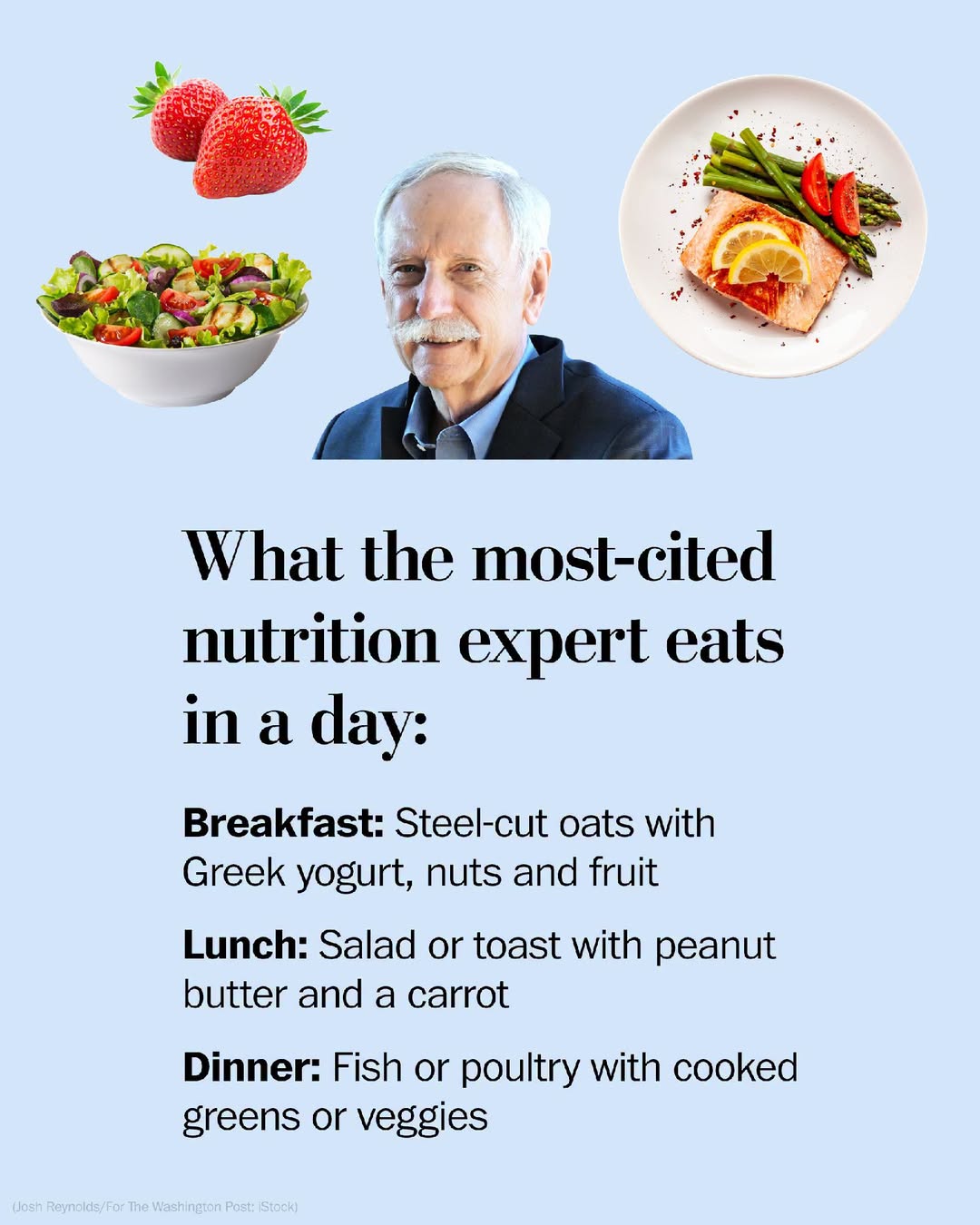
Walter Willett: unsaturated fats, Mediterranean eating and daily habits at 81

Oct 11, 2026 · Louis Nervegna ♥ 12 · 💬 4 Mediterranean, DASH, MIND & plant-forward diets

A Washington Post interview with Harvard nutrition researcher Walter Willett. He says his group's data showed total fat was irrelevant, trans fats were bad, saturated fat versus refined carbohydrate was only weakly related to heart disease, and unsaturated fats were linked to lower heart disease and mortality. He also describes his own diet, including oats, nuts, blueberries and a plant-based lunch.

Coconut oil raises LDL and ApoB, long-term outcomes unknown; MCT oil is a cleaner option

Oct 16, 2025 · Louis Nervegna ♥ 13 · 💬 2 Fats & oils (saturated fat, seed oils, omega-6, olive oil)

Louis summarizes a Nutrition Made Simple video: there are few long-term studies of coconut oil and heart disease, so claims rely on short-term biomarker studies. Because it is 80-90% saturated fat it raises LDL and ApoB (though less than butter); its HDL rise is unlikely protective, and he suggests plain MCT oil if one wants MCT benefits.

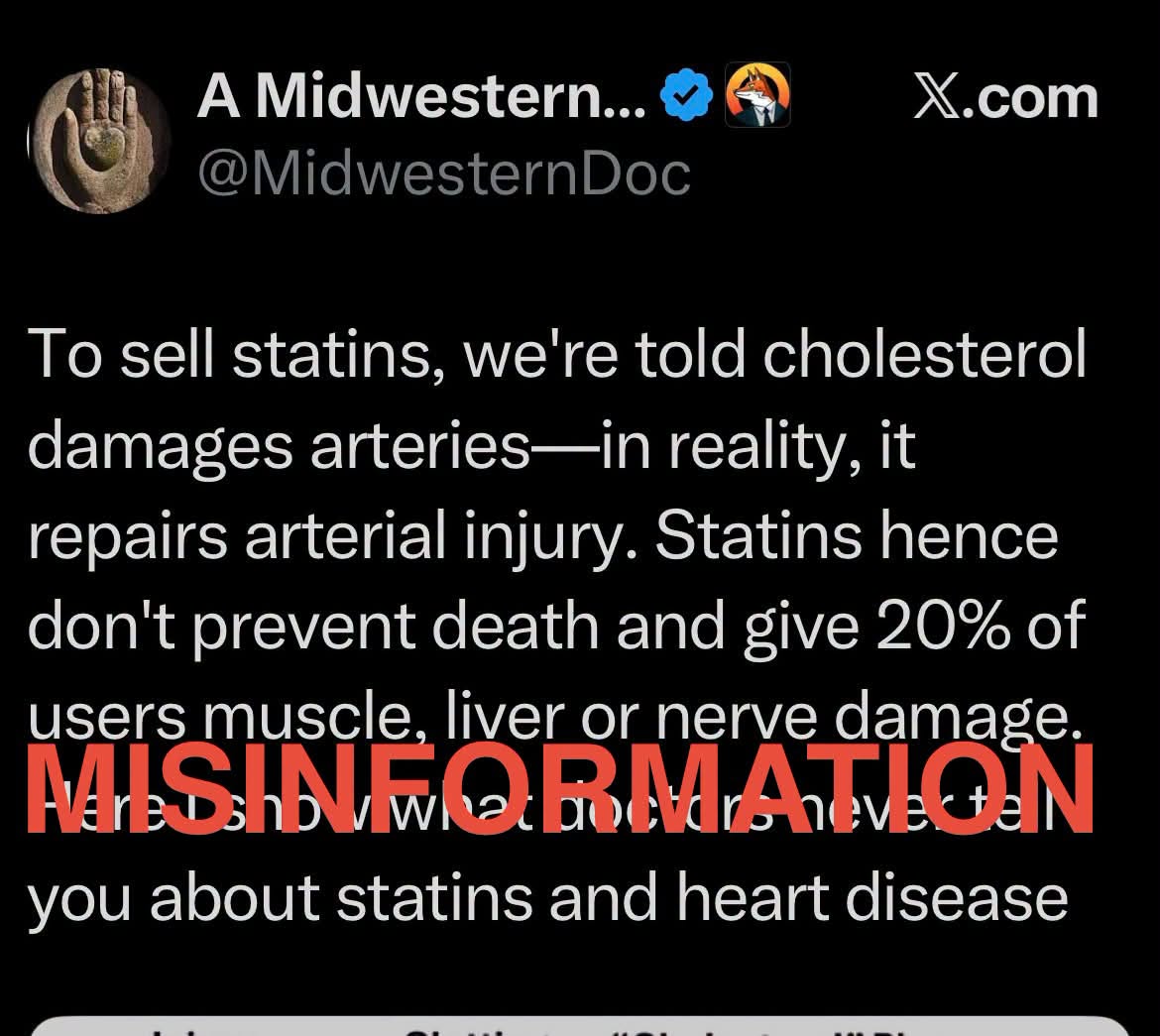
Dr. Chong on LDL misinformation, with RCT and Mendelian randomization evidence

Sep 02, 2026 · Louis Nervegna ♥ 10 · 💬 6 Myths, misinformation & controversies

Louis shares a Vital Human post in which Dr. Daniel Chong describes being repeatedly told his LDL science is wrong by people influenced by social media content that exaggerates or misreads evidence. The tags point to statin RCTs and Mendelian randomization as the supporting evidence; the post itself is largely about frustration with misinformation.

High HDL tracks with lower risk in UK Biobank, but HDL-raising drugs have failed

Oct 28, 2026 · Louis Nervegna ♥ 7 · 💬 3 ↩ 1 LDL, ApoB & lipid panel

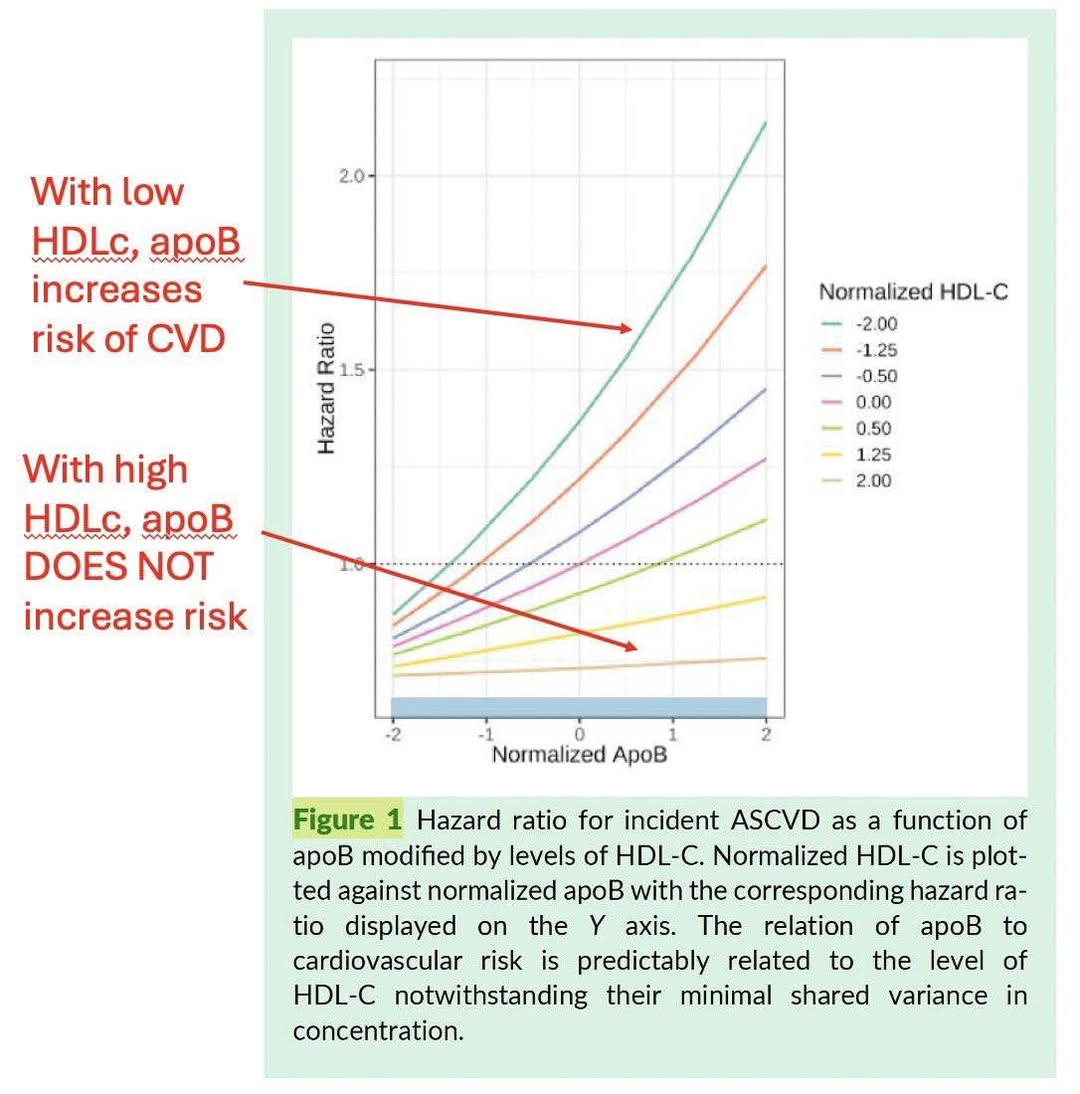
Louis explains that a viral UK Biobank graph shows higher HDL linked to lower ASCVD risk at any LDL/ApoB, as dozens of earlier observational studies have, though the effect size here is larger. Every randomized HDL-raising drug trial failed on hard outcomes, and Mendelian randomization shows no lifetime benefit from genes raising HDL, so HDL is thought to be a proxy for insulin resistance, which is better measured directly.

Swapping refined carbs for unsaturated fat lowers LDL: meta-analysis of 60 feeding trials

Oct 08, 2025 · Louis Nervegna ♥ 5 · 💬 2 Fats & oils (saturated fat, seed oils, omega-6, olive oil)

A meta-analysis of 60 controlled human feeding trials found that replacing carbohydrate calories with monounsaturated or polyunsaturated fat lowers LDL cholesterol, while saturated fat raises it. The effect looked largest for polyunsaturated fat, which is why choosing oils and nuts over refined starch and sugar helps the lipid profile.

Low LDL's link to cancer is reverse causality: cancer lowers cholesterol, not vice versa

Dec 21, 2023 · Louis Nervegna ♥ 5 · 💬 1 LDL, ApoB & lipid panel

Louis explains why observational studies linking low LDL to cancer are not causal. Citing a Circulation review on reverse causality, he notes cholesterol declines before cancer diagnosis (likely from cancer-related inflammation), statin RCTs show no increase in cancer, and Mendelian randomization with an average of 52 years of lifetime exposure shows no higher cancer rates in people with genetically lower cholesterol.