HD-OPM Archive
Hashtags

#guidelines

40 posts

No trial shows PCSK9 inhibitor monotherapy cuts heart attacks; HORIZON undermines Lp(a)

Oct 31, 2026 · Louis Nervegna ♥ 16 · 💬 32 ↩ 1 PCSK9, ezetimibe & newer drugs

Louis argues guidelines recommend against PCSK9 inhibitor monotherapy as first-line primary prevention because no randomized trial shows it lowers heart attacks, strokes or CVD mortality. He adds that the HORIZON trial massively lowered Lp(a) but had no effect on MACE, so people on PCSK9i mainly to lower Lp(a) should revisit that choice, since statins or statins plus PCSK9i are proven even with high Lp(a).
Following AHA Life's Essential 8 for ~10 years linked to 66% lower coronary heart disease

Jul 11, 2025 · Louis Nervegna ♥ 15 · 💬 12 ↩ 1 Cardiovascular disease: the big picture

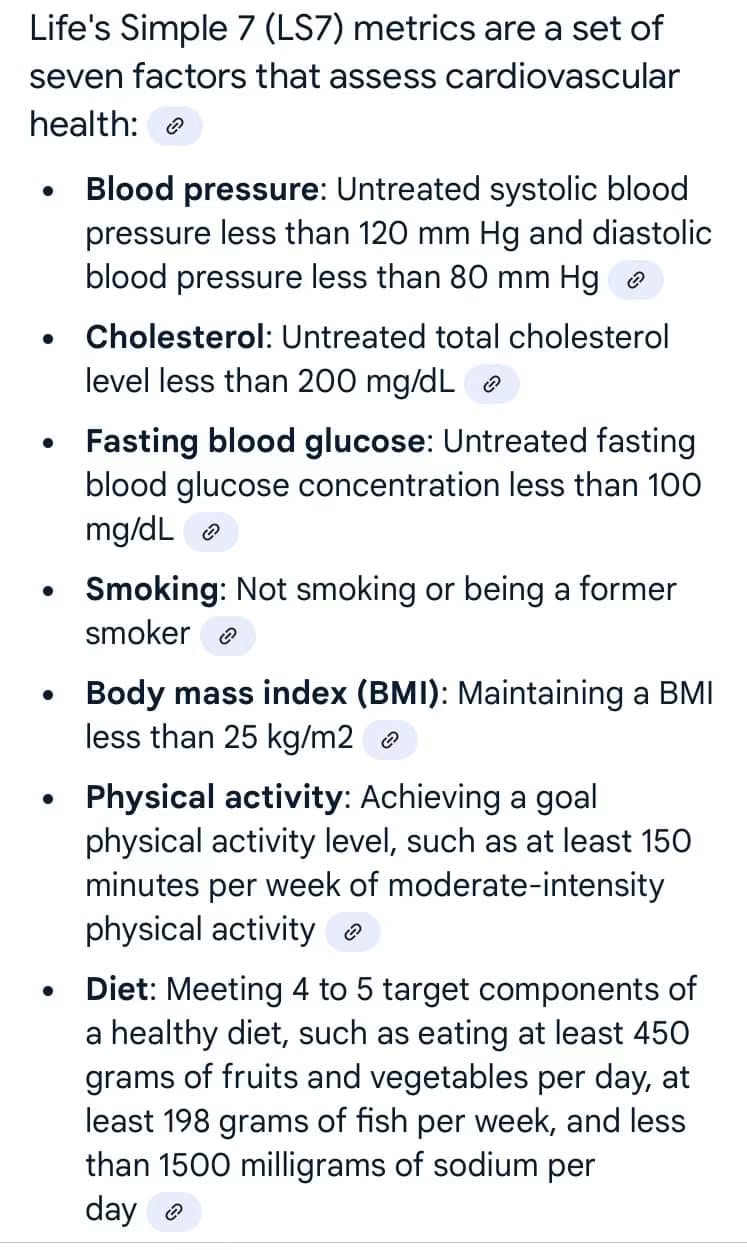
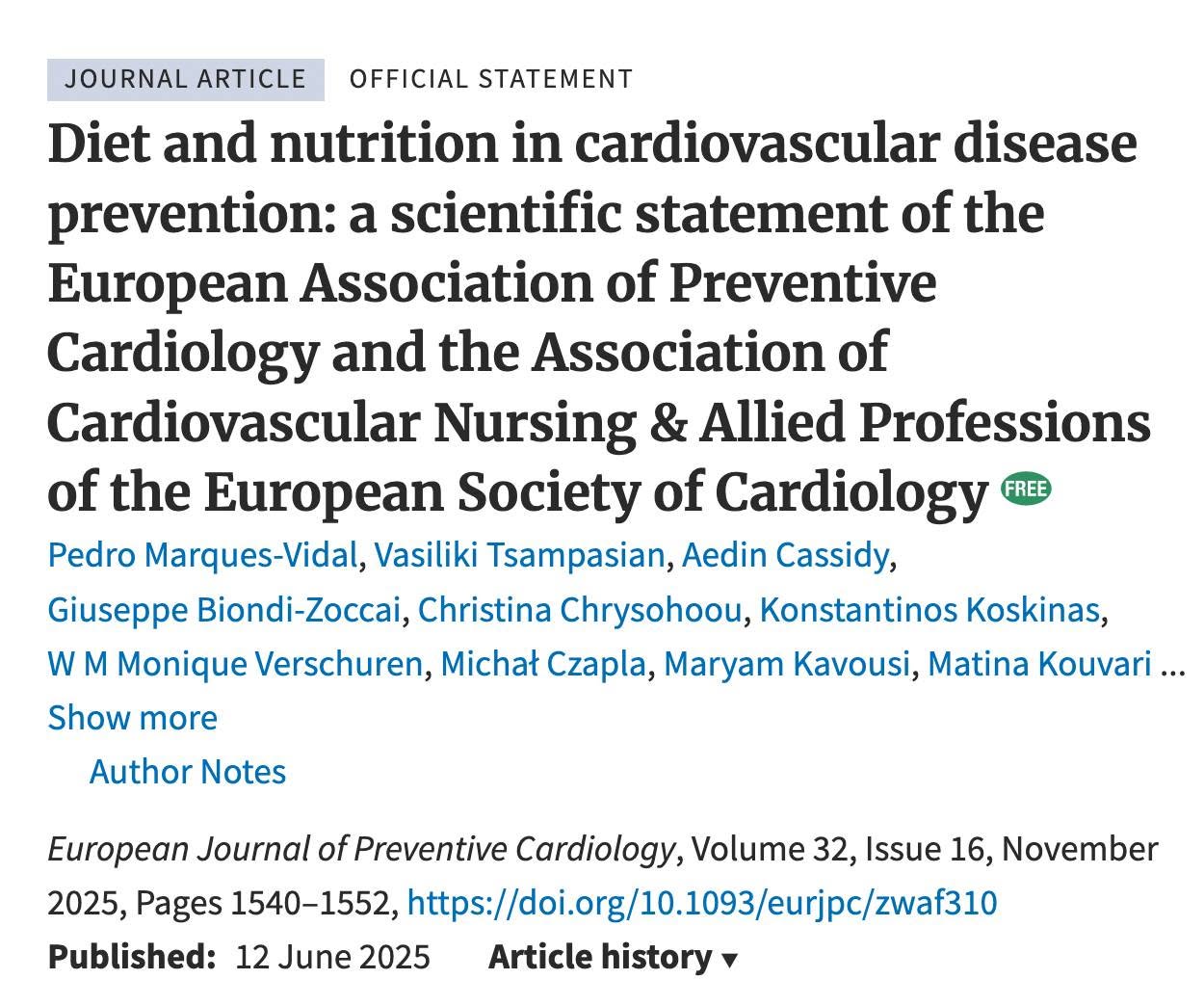
Louis shares a study showing that closely adhering to the AHA's eight healthy-living guidelines for an average of 10 years was associated with 66% lower coronary heart disease risk. He lists the eight guidelines; benefits were larger in women, younger adults and those with low genetic risk per the linked article.

NLA consensus clarifies when to measure ApoB and matching LDL-C thresholds

Dec 13, 2025 · Louis Nervegna ♥ 8 · 💬 19 LDL, ApoB & lipid panel

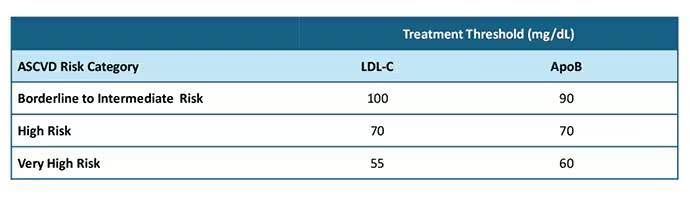
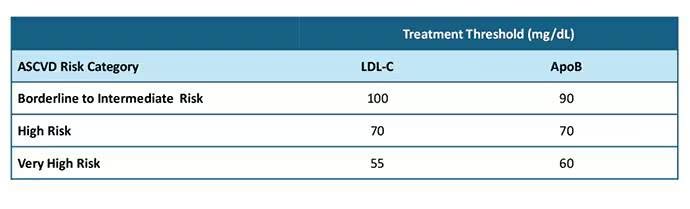
Shared from Gokhan Can: a summary of the National Lipid Association's Expert Clinical Consensus on apoB testing. ApoB is a more accurate predictor than LDL-C when the two diverge, particularly after statins, and testing is suggested for borderline-risk patients deciding on a statin or those considering intensifying therapy, with apoB thresholds matching LDL-C goals.

ACC/ESC consensus statement on abnormal cardiovascular findings in masters athletes

Apr 06, 2026 · Louis Nervegna ♥ 10 · 💬 14 ↩ 1 Exercise & fitness

Louis highlights a new joint EAPC/ESC and ACC clinical consensus statement offering guidance for long-term high-volume exercisers over 35-40, covering atrial fibrillation, arrhythmias, coronary atherosclerosis, aortic dilatation, myocardial fibrosis and exercise-induced arrhythmogenic cardiomyopathy. Notes that very high exercise volumes over years may have cardiovascular downsides.

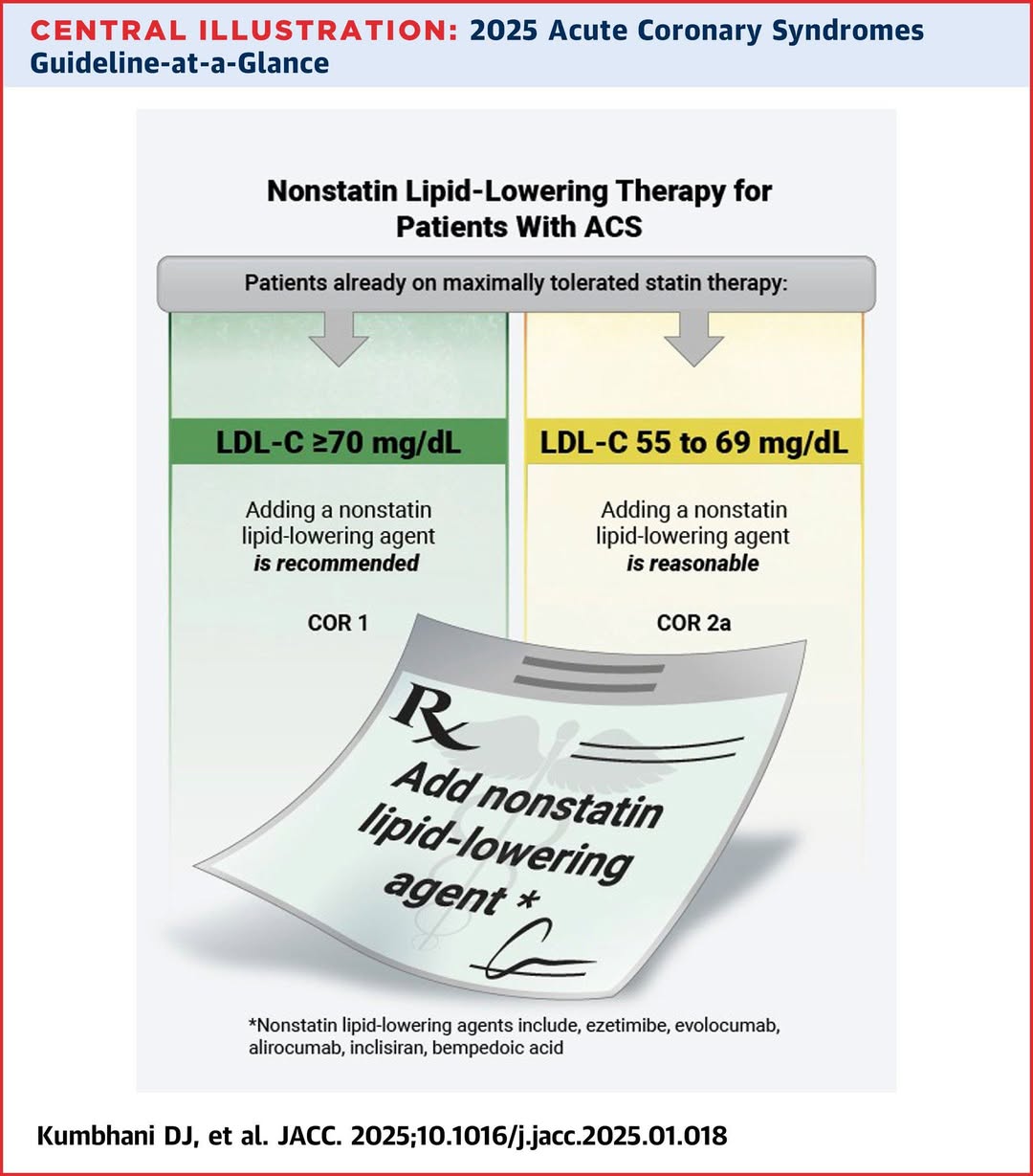
Review: aggressive LDL lowering outweighs theoretical risks, yet few reach <55 mg/dL

Oct 28, 2025 · Gokhan Can ♥ 13 · 💬 5 LDL, ApoB & lipid panel

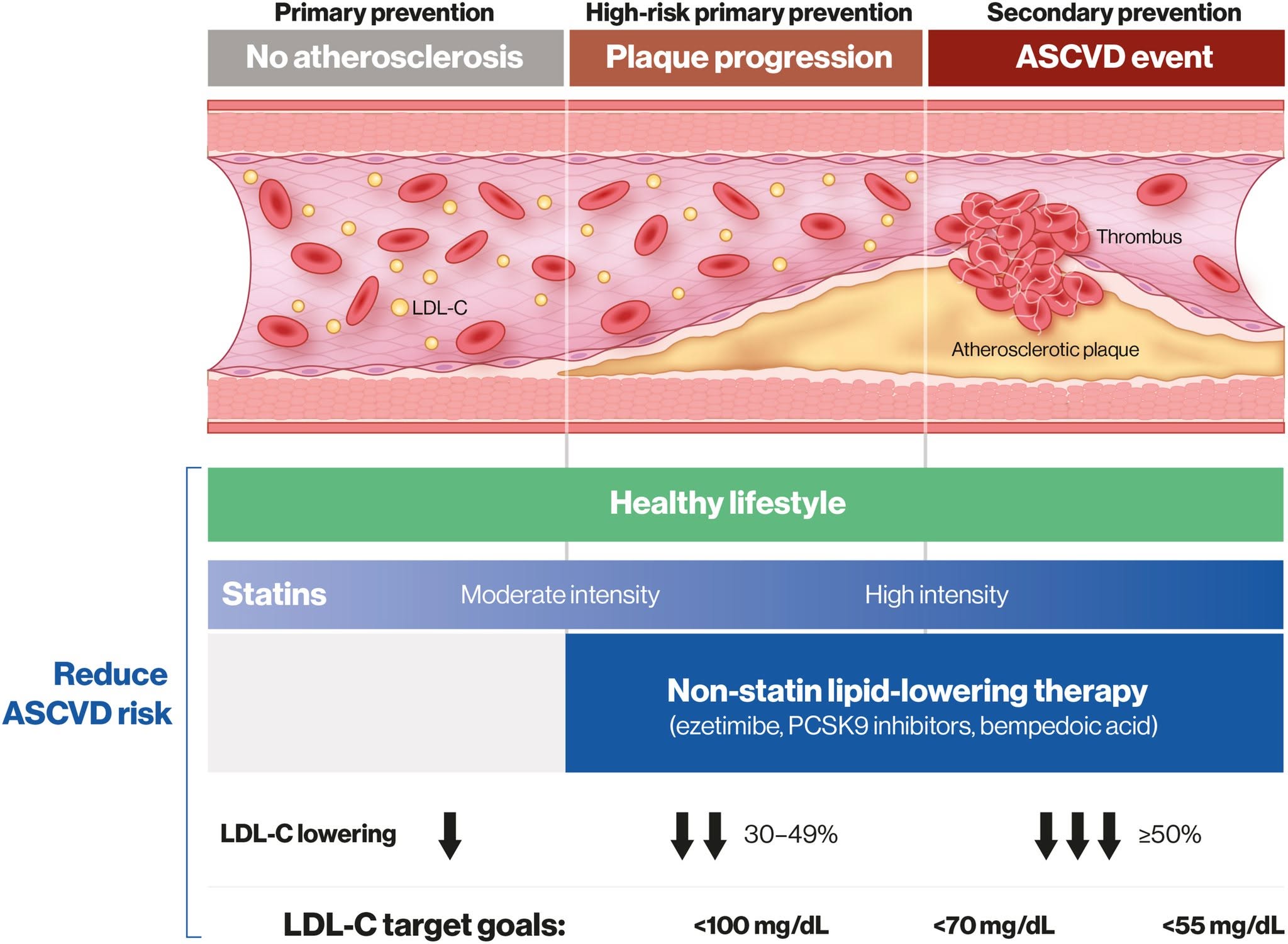
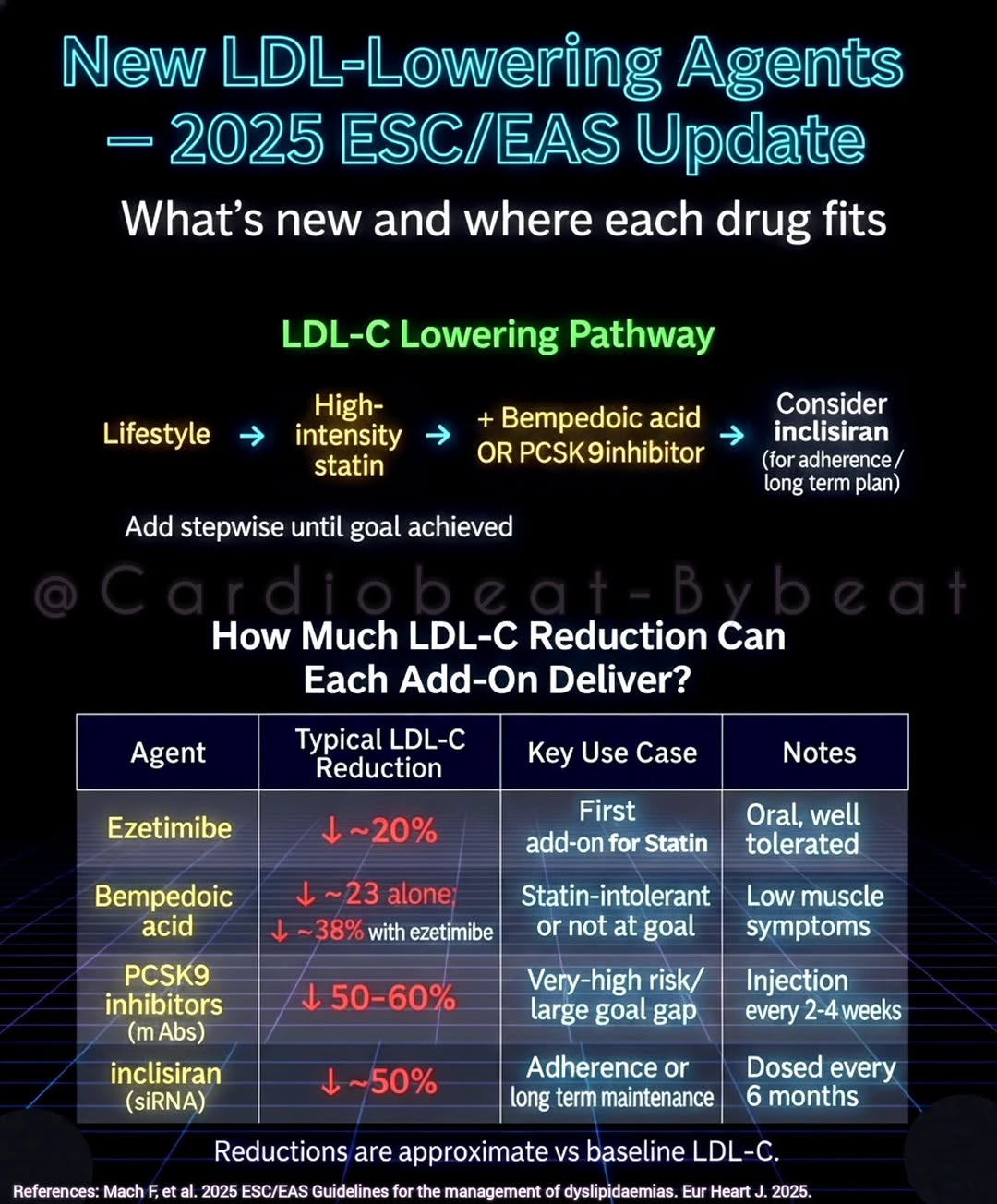
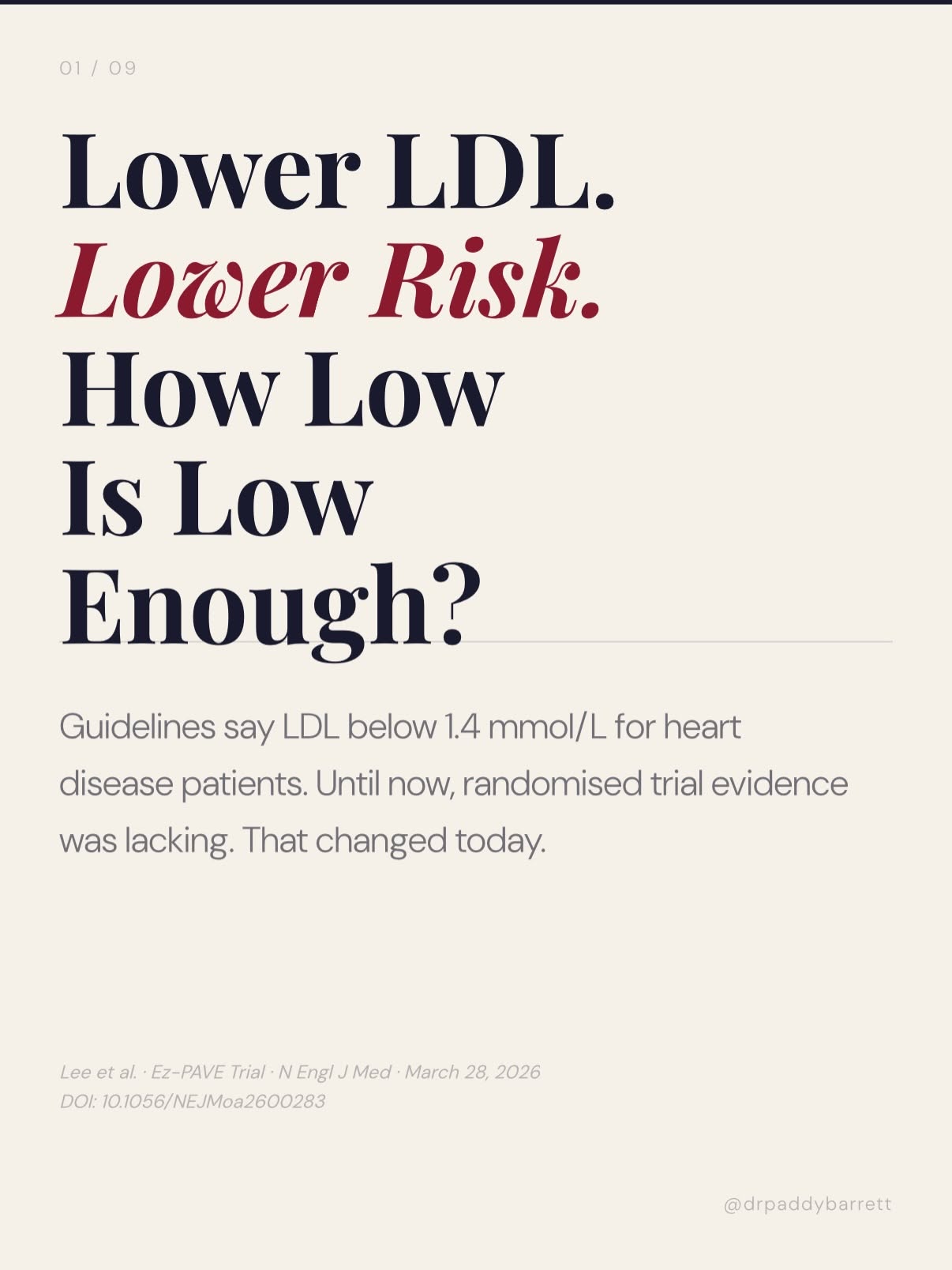
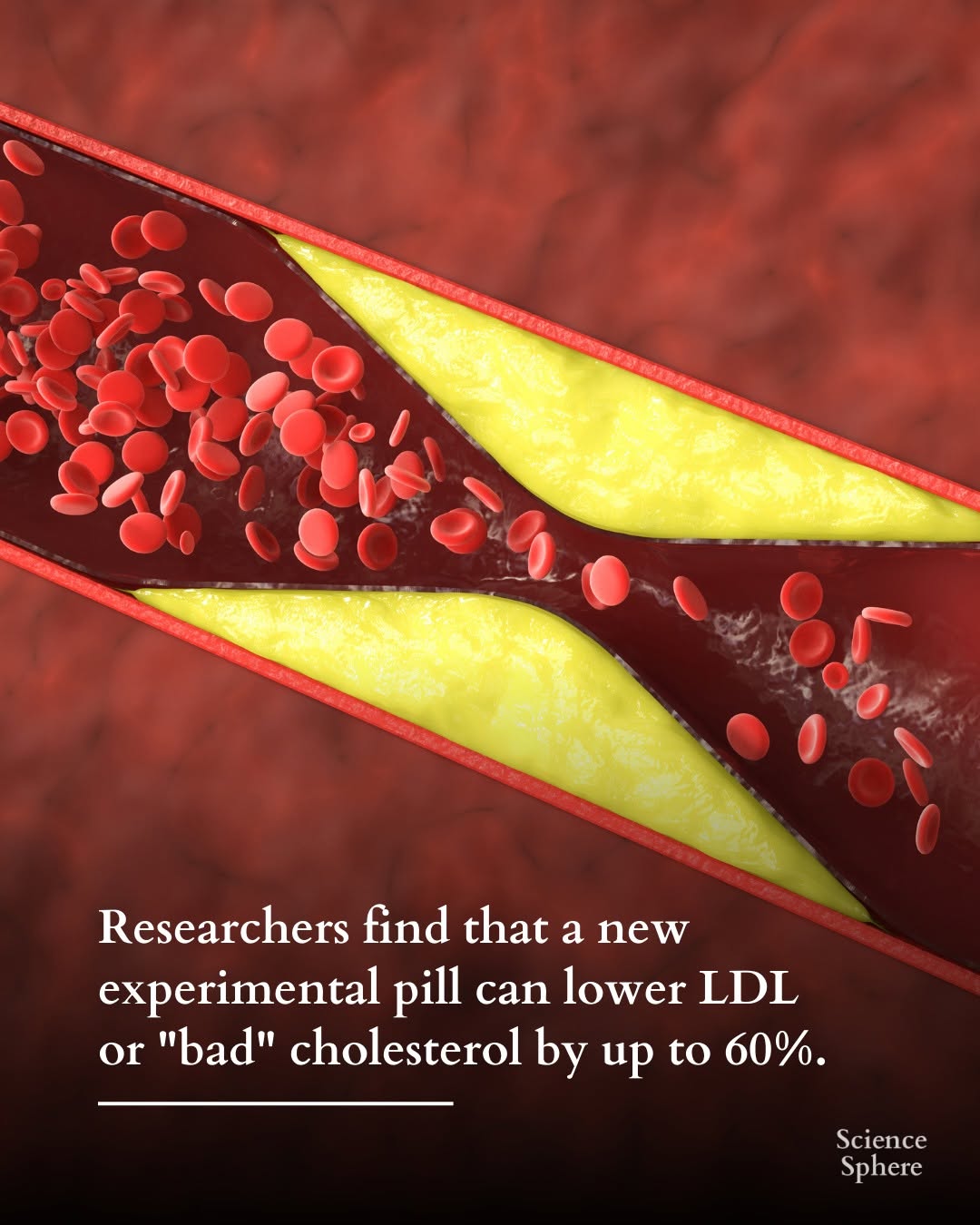
Summarises a July 2025 review: guidelines now target LDL-C <55 mg/dL (<40 after a recurrent event), PCSK9 inhibitors add 59-62% LDL reduction, and evidence (FOURIER, CTT meta-analysis, PCSK9 genetics) supports benefit to very low levels. It says safety concerns such as hemorrhagic stroke, cognitive decline (EBBINGHAUS) and hormone disruption are unsupported, while fewer than one in four high-risk patients reach target.

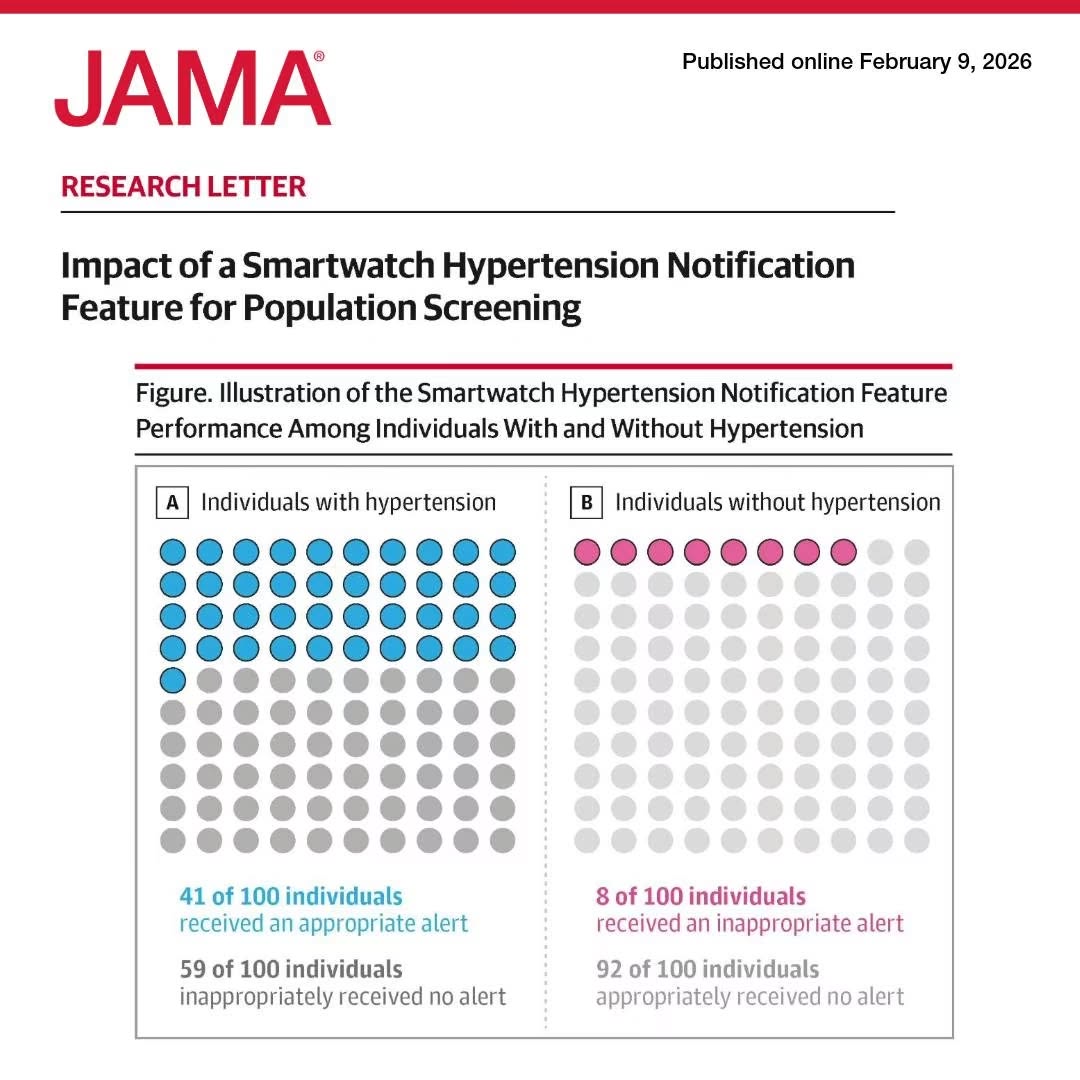
Apple Watch hypertension alerts: 69% of alerts correct, 79% of non-alerts correct

Feb 15, 2026 · Gokhan Can ♥ 7 · 💬 5 Blood pressure, salt & potassium

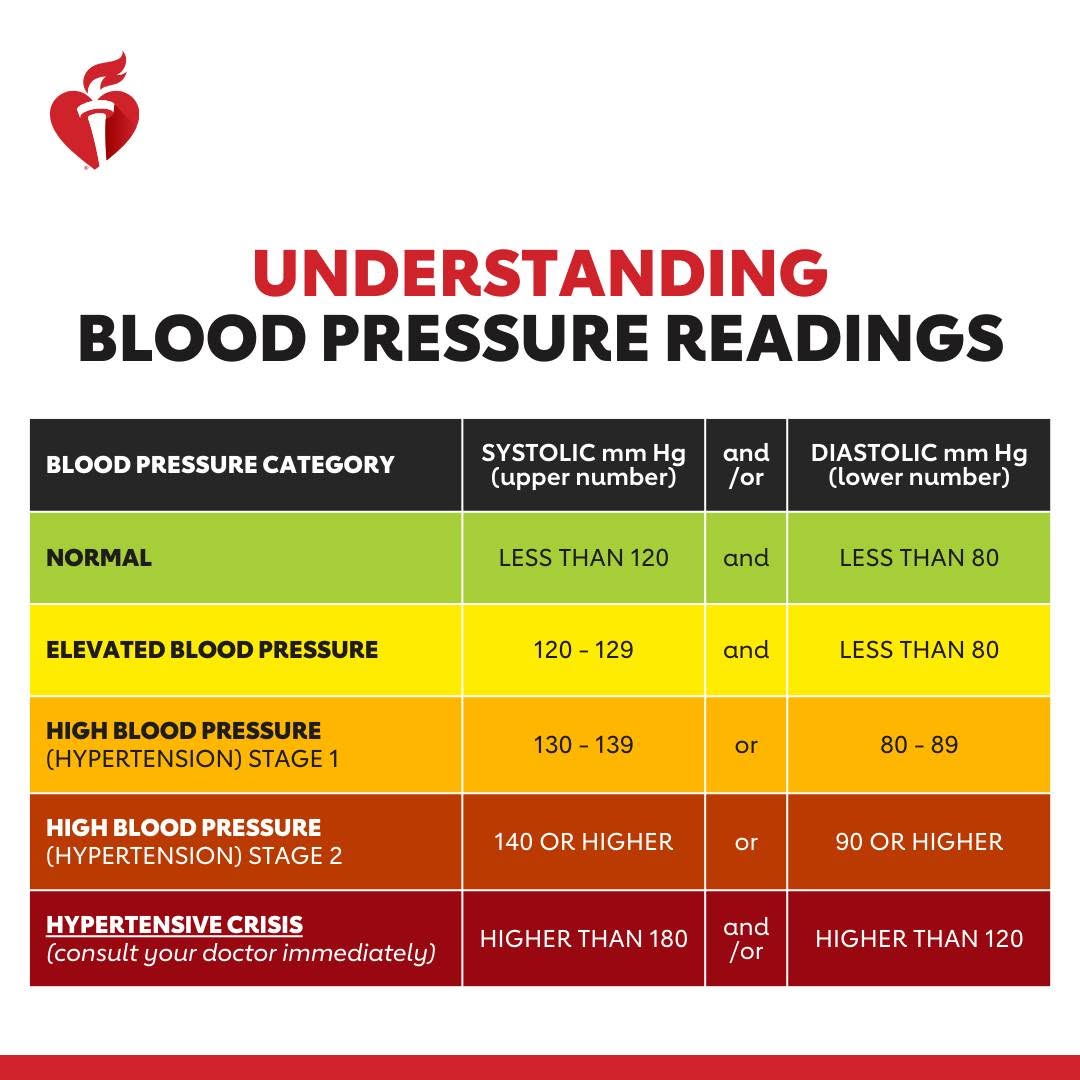
Shares a JAMA Cardiology analysis of the FDA-cleared Apple Watch hypertension notification using Apple's reported performance on national survey data: 69% of people alerted would have hypertension and 79% not alerted would not. Admin judges it better than relying on a doctor to catch it but worse than a proper cuff; cuff measurement remains the diagnostic standard.

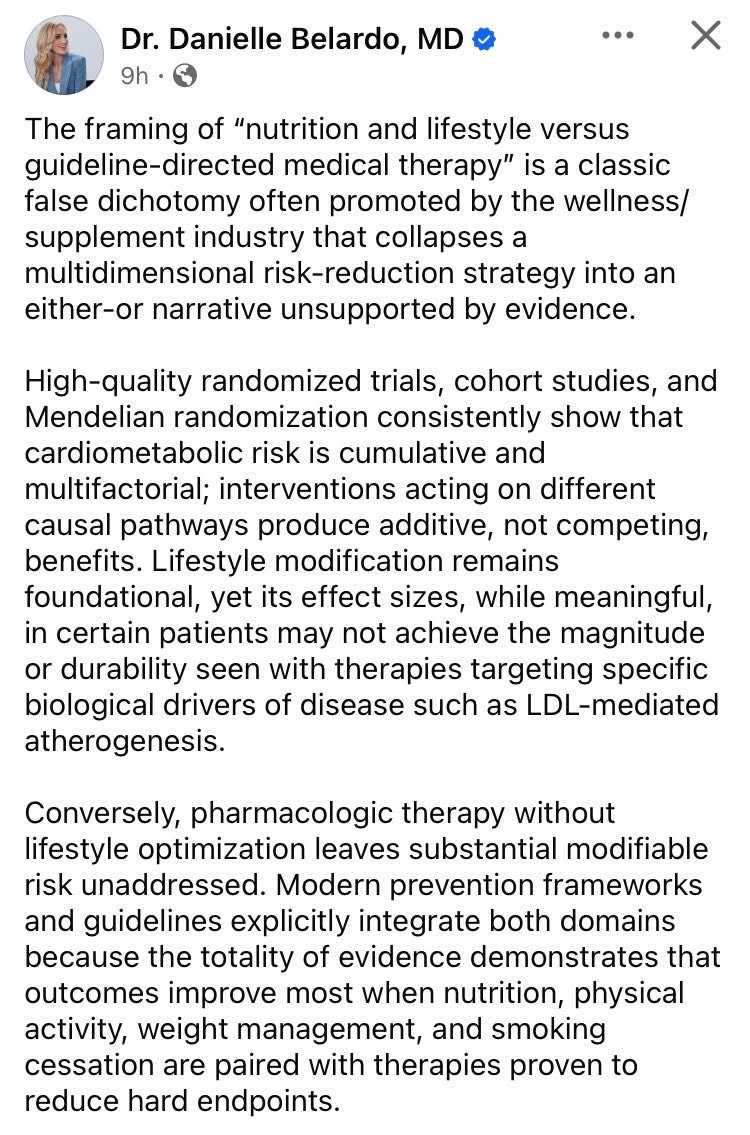
Lifestyle and drug therapy have additive benefits, so prevention should combine both

Dec 10, 2025 · Louis Nervegna ♥ 7 Cardiovascular disease: the big picture

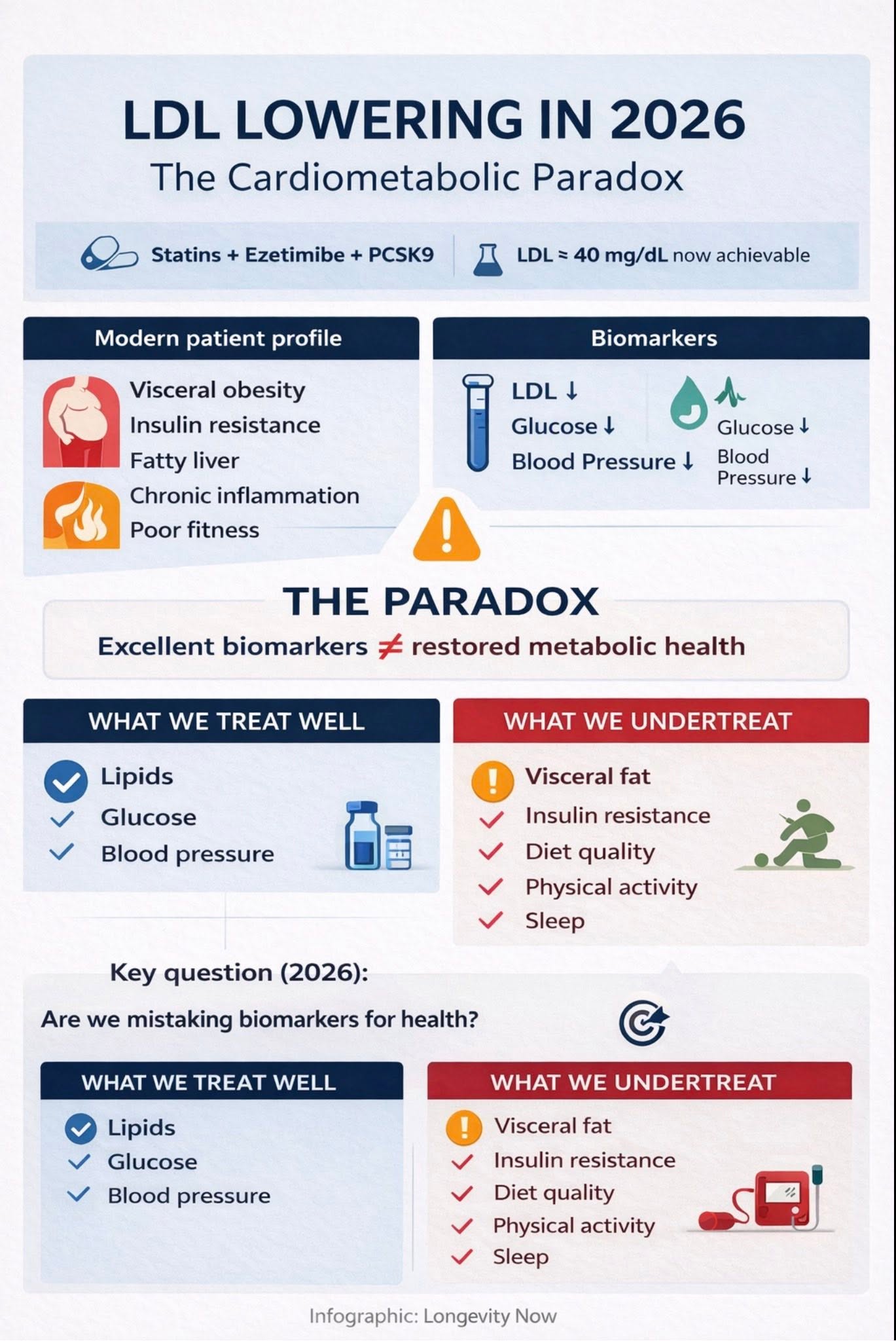
Louis quotes a statement arguing that cardiometabolic risk is cumulative and multifactorial, that interventions on different pathways give additive rather than competing benefits, and that lifestyle remains foundational while drugs targeting LDL-driven atherogenesis can add durable effect. He posts it as a counter to influencers who pit the two against each other.

JACC review: guidelines favor whole-food plant-based diets for CVD and cancer prevention

Dec 08, 2025 · Louis Nervegna ♥ 3 Mediterranean, DASH, MIND & plant-forward diets

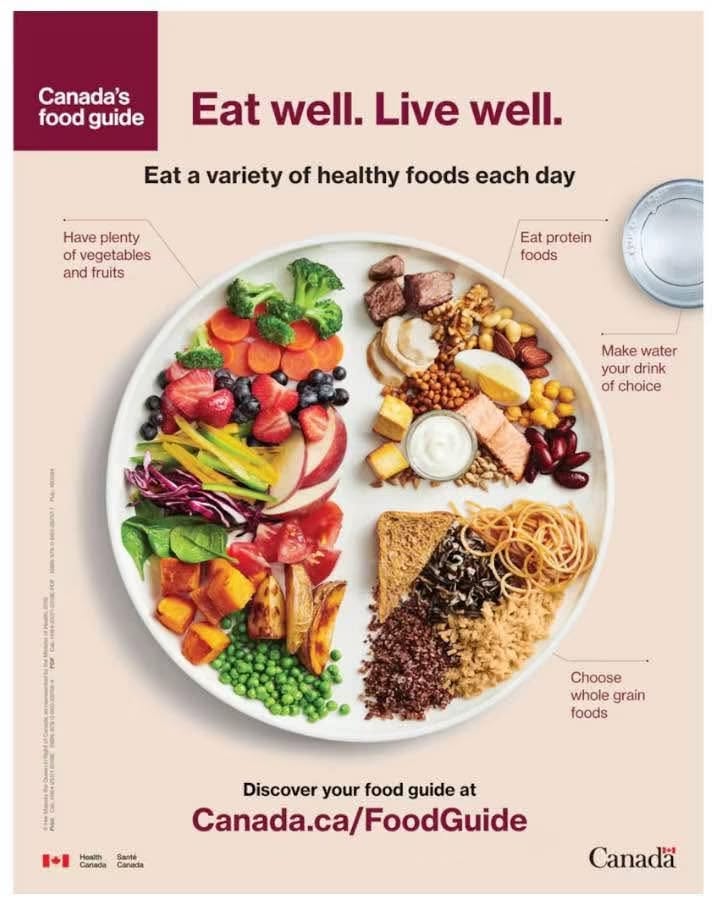
Louis quotes a September 2025 JACC: CardioOncology state-of-the-art review noting that AHA, ACC, ACS, NCCN and WCRF/AICR guidelines all recommend a predominantly whole-food plant-based diet, as does the EAT-Lancet consensus. Patterns like Mediterranean and DASH are included, emphasizing fruits, vegetables, whole grains, legumes, nuts, seeds and olive oil while minimizing red meat.