I want to remind people of the rules.
This is a science-based group.
You are welcome to share your opinion, as long as you clearly mark it as an opinion.
A clearly-marked opinion is very different from a statement of fact.
Saying “In my opinion, the earth is flat” is very different from saying “Many studies show that the earth is flat”. The second is a statement of fact, not an opinion.
If you’re going to make a controversial statement of fact, then you need to back it up with credible evidence. The more outlandish the claim, the stronger the evidence needs to be to support it.
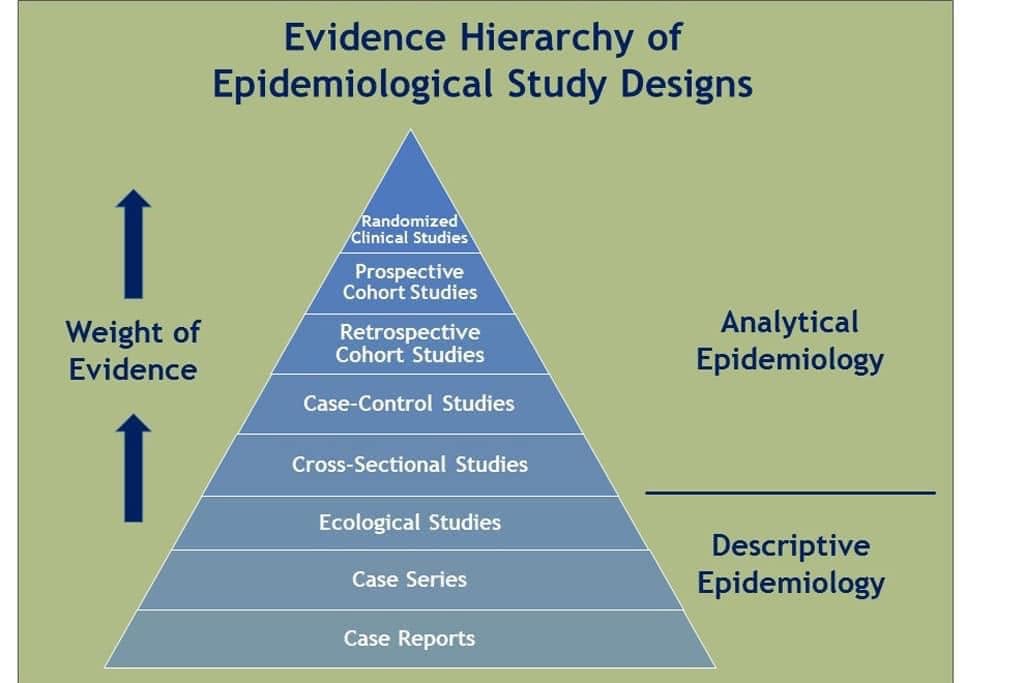
Please refer to this post about the evidence-hierarchy in medicine to understand what constitutes credible evidence:
↪ Check where a study sits on the evidence hierarchy before citing it
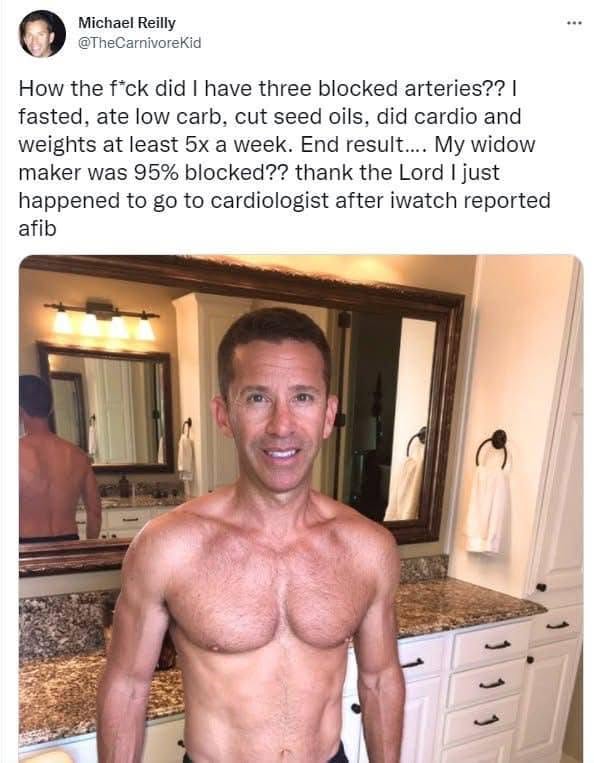
We have many sick people with heart disease in this group.
The posts and comments that worry me the most are the ones that make conspiratorial statements of fact that can be interpreted as encouraging sick people with heart disease to do things that might hurt them. (For example, encouraging people to ignore treatment advice from their cardiologists.)
Speaking only for myself, I really don’t care that much if you violate the rules in a way that won’t potentially hurt someone. But making conspiratorial statements that can hurt someone crosses the line for me. Please do not do this here.
Thank you.