Simple rule that I follow:
I don’t bet my life on anything that is not rigorously proven in a high quality randomized trial. Usually I want to see multiple trials, if the decision is really important. Not just one.
I do lots of things that aren’t rigorously proven where there is lower quality evidence. But I never bet my life on that. Hopefully, I will never be in a position where I am forced to do that. (Sometimes you have no choice.)
If someone tells me that I should do X to prevent heart disease, and that advice directly conflicts with results from high quality RCT’s, then I flat out ignore it. Simple.
If there is no conflict, then I at least try to consider it with an open mind if it looks promising.
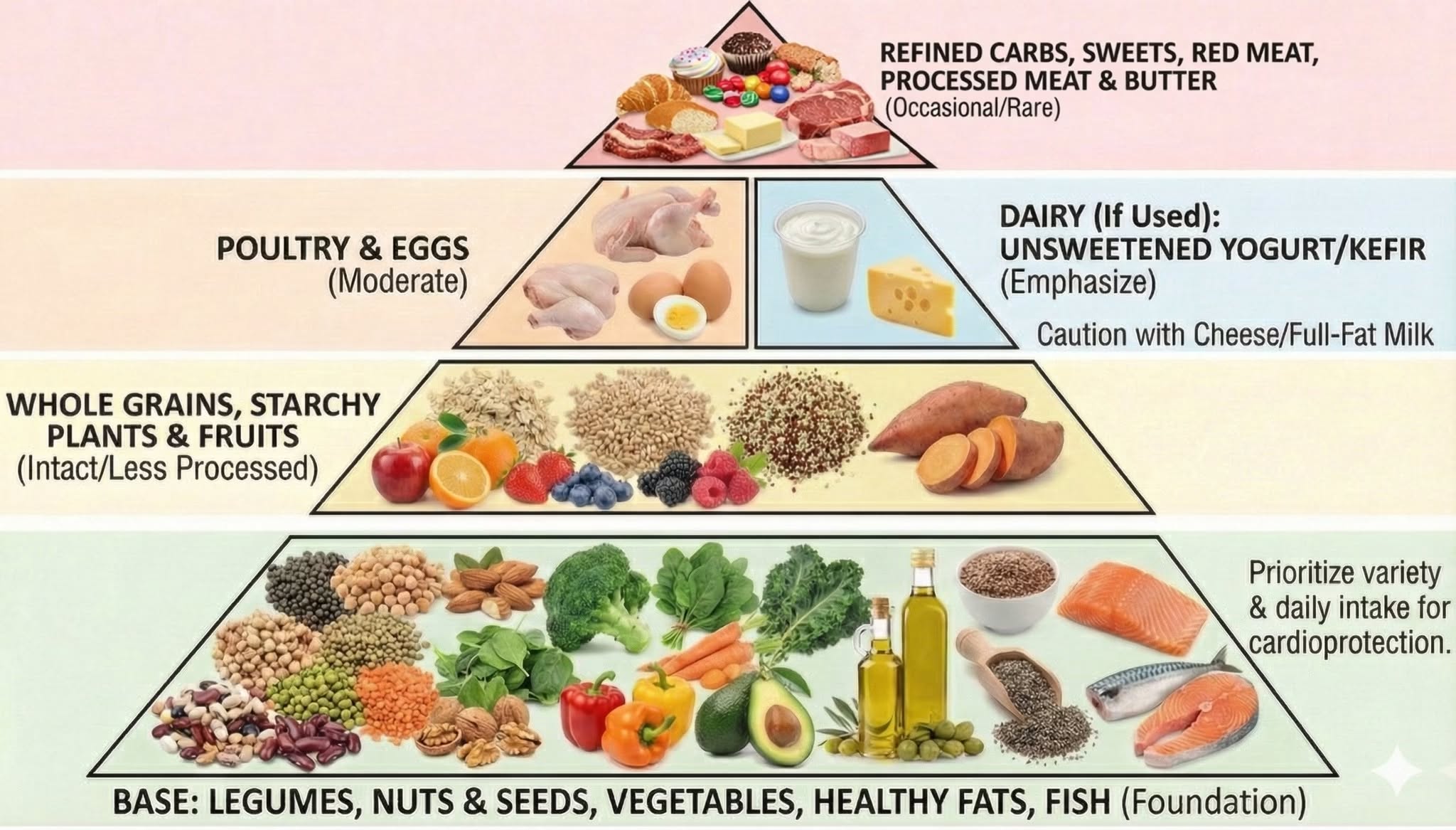
For example, if someone tells me to eat diet X, and I see 4 large long-running RCT’s that show a traditional Mediterranean diet dramatically lowers risk— and 0 for diet X— then I am not going to bet my life on diet X.
Same with medications. If dozens of large long-running RCT’s tell me that lowering LDL with medication lowers my risk, then I am going to go ahead and do that. I will do lots of other things as well, but I’m not going to bet my life on those other things alone without solid proof from RCT’s that they actually work. And in the vast majority of cases, that solid proof does not exist.
It’s important to focus on the things that have solid proof FIRST. Then add on additional things with less evidence afterward in a tiered fashion, if you decide that is what you want to do. This mathematically maximizes your chance of success, and limits the downside risk involved.
An optimal strategy to prevent and treat heart disease should ADD to the rigorously proven standard of care, as the evidence allows. It should not subtract. Why? Because the evidence bar for something to become standard of care is usually very high. Sometimes there are exceptions, but this is not the norm. Throwing the standard of care out the window is usually foolish. The standard of care is the established starting point. That’s where you begin.