HD-OPM Archive
Hashtags

#evidence

12 posts

Reliable medical knowledge does not require RCTs: smoking and trans fats as examples

Jan 08, 2024 · Louis Nervegna ♥ 17 · 💬 9 ↩ 1 How to read research

Louis argues that long RCTs are often unethical or impractical for diseases that take decades to develop, and that no human RCT showed smoking causes lung cancer or trans fats cause heart disease. Instead, causality is established by combining high-quality prospective cohorts, short-term biomarker RCTs and animal mechanistic studies, applying Bradford-Hill criteria, as with the Framingham Heart Study. He says much nutrition knowledge was built this way, so dismissing it for lacking long RCTs is mistaken.

Pelacarsen and ziltivekimab lowered their targets but not events, and why that matters

Nov 08, 2026 · Louis Nervegna ♥ 8 · 💬 6 Lp(a)

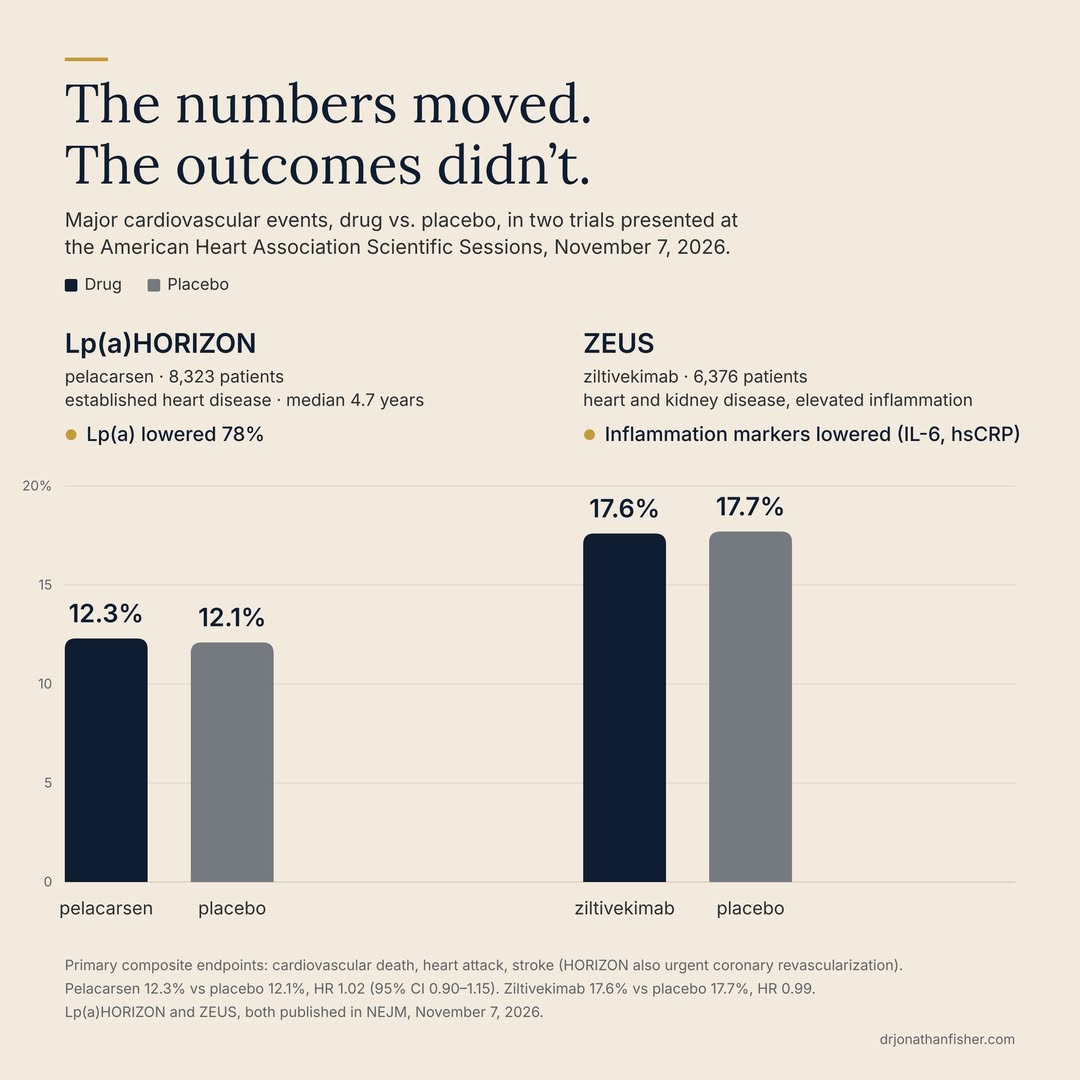
Louis shares a physician's commentary on the Lp(a) and inflammation trials presented at AHA: one drug lowered Lp(a) nearly 80% and another sharply cut inflammation, yet event rates matched placebo. The lesson is that measuring and changing a marker does not guarantee benefit, and that the underlying risk factors still matter.

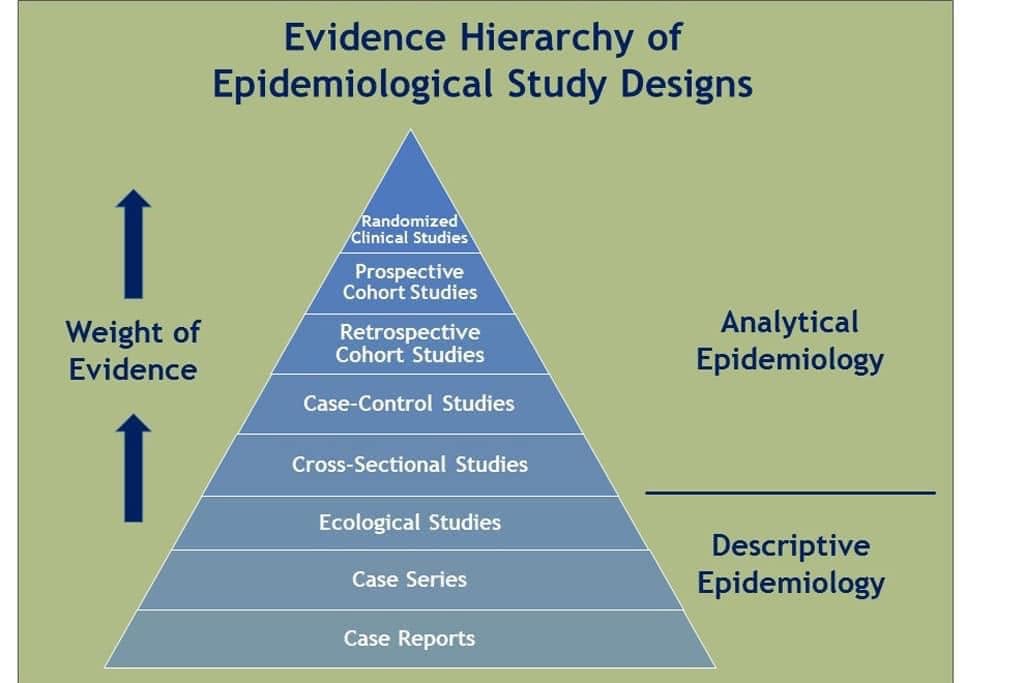
Randomized trials and prospective cohorts top the evidence hierarchy

Sep 18, 2026 · Louis Nervegna ♥ 18 · 💬 2 How to read research

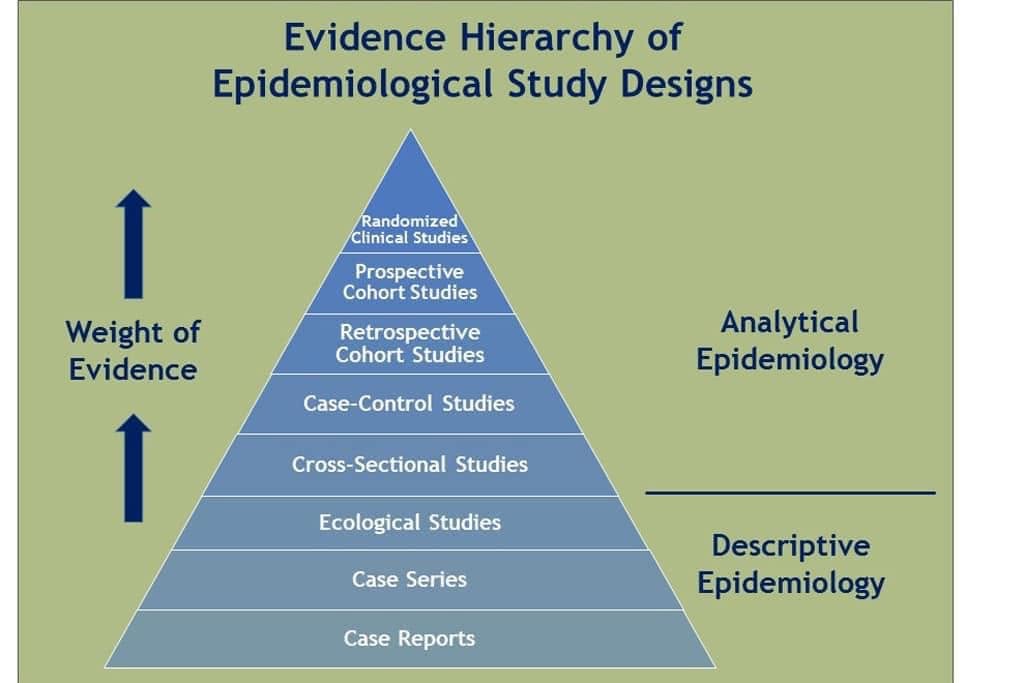
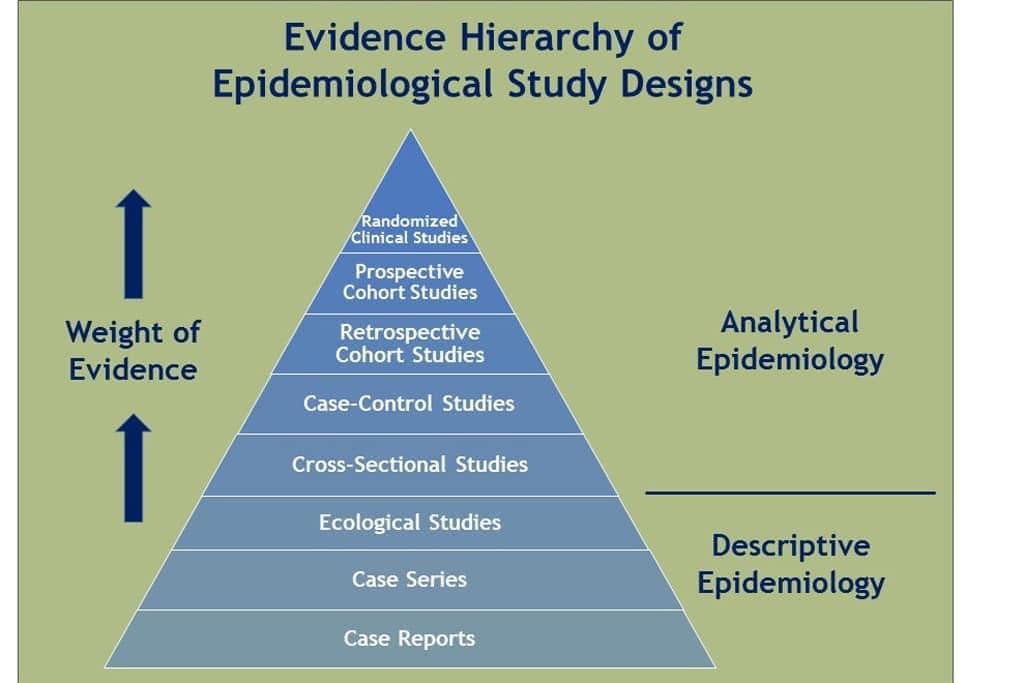
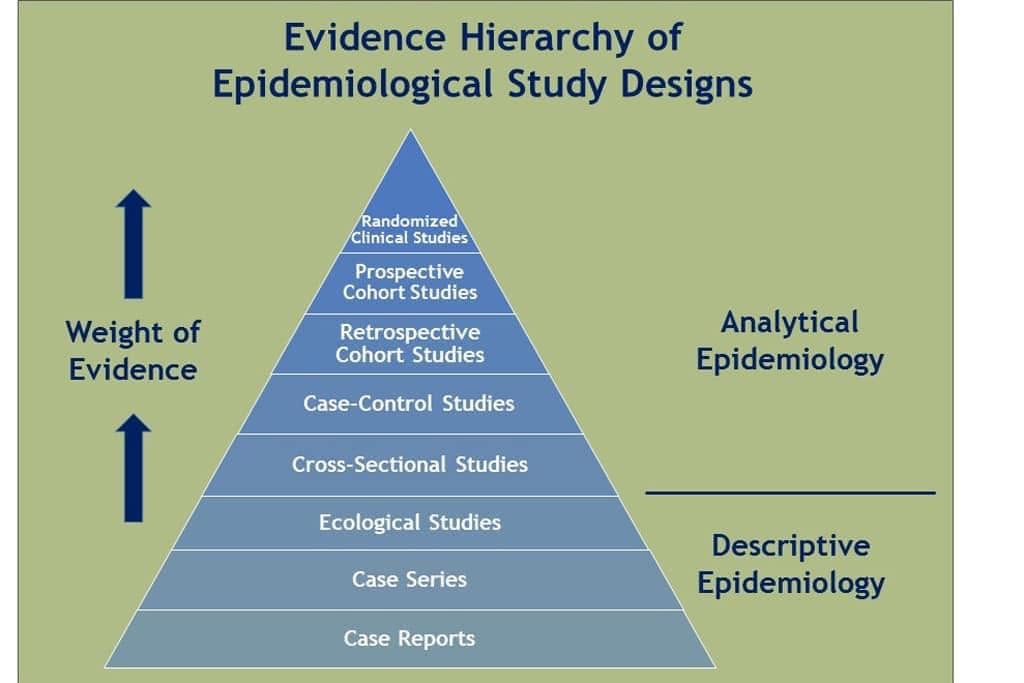
The poster explains that randomized controlled trials can prove causality and prospective cohort studies track long-term outcomes, so the two together are the best evidence. He warns that people often cite lower-level studies to refute higher-level ones and urges readers to ask where a study sits on the hierarchy.

Absence of evidence is not evidence of absence: weighing unproven interventions

Oct 30, 2026 · Louis Nervegna ♥ 6 · 💬 1 How to read research

Louis explains that an intervention that has not been properly studied is indeterminate, not proven ineffective, and that this differs from interventions proven not to work. For speculative items such as supplements, he suggests assigning a subjective probability from limited evidence, while warning against betting your life on indeterminate interventions.