The minimum amount of exercise necessary to see a big benefit is probably around 7000 steps per day.
Of course more is better. But this is enough to see a big drop in risk of dying or developing various diseases.
Louis highlights a University of Sydney-led meta-analysis of 57 studies suggesting 7,000 steps per day lowers risk of early death by nearly half and reduces heart disease, diabetes, dementia and depression.
The minimum amount of exercise necessary to see a big benefit is probably around 7000 steps per day.
Of course more is better. But this is enough to see a big drop in risk of dying or developing various diseases.
Forget the 10,000-step myth—just 7000 steps a day can cut your risk of early death by nearly 50%, according to a sweeping global study led by the University of Sydney.
Analyzing data from 57 studies across 10 countries, researchers found that walking 7000 steps a day offers most of the health benefits traditionally associated with the 10,000-step goal—including significant reductions in heart disease, type 2 diabetes, dementia, and depression. In fact, the risk of death dropped 47% at 7000 steps—with only modest gains beyond that point.
The message? Progress beats perfection. Even increasing your daily steps from 2000 to 4000 shows measurable health benefits. For people who find traditional fitness targets daunting, this study offers a more realistic, achievable goal—one that could transform public health guidelines worldwide.
Follow Science Sphere for regular scientific updates
Ding Ding et al, "Daily steps and health outcomes in adults: a systematic review and dose-response meta-analysis", The Lancet Public Health (July 2025)
Louis points to prior posts collating randomized trials showing plaque regression with statins, ezetimibe, PCSK9 inhibitors, colchicine and high-dose EPA. Tags reference trials such as ASTEROID, GLAGOV, PACMAN-AMI, EVAPORATE and LODESTAR. The post itself is mainly a pointer to those earlier posts.
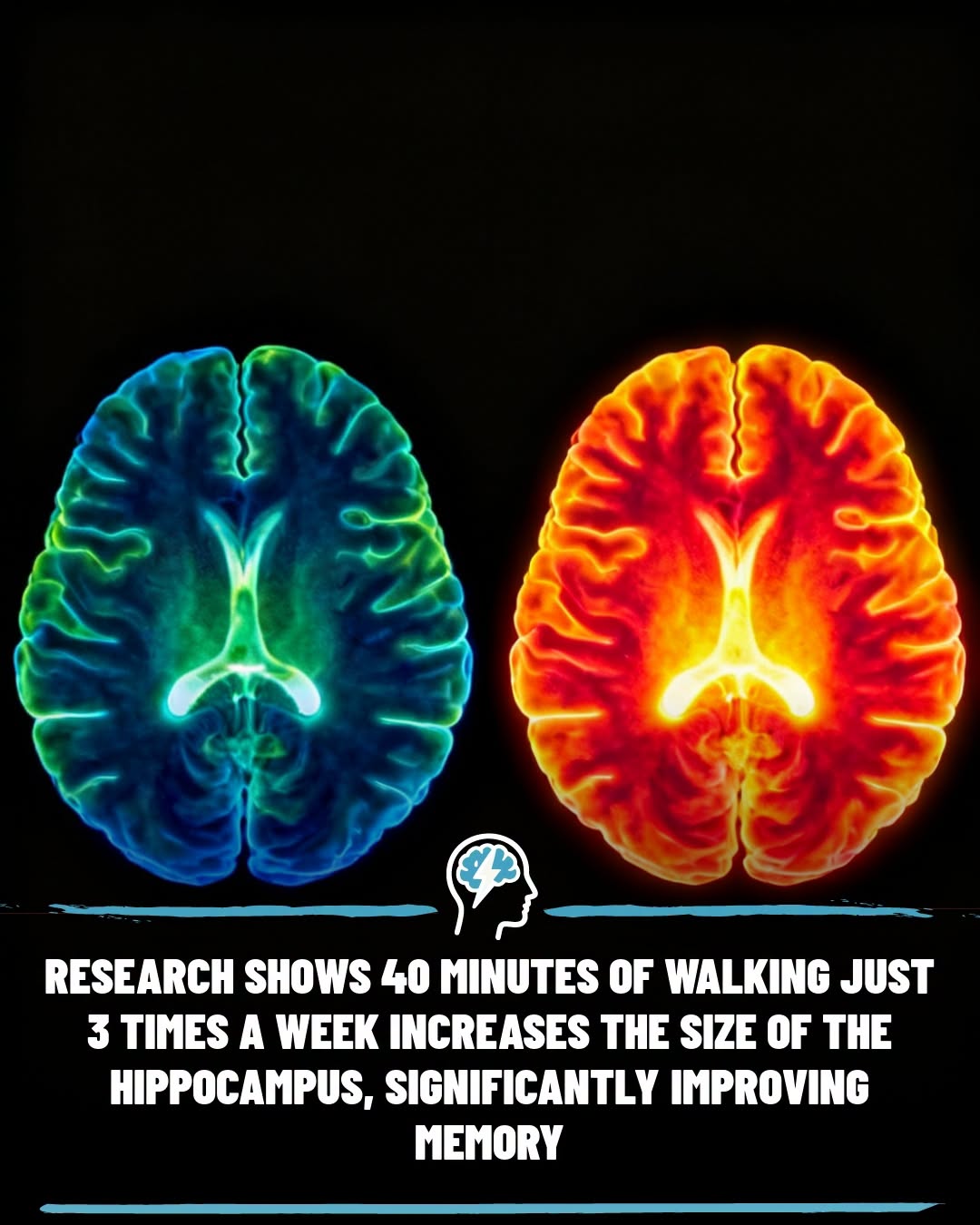
A year-long study found adults walking 40 minutes three times weekly had hippocampal growth, while stretching-only participants lost about 1-2% of hippocampal volume.
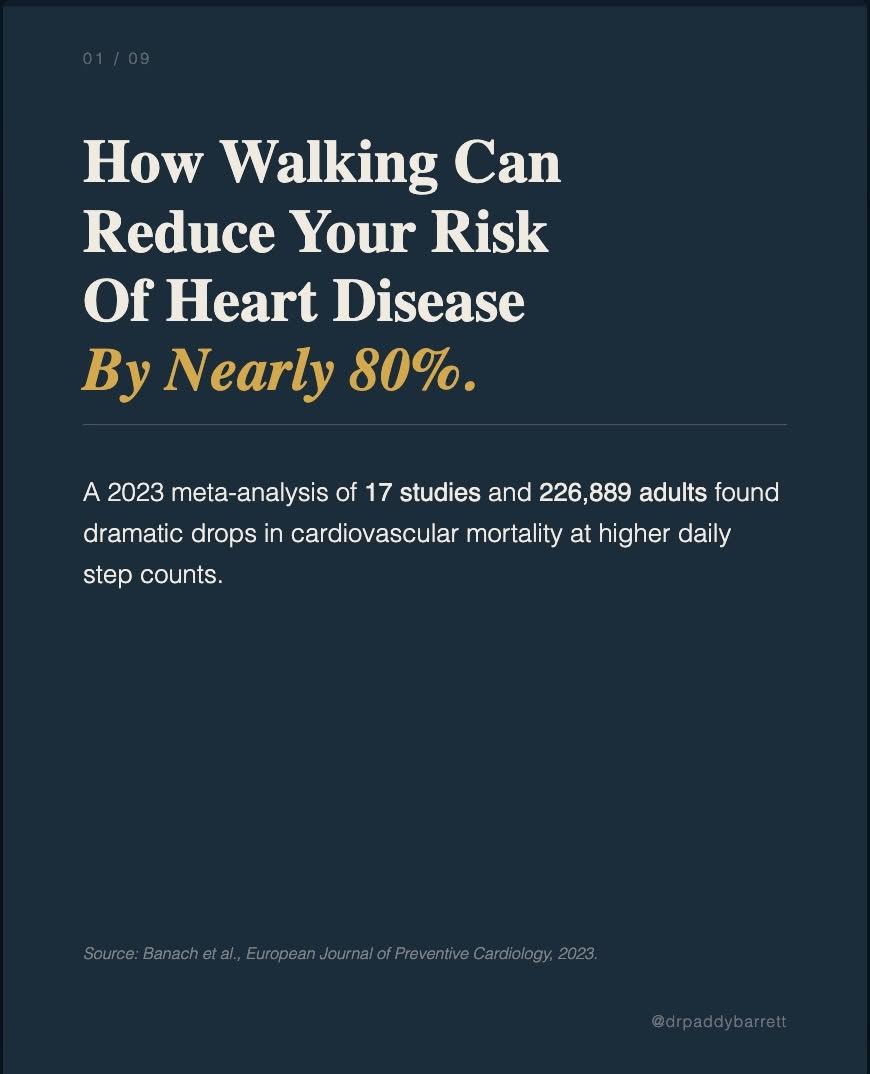
Louis shares a 2023 meta-analysis of 17 studies and 226,889 adults: benefits begin around 4,000 steps with no plateau up to 20,000.
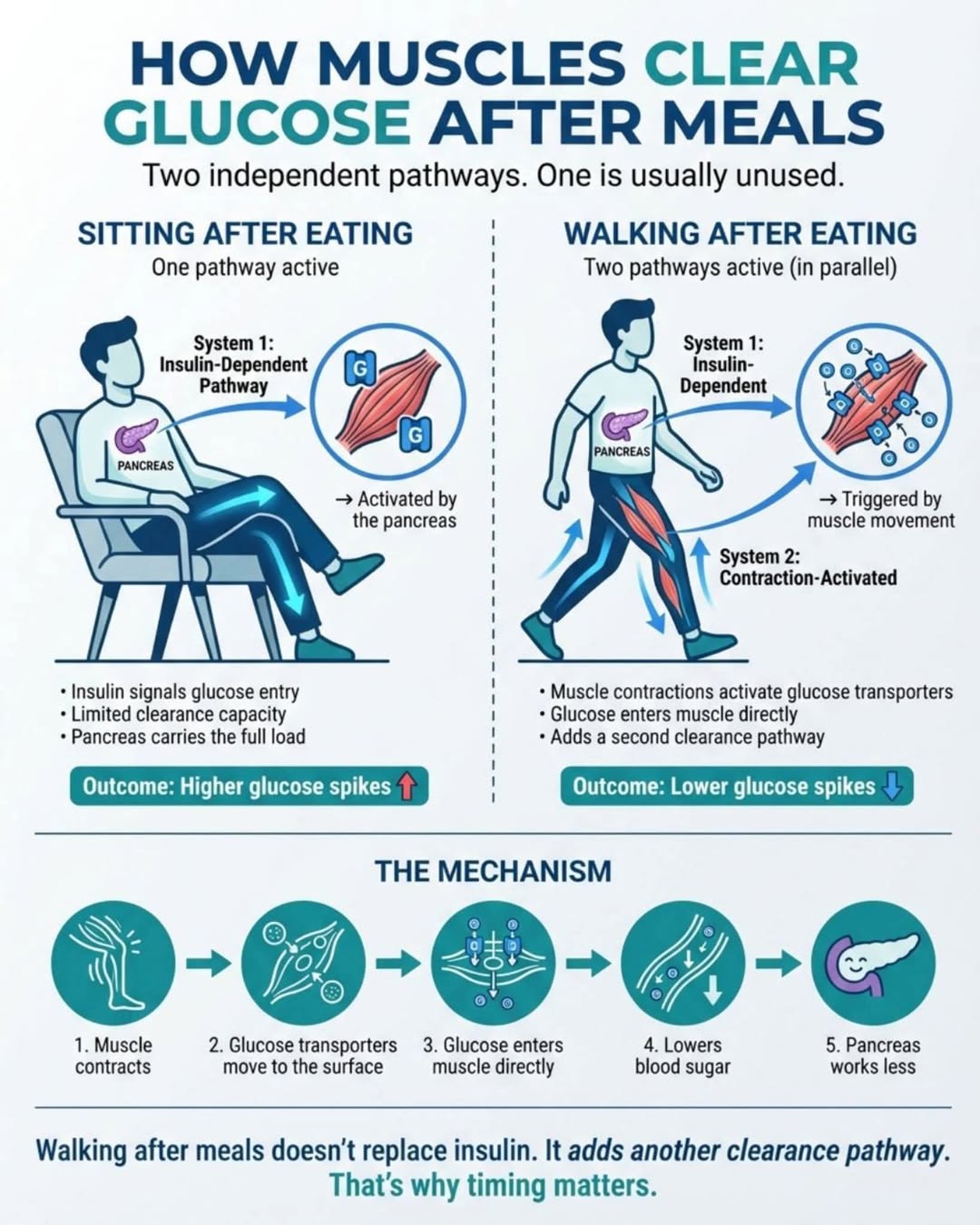
William Wallace explains that sitting after eating relies on insulin signaling, while moving activates GLUT4 transporters through muscle contraction, so glucose enters muscle faster with lower peaks and less pancreatic demand. Louis shares it as a rationale for post-meal walking.

Louis highlights that big mortality reductions appear at lower step counts than expected, especially for sedentary people.
Louis shares Dean Ornish's advice that consistent daily movement like walking lowers blood pressure, improves insulin sensitivity and reduces inflammation.