HD-OPM Archive
Hashtags

#exercise

125 posts

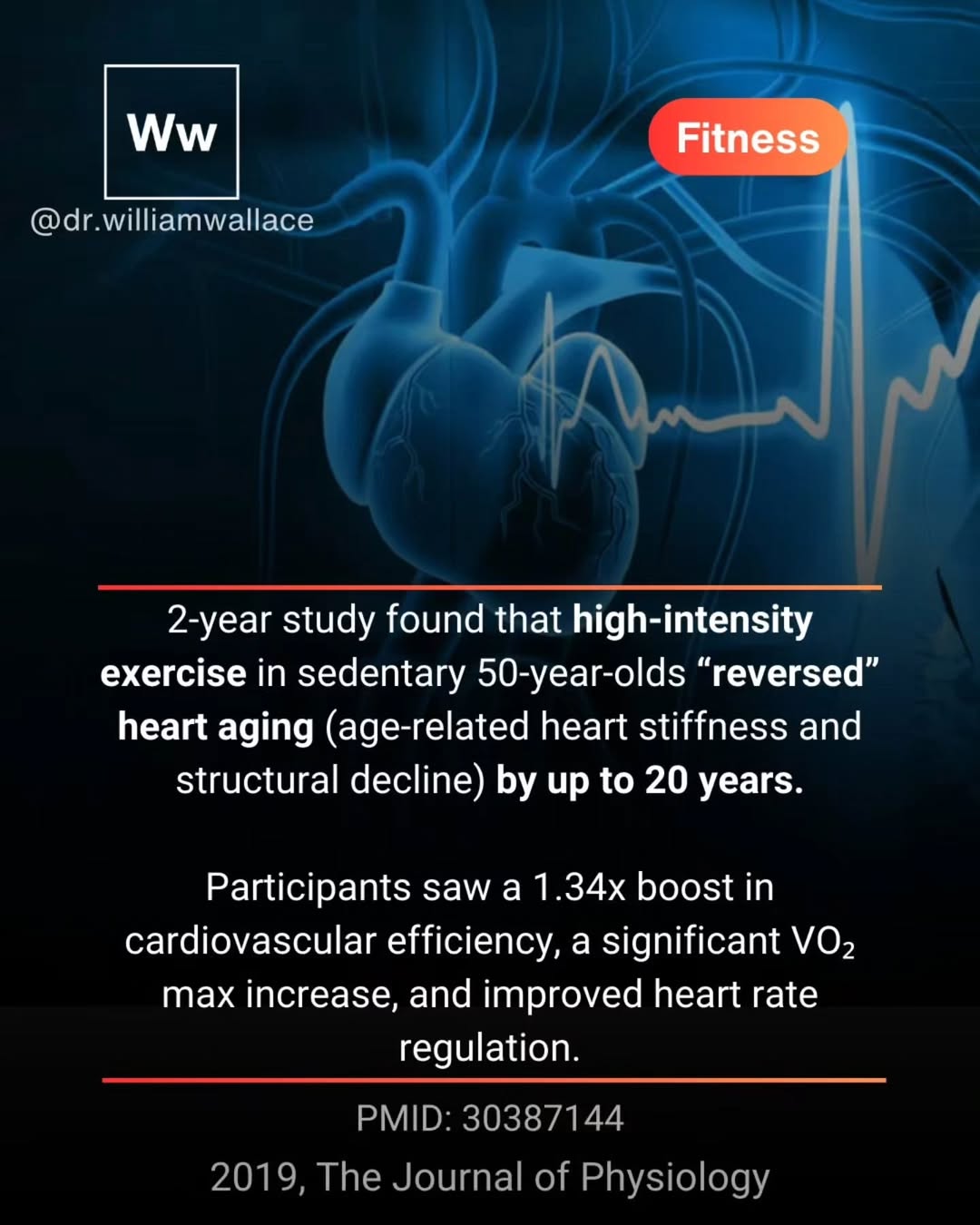
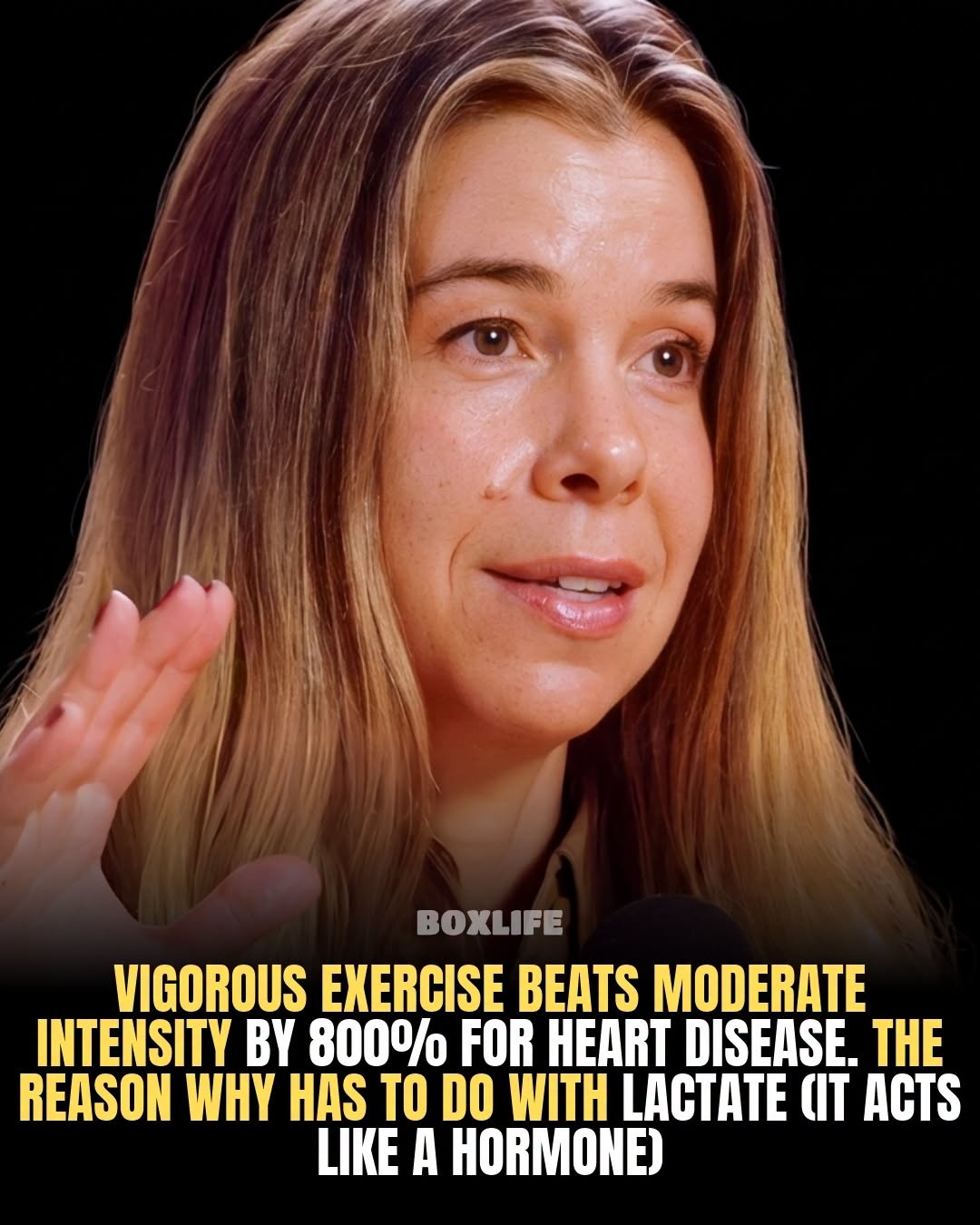
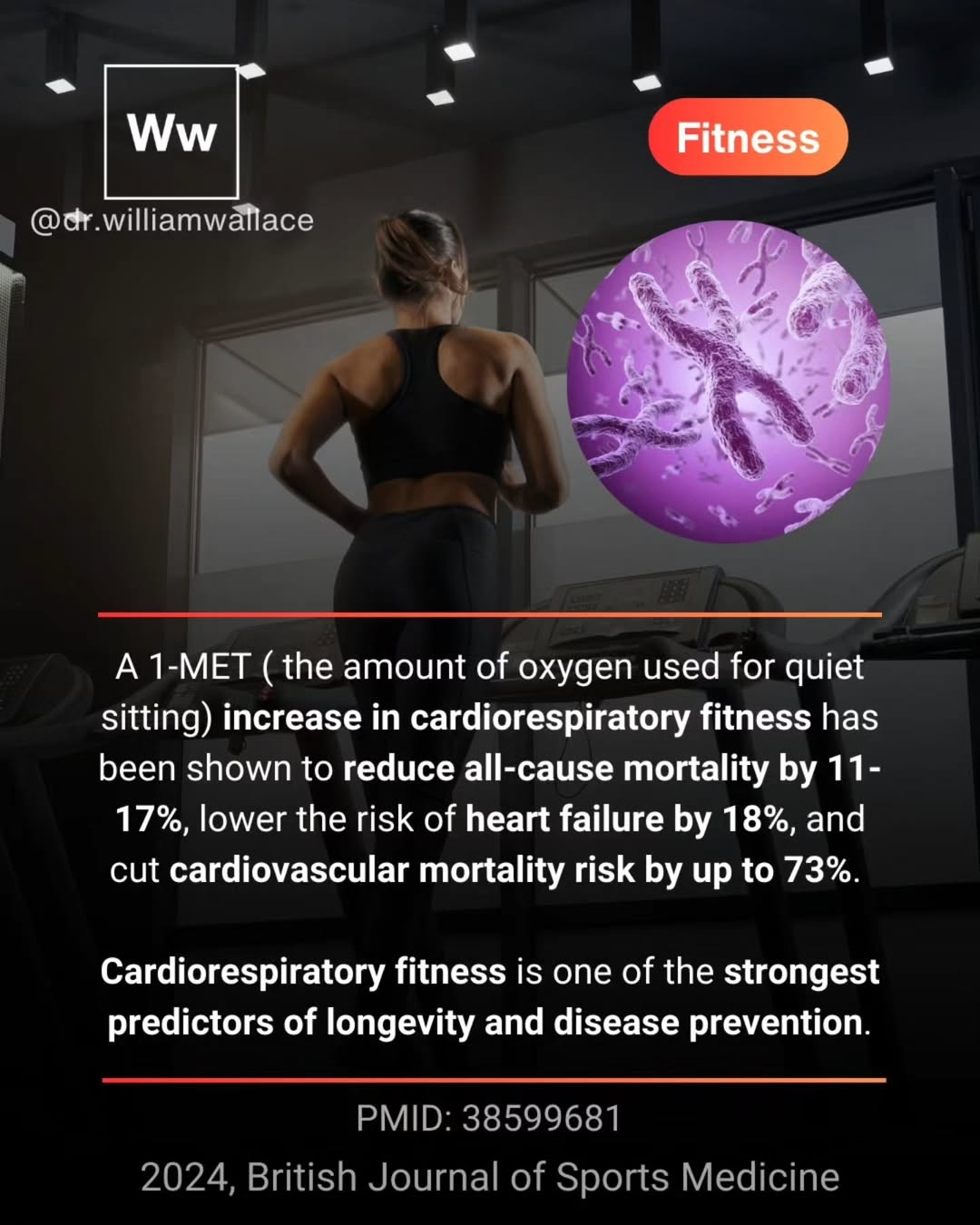
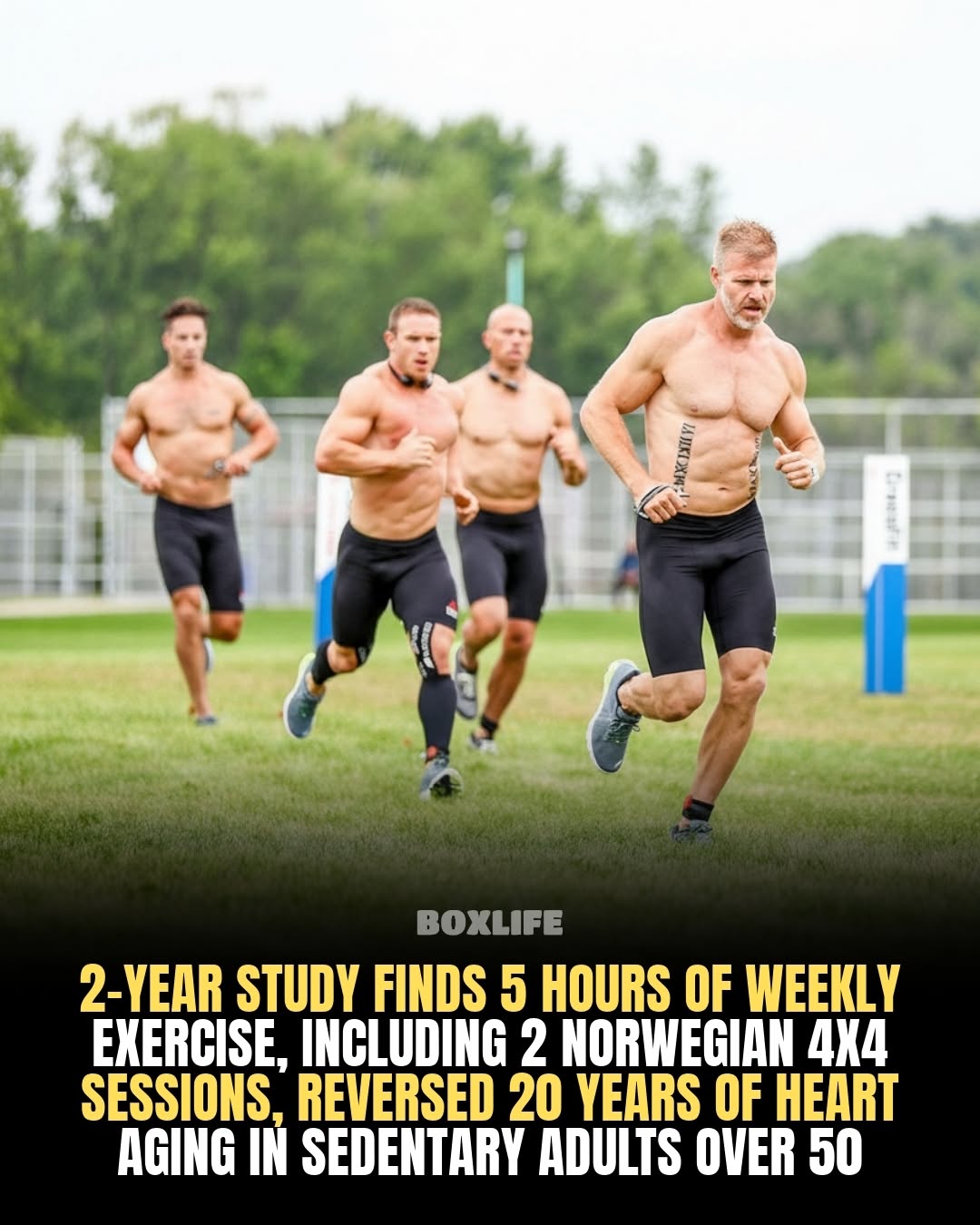
Norwegian 4x4 intervals: Rhonda Patrick on reversing heart aging and raising VO2 max

Oct 04, 2025 · Gokhan Can ♥ 27 · 💬 29 Exercise & fitness

Summarises a Rhonda Patrick video: moderate exercise is ineffective for many, so vigorous HIIT such as the Norwegian 4x4 (four 4-minute efforts at about 80-90% max heart rate with 4-minute recovery) improves VO2 max. She cites a two-year study that reversed about 20 years of cardiac aging in sedentary 50-year-olds, and exercise reducing glycation-driven heart stiffness (Asif et al., PNAS 2000).

Master@Heart: higher wearable-measured training load linked to more coronary plaque

Mar 06, 2026 · Louis Nervegna ♥ 28 · 💬 27 ↩ 3 Exercise & fitness

Louis argues intense exercise, especially high intensity plus high volume, carries risks as well as benefits, citing a Circulation 2026 Master@Heart analysis of wearable training load and coronary atherosclerosis in middle-aged and older athletes versus active controls. He notes the net benefit of exercise remains large but the plaque signal can no longer be ignored.

Olive oil's brief FMD dip resembles exercise's transient, hormetic endothelial effect

Jul 02, 2024 · Louis Nervegna ♥ 19 · 💬 25 ↩ 6 Blood vessels, circulation & endothelium

Responding to Esselstyn's reliance on a short-term study of refined olive oil impairing endothelial function, the poster notes exercise causes the same transient dip followed by rebound. Quoted exercise physiology papers describe an immediate FMD nadir followed by normalization or supranormalization, and he says over 30 RCTs show olive oil improves FMD long term.

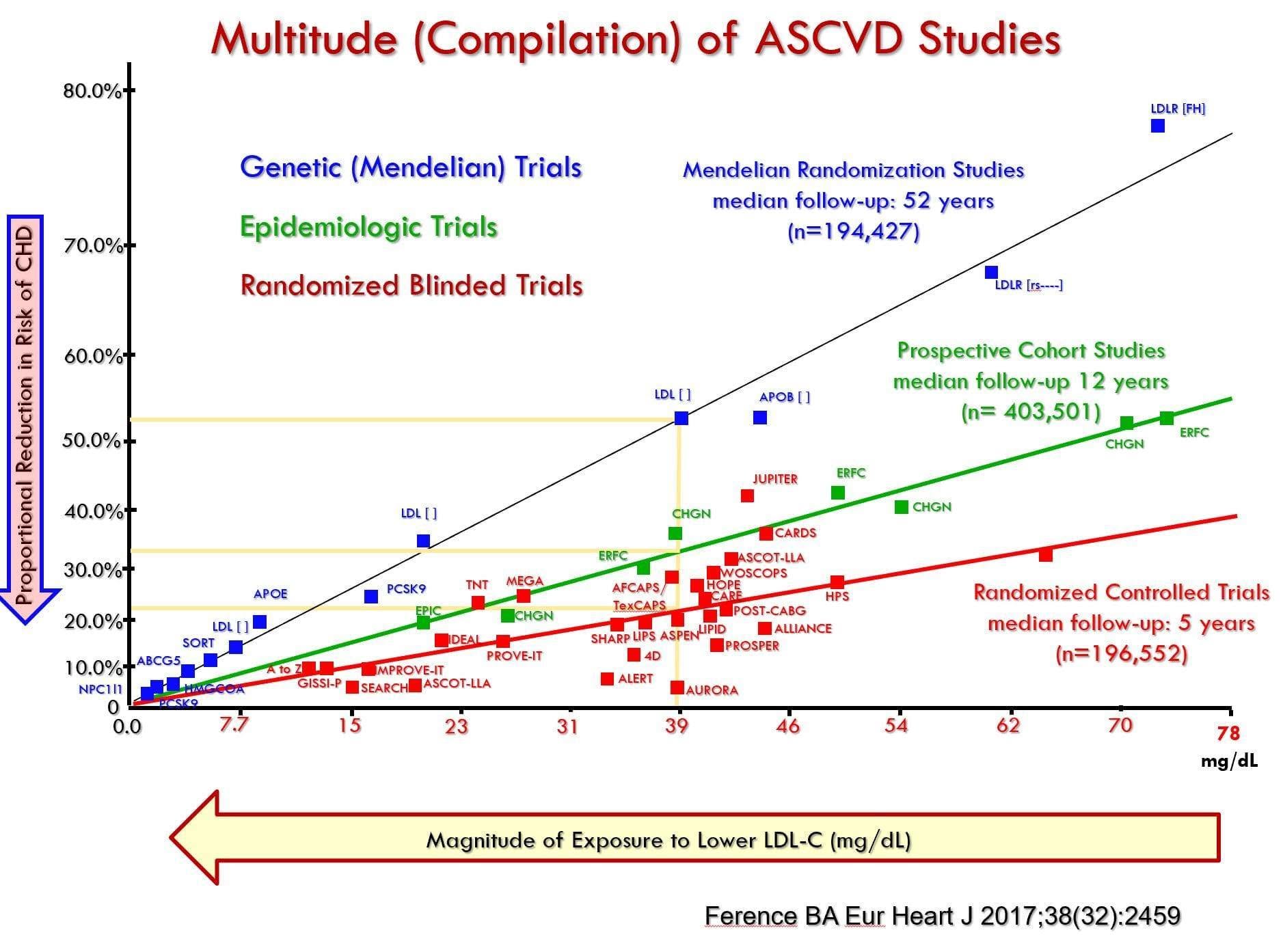
The longer the lower the better: lifelong LDL lowering and an estimated 60% risk reduction

Nov 20, 2023 · Gokhan Can ♥ 17 · 💬 21 ↩ 2 LDL, ApoB & lipid panel

Argues that the benefit of LDL lowering depends on both how much and how long LDL is reduced. The author, one of the group's admins, is betting on very low-dose statins to hold LDL at 70-100 mg/dL, and estimates about 60% lifetime risk reduction from a 70-point lowering sustained for 30 years. The post also cites Charles Grashow as a case of CAC regression.

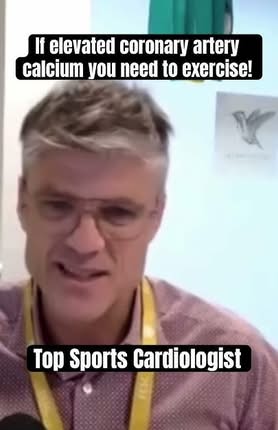
Exercise, including HIIT, can reduce coronary plaque burden and add to LDL lowering

Jul 10, 2025 · Louis Nervegna ♥ 25 · 💬 17 ↩ 8 Plaque, CAC & CT angiography

A shared review states that regular moderate-to-high intensity exercise reduces coronary plaque burden in CAD patients, with HIIT and moderate continuous training both leading to regression. Combining exercise with aggressive LDL control below 70 mg/dL gives additive benefit, while extreme volumes may increase calcification though with more stable plaque.

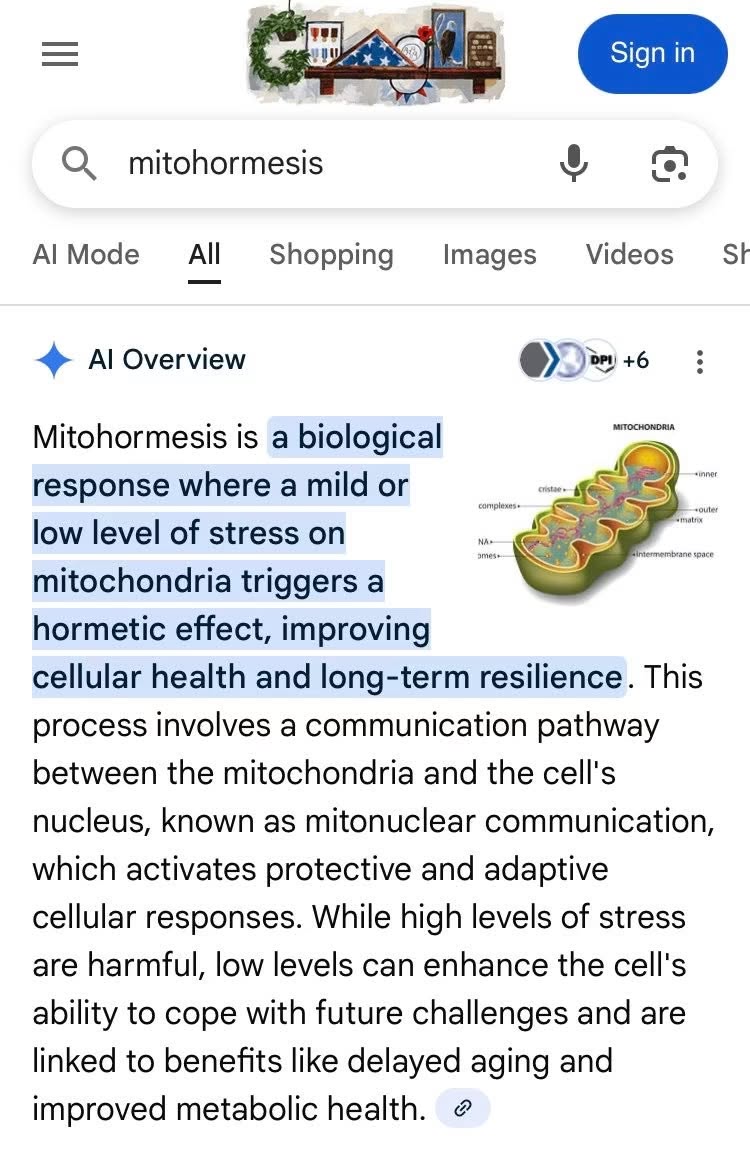
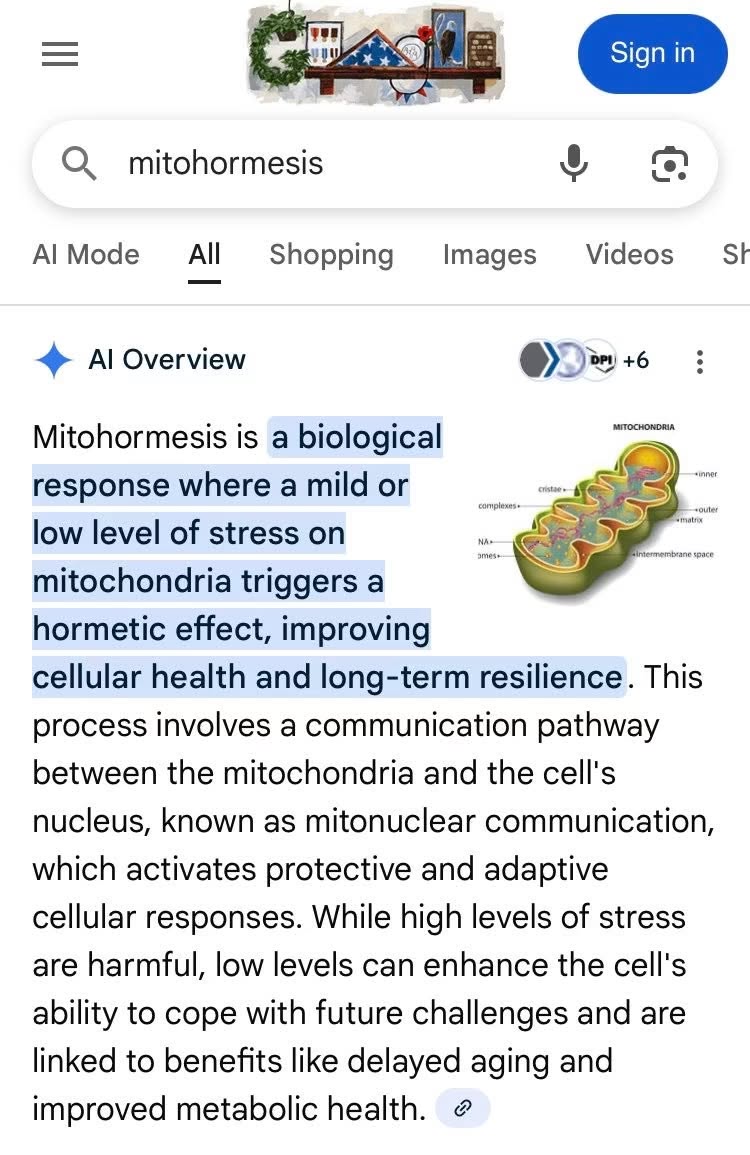
Mild mitochondrial stress from statins is hormetic, not harmful

Nov 17, 2025 · Louis Nervegna ♥ 25 · 💬 11 Statins

Louis argues that mild mitochondrial toxicity from statins, metformin, exercise and calorie restriction is mitohormesis, which is beneficial at low doses. He says influencer claims that statins damage mitochondria misrepresent this.

Two years of structured exercise reversed up to 20 years of heart aging at age 50

Mar 18, 2025 · Louis Nervegna ♥ 25 · 💬 8 Exercise & fitness

Louis reshares a FoundMyFitness description of Dr. Benjamin Levine's trial, in which sedentary 50-year-olds who trained 5-6 hours per week for two years made their hearts structurally younger, more like a 30-year-old's. The protocol combined Norwegian 4x4 intervals, recovery aerobics, long endurance sessions and twice-weekly strength training.

Esselstyn's olive oil FMD claim challenged: exercise also dips FMD short term but helps

Aug 12, 2024 · Louis Nervegna ♥ 22 · 💬 11 Blood vessels, circulation & endothelium

A video clip shows Gil Carvalho challenging Caldwell Esselstyn's claim that olive oil damages arteries because it temporarily suppresses flow-mediated dilation (FMD). The poster notes exercise does the same temporarily and is hormetic, and says over 30 human RCTs show olive oil improves FMD and endothelial function long term.

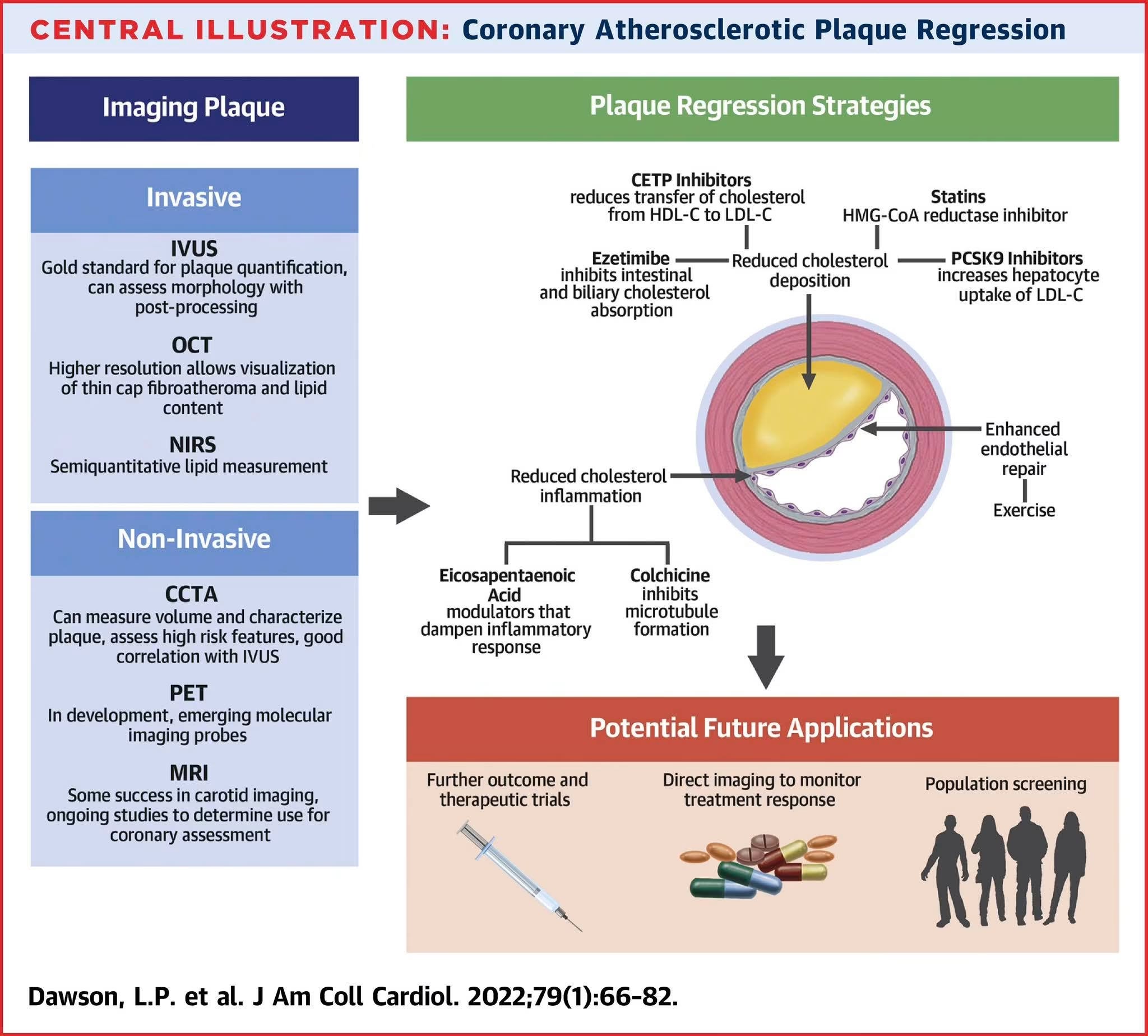
Plaque reduction: statins, PCSK9 inhibitors and ezetimibe have the strongest evidence

May 18, 2024 · Gokhan Can ♥ 32 · 💬 5 Plaque, CAC & CT angiography

Ranks interventions for regressing or stabilizing atherosclerotic plaque. Statins, PCSK9 inhibitors and ezetimibe have the strongest trial evidence, with high-dose EPA and pioglitazone fairly good; colchicine, aged garlic, Centella, pine bark, nattokinase and plant-based diets are promising but need rigorous imaging RCTs, and evidence for exercise, L-arginine and vitamin K2 is limited.

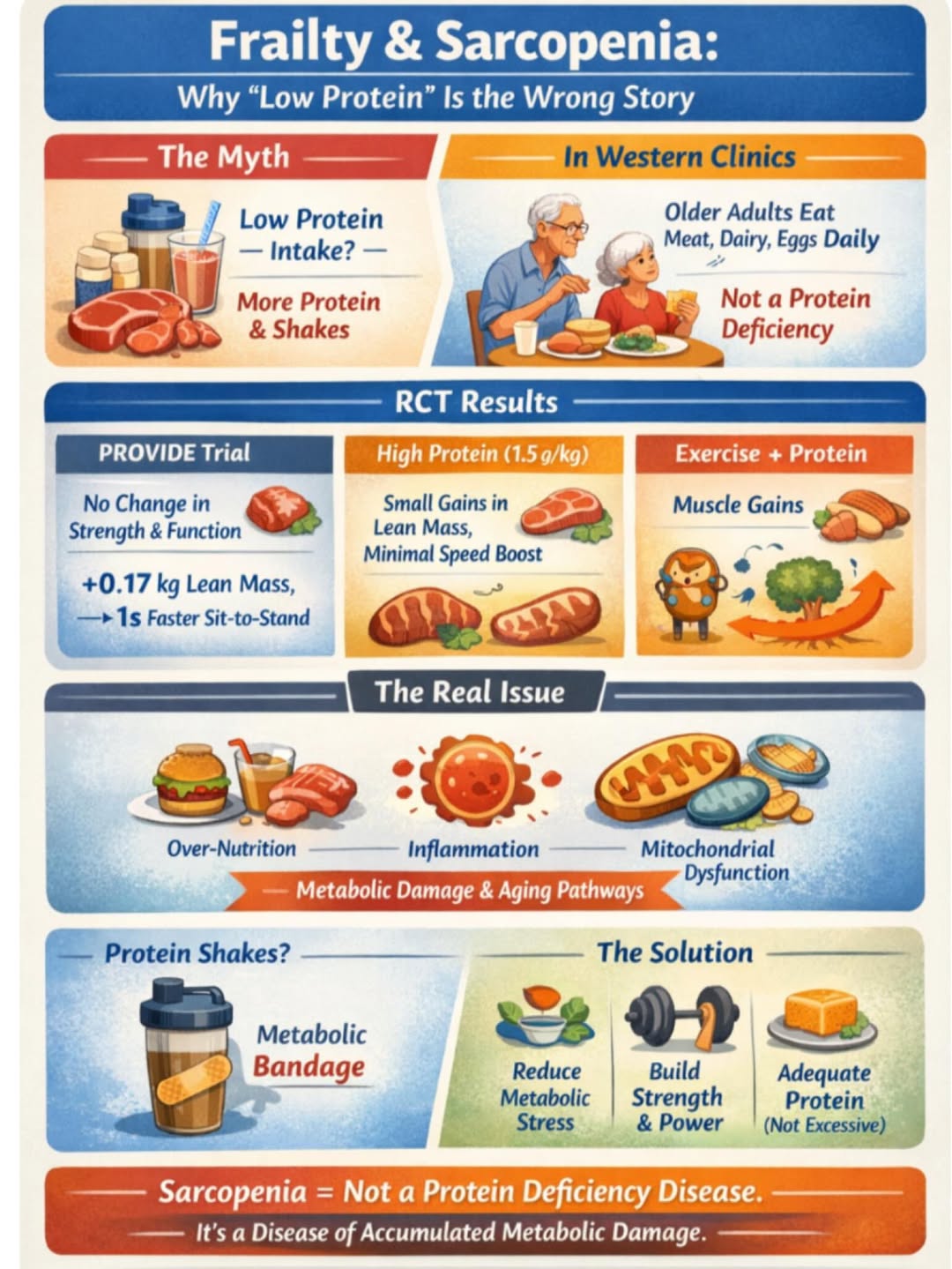
Frailty in older adults is not a protein-deficiency disease, per Luigi Fontana

Dec 19, 2025 · Louis Nervegna ♥ 14 · 💬 9 Protein

Louis shares Luigi Fontana's argument that frailty and sarcopenia in Western older adults reflect decades of overnutrition and inactivity, not low protein. The post cites randomized trials in which protein supplements gave small or no functional gains, while resistance exercise produced the functional benefit.

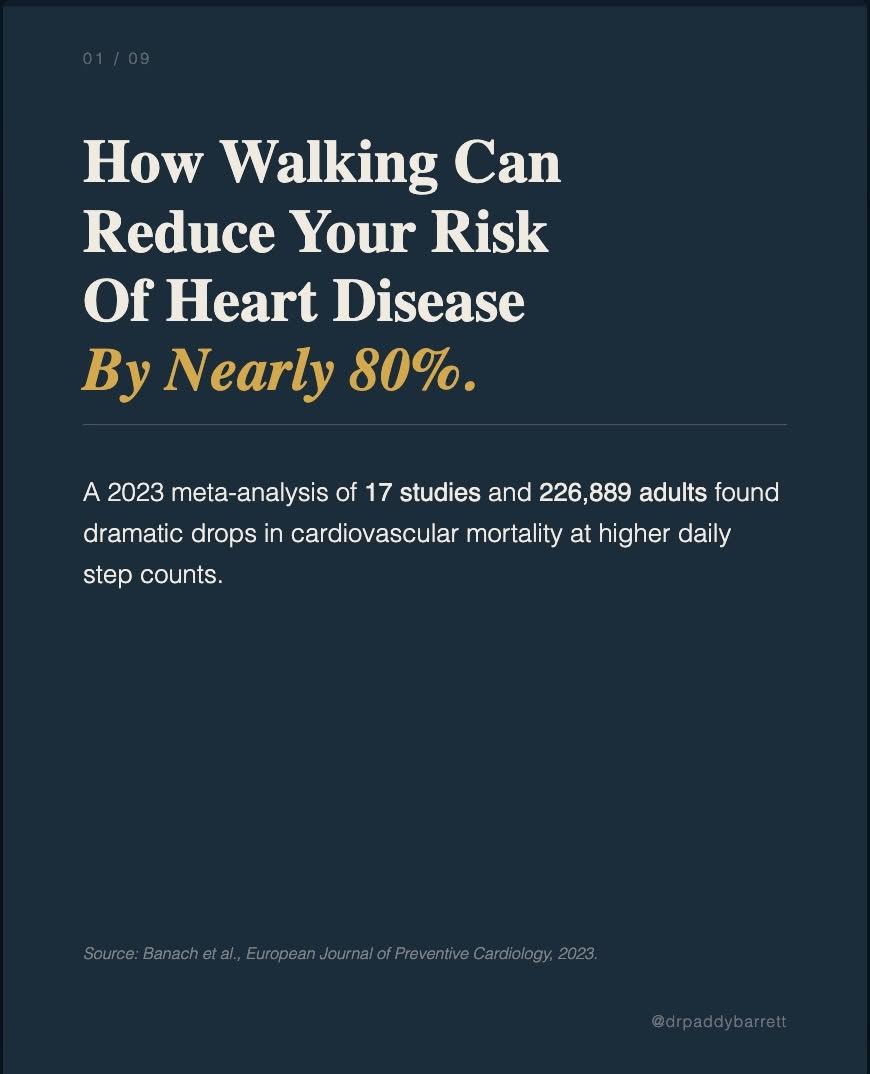
Exercise lowers cardiac risk, though extreme endurance exercise ties to AFib

Jun 28, 2024 · Louis Nervegna ♥ 9 · 💬 18 Exercise & fitness

A cardiologist quote shared from a sports medicine institute: exercise generally lowers cardiac event risk, while extreme long-duration exercise such as marathons or triathlons is associated with atrial fibrillation. Even so, exercise still benefits blood pressure, cholesterol and diabetes risk and lowers overall death risk.
ACC/ESC consensus statement on abnormal cardiovascular findings in masters athletes

Apr 06, 2026 · Louis Nervegna ♥ 10 · 💬 14 ↩ 1 Exercise & fitness

Louis highlights a new joint EAPC/ESC and ACC clinical consensus statement offering guidance for long-term high-volume exercisers over 35-40, covering atrial fibrillation, arrhythmias, coronary atherosclerosis, aortic dilatation, myocardial fibrosis and exercise-induced arrhythmogenic cardiomyopathy. Notes that very high exercise volumes over years may have cardiovascular downsides.
Spinach raises blood antioxidant activity more than 1250 mg vitamin C

Jun 03, 2024 · Louis Nervegna ♥ 11 · 💬 12 ↩ 1 Supplements & vitamins

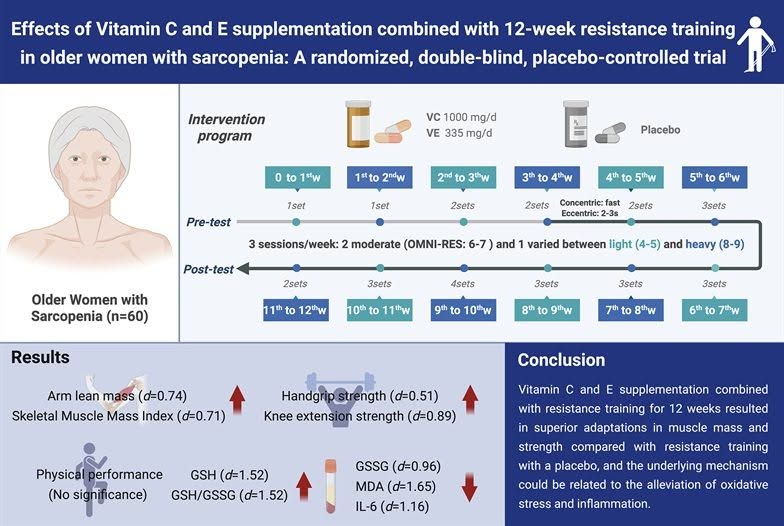
Louis argues against the claim that vitamin C supplements are harmful because antioxidants can blunt exercise adaptations in short-term studies. He notes that a large serving of spinach raises blood antioxidant activity more than a 1250 mg vitamin C supplement, and that short-term biomarker studies often predict long-term outcomes poorly. He does not claim antioxidant supplements prevent disease; human RCTs have mostly failed, with exceptions like age-related macular degeneration.

Charles Grashow's protocol to regress coronary calcium over two years

Dec 02, 2023 · Gokhan Can ♥ 18 · 💬 7 ↩ 2 Plaque, CAC & CT angiography

Describes how Charles Grashow responded to worsening coronary calcium in 2020-2021 with an intensive regimen of lifestyle, high-dose nattokinase, LDL-lowering and anti-inflammatory supplements and off-label drugs. His later scans reportedly showed that the trajectory of his coronary disease had reversed. It is a single-patient story, not a trial.

Sauna works the heart like light cardio and lowered blood pressure after one session

Nov 07, 2026 · Louis Nervegna ♥ 17 · 💬 4 Blood pressure, salt & potassium

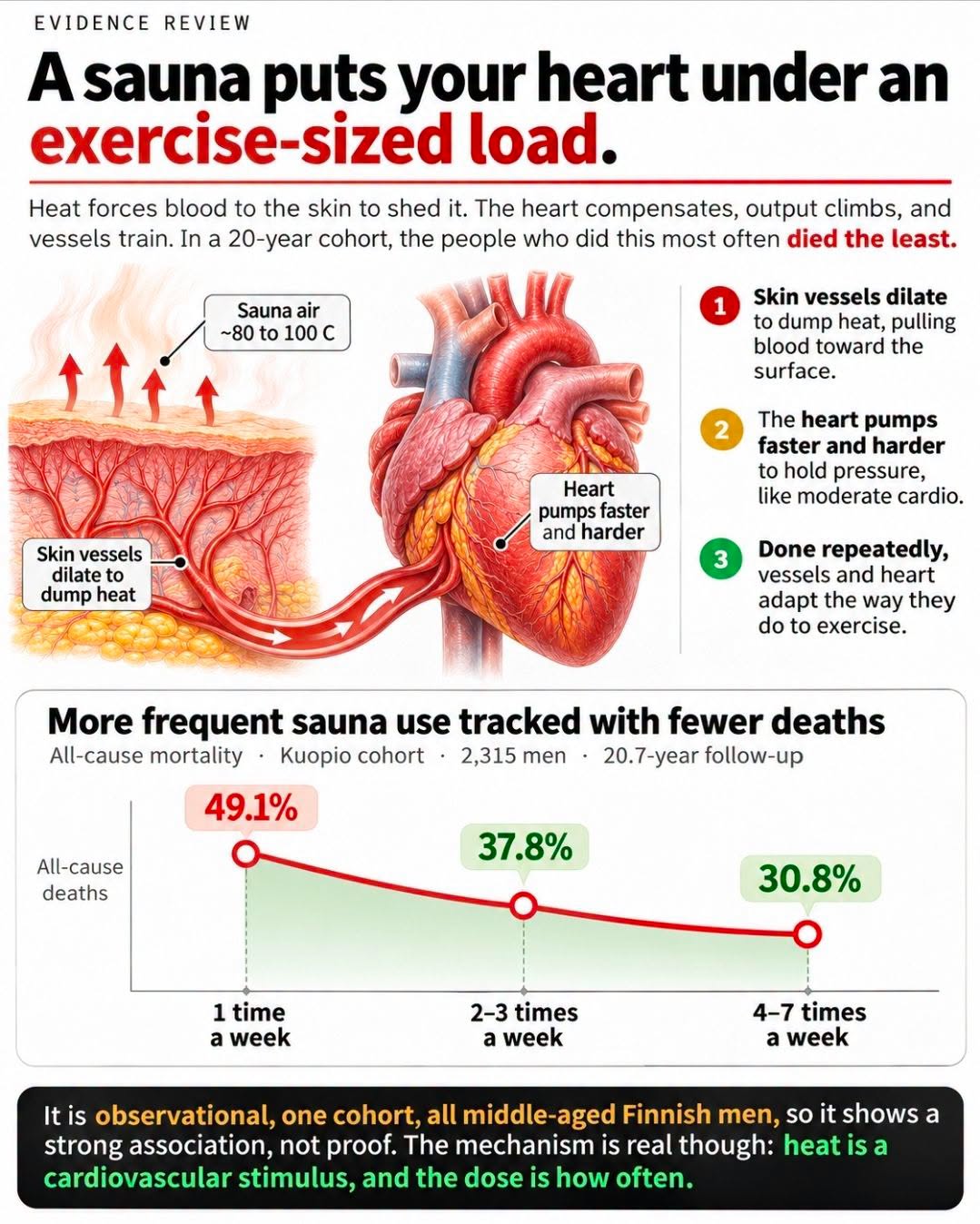
Louis shares a summary of sauna physiology. Heat opens skin vessels, so the heart works harder to hold blood pressure, matching light to moderate exercise. One session lowered arterial stiffness and systolic pressure from 137 to 130 in 102 adults with risk factors, and a Finnish cohort of 2,315 men followed about 20 years showed lower mortality with more frequent sauna use.

Statins create mild mitochondrial stress that triggers protective mitohormesis

Nov 11, 2025 · Louis Nervegna ♥ 13 · 💬 7 ↩ 2 Statins

Louis explains that mild mitochondrial toxicity is not necessarily harmful and can be beneficial through mitohormesis, the mechanism he links to metformin, statins, exercise and calorie restriction. He cites a review proposing mitohormesis as another pleiotropic effect of statins and stresses that dose matters.

90-120 min/week of strength training linked to 13% lower mortality, 19% fewer CVD deaths

Jul 03, 2026 · Louis Nervegna ♥ 11 · 💬 3 Exercise & fitness

Louis summarizes new results from the Harvard Nurses' Health Studies and Health Professionals Follow-up Study, following about 147,000 people for 30 years. Roughly 90-120 minutes a week of strength training was tied to lower all-cause, cardiovascular and neurological mortality, with the largest gains when combined with plenty of aerobic exercise.

Low-carb diets lose their diabetes advantage by 12 months, trials and meta-analyses show

Nov 25, 2025 · Gokhan Can ♥ 5 · 💬 8 Low-carb, keto & carnivore

Argues low-carb gives better remission and HbA1c at 6 months, but the edge fades. A 2021 BMJ meta-analysis (23 RCTs) found benefit at 6 months diminishing by 12; Silverii 2020 (37 RCTs, 3,301 patients) found HbA1c differences vanishing and reversing by 24 months; a 2-year calorie-matched RCT showed identical weight loss. Concludes the benefit comes from adherence, not metabolic magic.

Walter Willett: unsaturated fats, Mediterranean eating and daily habits at 81

Oct 11, 2026 · Louis Nervegna ♥ 12 · 💬 4 Mediterranean, DASH, MIND & plant-forward diets

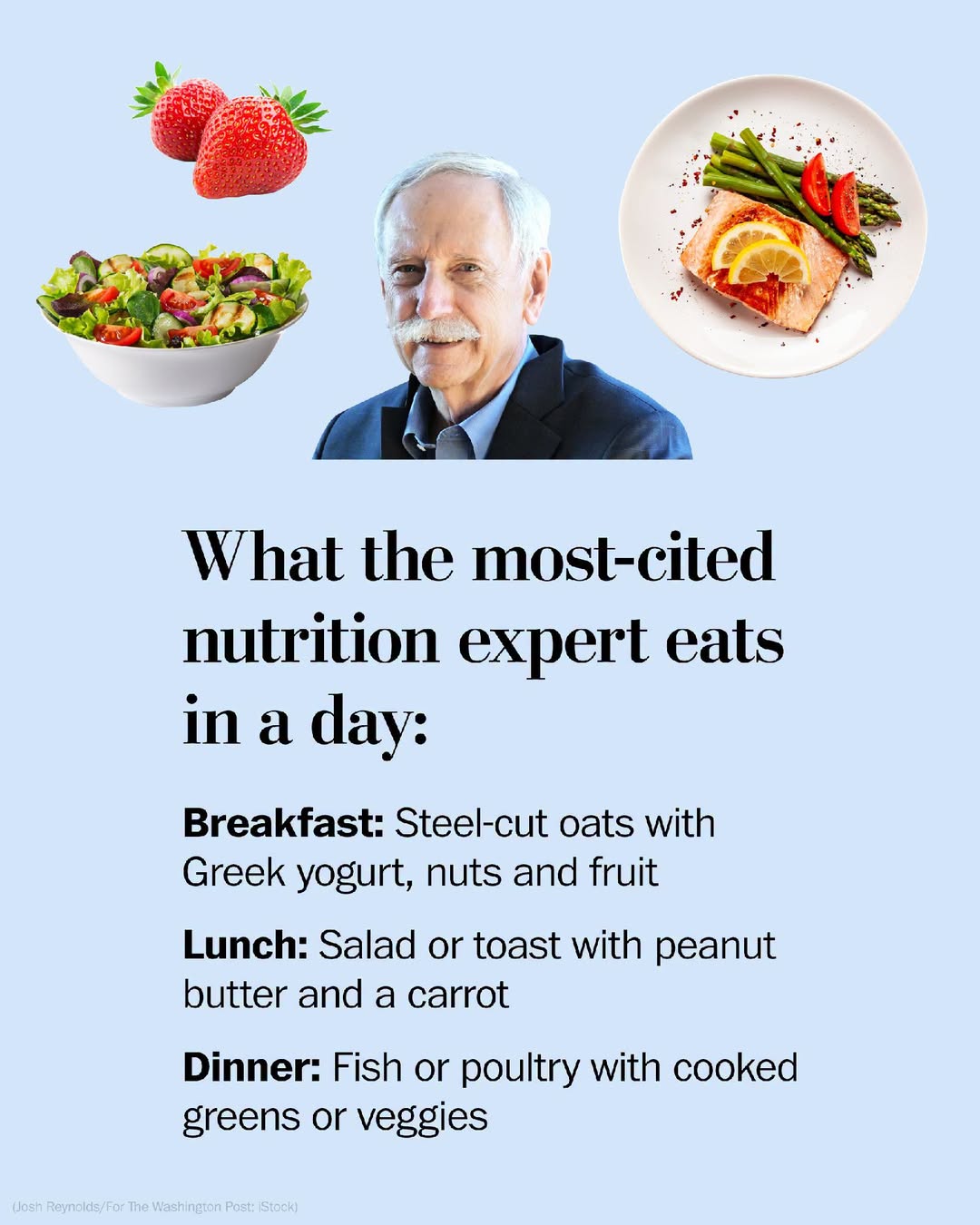
A Washington Post interview with Harvard nutrition researcher Walter Willett. He says his group's data showed total fat was irrelevant, trans fats were bad, saturated fat versus refined carbohydrate was only weakly related to heart disease, and unsaturated fats were linked to lower heart disease and mortality. He also describes his own diet, including oats, nuts, blueberries and a plant-based lunch.

Extreme endurance exercise may accelerate plaque, but effect on events is uncertain

Jun 19, 2026 · Louis Nervegna ♥ 8 · 💬 6 Exercise & fitness

Louis notes that while exercise is clearly beneficial, lifelong high-volume endurance athletes showed more plaque, including non-calcified and mixed plaque, than later starters and lightly active controls. A follow-up suggests plaque tracks with exercise duration more than intensity, and overall mortality still appears lower even at extreme levels.

PREDIMED: Mediterranean diet with olive oil or nuts cut major CV events by 30% and 28%

Aug 26, 2025 · Louis Nervegna ♥ 10 · 💬 2 ↩ 7 Mediterranean, DASH, MIND & plant-forward diets

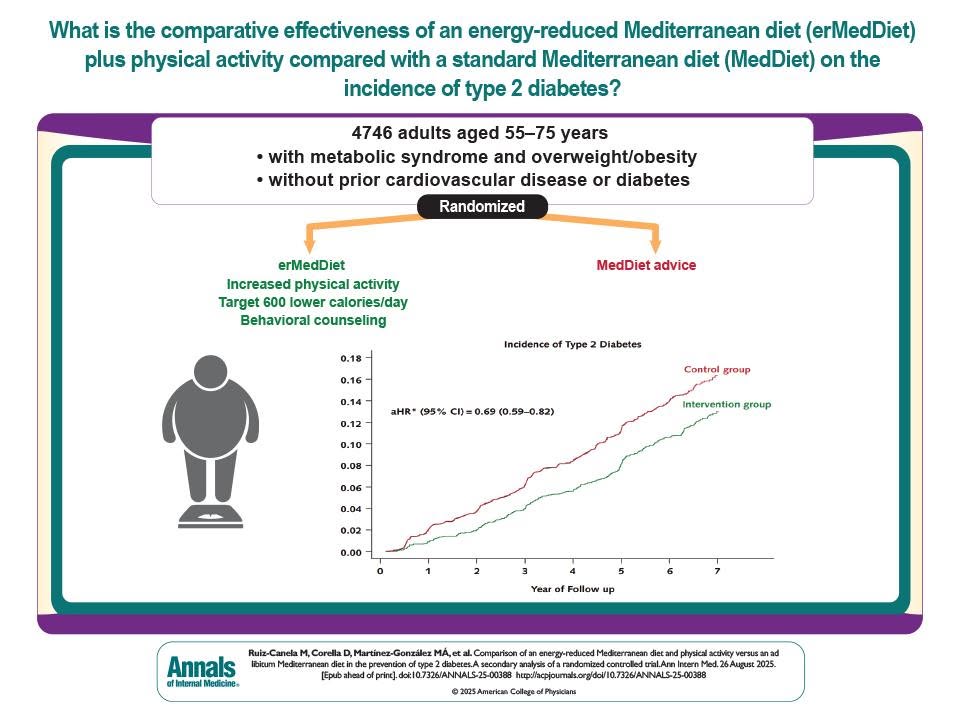
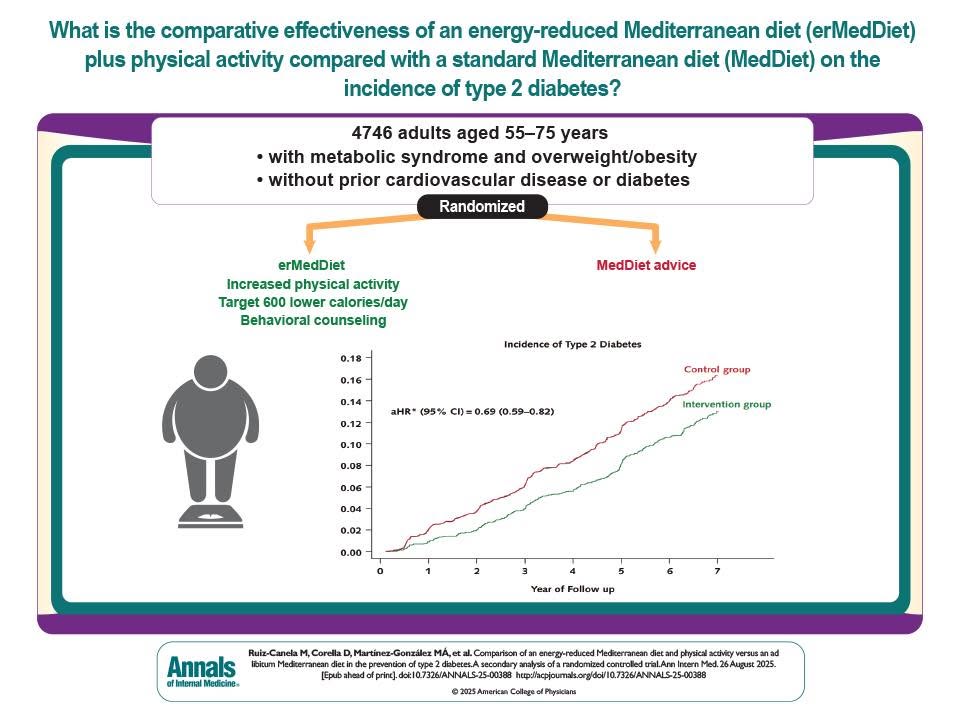
Louis summarizes the PREDIMED randomized trial of about 7,500 people testing the traditional Mediterranean diet for primary prevention. Groups supplemented with extra-virgin olive oil or nuts had a 30% and 28% lower rate of heart attack, stroke or cardiovascular death after 5 years versus an AHA-style control diet. A shared Annals post adds that Mediterranean diet plus calorie reduction and exercise cut diabetes risk by 31% in a large trial.

VO2 max is a ratio, and chasing it can mislead about heart health

Jul 19, 2026 · Louis Nervegna ♥ 13 · 💬 1 Exercise & fitness

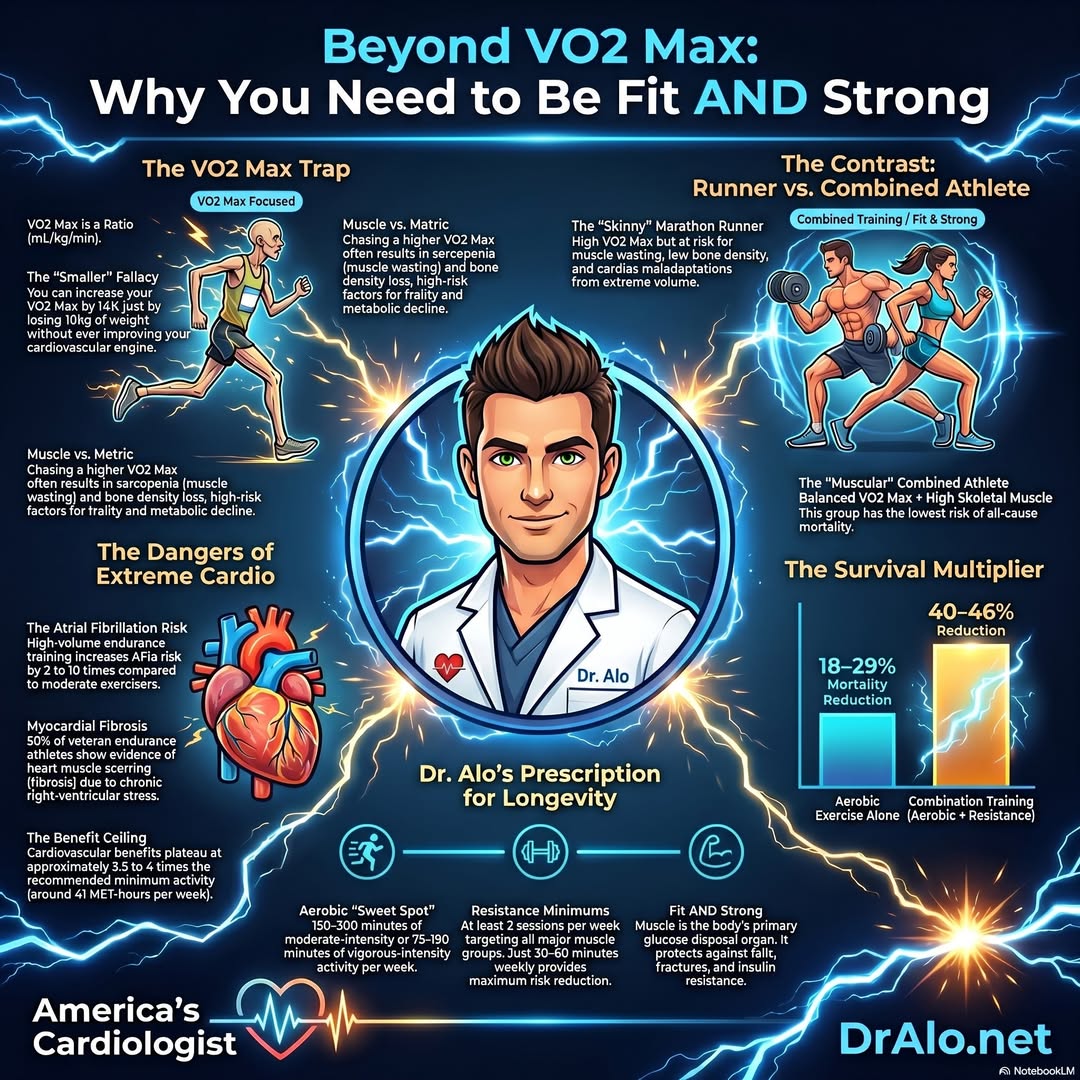
Louis agrees with a critique of influencers who treat VO2 max as the key heart-health metric. VO2 max is oxygen consumption divided by body weight, so it can rise through weight loss without real fitness gain. He also notes AHA and ACC statements recognizing high-volume intense exercise can have downsides.

After a marathon, troponin and NT-proBNP spike but look like normal physiology

Jun 10, 2026 · Louis Nervegna ♥ 5 · 💬 2 Exercise & fitness

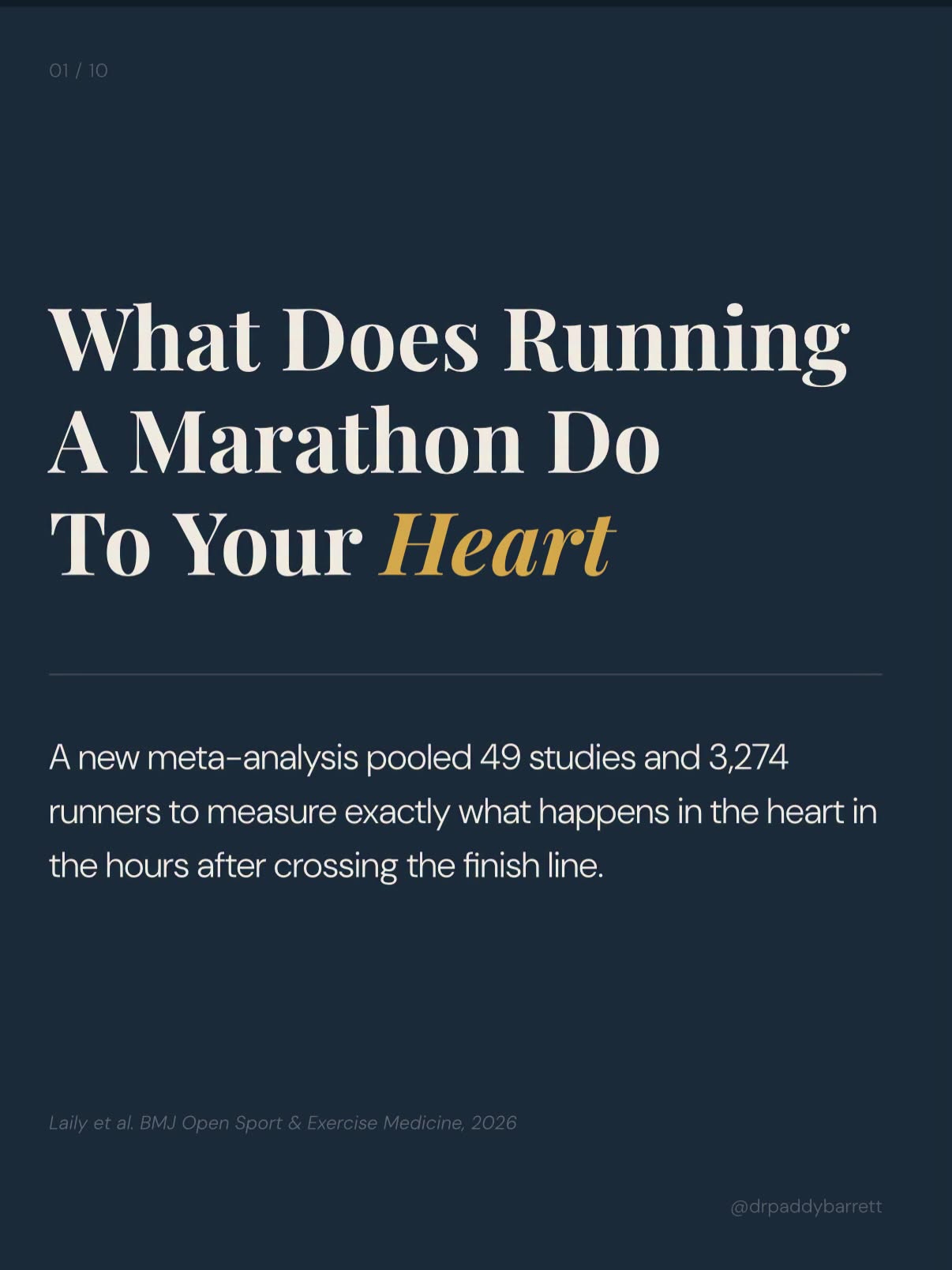
Louis shares a 2026 meta-analysis of 49 studies and 3,274 runners showing cardiac strain markers surged after marathons, often past diagnostic thresholds, while heart chambers changed shape. Changes were modest, MRI showed no clear structural injury, and the authors consider them normal responses, though long-term effects of repeated marathons are unknown.

Exercise activates AS160 and GLUT4 for muscle glucose uptake; Zierath wins 2024 EASD prize

Aug 26, 2024 · Louis Nervegna ♥ 12 Exercise & fitness

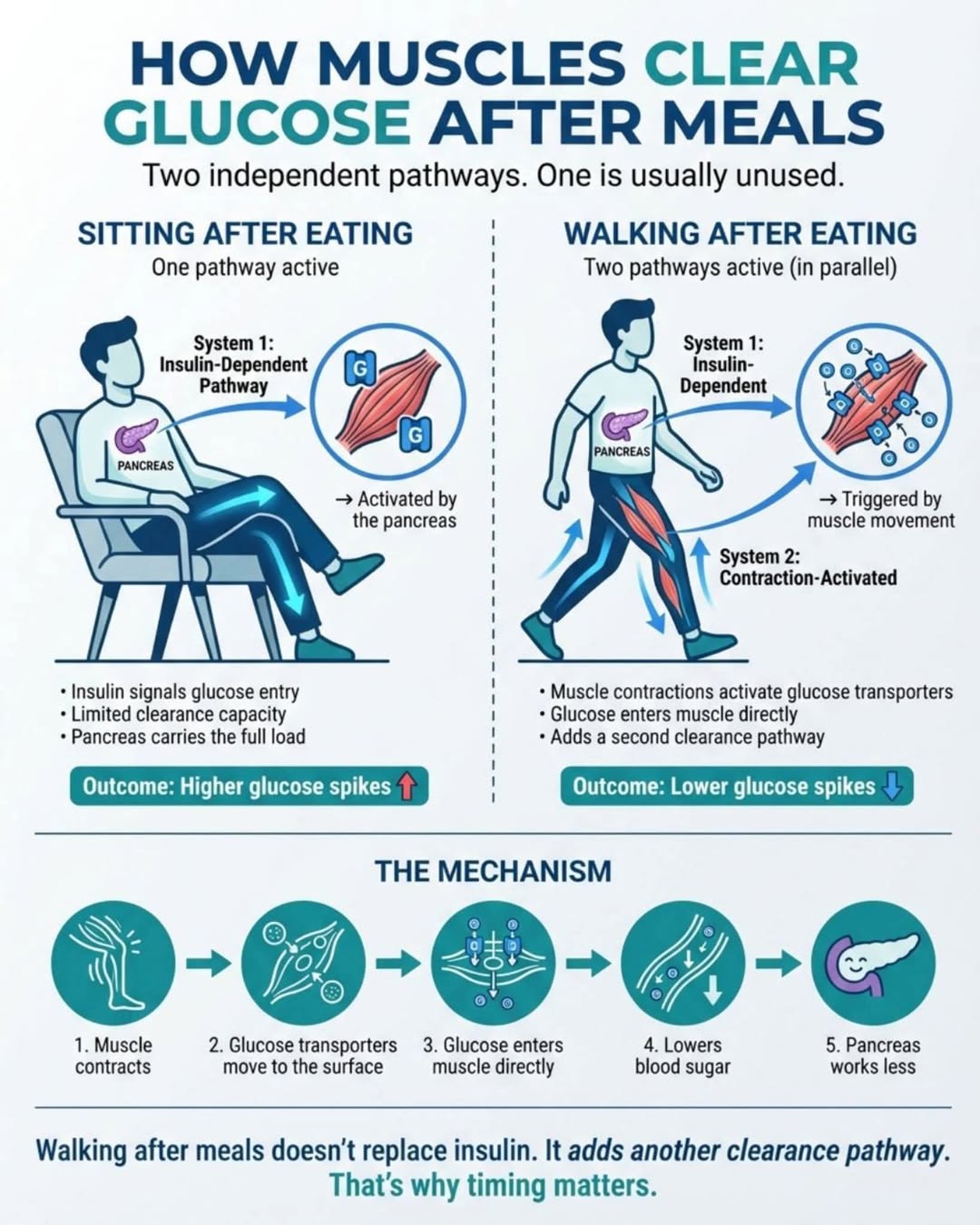
Louis shares news that Prof. Juleen Zierath won the 2024 EASD Diabetes Prize for Excellence for 30 years of work on exercise and muscle insulin signalling. Her group found exercise activates AS160, which boosts GLUT4 to move glucose into muscle and fat cells, a pathway still working when insulin's effect is impaired in type 2 diabetes. This supports exercise for lowering blood sugar.

Why insulin resistance lowers HDL, and why improving insulin sensitivity beats chasing HDL

Mar 21, 2024 · Louis Nervegna ♥ 5 ↩ 10 LDL, ApoB & lipid panel

Louis lists six mechanisms by which insulin resistance lowers HDL: impaired HDL maturation (lower LCAT), reduced apoA-I production, faster HDL catabolism (hepatic lipase, CETP), altered HDL composition and function, higher triglycerides making small dense HDL, and inflammation and oxidative stress. He concludes the best way to raise HDL is improving insulin sensitivity (lose visceral fat, exercise, cut refined starch and sugar), since insulin resistance is causal in heart disease while large RCTs suggest HDL itself is probably not.

Atrial fibrillation overview shared from NEJM

Jan 25, 2025 · Louis Nervegna ♥ 3 · 💬 1 Heart rhythm & heart failure

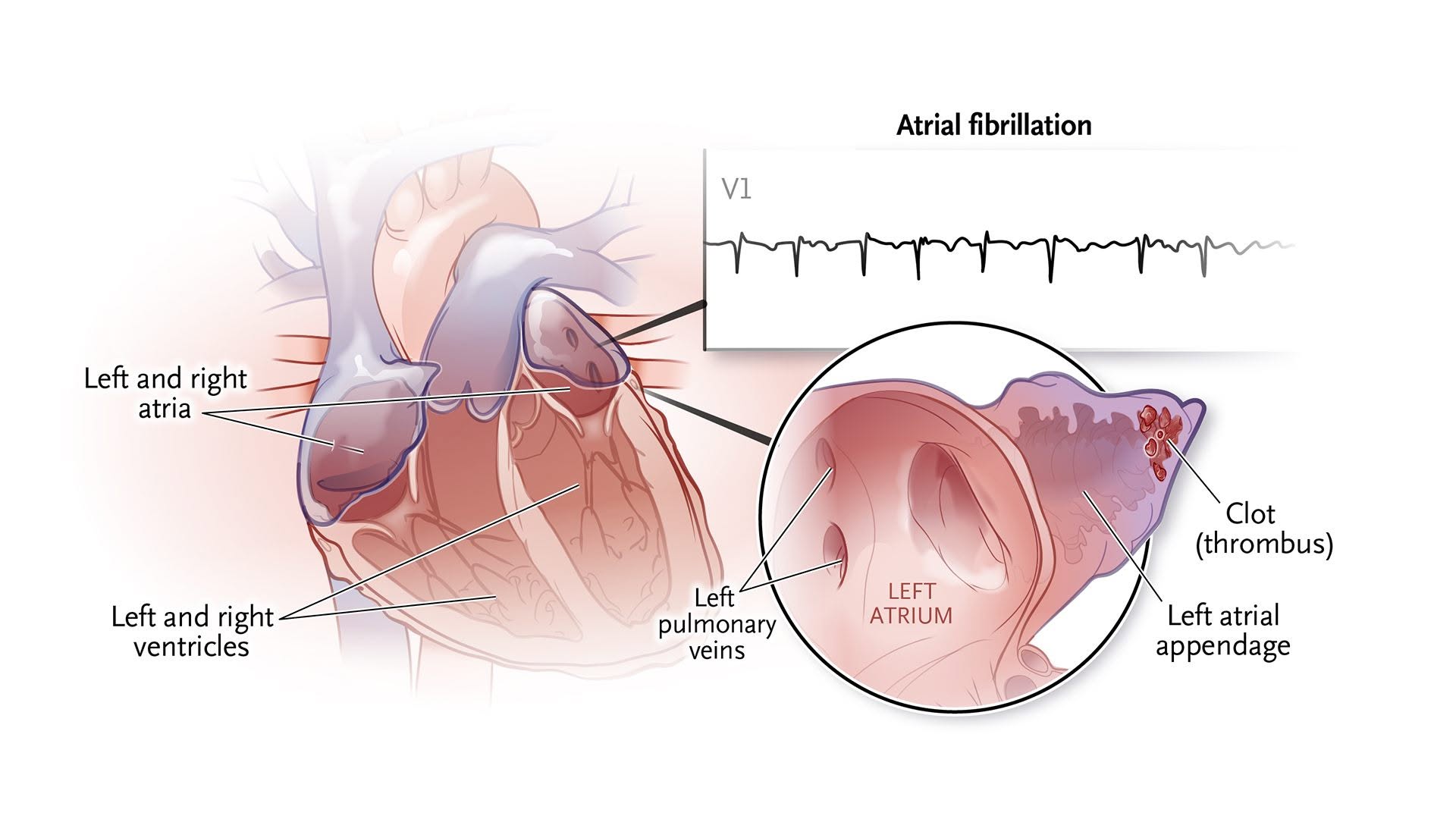
A shared NEJM explainer describes atrial fibrillation as an irregular, rapid rhythm of the upper heart chambers that can cause clots in the left atrial appendage and stroke. It lists typical symptoms and the main treatments: rate and rhythm control, catheter ablation and anticoagulants.

Mechanical stress on bones made mice live nearly 3 months longer via anti-aging signals

Nov 03, 2026 · Louis Nervegna ♥ 6 Exercise & fitness

A news report on a mouse study found that mechanical strain on the skeleton, similar to what occurs in exercise and resistance training, makes osteocytes secrete anti-aging chemicals. Gently squeezing leg bones extended mouse lifespan by nearly 3 months, roughly nine human years. A related study found bone stress improved memory and motor function after traumatic brain injury in mice and pigs.

Coffee polyphenols bind NR4A1, an exercise-linked receptor, in cell models

Mar 30, 2026 · Louis Nervegna ♥ 2 Nuts, fish, coffee, tea, cocoa & other foods

SuppVersity reports a Nutrients 2026 study in which brewed coffee components such as chlorogenic acid and kahweol bound the nuclear receptor NR4A1 as inverse agonists in cell models. NR4A1 is linked to glucose and fat handling and is raised by exercise, suggesting a possible mechanism for coffee's epidemiological benefits. This is cell-model evidence only.