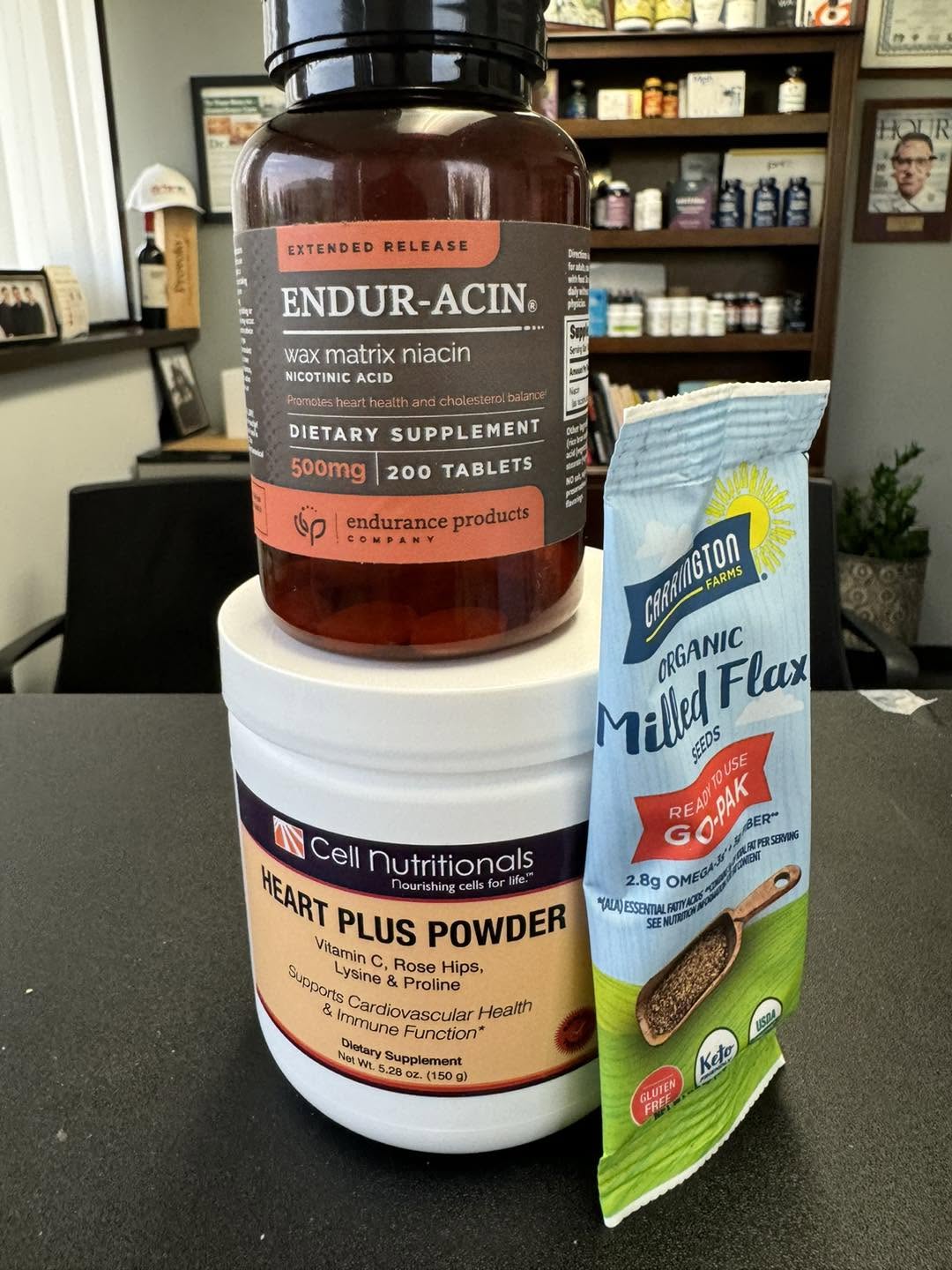
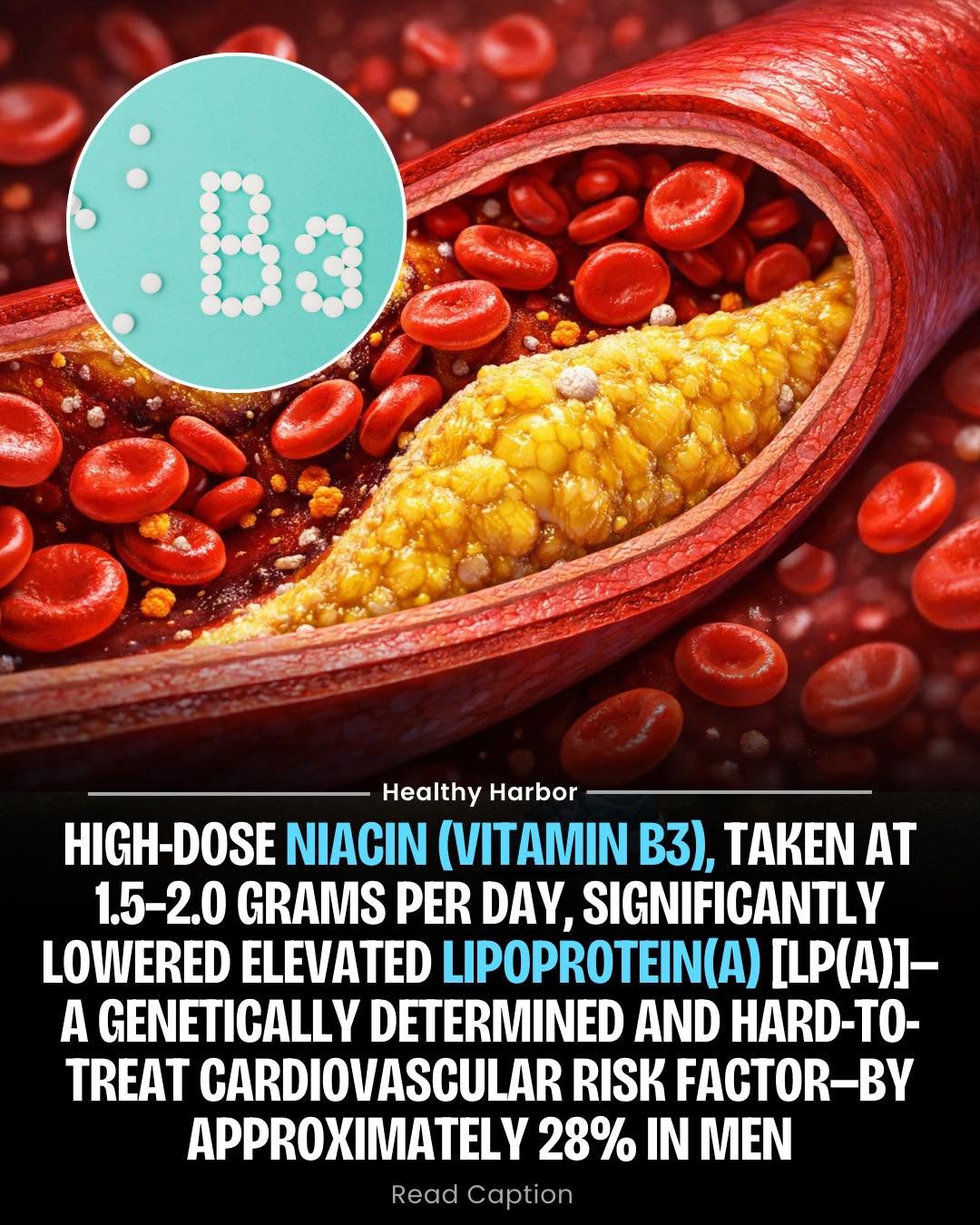
Cases of Lp(a) dropping by as much as 80% with niacin (nicotinic acid) have been reported in the medical literature. But that kind of response is very uncommon. Most people will see only a modest reduction on niacin. However, this might be worth a try, in case you turn out to be one of the lucky people.
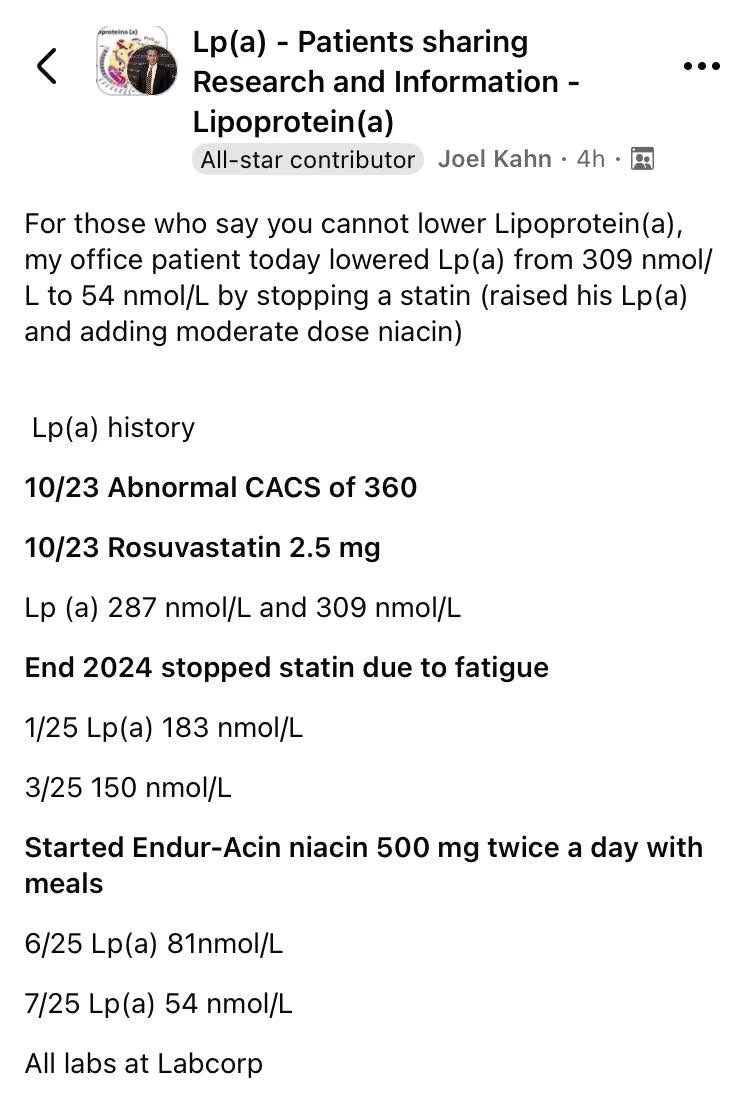
Talk to your doctor first. Niacin has dramatically fallen out of favor as a treatment for CVD after 2 large trials failed when combining it with high dose statins— although it does still remain FDA approved to treat dyslipidemia. It should never be combined with high dose statins, as it increases side effects without providing any extra benefit.
The 2.5mg dose of rosuvastatin described here is tiny and unlikely to be responsible for any significant increase in Lp(a) or for the fatigue. The fatigue is likely nocebo effect. The patient should be counseled on the prevalence of nocebo effect as high as 90% with statins, and restarted on pravastatin or pitavastatin. PCSK9i should be offered as an option, if the patient declines.
Niacin as a monotherapy has never been proven to reduce risk of MACE events, even in patients with high Lp(a). The drop in Lp(a) is impressive, but using niacin alone in a high risk patient in the absence of a sufficient evidence base is asking for trouble. Also 1g is only half the dose used in the small niacin trials that did show benefit.