People keep asking about niacin (nicotinic acid).
Its role in cardiology has become controversial these days.
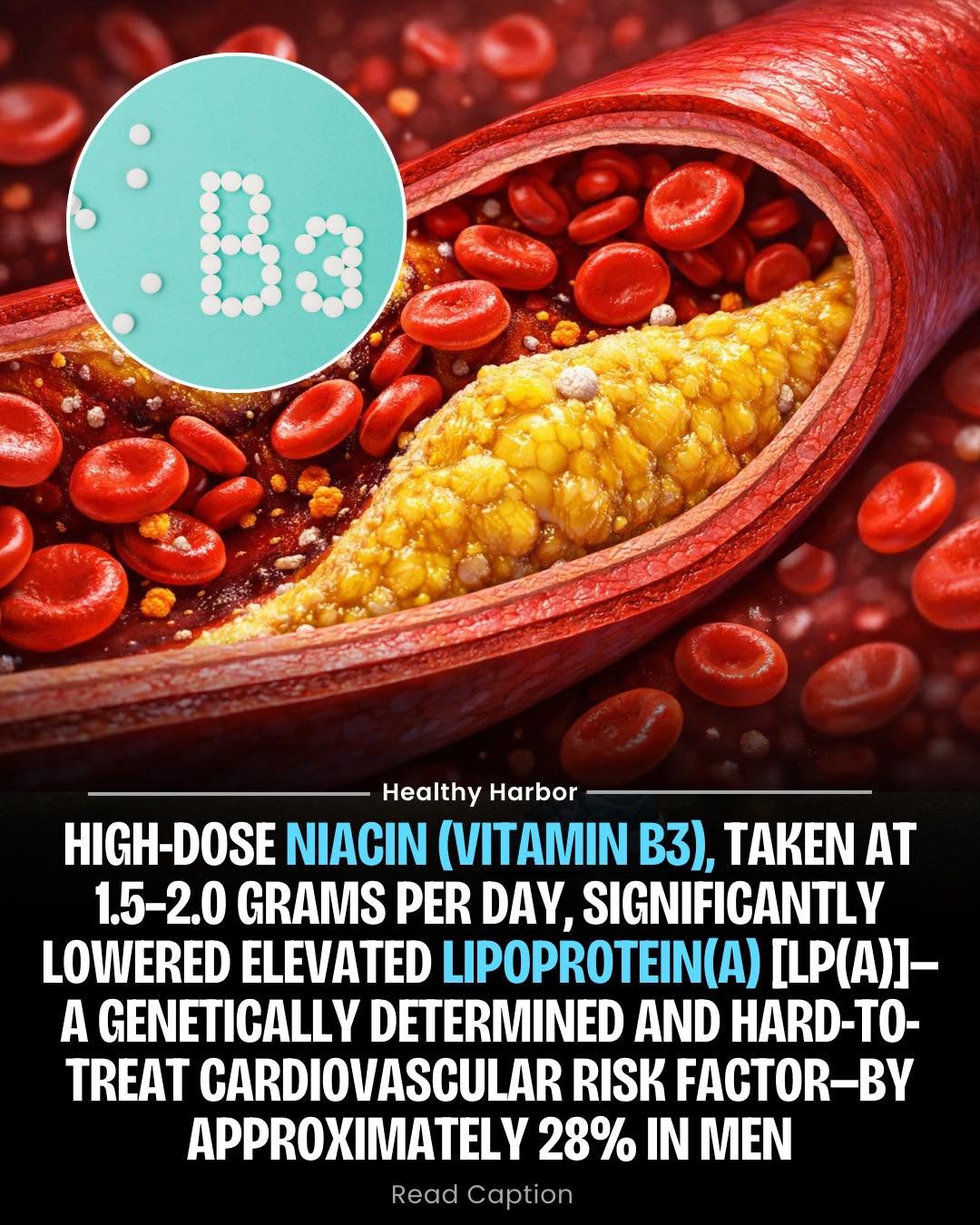
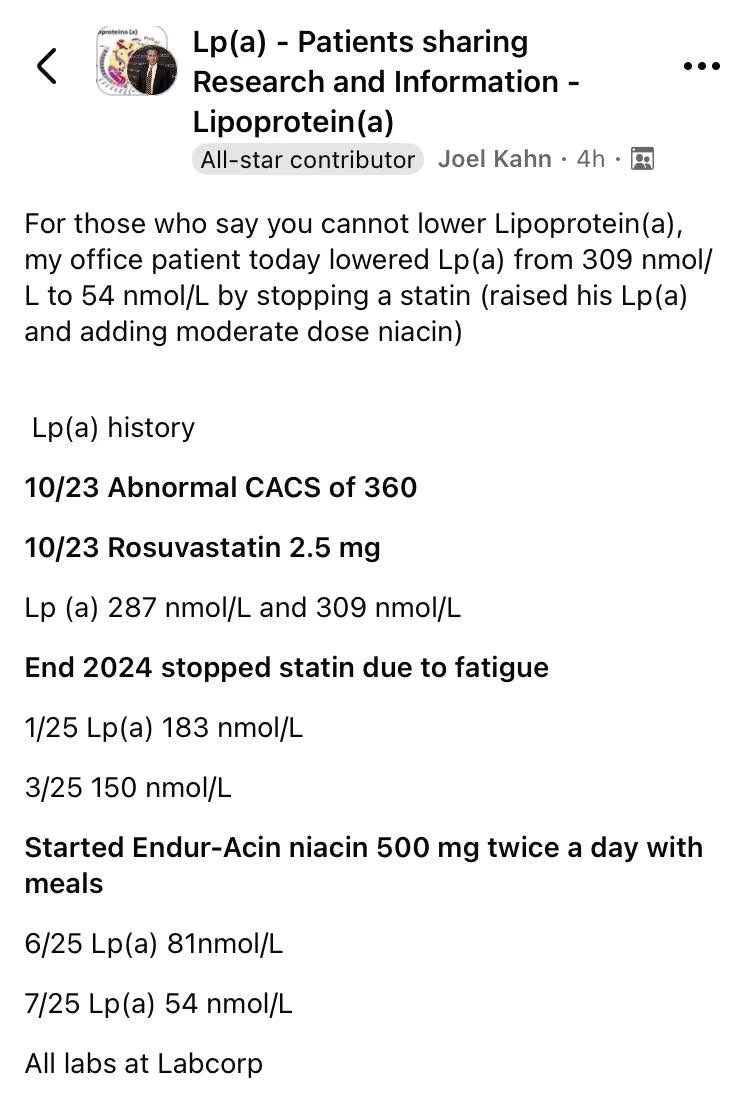
The fact remains that it can be very effective at lowering Lp(a). Some cardiologists still use it for this purpose. One of the members of this group saw a 40% reduction in their Lp(a) by just adding 1500mg of niacin (nicotinic acid) to their regimen.
Niacin causes a flush, which is harmless— but can shock you the first time. The flush gets less and less with continued use, as your body adjusts to it.
You can mitigate the flush a little by taking a baby aspirin at the same time, or by consuming it with a large meal. It’s also good to take it right before bed. That way you fall asleep before it happens and never even notice it. (Niacin also helps some people with sleep.)
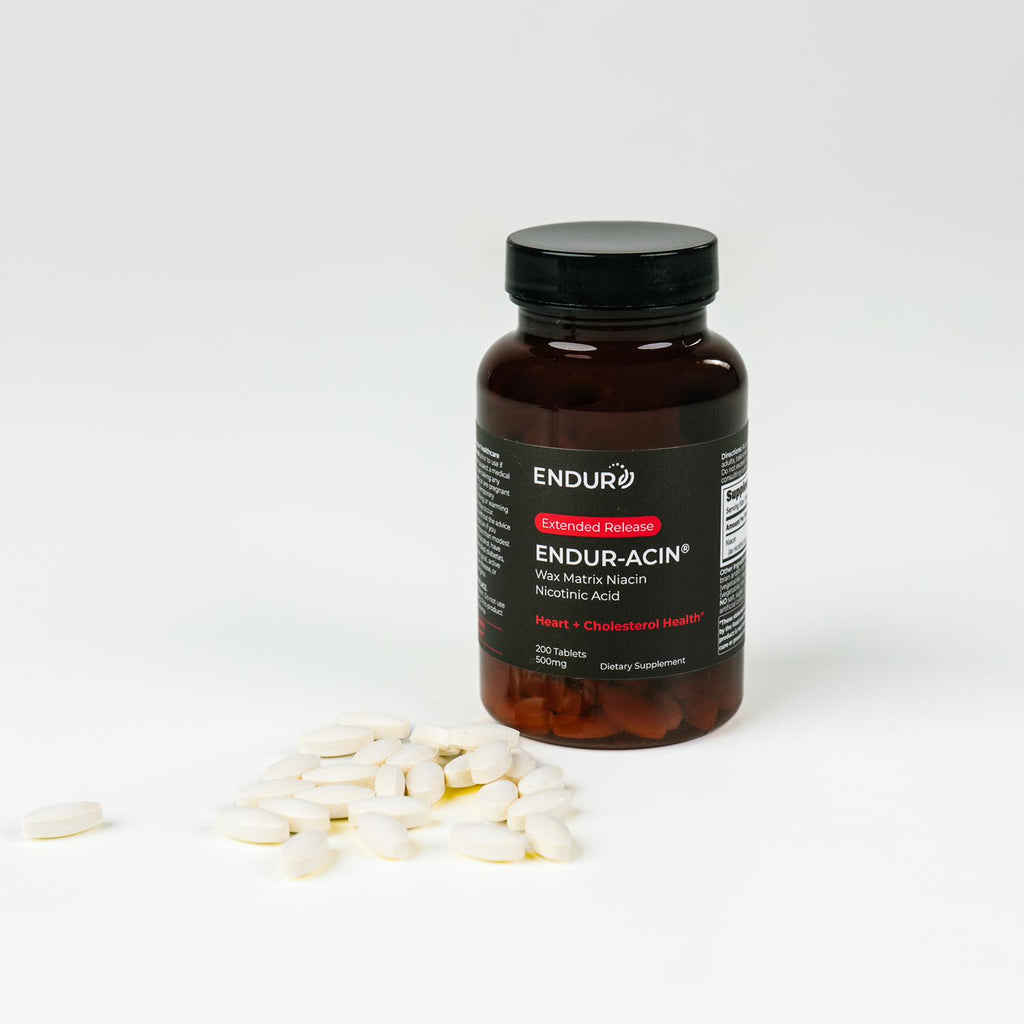
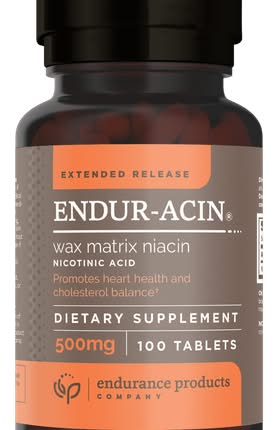
This is the product that I have used in the past. It is a sustained-released formula. It is designed so that its sustained release properties match the prescription drug Niaspan. There is little to no flush from this, even at high doses.
In general, you need to be careful with time release niacin. It is tougher on your liver. But this product is the best one, since it matches the prescription drug which is proven safe in multiple human trials. There have also been several small human trials specifically with this particular brand of niacin.
WARNING - Niacin is not proven to reduce heart attacks and strokes or to reduce mortality in large randomized controlled trials. It should not be used in place of medications that are proven to do this. But it is something that can be added to an existing proven regimen when Lp(a) is very high. This is something that is worth discussing with your cardiologist if you have high Lp(a).
If you are already taking high doses of statins, two very large well-done randomized trials have proven that niacin provides no additional benefit in terms outcomes but does significantly increase the chances of side effects.