HD-OPM Archive
Topics › Cholesterol & lipid-lowering

PCSK9, ezetimibe & newer drugs

110 posts (42 primarily about this topic) · 30 reposts and set-aside posts not shown

Start here — the best posts in this topic

  1. Evidence that plaque can shrink: CENIT, PRECISE-IVUS, ZEUS, EVAPORATE and GLAGOV Jun 25, 2025
  2. PCSK9 inhibitors regress plaque without the calcification surge seen with statins Jan 01, 2026
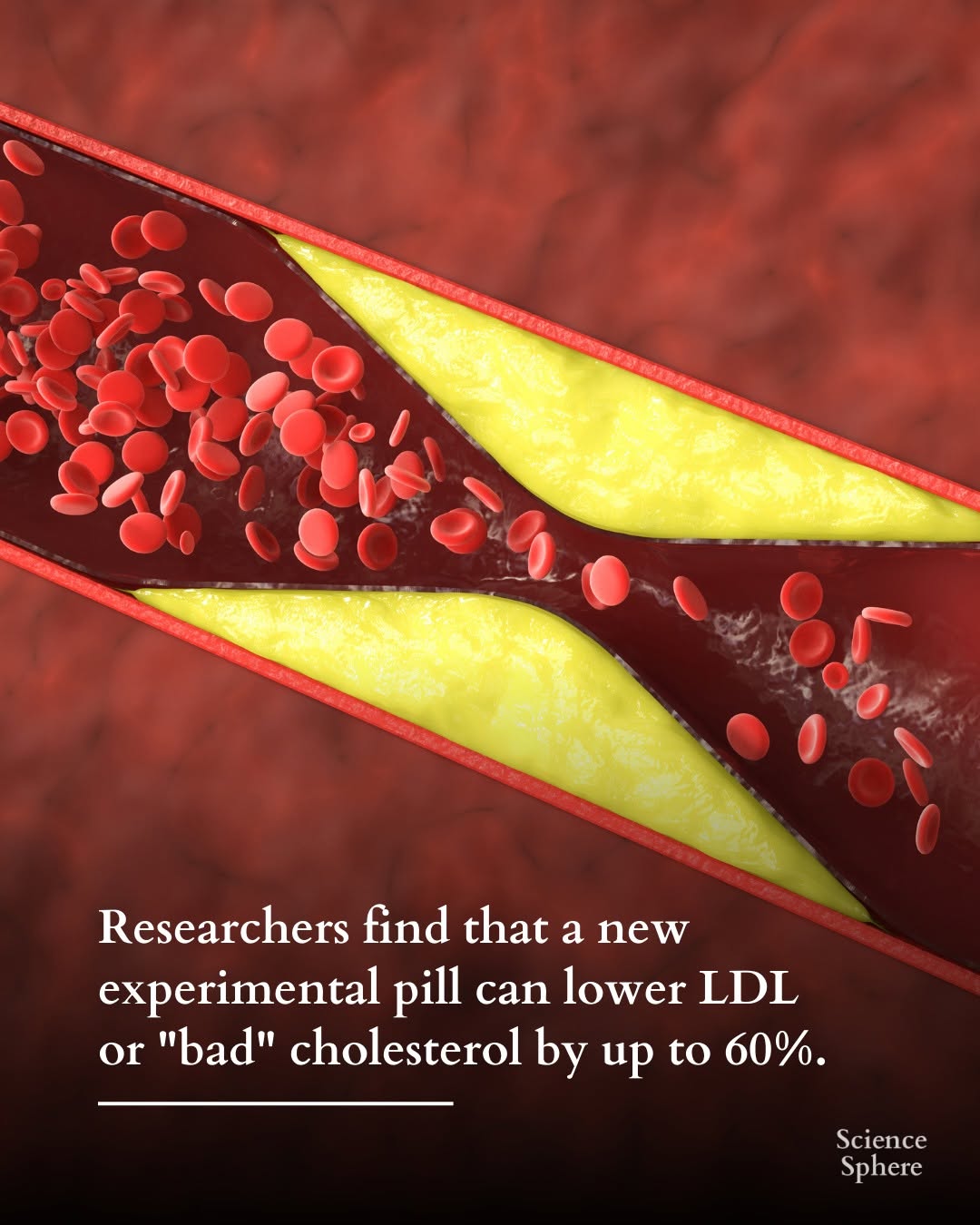
  3. Merck's oral PCSK9 pill Lipfendra approved by FDA, cut LDL 56-60% in Phase 3 Jul 16, 2026
  4. Ezetimibe use linked to 86% lower Alzheimer's and dementia risk in database analysis Oct 19, 2026
  5. No trial has shown PCSK9 inhibitors lower heart attack risk without statins ↩ 3 · Aug 13, 2026
  6. PCSK9 inhibitors regress soft plaque without the calcification surge seen with statins Jul 02, 2026
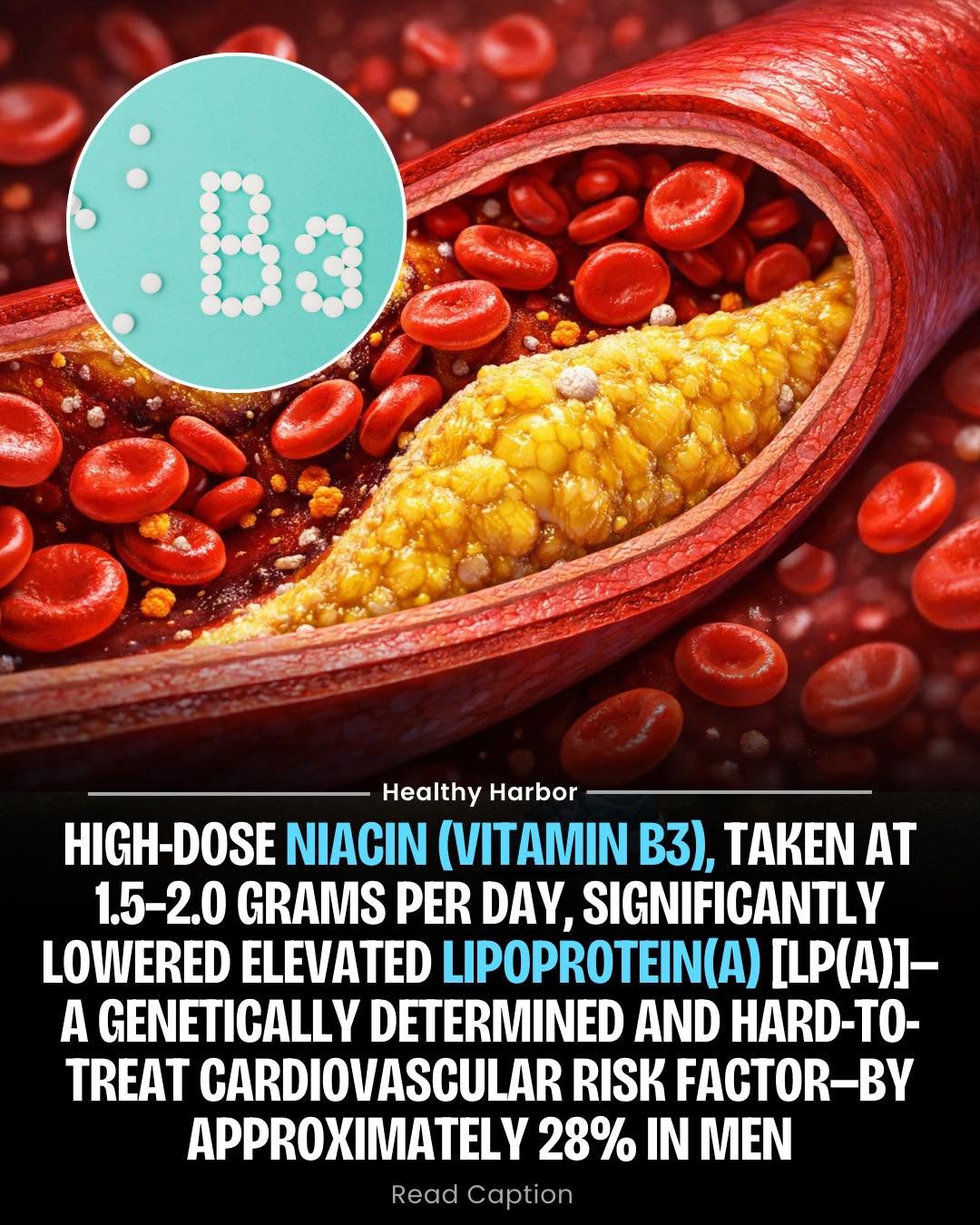
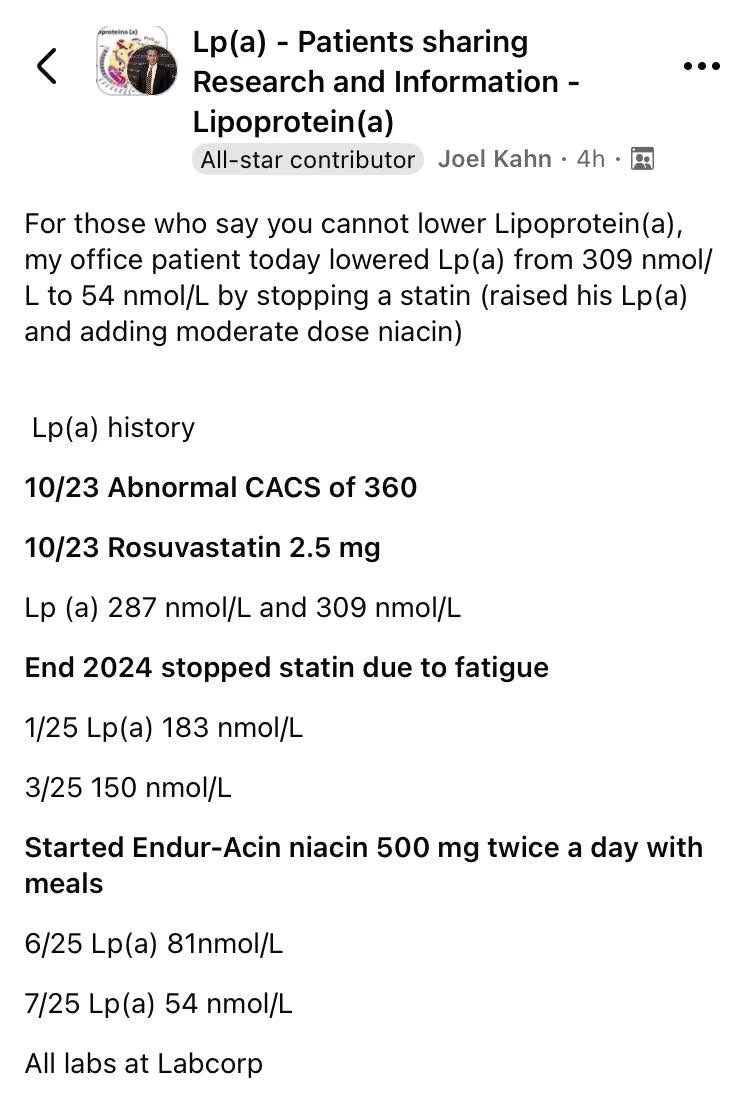
  7. Niacin can cut Lp(a) (one member saw 40% with 1500 mg) but has no outcome proof Jan 19, 2024
  8. Admin's experience adding ezetimibe, pitavastatin and Repatha after statin intolerance Jan 08, 2026
#statins 48#ezetimibe 36#pcsk9 33#reverse 18#cholesterol 16#lpa 16#cardiovascular 14#plaque 14#alzheimers 13#statinreverse 12#dementia 12#horizon 10#cetpinhibitor 10#repatha 9#pelacarsen 9#pcsk9reverse 8#ldl 7#niacin 7#heartdisease 7#bempedoicacid 7#obicetrapib 7#colchicine 6#rosuvastatin 6#guidelines 6#ivus 6#prevention 6#inflammation 6#triglycerides 6#apoe4 6#hdl 6#lipidcore 5#cancer 5#heartattack 5#flowpromote 5#cardiology 5#cardiovascularhealth 5#stroke 5#aging 5#epa 4#exercise 4

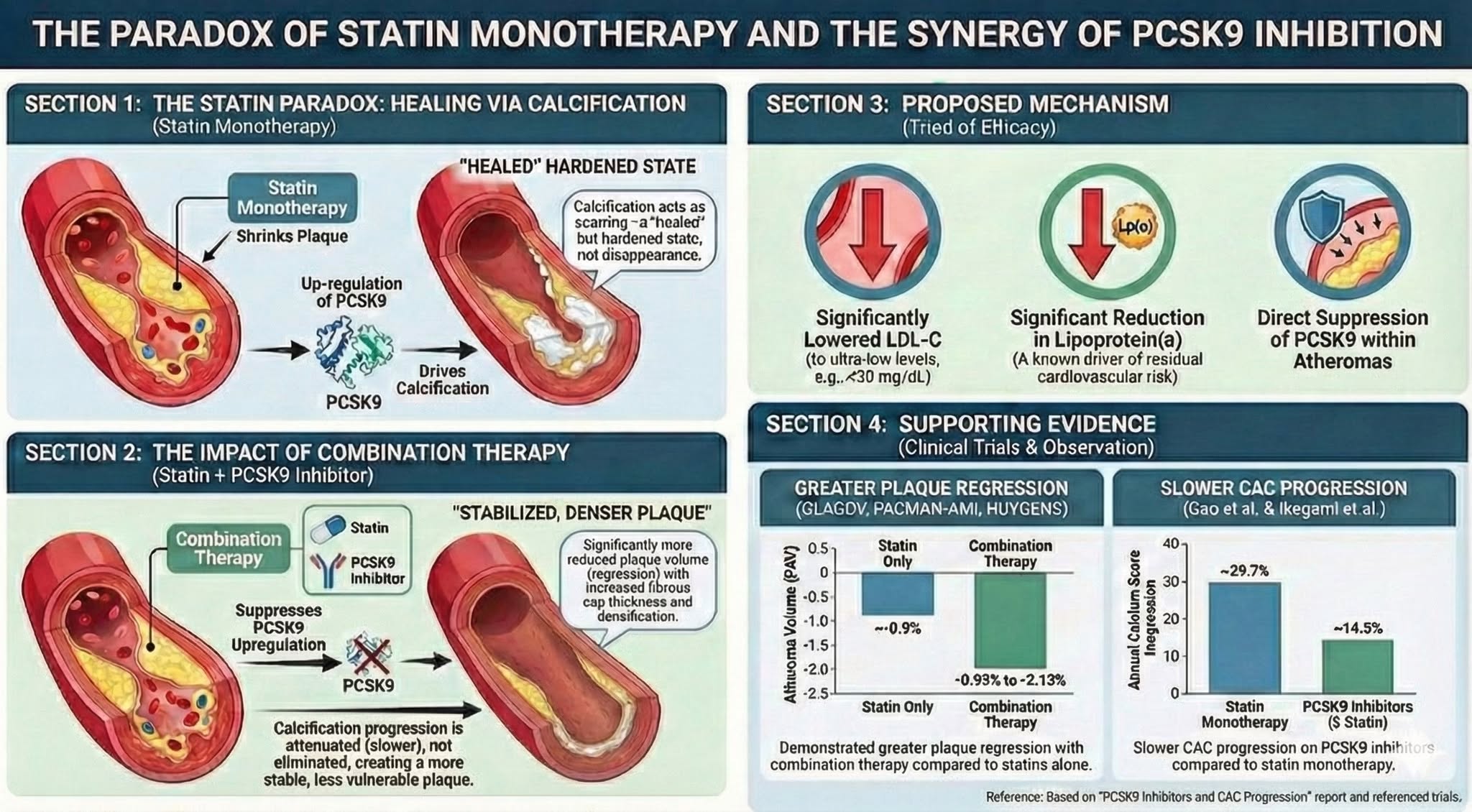
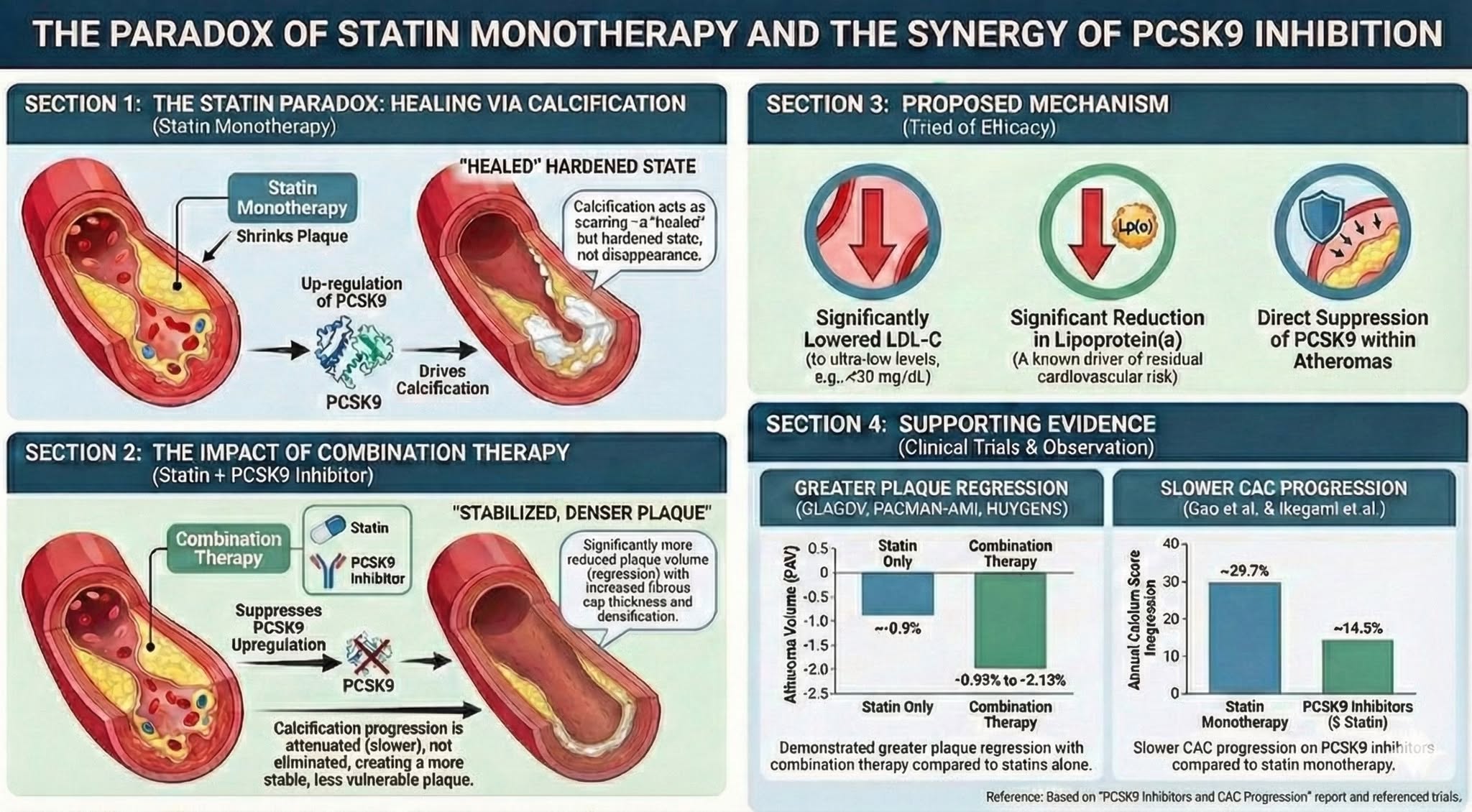
PCSK9 inhibitors regress plaque without the calcification surge seen with statins

Jan 01, 2026 · Gokhan Can ♥ 44 · 💬 35

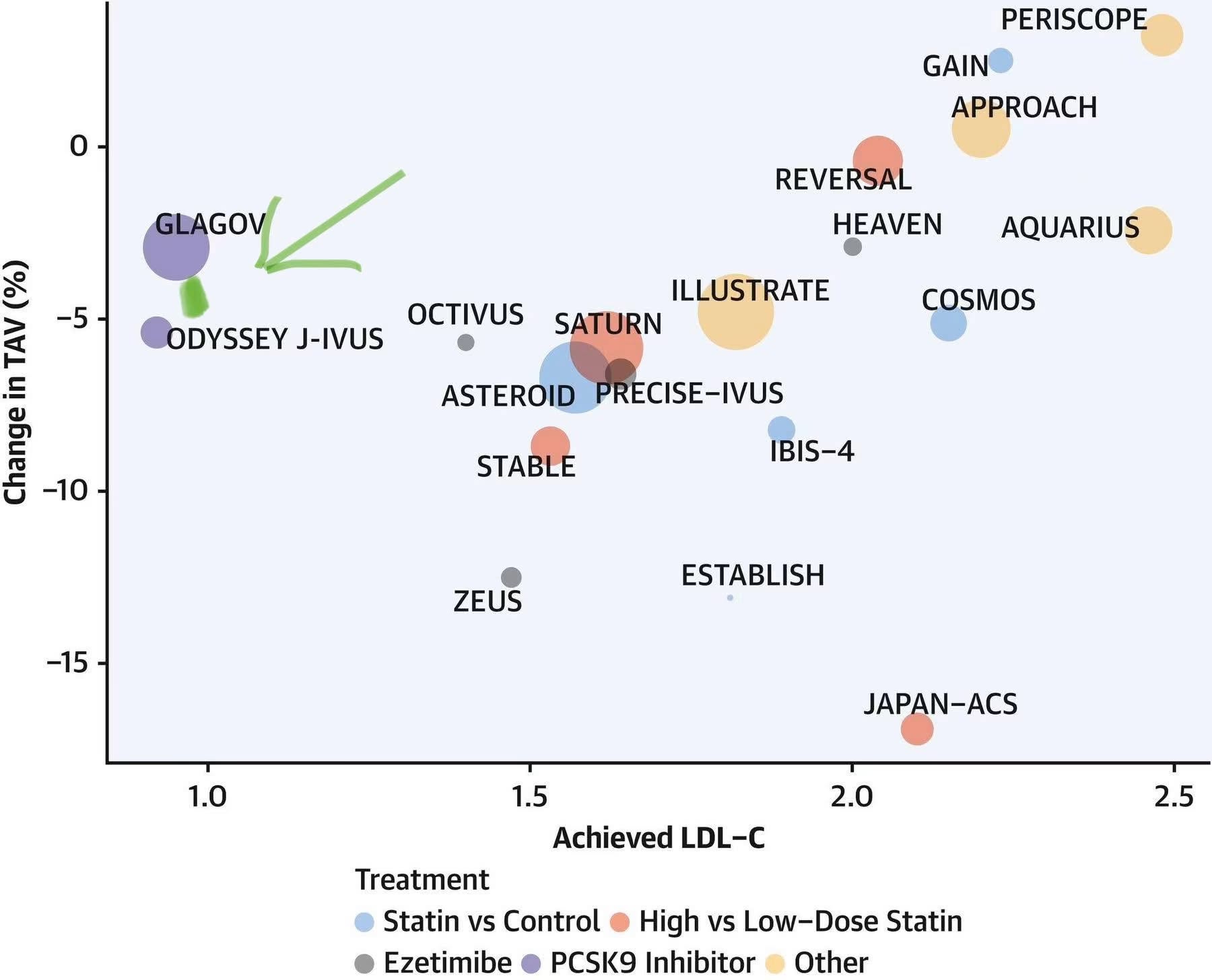
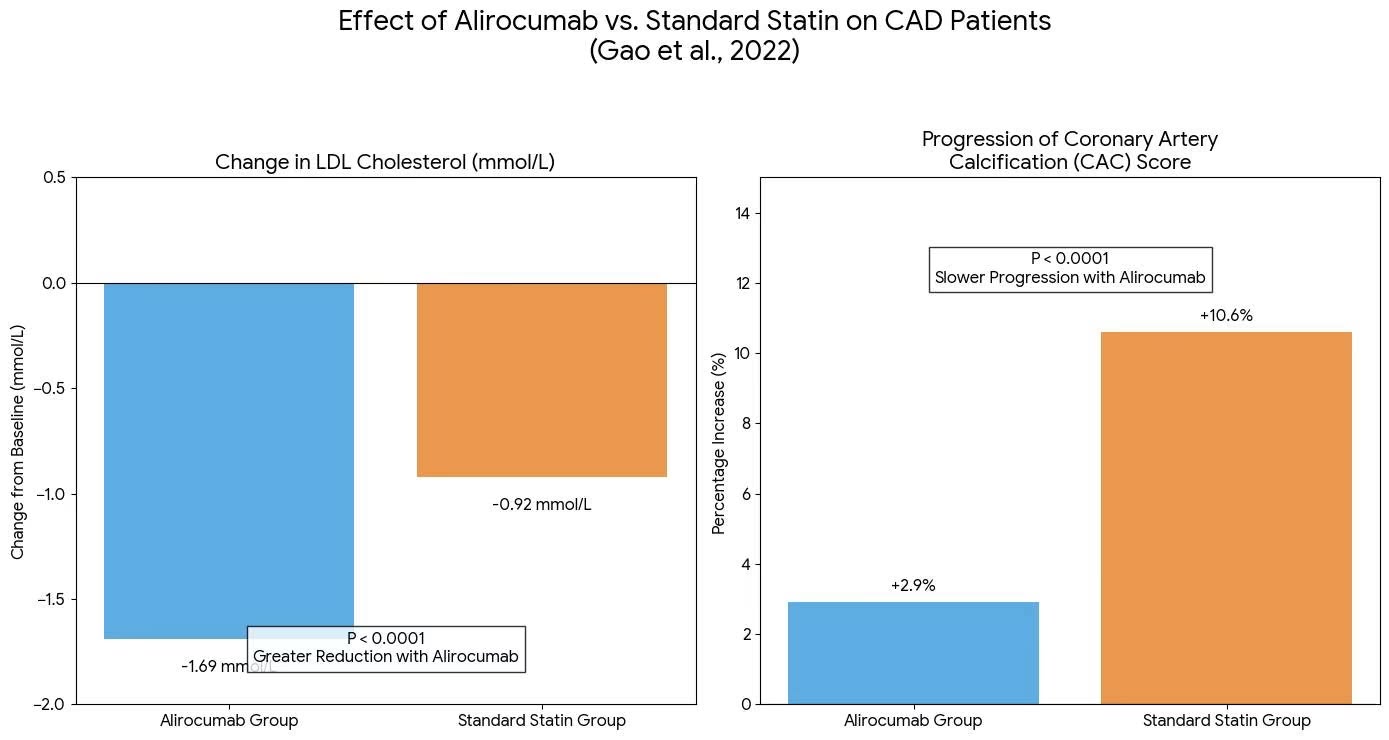
Explains the 'statin paradox' (statins reduce events and plaque but raise coronary calcium as plaque densifies) and argues PCSK9 inhibitors regress plaque without a calcific surge. Cites GLAGOV (evolocumab, LDL 36.6 mg/dL, PAV -0.95% vs +0.05%), PACMAN-AMI (alirocumab triple regression) and Gao 2022 (CAC +2.9% vs +10.6%).

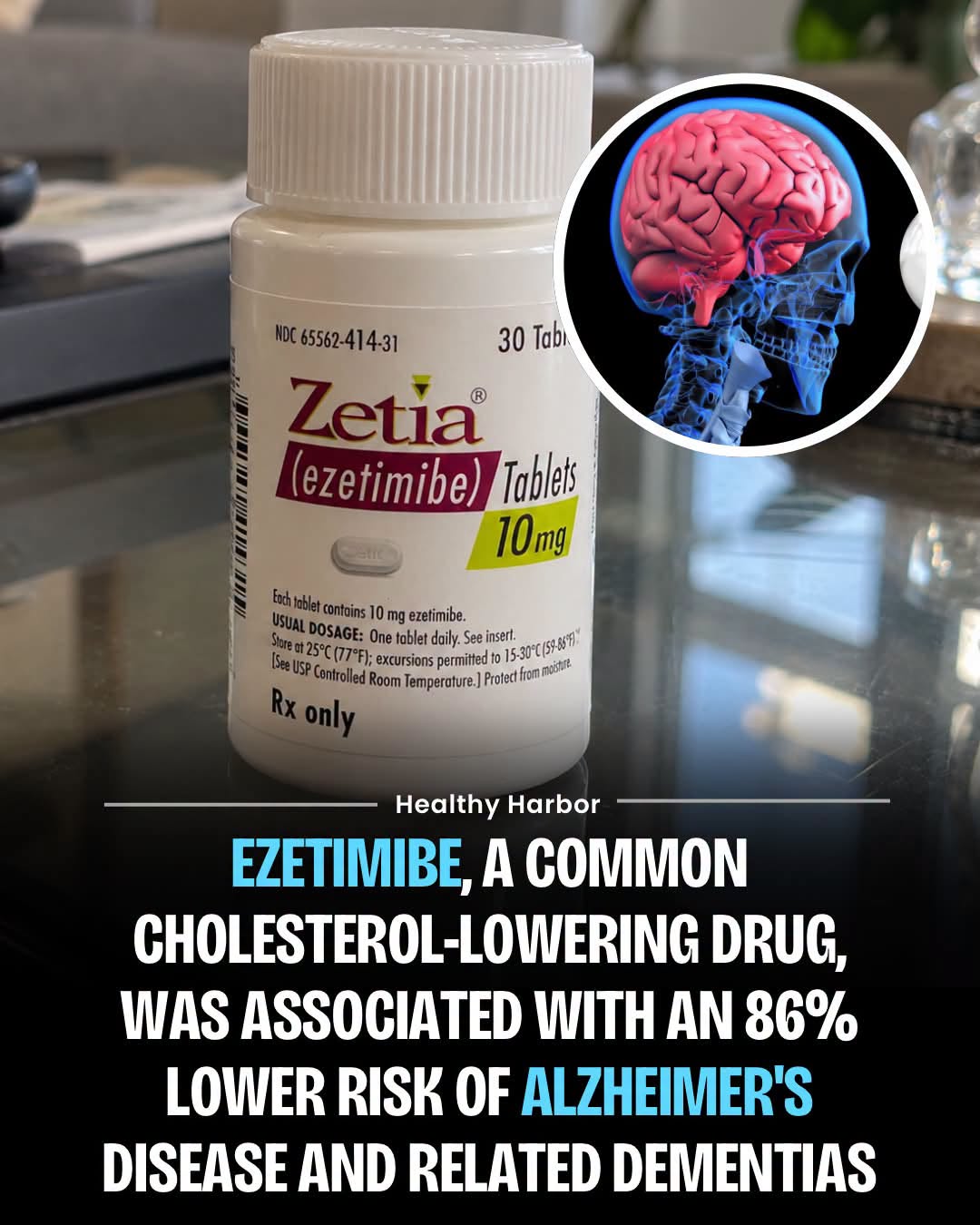
Ezetimibe use linked to 86% lower Alzheimer's and dementia risk in database analysis

Oct 19, 2026 · Louis Nervegna ♥ 38 · 💬 27 Brain health & dementia

A 2024 Aging Biology paper analysed clinical databases and found that people taking the LDL-lowering drug ezetimibe had a much lower risk of Alzheimer's disease and related dementias. Brain tissue from patients also showed more of two proteins, HK1 and 14-3-3 gamma. This is an observational association, so it does not prove the drug prevents dementia.

No trial has shown PCSK9 inhibitors lower heart attack risk without statins

Aug 13, 2026 · Louis Nervegna ♥ 18 · 💬 53 ↩ 3

Louis stresses that Repatha and Praluent proved their benefit only on top of statins, so claims that they should replace statins are unsupported. They might work better but outcome data are lacking, which is why guidelines keep statins first-line and add PCSK9 inhibitors.

PCSK9 inhibitors regress soft plaque without the calcification surge seen with statins

Jul 02, 2026 · Louis Nervegna ♥ 28 · 💬 22

Louis highlights Gokhan Can's article on imaging evidence that PCSK9 inhibitors shrink plaque without the calcific increase often seen with statins. He cautions that no randomized outcome trials test PCSK9 inhibitors as monotherapy, though adding one to a statin attenuates statin-induced calcification and lowers events more than statins alone.

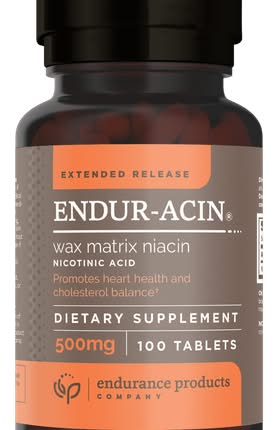
Niacin can cut Lp(a) (one member saw 40% with 1500 mg) but has no outcome proof

Jan 19, 2024 · Louis Nervegna ♥ 15 · 💬 37 Lp(a)

Louis explains niacin can be effective at lowering Lp(a) and is still used by some cardiologists, with one group member reporting a 40% Lp(a) drop on 1500 mg. He gives tips for reducing the harmless flush and explains sustained-release formulations. He warns niacin has not been shown in large RCTs to reduce heart attacks, strokes or mortality, and two large trials found no added benefit on top of high-dose statins but more side effects.

No trial shows PCSK9 inhibitor monotherapy cuts heart attacks; HORIZON undermines Lp(a)

Oct 31, 2026 · Louis Nervegna ♥ 16 · 💬 32 ↩ 1

Louis argues guidelines recommend against PCSK9 inhibitor monotherapy as first-line primary prevention because no randomized trial shows it lowers heart attacks, strokes or CVD mortality. He adds that the HORIZON trial massively lowered Lp(a) but had no effect on MACE, so people on PCSK9i mainly to lower Lp(a) should revisit that choice, since statins or statins plus PCSK9i are proven even with high Lp(a).

PCSK9 gene-editing therapy may not be safe yet; patient deaths occurred in a trial

Mar 18, 2025 · Louis Nervegna ♥ 22 · 💬 24

Louis warns that experimental PCSK9 gene therapies for lowering LDL may be unsafe because people have died in trials, and notes that safe, effective drugs already exist, including PCSK9 inhibitors. He clarifies that the deaths were specific to the gene therapy in that trial, with unclear cause, and were not seen in long PCSK9 inhibitor drug trials.

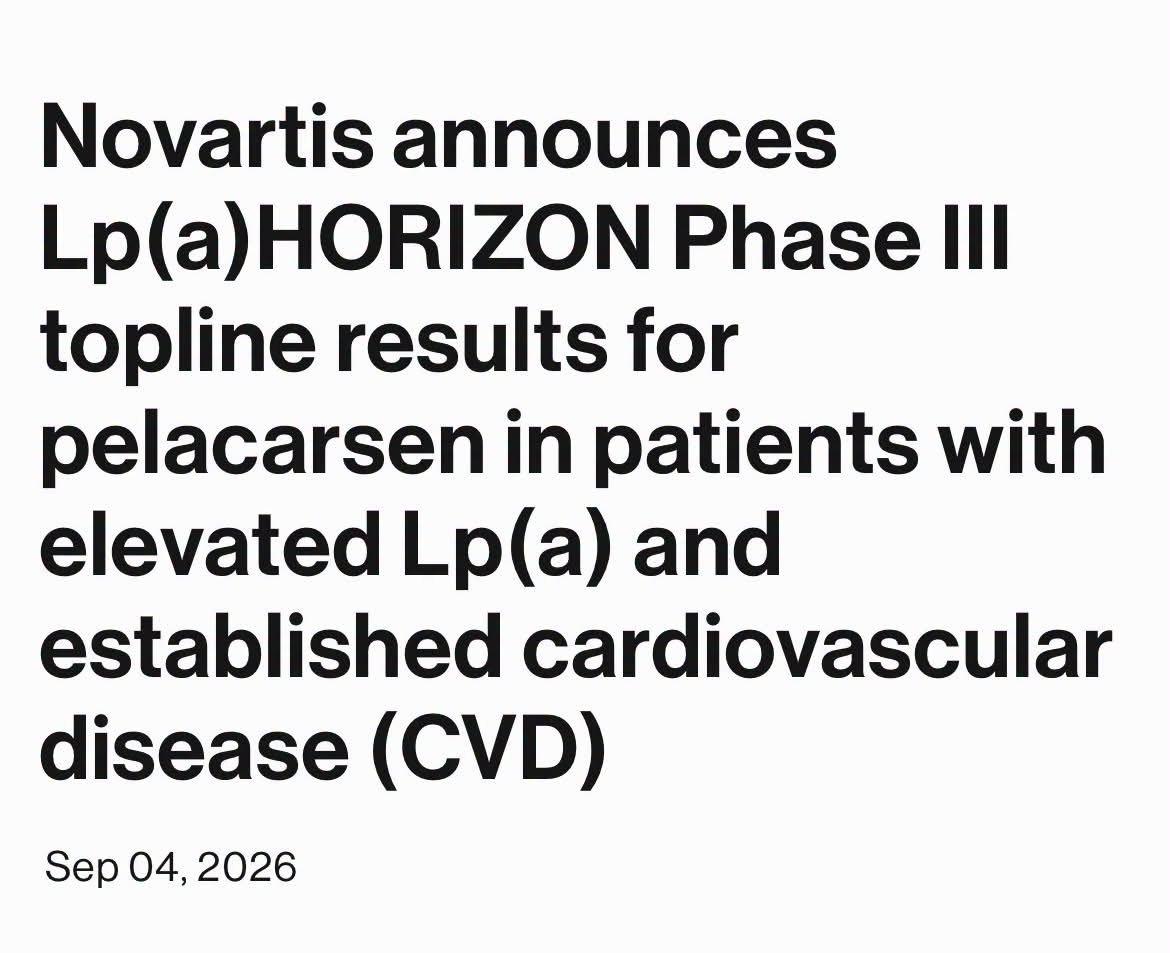
Novartis Lp(a)HORIZON: pelacarsen failed to reduce heart attacks and strokes

Sep 04, 2026 · Louis Nervegna ♥ 20 · 💬 24 Lp(a)

Louis shares the first outcome-trial result for an Lp(a)-lowering drug: topline data from Novartis say pelacarsen lowered Lp(a) but did not show reduced cardiovascular risk overall. He says the result seriously questions whether Lp(a) is directly causal, noting only a press announcement is available so far.

YELLOW trials: intensive rosuvastatin cut lipid-core plaque within 7-8 weeks

Aug 15, 2026 · Louis Nervegna ♥ 16 · 💬 19 Plaque, CAC & CT angiography

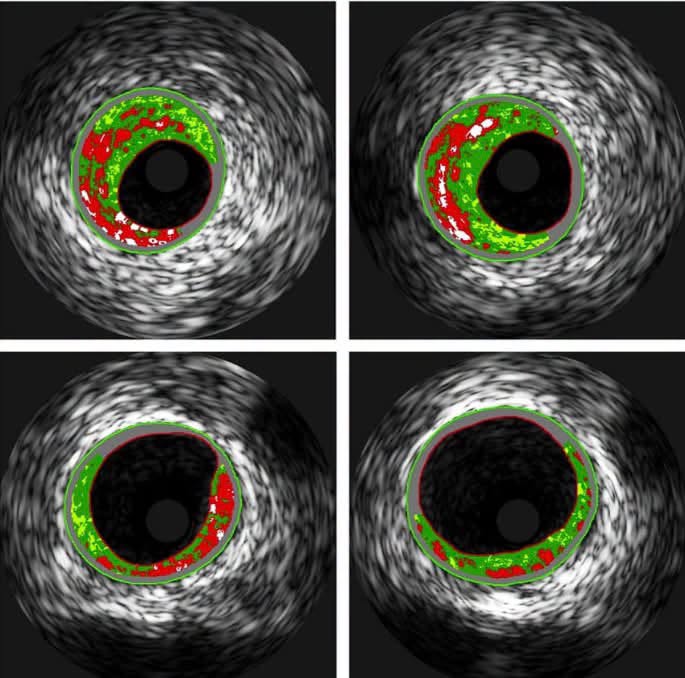
The YELLOW study found that short-term intensive lipid lowering with rosuvastatin reduced lipid-core burden (yellow plaque) in coronary lesions in as little as 7-8 weeks, stabilizing vulnerable plaque rather than shrinking blockages. YELLOW III added the PCSK9 inhibitor evolocumab to statins with greater improvement in plaque composition. Generic rosuvastatin costs under $10/month.

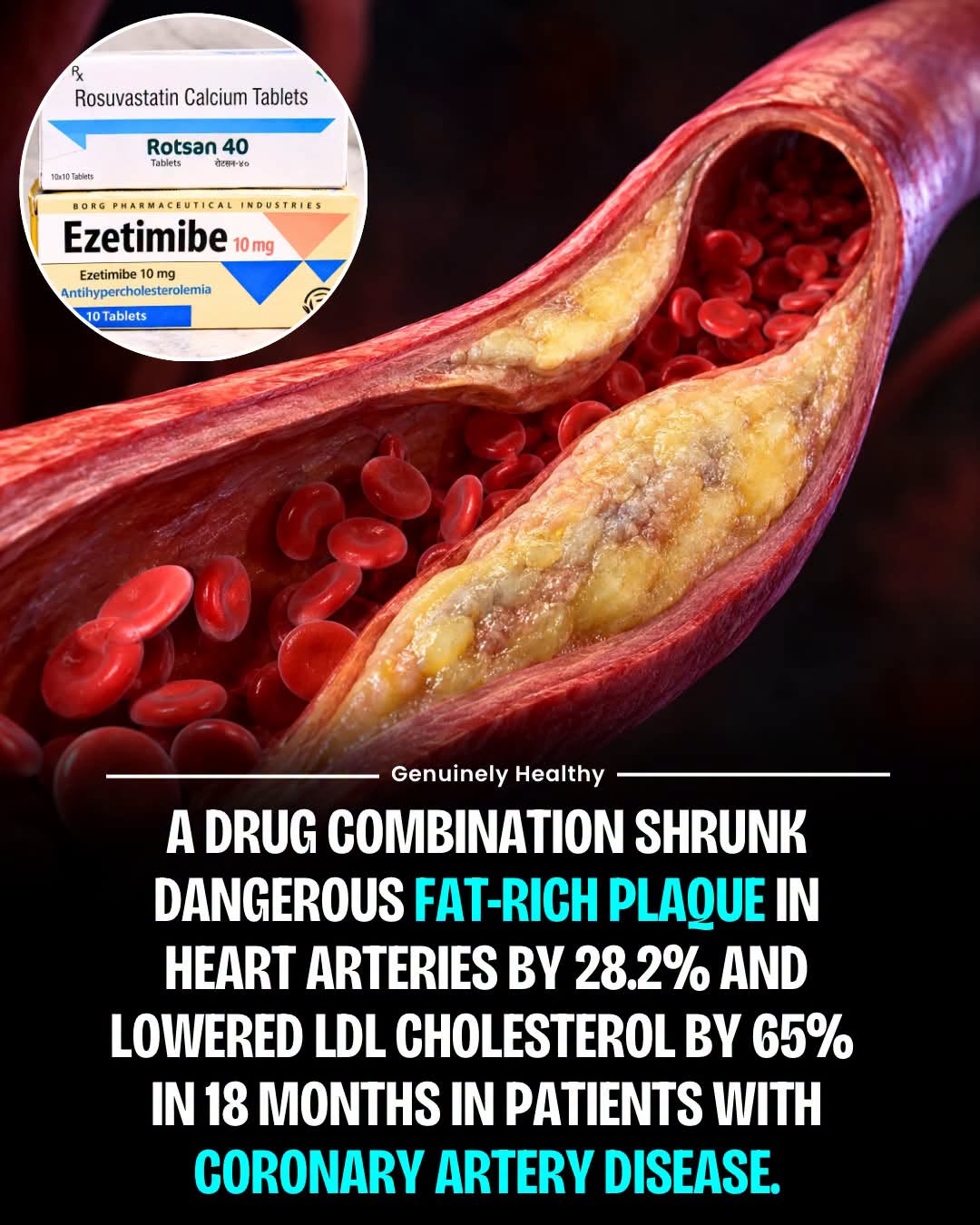
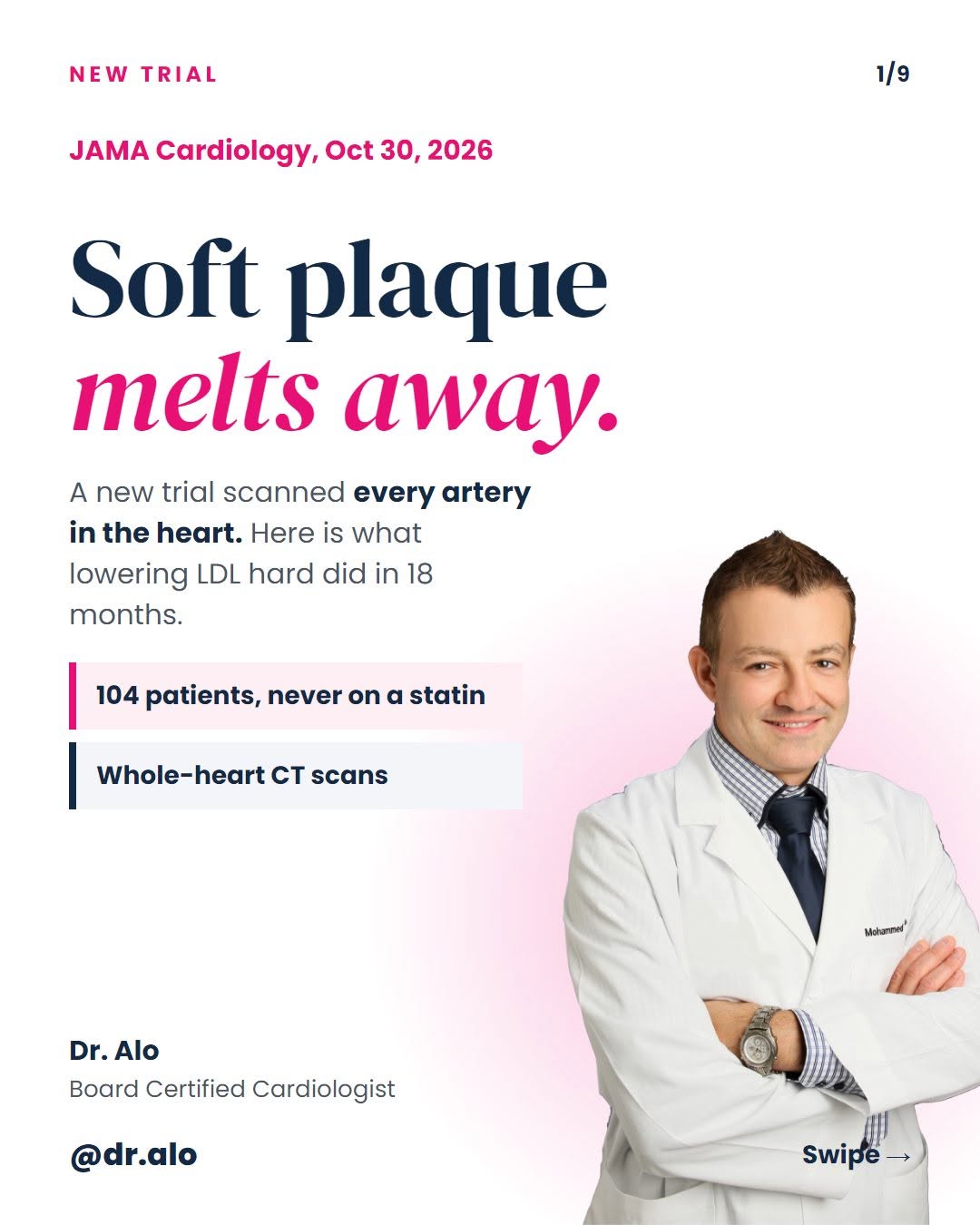
FLOWPROMOTE: LDL near 40 mg/dL on statin plus ezetimibe cut total plaque 21% in 18 months

Oct 31, 2026 · Louis Nervegna ♥ 25 · 💬 11 Plaque, CAC & CT angiography

Louis highlights the randomized FLOWPROMOTE trial in 104 statin-naive patients with coronary artery disease, scanned by CT angiography at baseline, 9 and 18 months. Rosuvastatin 40 mg plus ezetimibe 10 mg lowered LDL-C to 42.5 mg/dL versus 69.5 mg/dL with atorvastatin 40 mg and reduced total plaque volume by about 21%. The shared write-up frames this as evidence that coronary atherosclerosis can be reversed with intensive lipid lowering.

Only lipophilic statins like atorvastatin enter the brain; PCSK9 drugs and ezetimibe don't

Oct 18, 2025 · Louis Nervegna ♥ 25 · 💬 10 Brain health & dementia

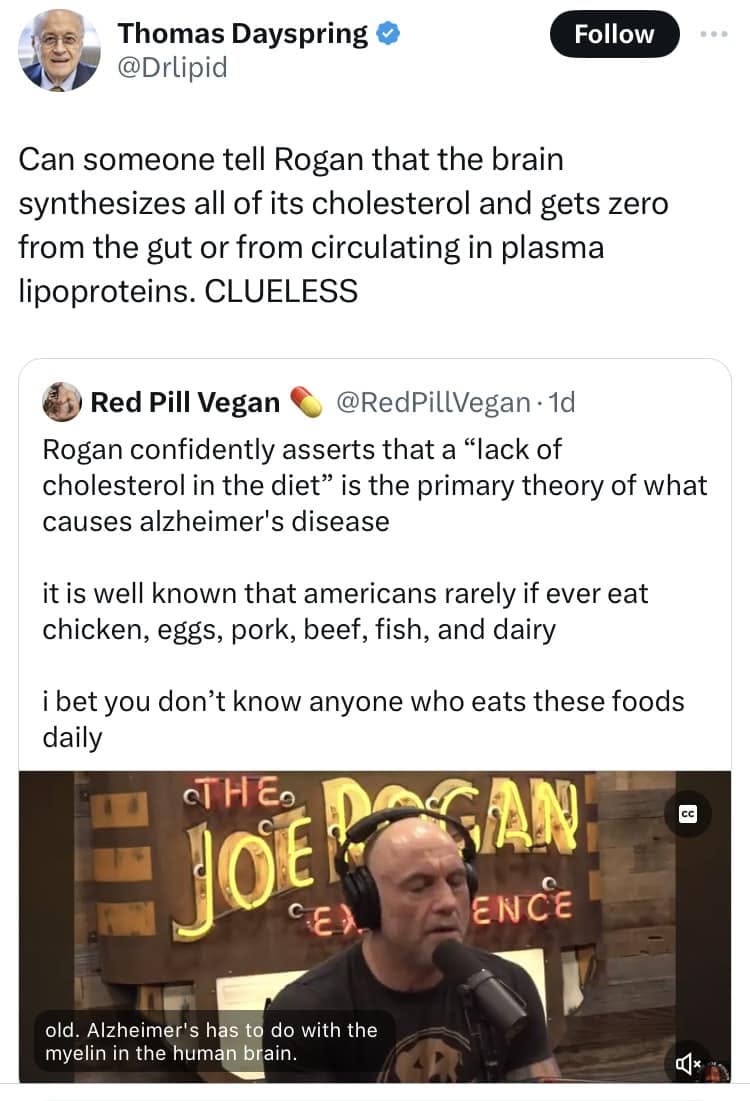
Louis explains the blood-brain barrier and cholesterol: the brain makes its own cholesterol separately from blood, so non-statin LDL drugs and hydrophilic statins like rosuvastatin have little brain effect. Lipophilic statins do enter the brain, with promising observational data against Alzheimer's, and a 20,000-person atorvastatin trial is under way. Two prior trials showed statins do not worsen existing Alzheimer's, and midlife high LDL is a leading modifiable dementia risk (2024 Lancet Commission, about 7% of US cases per Louis).

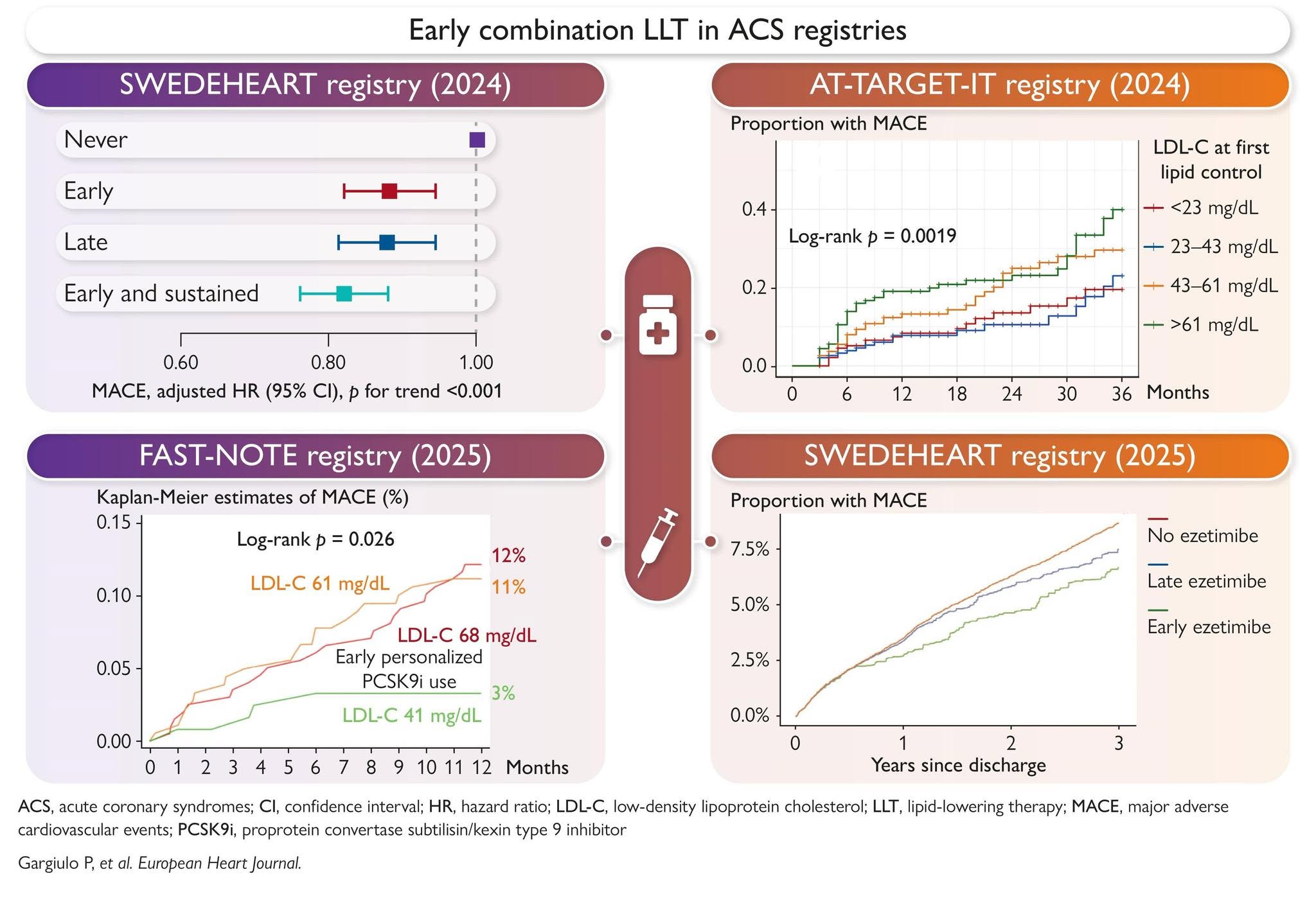
Ezetimibe beyond statins: fewer events, no mortality gain in trials, registry benefits

Nov 07, 2024 · Gokhan Can ♥ 11 · 💬 22

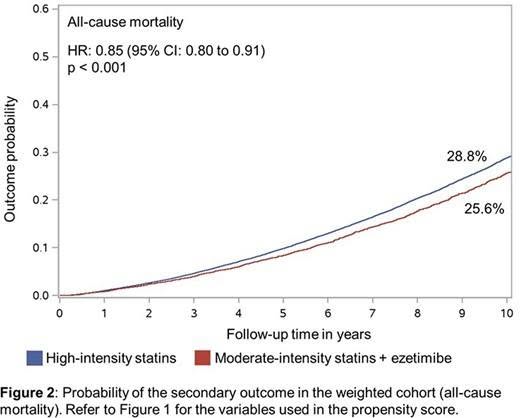
Evidence digest on ezetimibe. A meta-analysis of 15 RCTs (123,785 patients) found add-on lipid lowering cut cardiovascular events 19% versus statins alone but did not improve all-cause mortality. Other data show moderate statin plus ezetimibe matches high-intensity statins, and registry studies hint at lower mortality, with strong LDL-target attainment.

PCSK9 inhibitors lower circulating cholesterol only, not brain cholesterol

Mar 09, 2025 · Louis Nervegna ♥ 16 · 💬 24

Louis states that PCSK9 inhibitors lower cholesterol only in circulation and not in the brain, because circulating cholesterol cannot cross the blood-brain barrier and the brain produces its own. He frames this as basic physiology countering claims about brain harm from lower LDL.

Niacin for CVD prevention: no reason to use it given proven options, says the poster

Sep 19, 2026 · Louis Nervegna ♥ 21 · 💬 11

The poster gives his opinion that niacin is only better than nothing and no longer worth taking for cardiovascular prevention given proven alternatives. He would never combine it with high-dose statins, citing two large trials with no added benefit and more side effects, and no longer sees a role in high Lp(a) after the HORIZON trial failure.

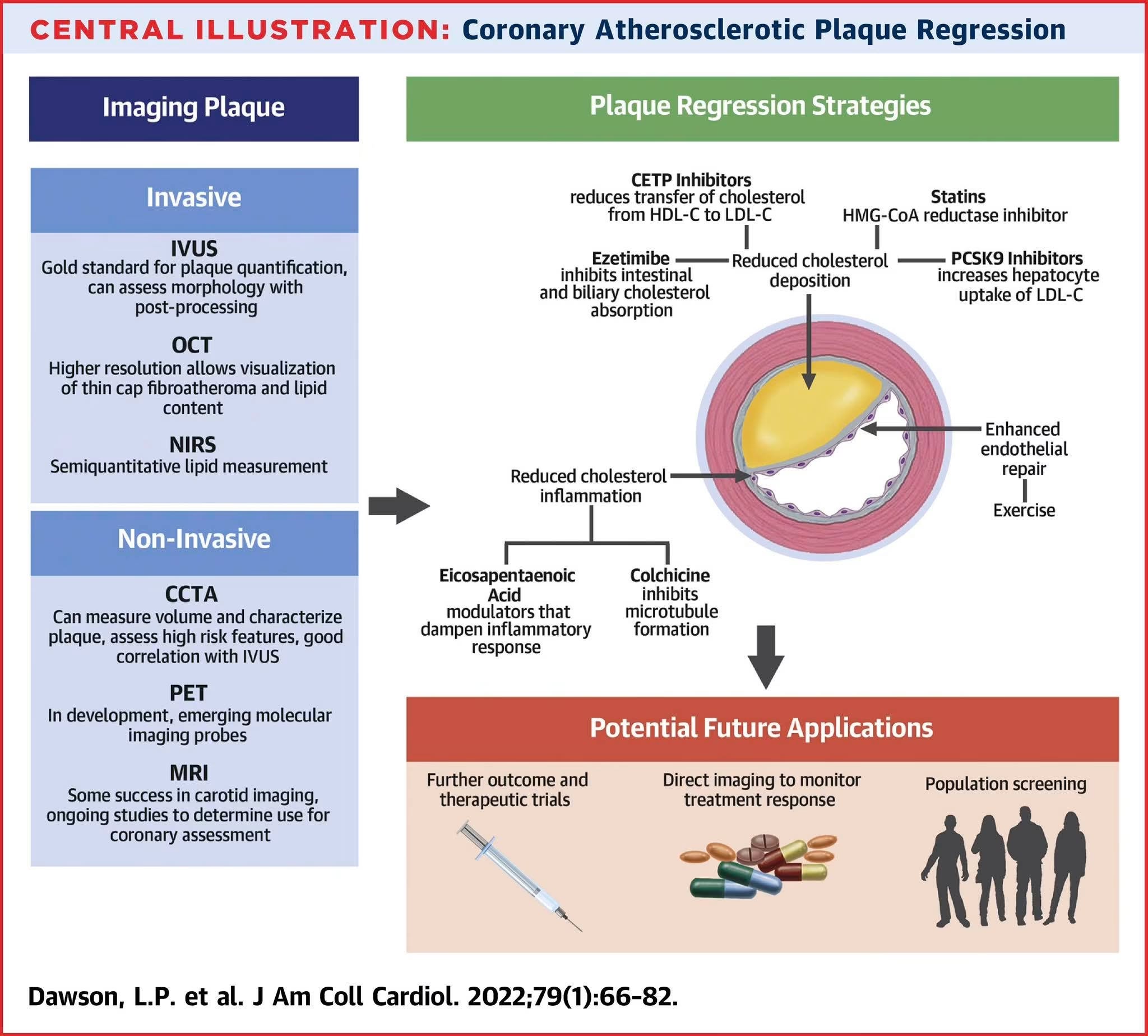
Plaque reduction: statins, PCSK9 inhibitors and ezetimibe have the strongest evidence

May 18, 2024 · Gokhan Can ♥ 32 · 💬 5 Plaque, CAC & CT angiography

Ranks interventions for regressing or stabilizing atherosclerotic plaque. Statins, PCSK9 inhibitors and ezetimibe have the strongest trial evidence, with high-dose EPA and pioglitazone fairly good; colchicine, aged garlic, Centella, pine bark, nattokinase and plant-based diets are promising but need rigorous imaging RCTs, and evidence for exercise, L-arginine and vitamin K2 is limited.

Why Louis takes a low-dose statin: known side effects beat unknown ones of newer drugs

May 09, 2024 · Louis Nervegna ♥ 15 · 💬 20 Statins

Louis explains his personal reasoning for choosing a low-dose statin over newer cholesterol drugs: statin side effects are well characterized after decades, while newer drugs may have undiscovered ones. He adds that this is probably why statins remain standard of care for most people. This is personal opinion, not a study.

Bempedoic acid cut CV events and may also dampen age-related inflammation

Jul 21, 2026 · Louis Nervegna ♥ 10 · 💬 14

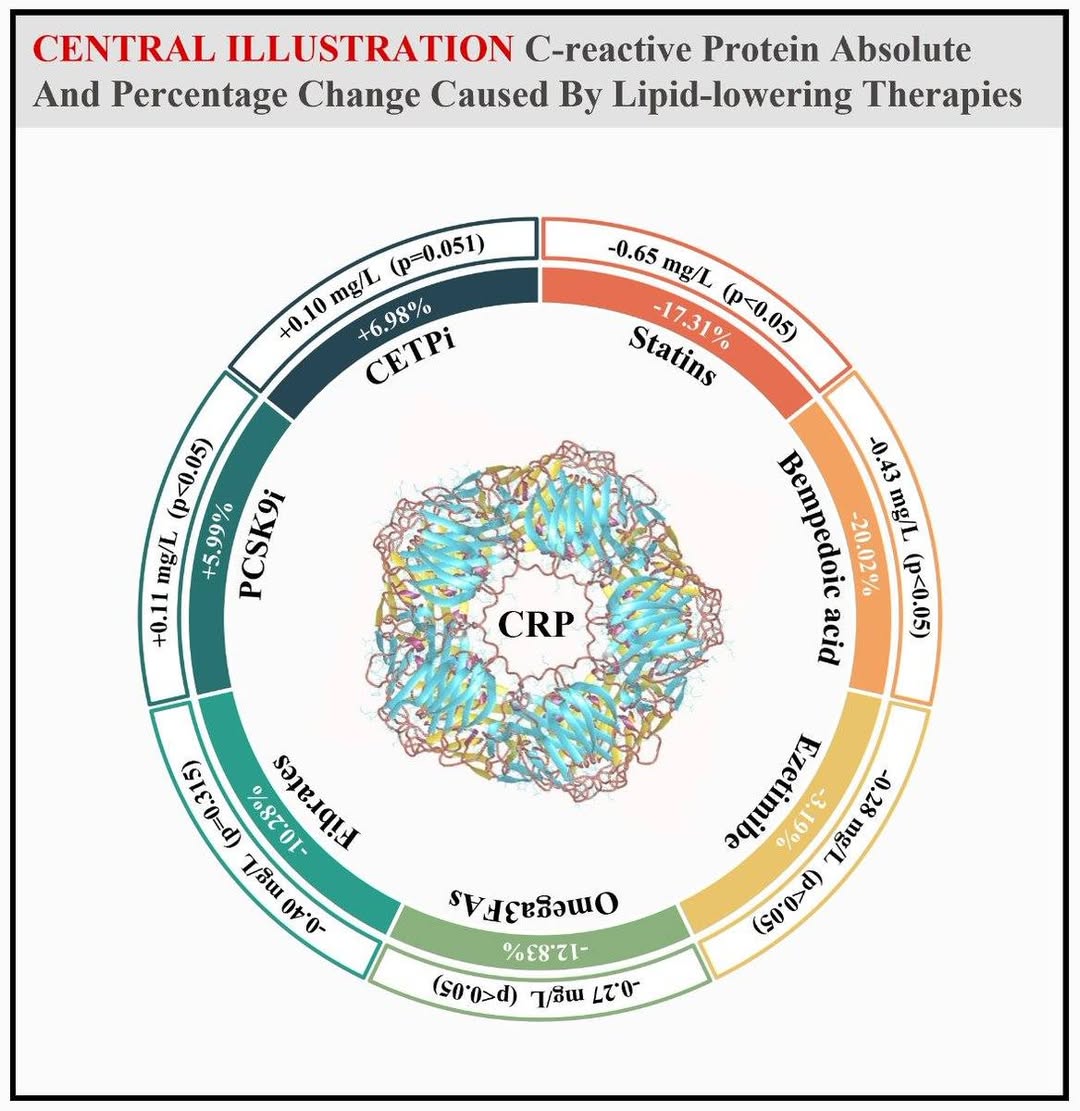
Louis shares Gokhan Can's summary of bempedoic acid in 4,206 statin-intolerant primary prevention patients: the primary composite fell 30%, MI 39%, and all-cause mortality 27%. It lowers LDL by 21.3% and hsCRP by 21.5%, and inhibits ACLY, which drives senescence inflammation in aged mice.

Limiting diabetes risk on LDL-lowering drugs: statin risk is modest, alternatives exist

Nov 26, 2025 · Gokhan Can ♥ 7 · 💬 17 Statins

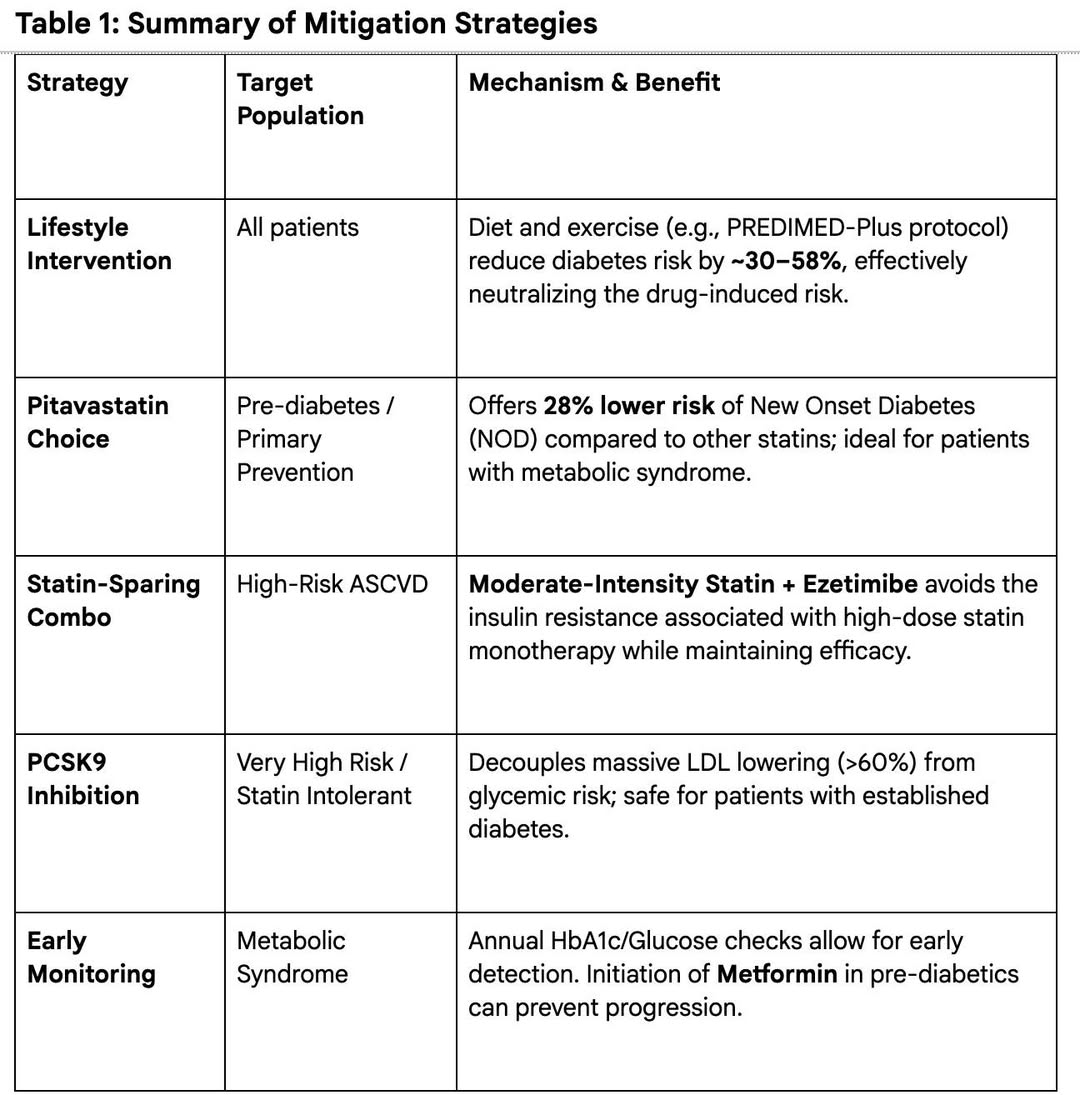
Review explaining that statins modestly increase new-onset diabetes in a dose-dependent way, mostly in people with existing metabolic risk factors, and that cardiovascular benefit clearly outweighs this. It suggests statins mainly bring forward diagnosis in predisposed people, outlines mechanisms (beta-cell dysfunction, insulin resistance) and proposes ezetimibe, PCSK9 inhibitors and pitavastatin as options that limit glycemic harm.

PCSK9 inhibition may slow cardiometabolic aging beyond lowering cholesterol

Dec 21, 2023 · Louis Nervegna ♥ 15 · 💬 11

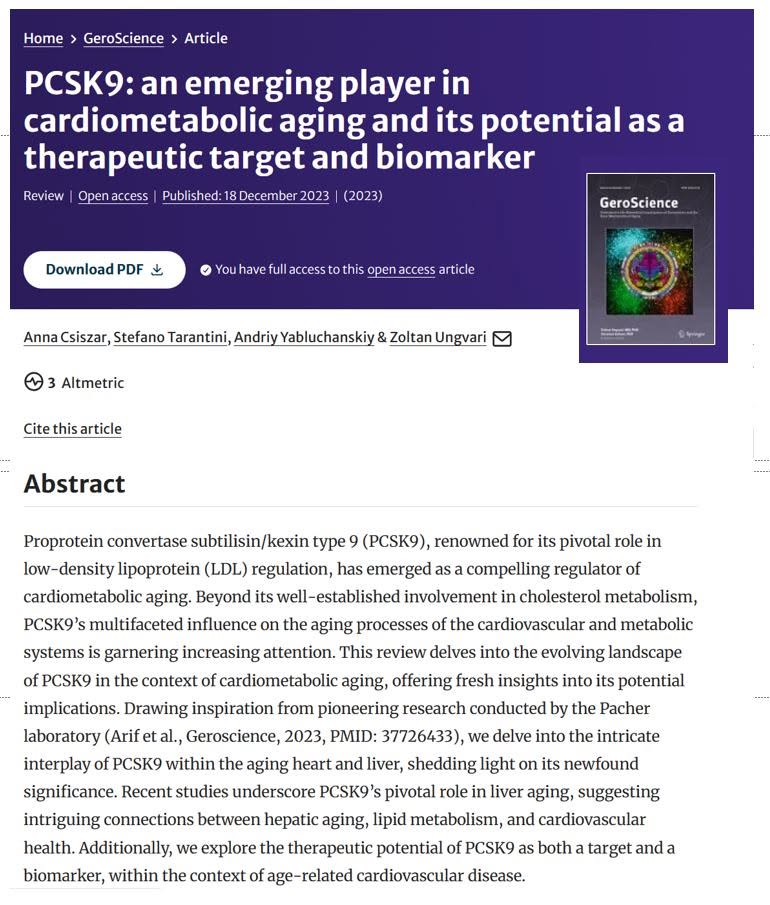
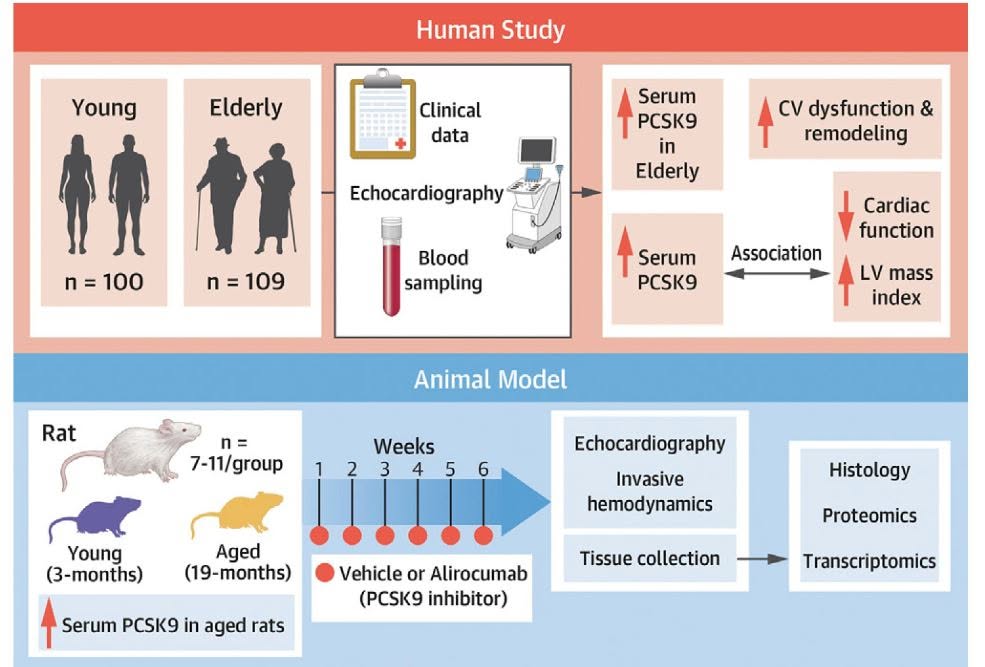
Louis highlights a GeroScience open-access review proposing PCSK9 inhibition may ameliorate age-related cardiac and liver pathology, and that a multivariate genome-wide analysis of aging traits identified PCSK9 as a potential drug target for healthy aging. He adds that botanical compounds such as berberine also inhibit PCSK9. The anti-aging role remains an emerging research area.

Mendelian randomization: lifelong lower LDL tracks linearly with lower heart disease risk

Oct 10, 2026 · Louis Nervegna ♥ 13 · 💬 8 LDL, ApoB & lipid panel

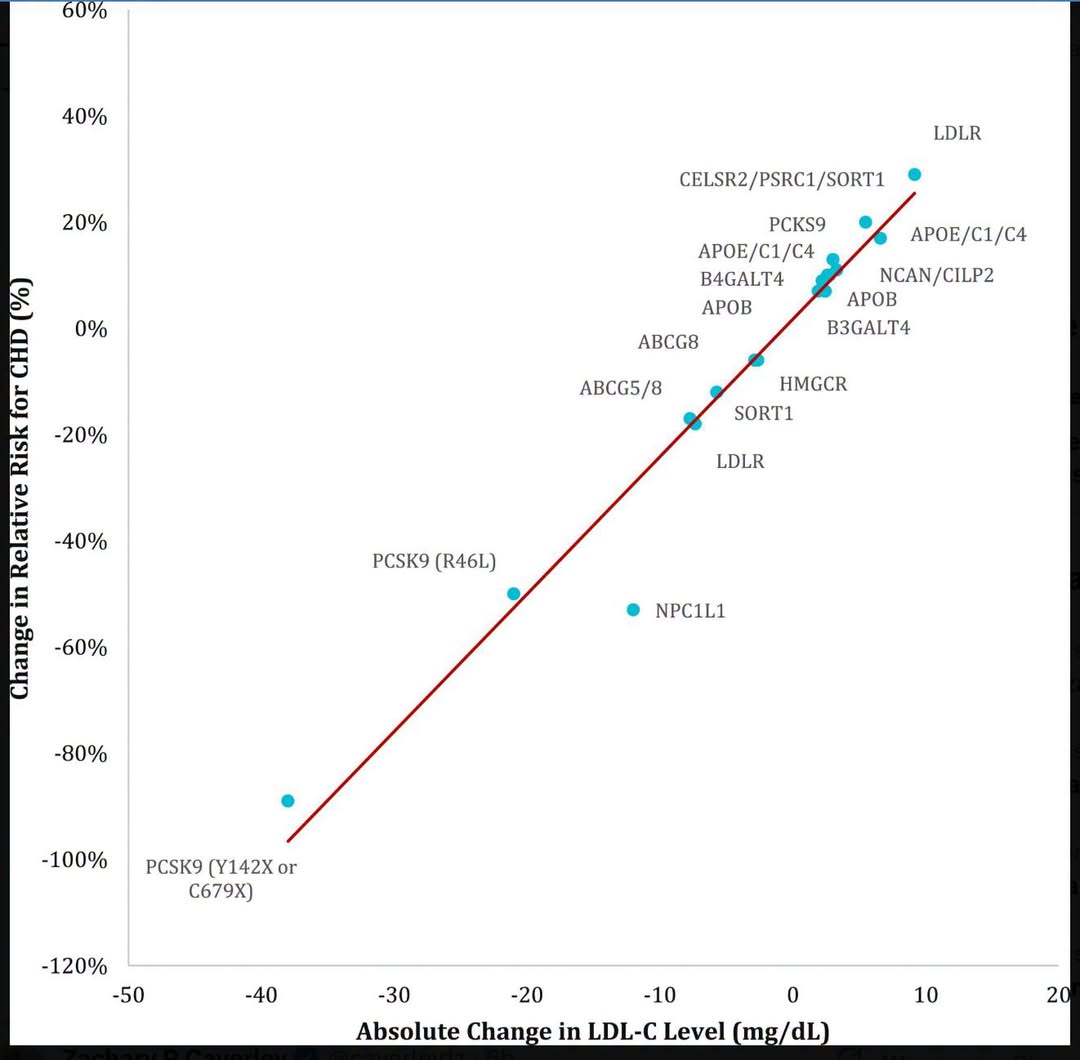
The post explains a chart from a European Atherosclerosis Society consensus statement showing that genetic variants affecting LDL through different pathways (LDLR, PCSK9, APOB, HMGCR, NPC1L1, SORT1, ABCG5/8) change coronary risk in proportion to the LDL change. This matches the linear relationship seen in statin trials. The poster also shows how to convert relative risk reductions into lifetime absolute risk.

Review: PCSK9 emerges as a regulator of cardiometabolic aging in heart and liver

Jan 31, 2024 · Louis Nervegna ♥ 15 · 💬 9

Louis suggests PCSK9 inhibitor drugs may be treating aging itself in the cardiovascular system and liver, sharing a February 2024 GeroScience review. The review describes PCSK9 as an emerging regulator of cardiometabolic aging, with links between liver aging, lipid metabolism and cardiovascular health, drawing on work from the Pacher laboratory. The claim about drugs treating aging is speculative.
PCSK9 inhibitors like Repatha have real side effects and a shorter safety record

Apr 15, 2024 · Louis Nervegna ♥ 8 · 💬 14

Louis pushes back on the claim that PCSK9 inhibitors lack significant side effects. The manufacturer lists flu-like symptoms, back pain and high blood sugar as the most common, and long-term effects are not yet known, which is why guidance reserves them for high-risk patients or those who cannot tolerate statins.

Olezarsen cut triglycerides 64% and remnant cholesterol 72%, but plaque did not change

Mar 30, 2026 · Gokhan Can ♥ 10 · 💬 10

Quotes Ethan Weiss on a surprising null result: at 6 months olezarsen lowered triglycerides 63.9%, remnant cholesterol 71.9% and apoB 16.0% versus placebo with no LDL-C difference, yet there was no difference in plaque at one year. This suggests triglyceride/remnant lowering alone may not shrink plaque.

Obicetrapib may prevent both heart disease and Alzheimer's

Jul 07, 2026 · Louis Nervegna ♥ 19 · 💬 5

Louis notes obicetrapib, a CETP inhibitor, may treat both CVD and Alzheimer's. A Phase 2 prevention trial will include 75% APOE4 carriers. BROADWAY showed slower p-tau217 rise over 12 months.

HDL and ApoA-I raising therapies repeatedly failed, so HDL is probably not directly causal

Mar 11, 2024 · Louis Nervegna ♥ 6 · 💬 9 ↩ 22 LDL, ApoB & lipid panel

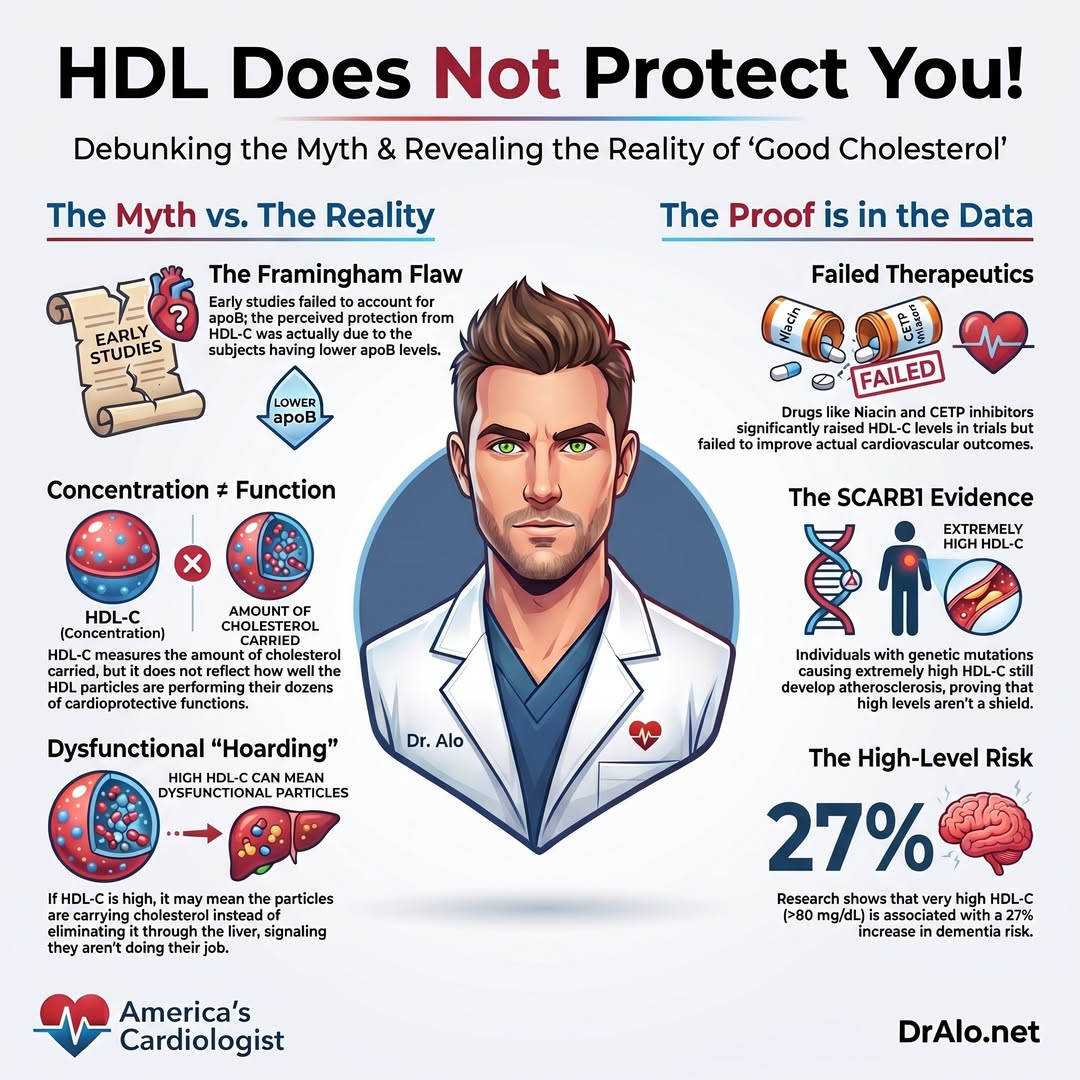
Louis reviews why HDL or ApoA-I is probably not causal for heart disease. CETP inhibitor trials failed (ILLUMINATE with torcetrapib was stopped for harm; dal-OUTCOMES with dalcetrapib and ACCELERATE with evacetrapib showed no benefit), as did fibrate and niacin trials and CSL112 infusions, and Mendelian randomization agrees. He proposes HDL and ApoA-I mainly act as a proxy for insulin sensitivity, which is the real causal factor.

Obicetrapib gets first approval worldwide in the EU, lowering LDL up to 40-50%

Sep 21, 2026 · Louis Nervegna ♥ 18 · 💬 5

The European Commission approved obicetrapib, a low-dose oral CETP inhibitor, on 21 September 2026 in two versions: obicetrapib 10 mg alone and combined with ezetimibe 10 mg. Phase 3 trials reported LDL-C reductions of about 40% alone and about 50% with ezetimibe versus placebo. The poster says the drug has shown promise for both cardiovascular disease and Alzheimer's.

Review: aggressive LDL lowering outweighs theoretical risks, yet few reach <55 mg/dL

Oct 28, 2025 · Gokhan Can ♥ 13 · 💬 5 LDL, ApoB & lipid panel

Summarises a July 2025 review: guidelines now target LDL-C <55 mg/dL (<40 after a recurrent event), PCSK9 inhibitors add 59-62% LDL reduction, and evidence (FOURIER, CTT meta-analysis, PCSK9 genetics) supports benefit to very low levels. It says safety concerns such as hemorrhagic stroke, cognitive decline (EBBINGHAUS) and hormone disruption are unsupported, while fewer than one in four high-risk patients reach target.

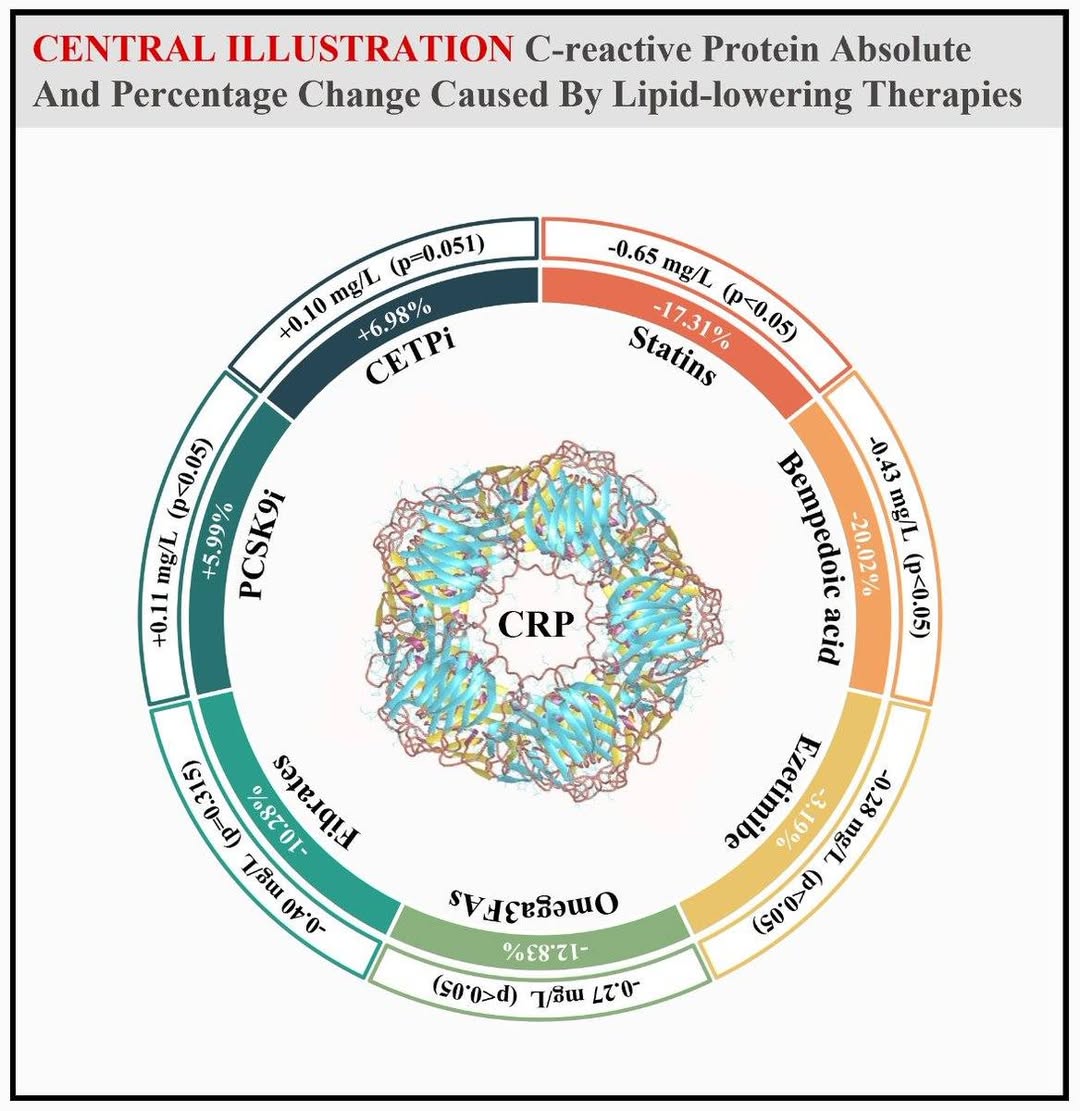
Adding ezetimibe to a statin lowers CRP by an extra 10% in pooled trials

Nov 09, 2024 · Gokhan Can ♥ 7 · 💬 9

Pooled analysis of placebo-controlled ezetimibe trials found ezetimibe alone lowered CRP numerically more than placebo (6%, not significant), while added to statin therapy it gave a significant extra 10% CRP reduction. Gokhan lists related studies on ezetimibe's anti-inflammatory effects.

PCSK9 inhibitor plus statin nearly halted coronary calcium progression versus statin alone

Dec 01, 2025 · Gokhan Can ♥ 14 · 💬 4

Summary of alirocumab 75 mg biweekly added to moderate statins in 61 CAD patients over 18 months: median CAC +2.9% vs +10.6%, with CAC not rising significantly from baseline. A retrospective study (Ikegami, n=120) found about half the annual calcium progression. Mechanism is thought to be stronger LDL and Lp(a) lowering.

Why lowering Lp(a) failed to cut heart attacks in the HORIZON trial, per Nature

Nov 03, 2026 · Louis Nervegna ♥ 10 · 💬 8 Lp(a)

Louis shares a Nature news feature asking why Lp(a) lowering did not reduce heart attacks and strokes in the HORIZON trial, with full results due November 7. The quoted passage explains that Lp(a) is like LDL but has an apolipoprotein(a) tail with kringle repeats, that particle for particle it carries about six times LDL's risk, and that clotting effects may matter.

FLOWPROMOTE: rosuvastatin plus ezetimibe vs atorvastatin for plaque regression

Nov 07, 2026 · Louis Nervegna ♥ 13 · 💬 5 Plaque, CAC & CT angiography

Louis shares an explainer of FLOWPROMOTE, a 2026 JAMA Cardiology randomized trial in 104 Danish adults with stable coronary disease and no prior statin. Participants received atorvastatin 40 mg or rosuvastatin 40 mg plus ezetimibe 10 mg for 18 months with serial coronary CT angiography. It also explains how LDL drives plaque and why combining drugs lowers LDL further.

Tsimikas on why Lp(a) HORIZON missed its endpoint despite strong Lp(a)-risk evidence

Sep 05, 2026 · Louis Nervegna ♥ 8 · 💬 6 Lp(a)

Louis shares a summary of Dr. Sam Tsimikas's comments on the pelacarsen HORIZON trial missing its primary endpoint. Evidence linking high Lp(a) to heart attack, stroke, PAD and aortic valve disease remains large, but most came from general populations before aggressive LDL lowering, and HORIZON patients were already aggressively treated.

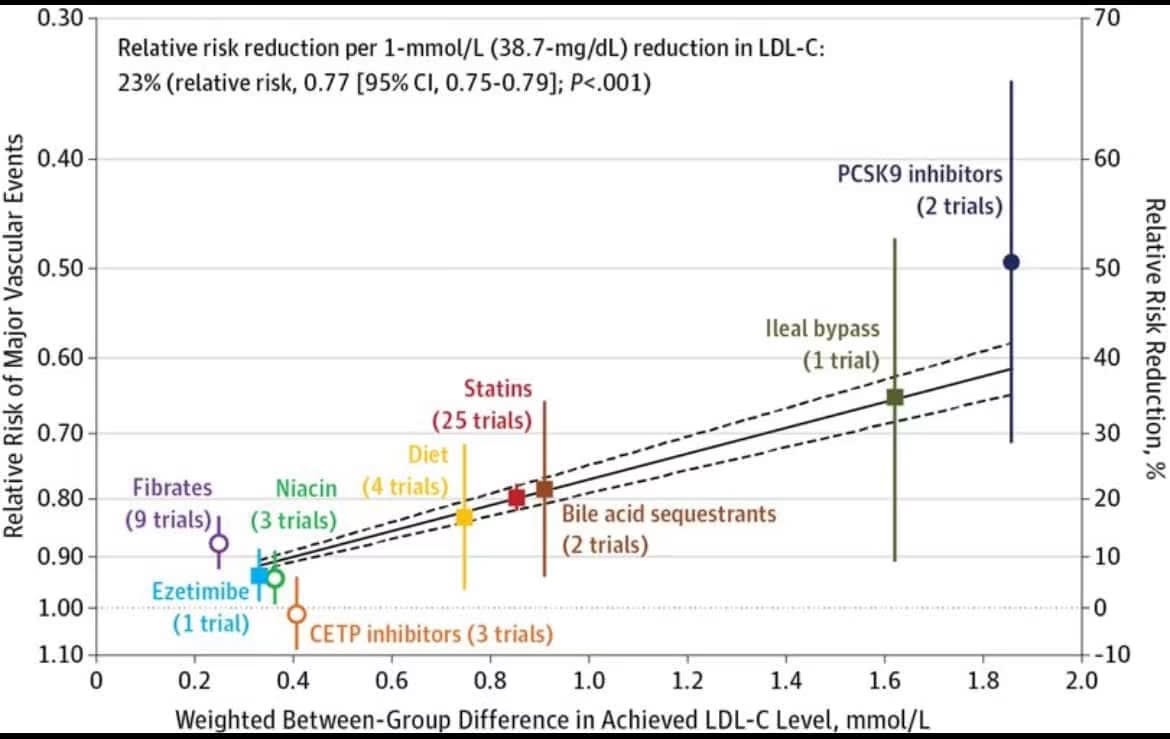
Lowering LDL does not guarantee fewer events: niacin and CETP inhibitors failed on MACE

Aug 14, 2026 · Louis Nervegna ♥ 11 · 💬 4

Louis explains that not every LDL-lowering therapy reduces heart attacks and strokes. Niacin added to high-dose statins lowered LDL more but two large RCTs showed no extra MACE benefit, and the CETP inhibitors torcetrapib and dalcetrapib lowered LDL but failed in outcome trials. This is why the FDA requires outcome trials.

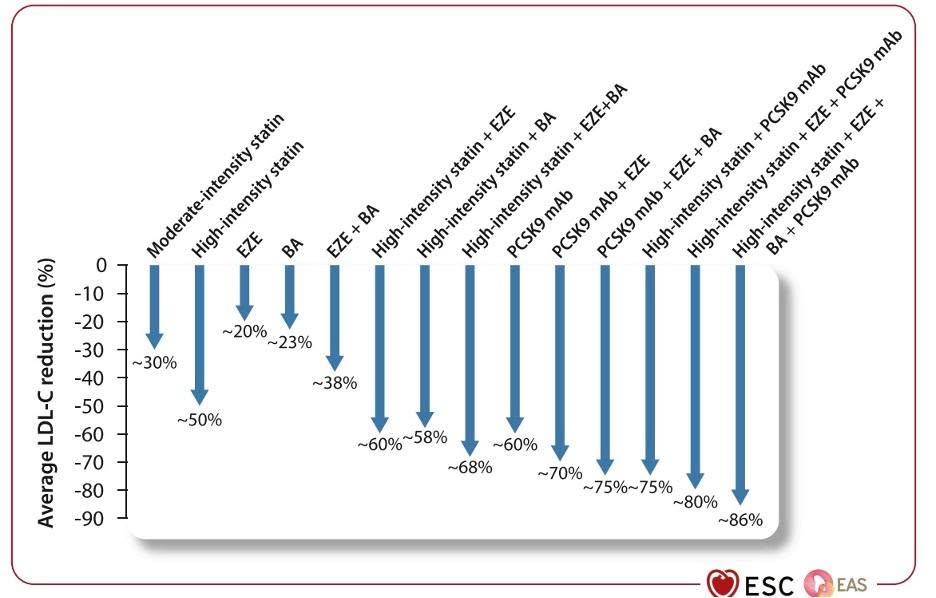
2025 ESC/EAS update: where ezetimibe, bempedoic acid, PCSK9 drugs and inclisiran fit

Oct 19, 2025 · Louis Nervegna ♥ 5 · 💬 10

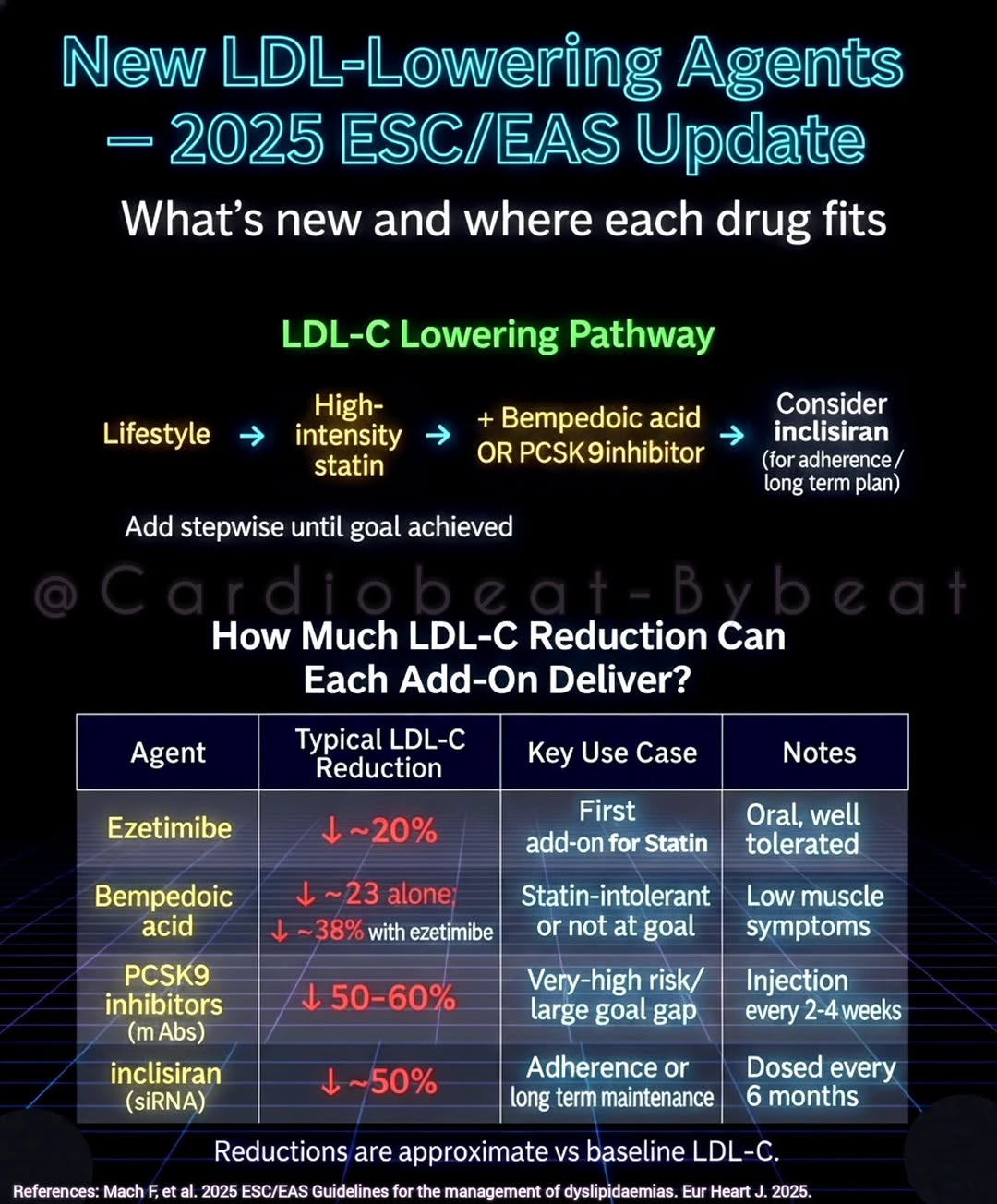
A shared graphic summarizes the 2025 ESC/EAS dyslipidaemia guideline update on add-on LDL-lowering after statins. Ezetimibe is the first oral add-on, bempedoic acid suits statin intolerance, PCSK9 antibodies give the biggest reductions in very-high-risk patients, and inclisiran offers twice-yearly dosing for adherence.

Lp(a)HORIZON NEJM: pelacarsen cut Lp(a) 78% with no trend toward fewer events

Nov 07, 2026 · Louis Nervegna ♥ 6 · 💬 4 ↩ 1 Lp(a)

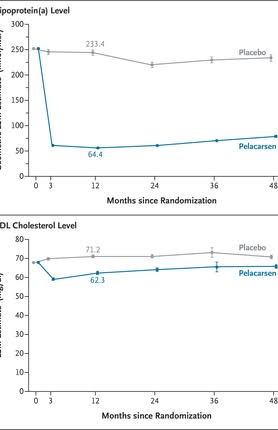
Louis summarizes the Lp(a)HORIZON paper in NEJM. Pelacarsen lowered Lp(a) by 78% but there was no reduction in MACE, not even a trend, with slightly more events on the drug (non-significant). Subgroups with Lp(a) above 90 mg/dL showed no extra benefit over 70-90, and serious adverse events were actually higher on placebo.

Ezetimibe may reduce dementia risk by lowering amyloid

Feb 12, 2026 · Louis Nervegna ♥ 11 · 💬 5

Short post stating that ezetimibe is associated with reduced dementia risk and appears to reduce amyloid and the brain injury it causes. No study is cited in the post.

Alirocumab plus statin slowed coronary calcium progression: +2.9% vs +10.6% at 18 months

Jan 01, 2026 · Gokhan Can ♥ 16 · 💬 1

Summarises a 2022 RCT in CAD patients on moderate statins: alirocumab 75 mg every 2 weeks for 18 months limited CAC progression, with Lp(a) change correlating with CAC change. A retrospective study (Ikegami) found about half the annual CAC progression with PCSK9 inhibitor plus statin; studies are small and larger trials are needed.

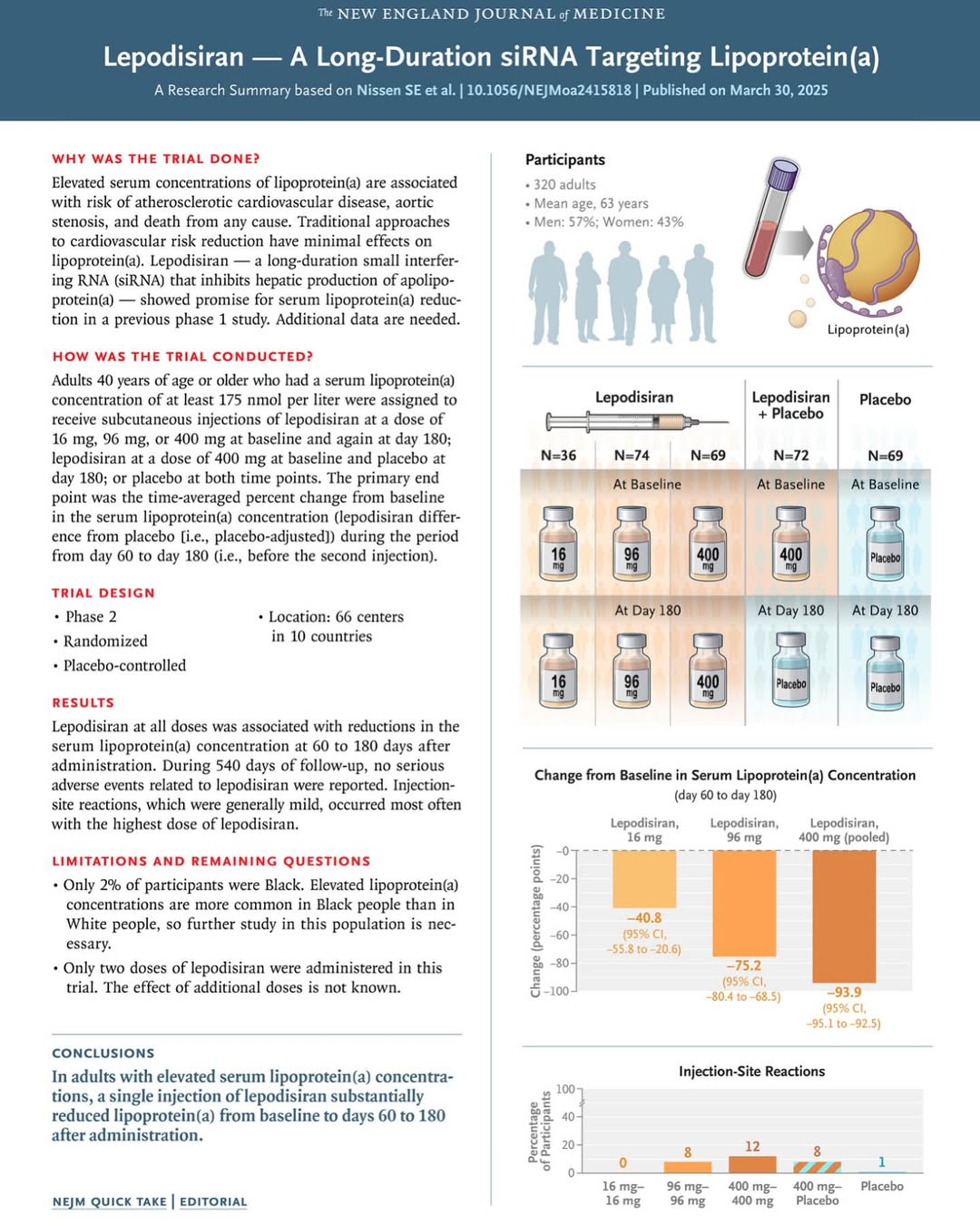
Lepodisiran siRNA cut Lp(a) by 93.9% at 400 mg in a 320-person NEJM trial

May 07, 2025 · Louis Nervegna ♥ 15 · 💬 1 Lp(a)

Luigi Fontana's summary of an NEJM trial of lepodisiran, an siRNA that blocks hepatic Lp(a) production. At the 400 mg dose Lp(a) fell by 93.9% placebo-adjusted, lasting up to a year, with only mild injection-site reactions. It offers a potential option for people with genetically high Lp(a) who cannot lower it with lifestyle or standard drugs.

PCSK9 inhibitors on top of statins regressed plaque in GLAGOV and PRECISE-IVUS

Dec 25, 2023 · Gokhan Can ♥ 7 · 💬 3

Summarizes IVUS trials of PCSK9 inhibition for plaque regression. In GLAGOV, adding evolocumab to statins significantly reduced percent atheroma volume versus statins alone, PRECISE-IVUS showed a similar direction, and ODYSSEY J-IVUS with alirocumab was a small, non-significant reduction over a short 36 weeks.

Keto-CTA plaque progression vs plaque regression on Repatha in Budoff's other study

Apr 09, 2025 · Louis Nervegna ♥ 8 · 💬 2 Plaque, CAC & CT angiography

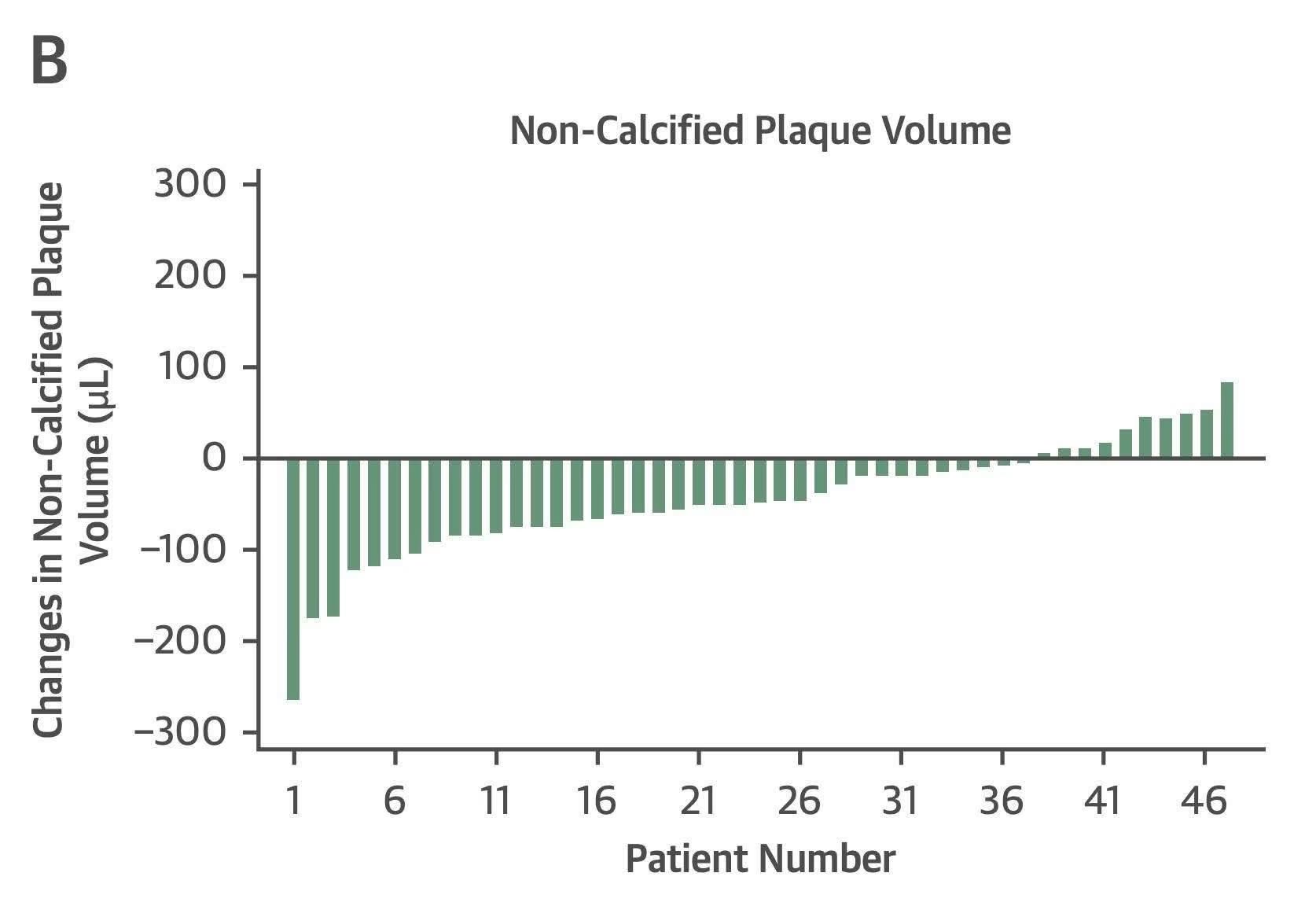
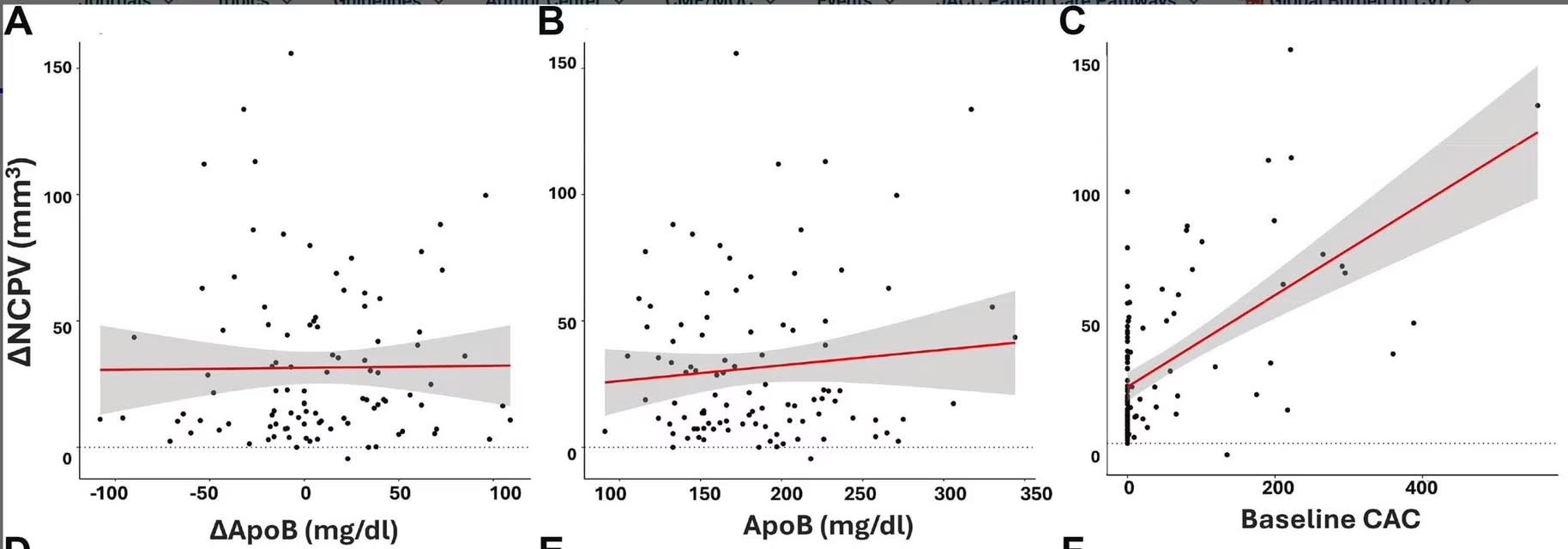
Louis compares non-calcified plaque volume (NCPV) changes in the Keto-CTA (LMHR) study with a second Matthew Budoff study in higher-risk people whose LDL was lowered to about 30 mg/dL with the PCSK9 inhibitor Repatha. The lean, healthy keto group with LDL 254 mg/dL progressed, while the hypertensive, higher-risk Repatha group mostly showed major regression. He also notes that uL and mm^3 are the same unit when comparing NCPV across studies.

Tsimikas: Lp(a) risk can be managed with LDL under 65 and tight risk-factor control

Nov 10, 2026 · Louis Nervegna ♥ 13 · 💬 1 ↩ 1 Lp(a)

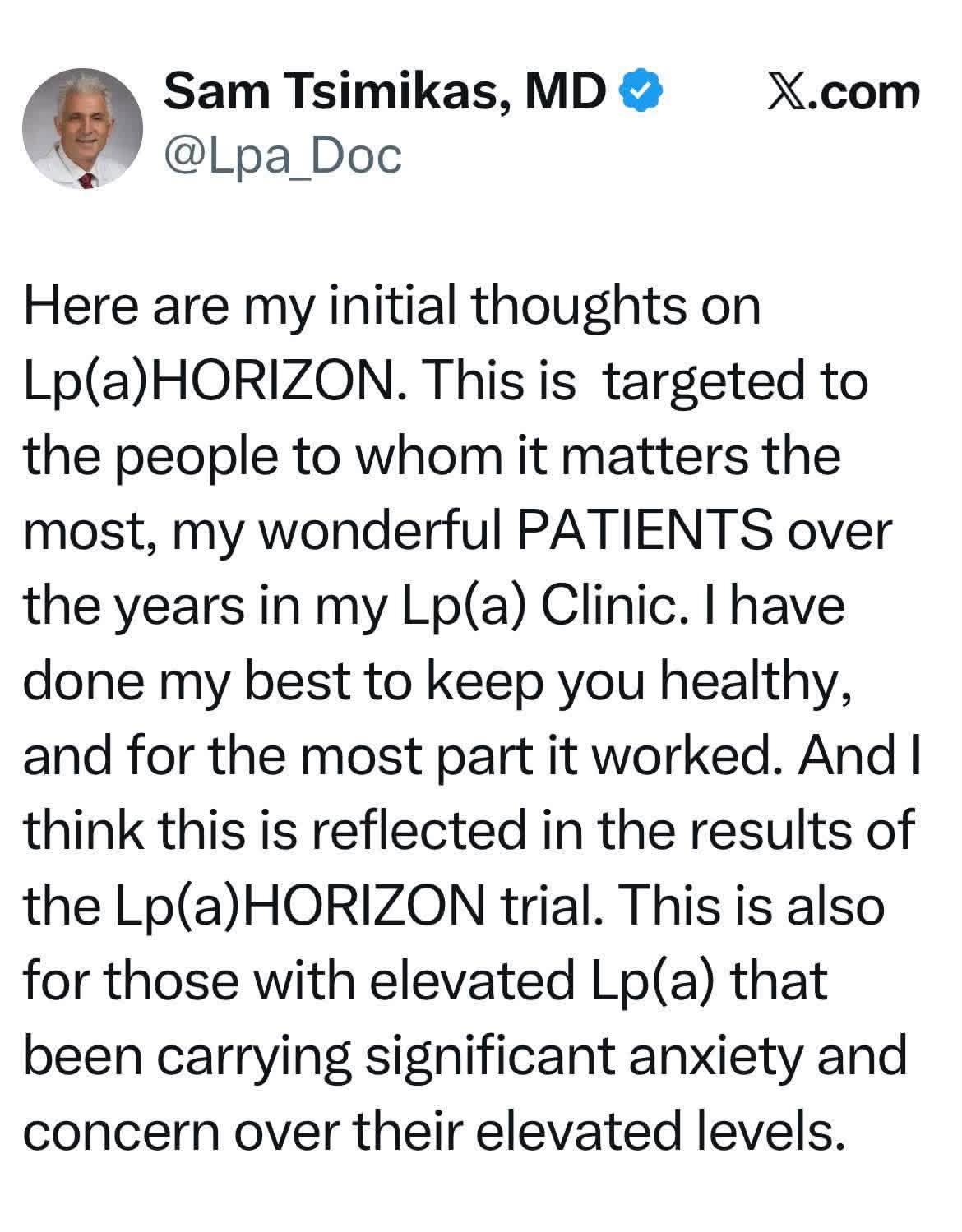
Louis quotes Sam Tsimikas, who calls Lp(a)HORIZON a success because it suggests Lp(a) risk can be reduced by keeping LDL-C at or below 65, blood pressure at 120 or lower, controlling other risk factors and taking proven medicines. In his Lp(a) clinic about 75% take a statin, 50% ezetimibe, 50% a PCSK9 inhibitor, plus aspirin.

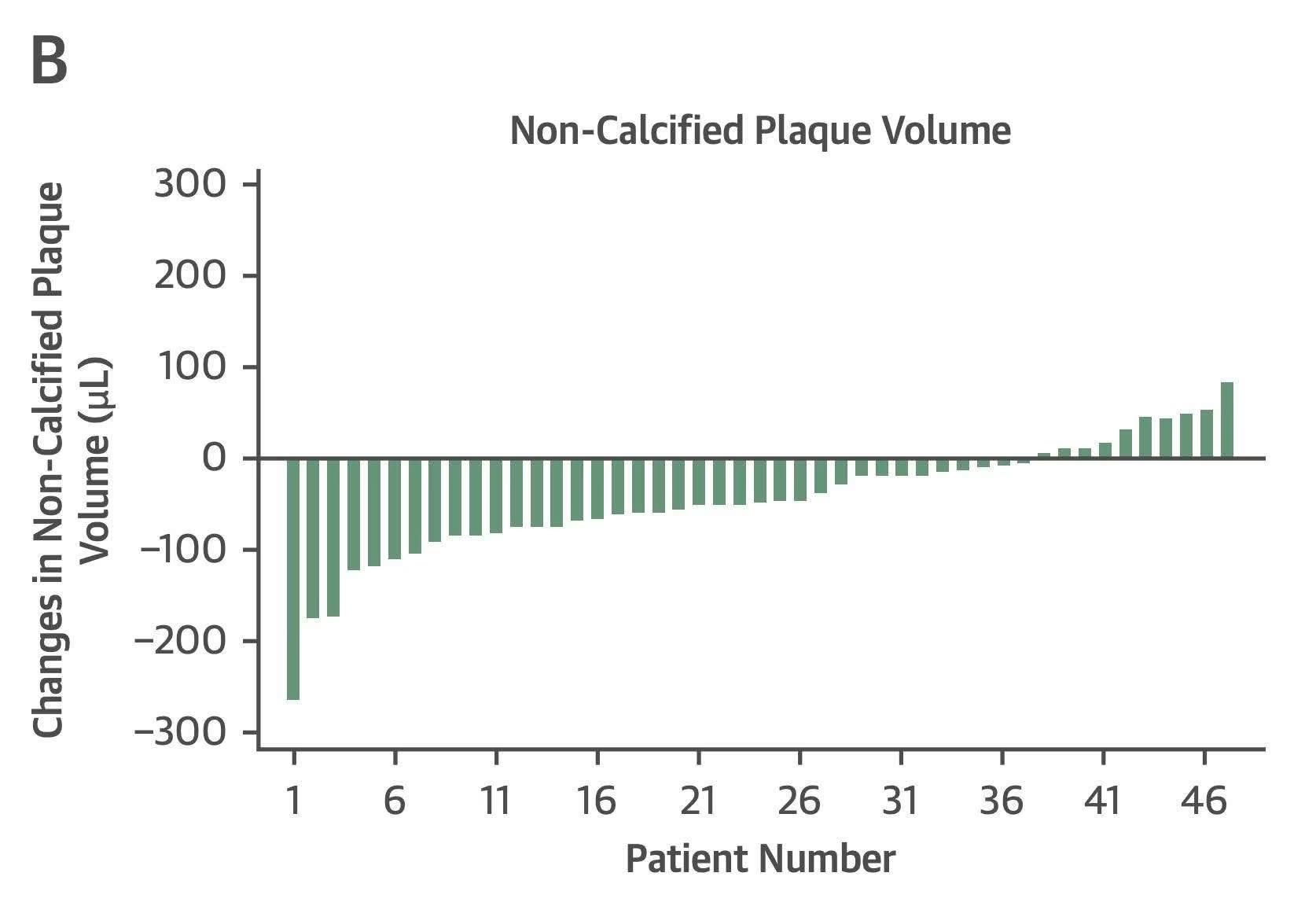
Repatha alone reversed soft plaque in 37 of 47 patients over 18 months at LDL near 30

Nov 13, 2026 · Louis Nervegna ♥ 9 · 💬 1

Louis explains a small uncontrolled study of the PCSK9 inhibitor evolocumab with CT angiography. Average LDL was about 30 mg/dL, 37 of 47 patients had some non-calcified plaque regression, and many had large reversals worth years of typical growth (about 5 mm3 per year). He cautions it was small with no randomization or control group, and that PCSK9 monotherapy is not yet proven to reduce heart attacks.

Fibrates lower triglycerides and may reduce CVD risk in metabolic syndrome

Mar 01, 2024 · Gokhan Can ♥ 5 · 💬 3 LDL, ApoB & lipid panel

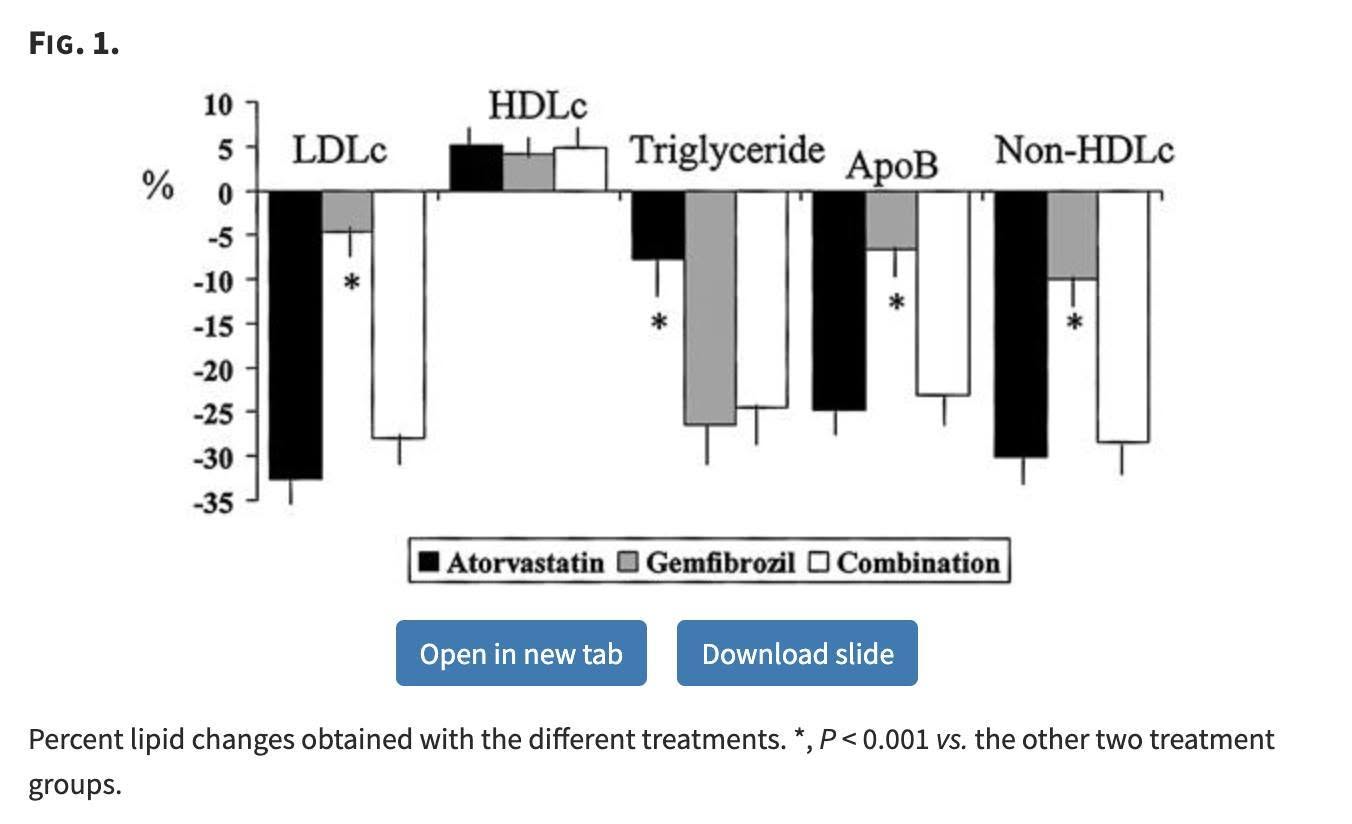
Brief overview of fibrates (fenofibrate, gemfibrozil), PPAR-alpha agonists that lower triglycerides, raise HDL and have anti-inflammatory effects. Meta-analyses and real-world data suggest a role for CVD risk reduction in people with metabolic syndrome, especially high triglycerides and low HDL. A 2020 review notes that several RCTs did not show clear benefit overall.

Statin use linked to 35% lower odds of liver cancer in UK database study

Sep 15, 2026 · Louis Nervegna ♥ 10 Statins

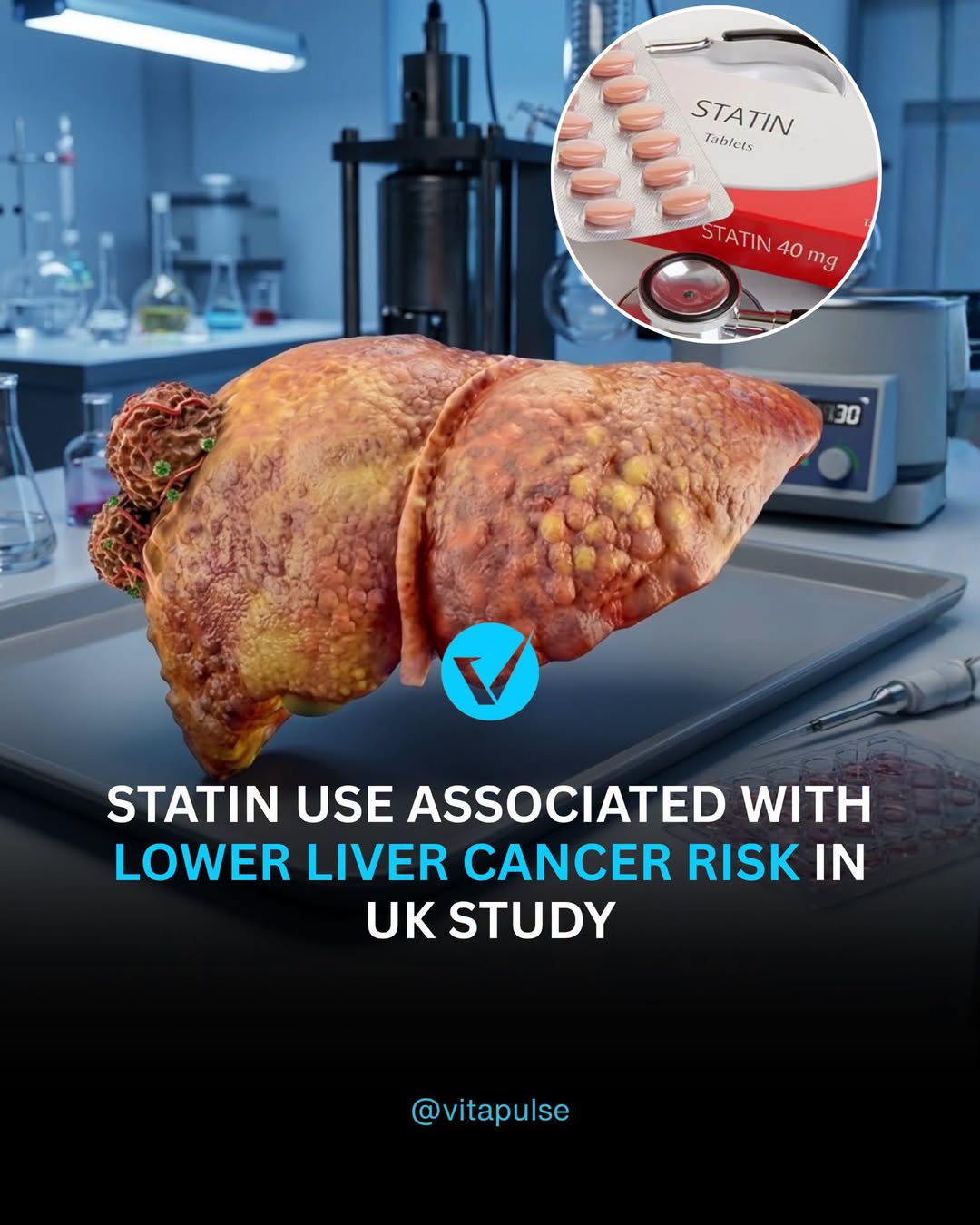
A UK Clinical Practice Research Datalink case-control study of 3,719 liver cancer cases and 14,876 controls found statin users had 35% lower odds of liver cancer, and cholesterol absorption inhibitors (ezetimibe class) 31% lower odds. This is an association, not proof, and non-statin findings need replication.

Pelacarsen (Lp(a)HORIZON) and ziltivekimab (ZEUS) cut their targets but not heart events

Nov 13, 2026 · Louis Nervegna ♥ 3 · 💬 1 Lp(a)

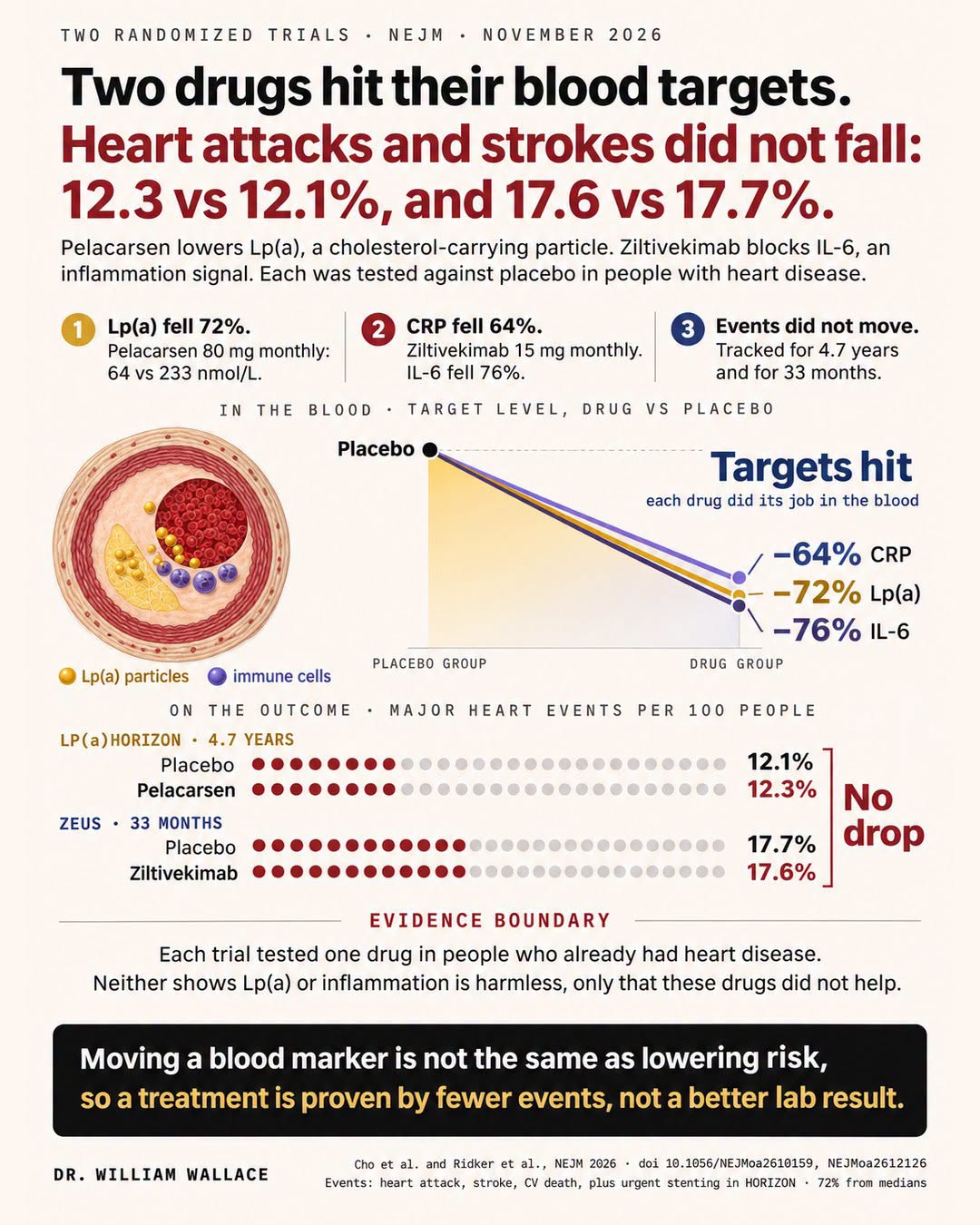
Shared summary of two NEJM trials. Pelacarsen lowered Lp(a) sharply but event rates were 12.3% vs 12.1% on placebo, and ziltivekimab cut CRP and IL-6 but events were 17.6% vs 17.7%. The post notes prior biomarker failures (torcetrapib, dalcetrapib), and that both trials enrolled people with existing disease and so do not prove Lp(a) or inflammation are not causal.

Cleveland Clinic: pelacarsen did not cut CV events in Lp(a)HORIZON (12.3% vs 12.1%)

Nov 07, 2026 · Louis Nervegna ♥ 3 · 💬 1 Lp(a)

Louis shares the Cleveland Clinic press release on Lp(a)HORIZON, a 797-site randomized trial in 8,322 patients with prior CVD and Lp(a) of at least 70 mg/dL. The primary endpoint occurred in 12.3% on pelacarsen versus 12.1% on placebo after a median 57 months. Senior author Steven Nissen said a single neutral trial does not prove lack of benefit from lowering Lp(a).