HD-OPM Archive
Topics › Lp(a)

Niacin lowered Lp(a) about 28% in a small trial but failed outcome trials with statins

Louis Nervegna · Jan 14, 2026 · ♥ 21 reactions · 17 comments · original Facebook post
Lp(a)PCSK9, ezetimibe & newer drugs
AI summary & key facts

The post highlights a small study in which extended-release niacin lowered elevated Lp(a) in men. Louis cautions that niacin failed to improve outcomes in two large trials when combined with high-dose statins and increased side effects, so it should not be combined with high-dose statins.

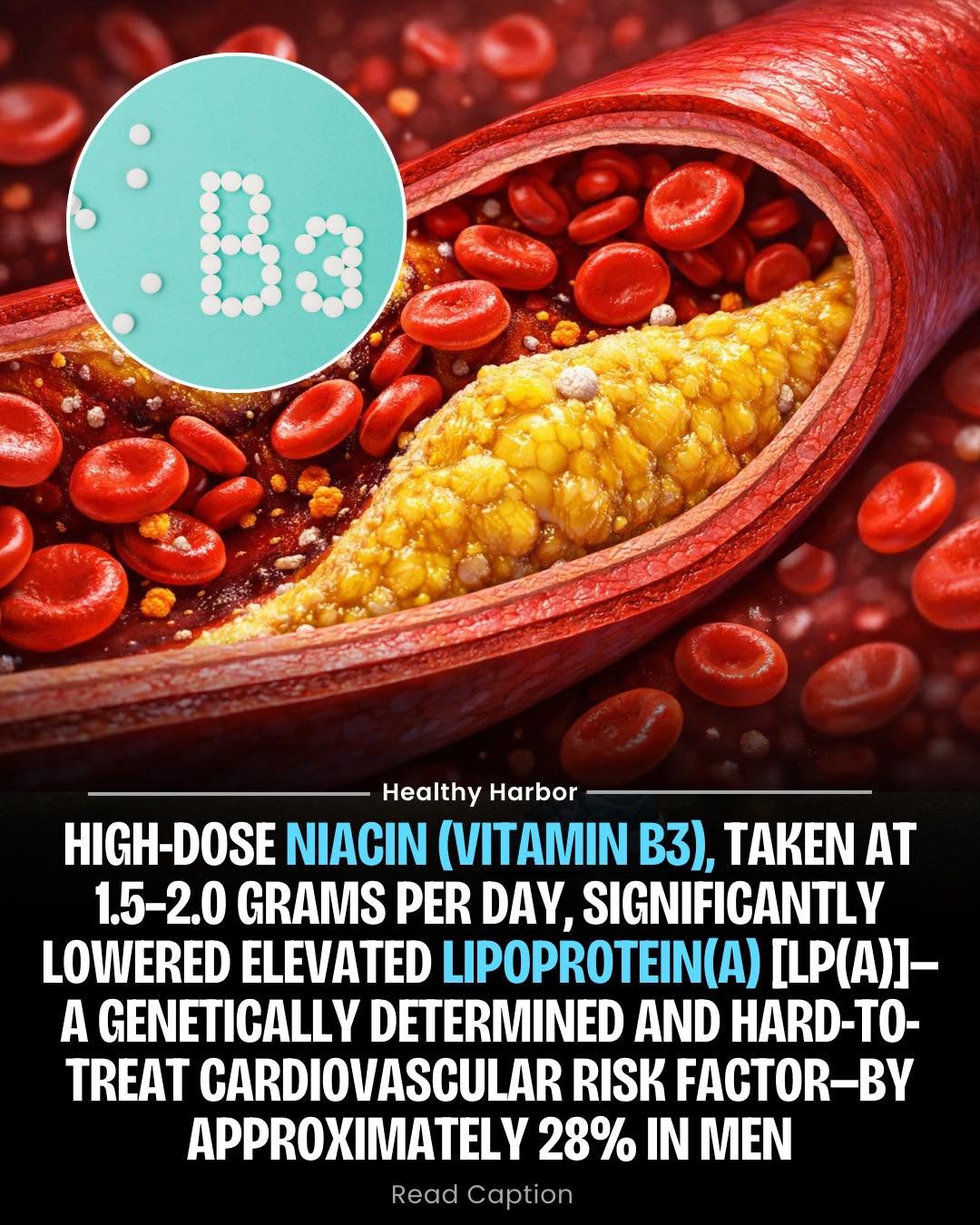
Niacin (nicotinic acid) decreased Lp(a) by about 28% in a small clinical trial.

Link to full study:

Paper · Atheroscler Suppl · 2015Lowering of lipoprotein(a) level under niacin treatment is dependent on apolipoprotein(a) phenotype.Conclusion: High-dose ER niacin declines elevated Lp(a) level in male subjects with low- but not high-molecular weight apo(a) phenotype.pubmed.ncbi.nlm.nih.gov

Note that niacin failed to improve outcomes in two large trials when combined with high-dose statins, but did increase side effects. It should not be combined with high-dose statins.
#niacinHD #lpaHD #vitaminb3HD

Research cited

A 2015 peer-reviewed analysis published in the Journal of Clinical Lipidology reported that high-dose niacin (vitamin B3), taken at 1.5–2.0 grams per day, reduced elevated Lipoprotein(a) [Lp(a)] levels by approximately 28% in men. The analysis reviewed controlled clinical studies in men with high Lp(a), a cardiovascular risk factor that is largely genetically determined and only minimally influenced by diet, exercise, or most standard cholesterol-lowering medications.

This finding is important because Lp(a) independently increases the risk of atherosclerosis, blood clots, and premature cardiovascular disease, yet very few interventions have shown a consistent ability to lower it. Niacin appears to reduce Lp(a) by decreasing hepatic production of apolipoprotein(a), a mechanism distinct from statins and other lipid therapies. Although niacin is no longer widely used due to side effects and lack of outcome benefits in broader populations, this research highlights its unique and measurable impact on Lp(a), particularly in men with genetically elevated cardiovascular risk.

PMID: 25936305

No photo description available.
← newer: Cell 2025 study maps when different organs begin to show sigolder: Aspirin acts as an immune modulator via platelets and T cell →