Exciting new research at Harvard has implicated a deficiency of the trace mineral lithium in the pathogenesis of Alzheimer’s disease.
This is the first time that anyone has shown that lithium exists naturally in the human body as a nutrient, at a level that is biologically meaningful, without giving it as a drug. (Although this has been long suspected.)
It looks like we are going to see clinical trials at Harvard Medical School in the near future, using low doses of the dietary supplement lithium orotate as a potential preventative and treatment for Alzheimer’s.
Quoted:
“The work, published Wednesday in Nature, shows for the first time that lithium occurs naturally in the brain, shields it from neurodegeneration, and maintains the normal function of all major brain cell types. The findings — 10 years in the making — are based on a series of experiments in mice and on analyses of human brain tissue and blood samples from individuals in various stages of cognitive health.
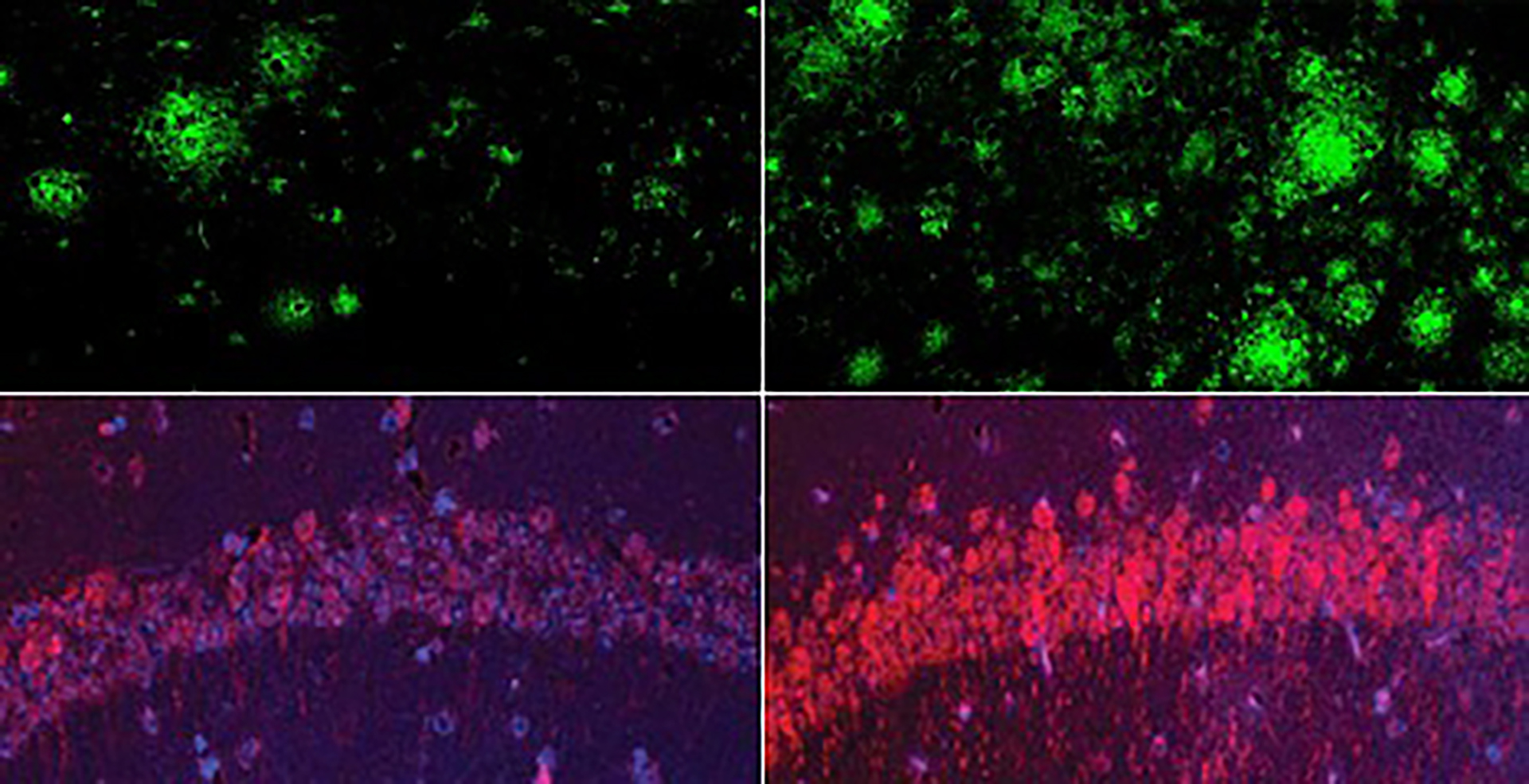
The scientists found that lithium loss in the human brain is one of the earliest changes leading to Alzheimer’s, while in mice, similar lithium depletion accelerated brain pathology and memory decline. The team further found that reduced lithium levels stemmed from binding to amyloid plaques and impaired uptake in the brain. In a final set of experiments, the team found that a novel lithium compound [lithium orotate] that avoids capture by amyloid plaques restored memory in mice.
The results unify decades-long observations in patients, providing a new theory of the disease and a new strategy for early diagnosis, prevention, and treatment.”
“Lithium screening through routine blood tests may one day offer a way to identify at-risk individuals who would benefit from treatment to prevent or delay Alzheimer’s onset.”
“The idea that lithium deficiency could be a cause of Alzheimer’s disease is new and suggests a different therapeutic approach,” said senior author Bruce Yankner, professor of genetics and neurology in the Blavatnik Institute at HMS, who in the 1990s was the first to demonstrate that amyloid-beta is toxic.
The study raises hopes that researchers could one day use lithium to treat the disease in its entirety rather than focusing on a single facet such as amyloid-beta or tau, he said.”
“The authors identified a class of lithium compounds that can evade capture by amyloid-beta. Treating mice with the most potent amyloid-evading compound, called lithium orotate, reversed Alzheimer’s disease pathology, prevented brain-cell damage, and restored memory.
Although the findings need to be confirmed in humans through clinical trials, they suggest that measuring lithium levels could help screen for early Alzheimer’s. Moreover, the findings point to the importance of testing amyloid-evading lithium compounds for treatment or prevention.”
“Other lithium compounds are already used to treat bipolar disorder and major depressive disorder, but they are given at much higher concentrations that can be toxic, especially to older people. Yankner’s team found that lithium orotate is effective at one-thousandth that dose — enough to mimic the natural level of lithium in the brain. Mice treated for nearly their entire adult lives showed no evidence of toxicity.”
“Lithium turns out to be like other nutrients we get from the environment, such as iron and vitamin C,” Yankner said. “It’s the first time anyone’s shown that lithium exists at a natural level that’s biologically meaningful without giving it as a drug.”
“The mouse experiments further revealed that lithium altered the activity of genes known to raise or lower the risk of Alzheimer’s, including the best-known, APOE.”
“What impresses me the most about lithium is the widespread effect it has on the various manifestations of Alzheimer’s. I really have not seen anything quite like it all my years of working on this disease,” said Yankner.
“One of the most galvanizing findings for us was that there were profound effects at this exquisitely low dose,” Yankner said.
“My hope is that lithium will do something more fundamental than anti-amyloid or anti-tau therapies, not just lessening but reversing cognitive decline and improving patients’ lives,” he said.