HD-OPM Archive
Hashtags

#apoe4

36 posts

Why the LMHR phenotype happens: starvation-like physiology in lean keto dieters

Jan 25, 2024 · Louis Nervegna ♥ 10 · 💬 11 ↩ 9 Low-carb, keto & carnivore

Louis proposes that the lean mass hyper-responder (LMHR) pattern, with extremely high LDL-C on keto/carnivore diets, reflects an ancient starvation response described in calorie-restriction literature. With near-zero body fat and no carbohydrate, the body acts as if starving, raising circulating LDL to deliver fat as fuel, lowering leptin, LDL receptors and thyroid and sex hormones. He links a trial showing fasting raised LDL and ApoB in healthy non-obese people, and cautions that overdoing restriction is the danger. This is a hypothesis, not proof of harm or safety.

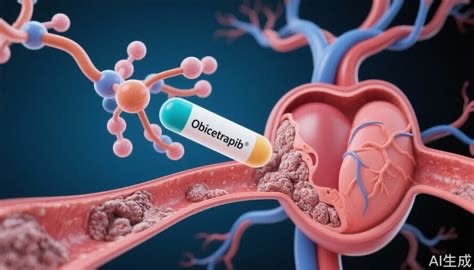
Obicetrapib gets first approval worldwide in the EU, lowering LDL up to 40-50%

Sep 21, 2026 · Louis Nervegna ♥ 18 · 💬 5 PCSK9, ezetimibe & newer drugs

The European Commission approved obicetrapib, a low-dose oral CETP inhibitor, on 21 September 2026 in two versions: obicetrapib 10 mg alone and combined with ezetimibe 10 mg. Phase 3 trials reported LDL-C reductions of about 40% alone and about 50% with ezetimibe versus placebo. The poster says the drug has shown promise for both cardiovascular disease and Alzheimer's.

Why LMHR happens: starvation-like physiology in very lean people on keto raises LDL

Jul 23, 2024 · Louis Nervegna ♥ 14 · 💬 4 LDL, ApoB & lipid panel

Reposting his earlier explanation, Louis argues that the lean mass hyper-responder phenotype reflects an old starvation response: with near-zero body fat, no carbohydrate and constant ketosis, the body raises circulating LDL to deliver fat as fuel, while lowering thyroid function and sex hormones. He links to a paper showing fasting increases total cholesterol, LDL-C and apoB in healthy nonobese humans.

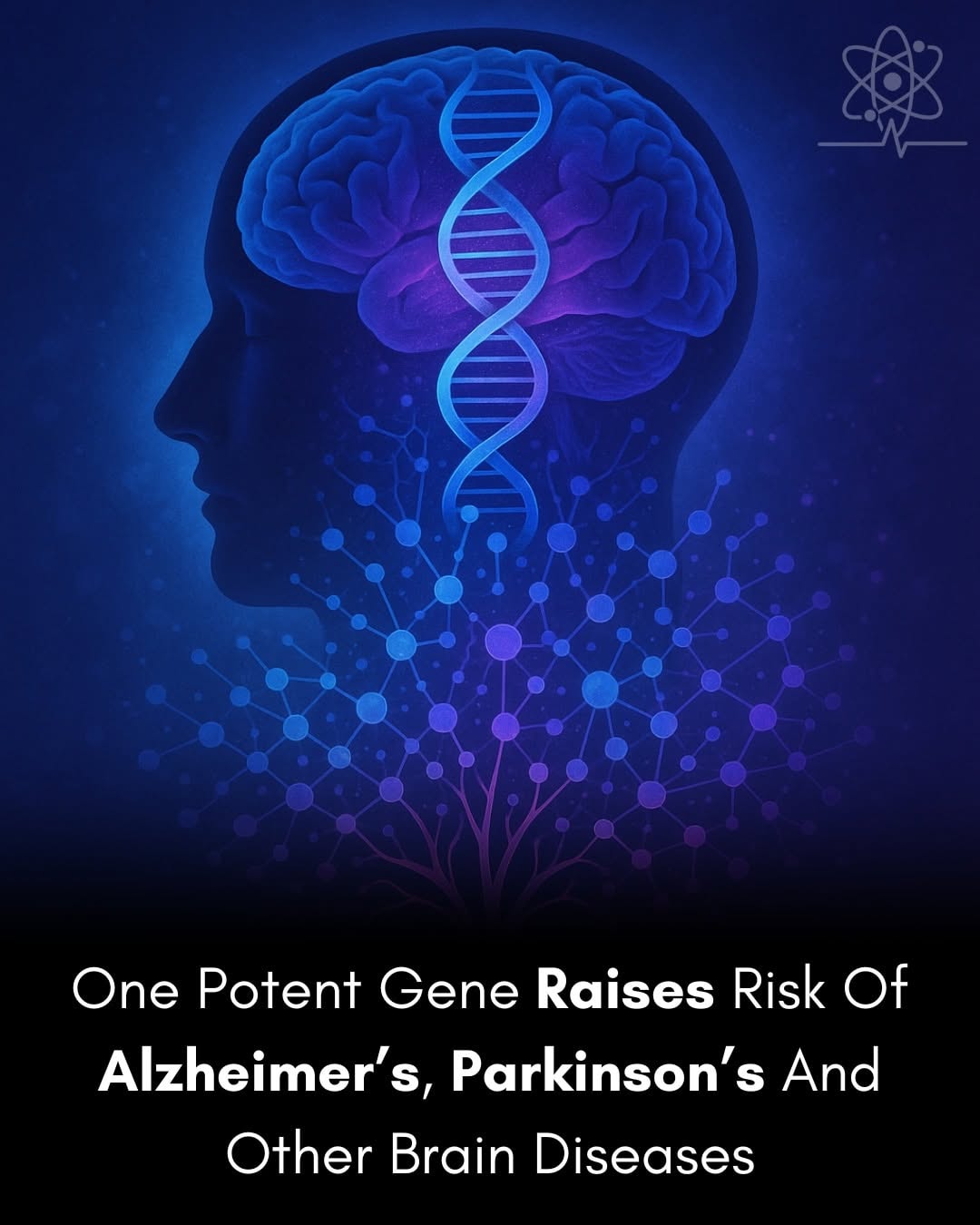
APOE4 drives cholesterol buildup in brain astrocytes, promoting toxic protein deposits

Oct 06, 2026 · Louis Nervegna ♥ 17 · 💬 4 Brain health & dementia

Mount Sinai researchers using human stem-cell-derived miBrain tissue found APOE4 causes cholesterol to accumulate in astrocytes, impairing lysosomal clearance of alpha-synuclein and promoting amyloid and alpha-synuclein deposits. A second study showed APOE4 damages brain blood vessels through mechanisms unrelated to cholesterol. The poster reads this as cholesterol being potentially causal in APOE4 carriers.

Most omnivores already eat enough fish or poultry for the APOE4 benefit in a Swedish study

Mar 24, 2026 · Louis Nervegna ♥ 12 · 💬 5 Brain health & dementia

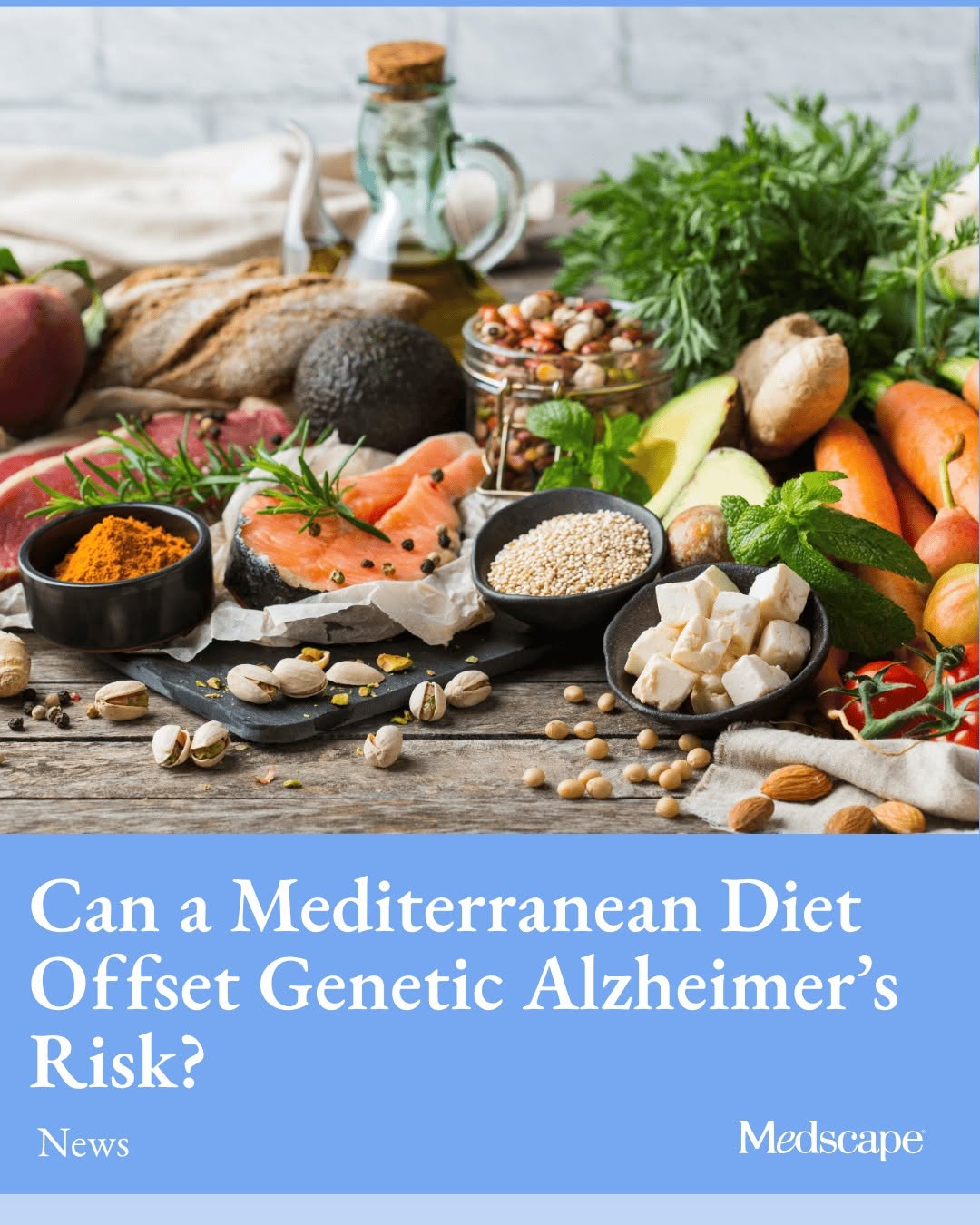
Louis comments that participants with an APOE4 gene variant saw the maximum benefit at about 2.5 oz per day of unprocessed meat or fish, which people eating Mediterranean or MIND-style diets typically already reach. He notes the study is observational, benefit was seen only in APOE 3/4 and 4/4, and processed meat raised dementia risk in everyone.
Centenarians' longevity is tied to genes that lower insulin/IGF-1 signaling (Barzilai)

May 13, 2025 · Louis Nervegna ♥ 8 · 💬 4 Aging & longevity

Louis shares a Nir Barzilai clip arguing that centenarians owe their long lives largely to genetic variants lowering insulin/IGF-1 and mTOR signaling, strong enough to offset habits like smoking and obesity. Barzilai says women with the lowest IGF-1 in old age live twice as long as those with the highest. Louis adds that diet and lifestyle can help keep insulin/IGF-1 and mTOR lower.

High-dose DHA did not slow cognitive decline in 2-year APOE4 trial, but reached the brain

Jun 27, 2026 · Louis Nervegna ♥ 7 Brain health & dementia

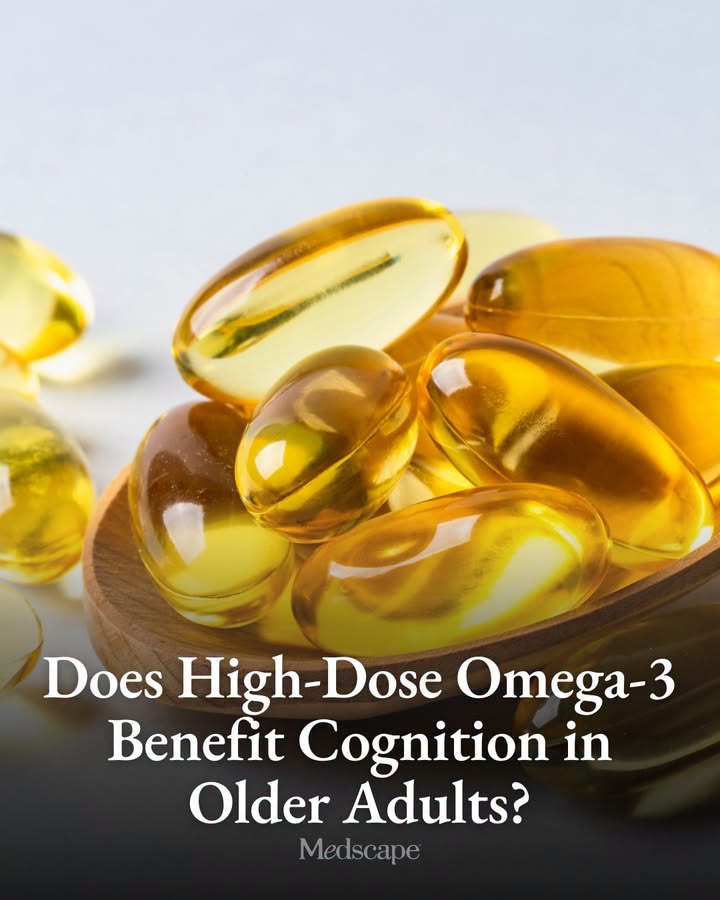
Louis comments on a Medscape report of a trial of high-dose omega-3 in older adults at high dementia risk. It found no improvement in memory, cognition or hippocampal volume, although DHA reached the cerebrospinal fluid equally in APOE4 carriers and non-carriers. He notes the trial was short at two years, and APOE4 carriers with the highest DHA to arachidonic acid ratio declined less.

FoundMyFitness video on vitamin D, dementia and APOE4

Oct 05, 2026 · Louis Nervegna ♥ 3 Supplements & vitamins

A shared FoundMyFitness video on vitamin D and dementia risk, tagged with APOE4. The video title claims a supplement could cut dementia risk by 40%, and its description says up to 70% of Americans do not get enough vitamin D. The post itself adds no commentary.

ASPREE sub-analysis: aspirin tied to ~70% lower dementia in a platelet-genetics subgroup

Oct 05, 2026 · Louis Nervegna ♥ 1 Aspirin, antiplatelets & blood thinners

A genetic analysis of 13,541 ASPREE participants found aspirin did not prevent dementia overall, but in the top 20% of a platelet-count genetic score dementia occurred in about 1% on aspirin versus 3.3% on placebo. Major bleeding was more than twice as common in this subgroup, so the post cautions against starting aspirin for dementia prevention.