We have to balance the risks verses the benefits of using CT scans to track arterial plaque.
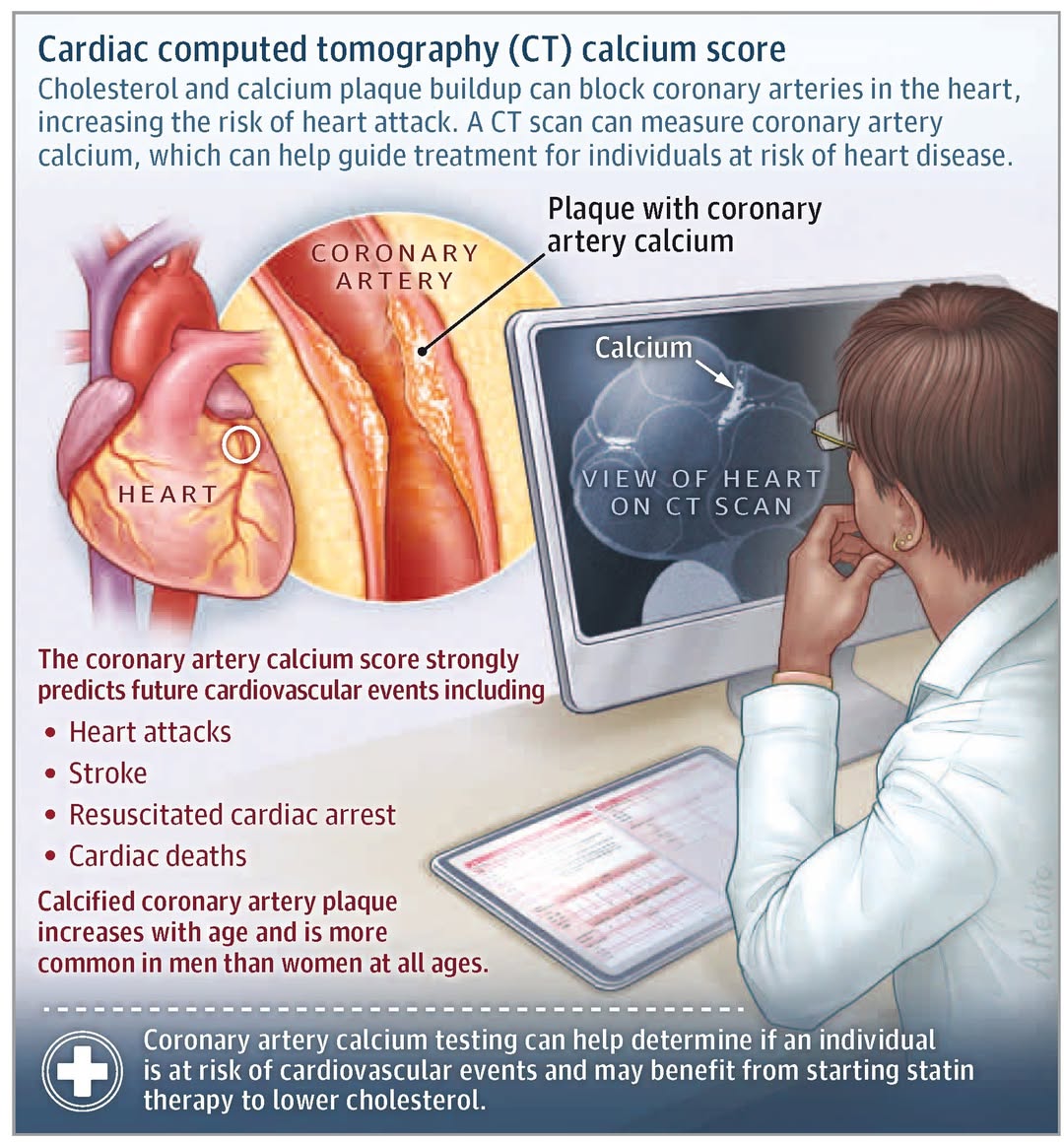
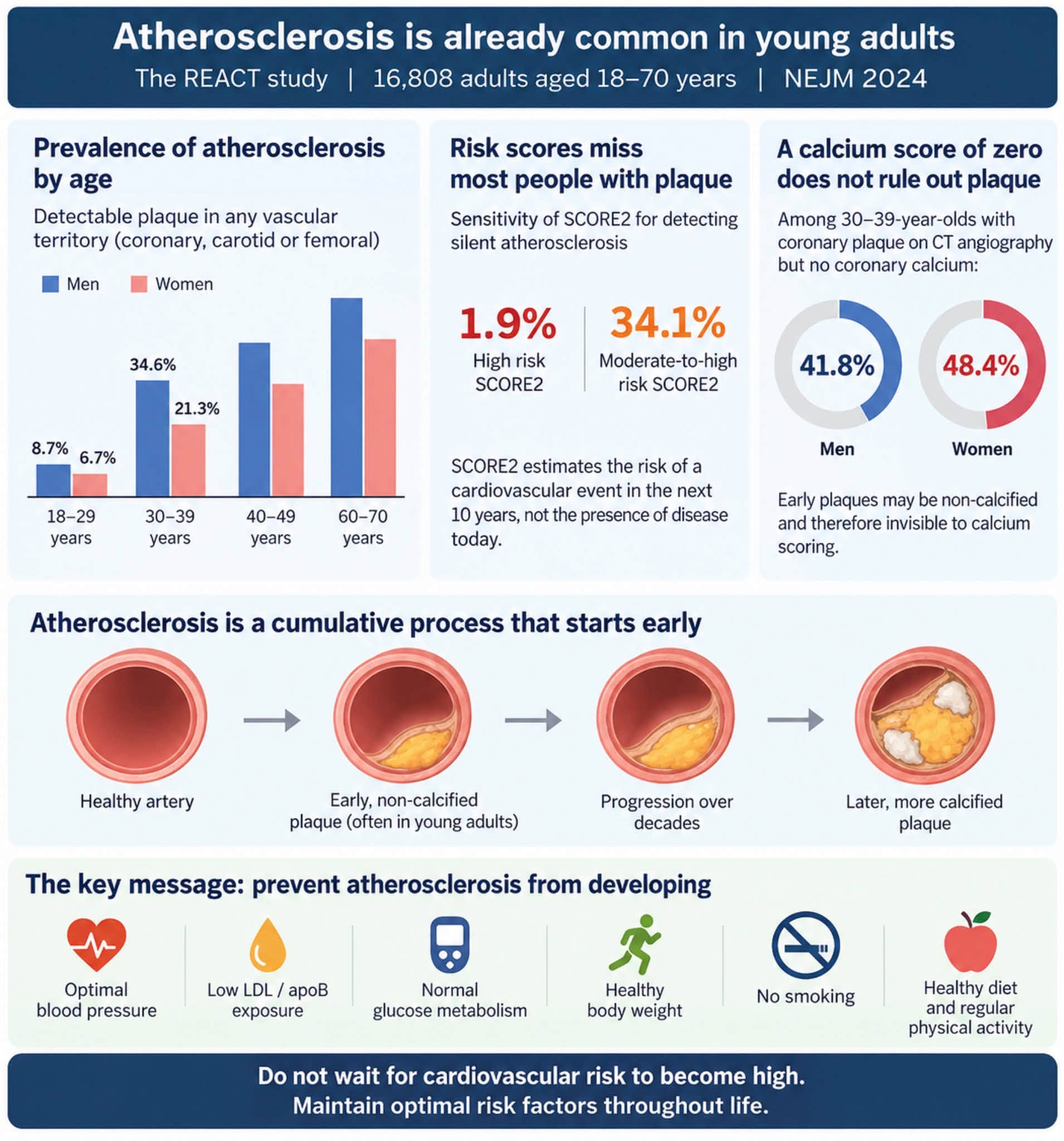
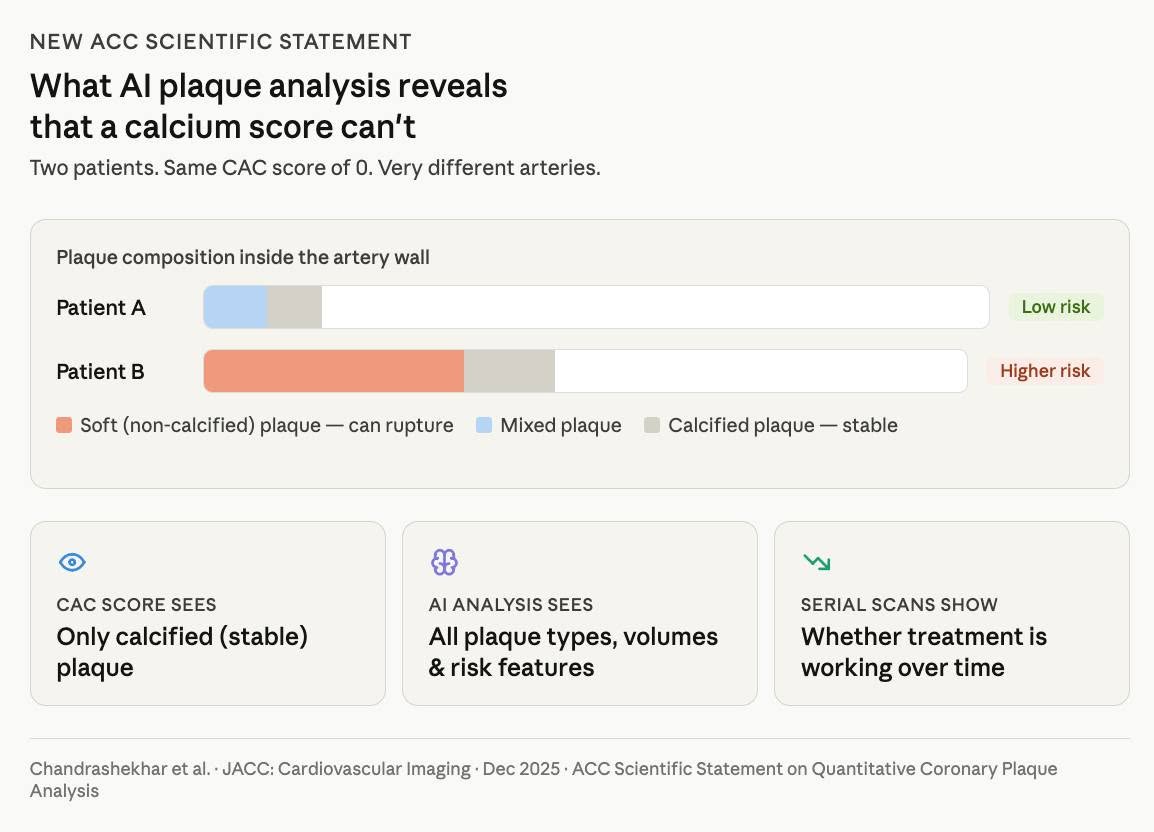
Note that CAC scans are much lower in radiation than full CT-angiogram scans, but also considerably less accurate in predicting risk.
Also note that this study was observational. These observational studies suffer from confounding and reverse causality.
For example, people who get a lot of CT scans tend to have worse health in general. That’s why they need the scans in the first place. This worse health increases their risk for cancer, independent of the CT scans themselves.
Quoted:
How many future cancers could result from radiation exposure from annual CT exams?
A study published in JAMA Internal Medicine estimated future cancer risk using the National Cancer Institute’s Radiation Risk Assessment Tool. Projected Lifetime Cancer Risks From Current Computed Tomography Imaging (JAMA Intern Med, 2025)