Association between dietary fat intake and mortality from all-causes, cardiovascular disease, and cancer: A systematic review and metaanalysis of prospective cohort studies
This 2020 meta-analysis in Clinical Nutrition concludes that the type of dietary fat is more important than the total amount when it comes to mortality risk. Diets high in polyunsaturated and monounsaturated fats are linked to a lower risk of death, while diets high in saturated and trans fats are linked to a higher risk.
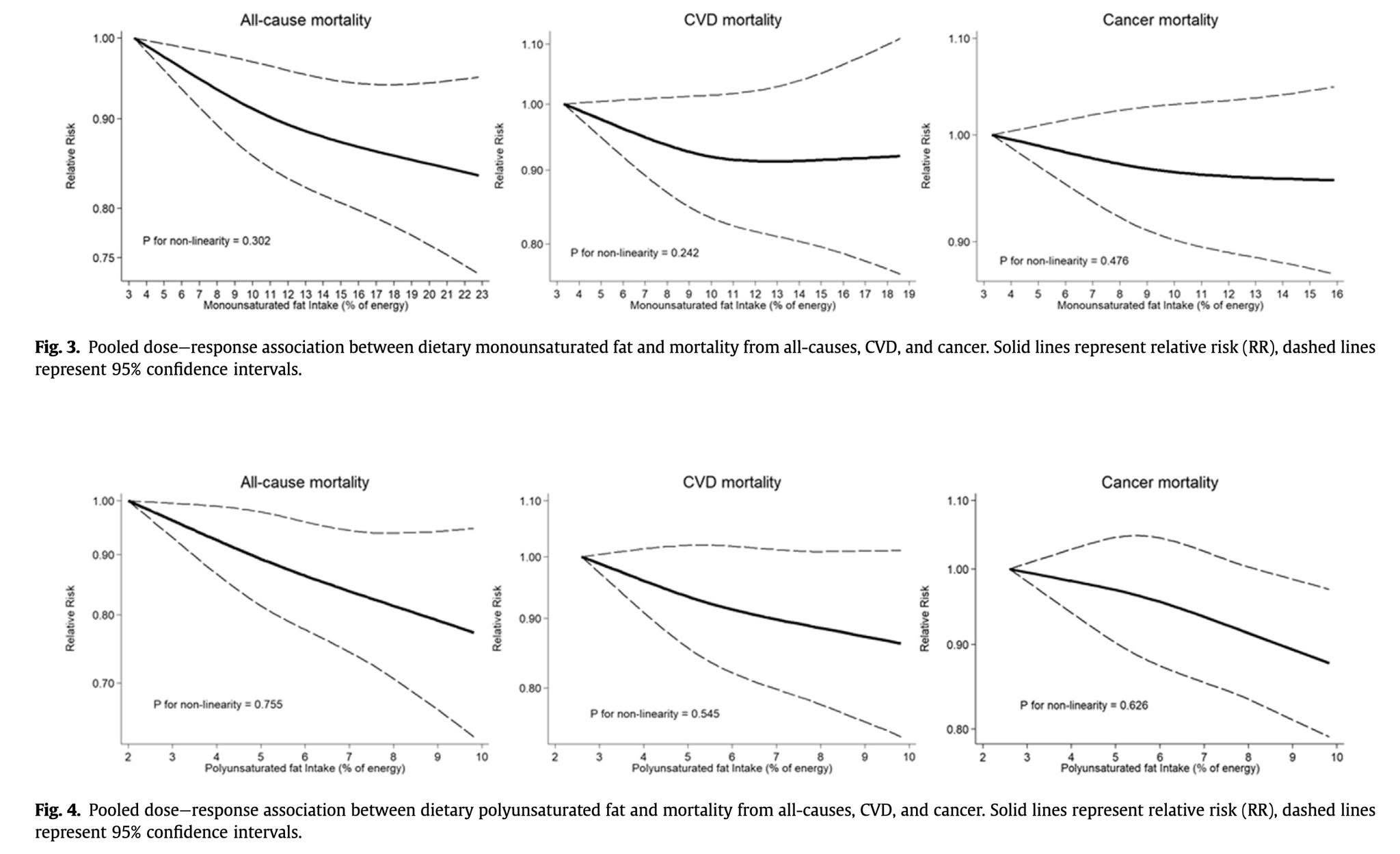
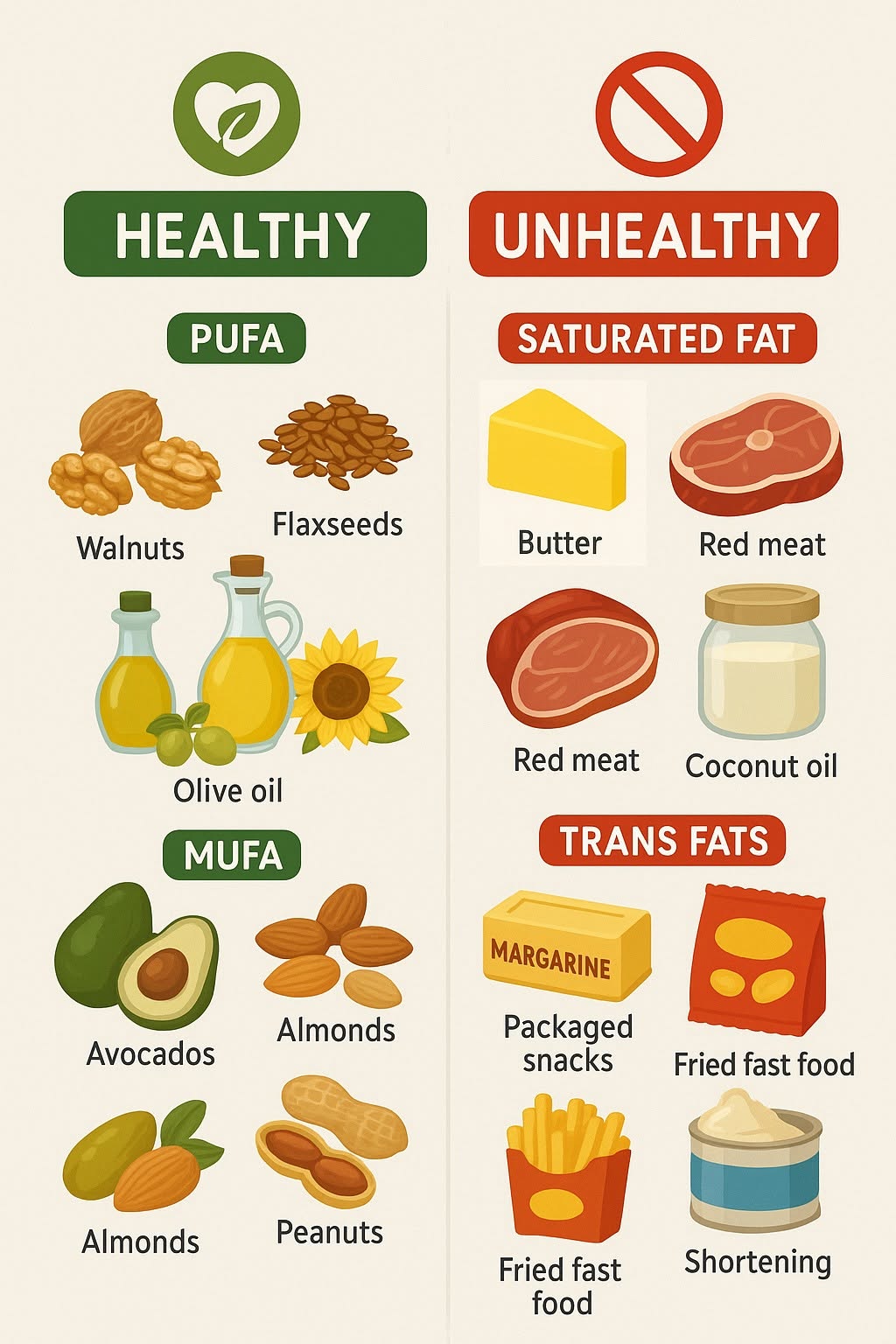
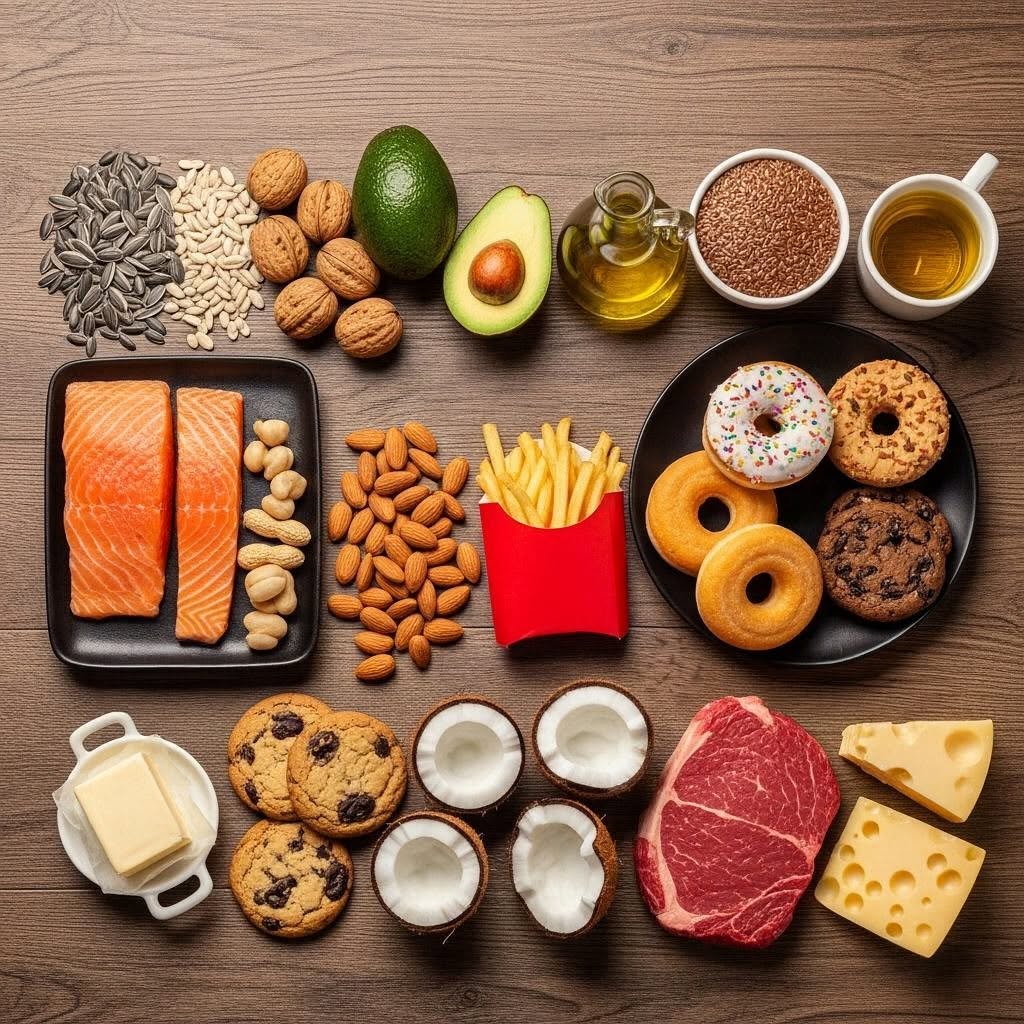
The study systematically reviewed and analyzed data from 19 prospective cohort studies, which included a total of 1,013,273 participants and 195,515 deaths.
Key Findings on Fat Types and Mortality
Fats Associated with Lower Mortality Risk 📉
- Polyunsaturated Fat: Showed the strongest protective effect. A 5% increase in energy from polyunsaturated fat was associated with a:
- 7% lower risk of all-cause mortality.
- 5% lower risk of cardiovascular disease (CVD) mortality.
- 4% lower risk of cancer mortality.
- Monounsaturated Fat: A 5% increase in energy from this fat was linked to a 2% lower risk of all-cause mortality.
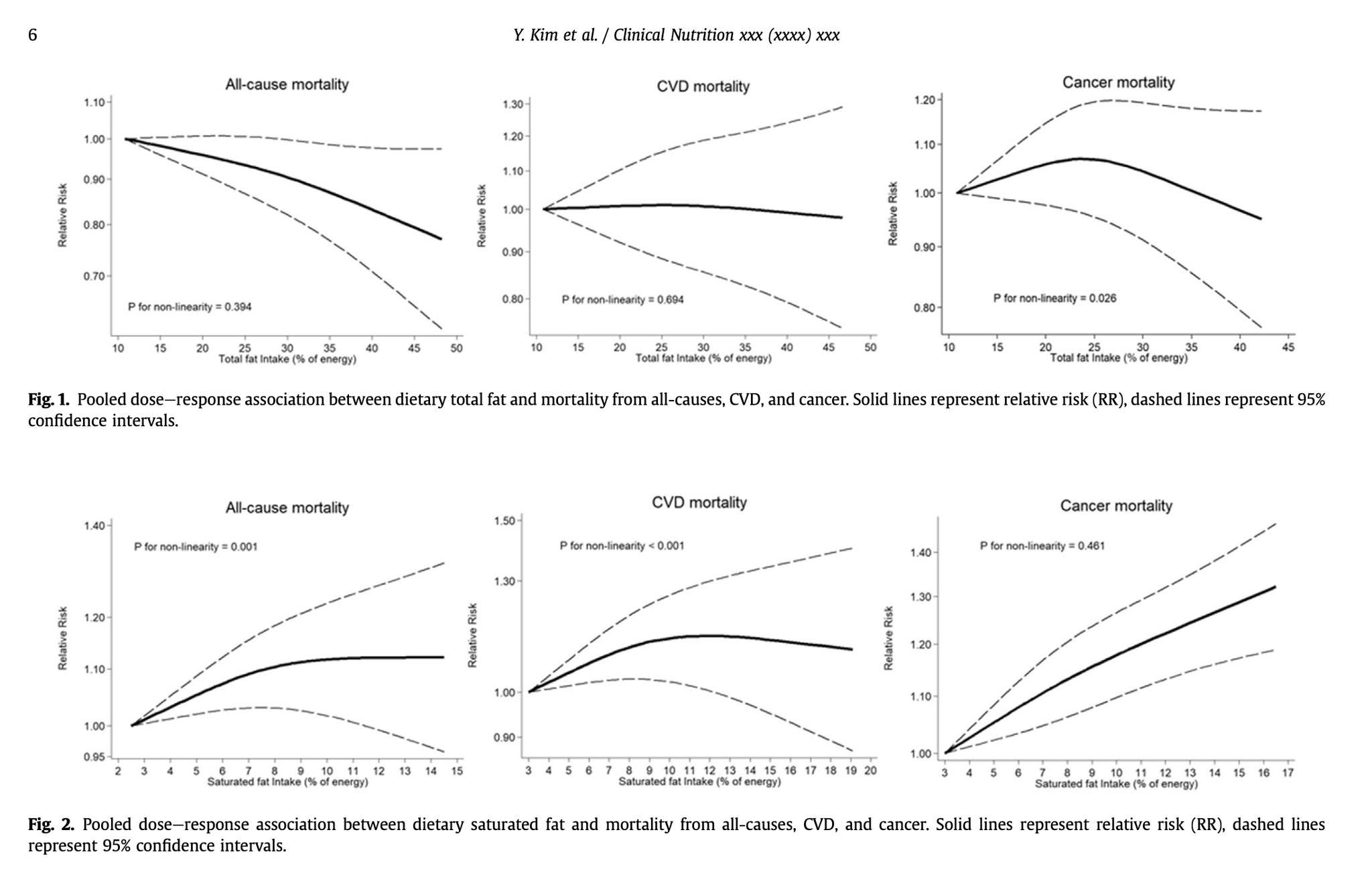
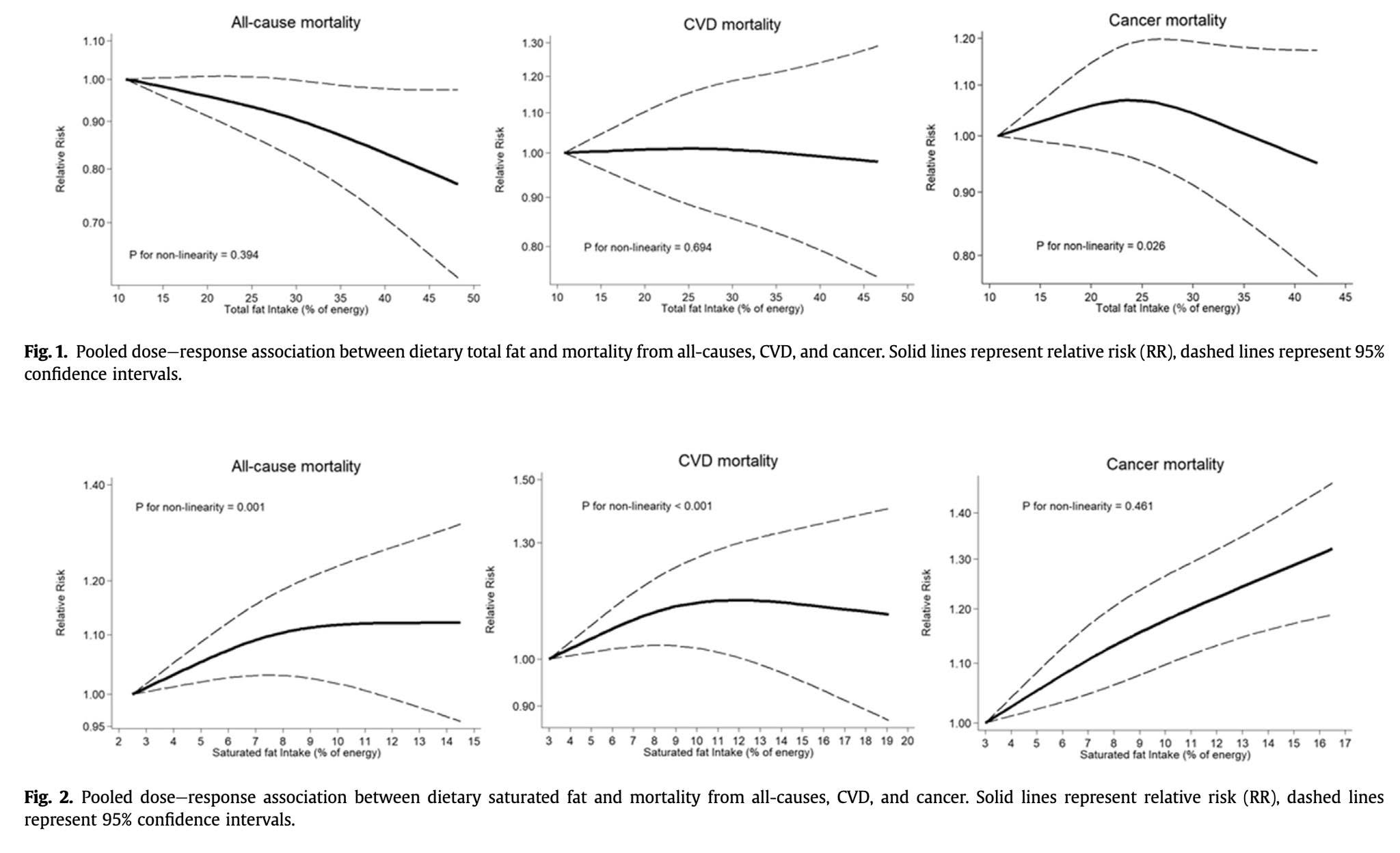
- Total Fat: A 5% increase in energy from total fat was associated with a 1% lower risk of all-cause mortality.
Fats Associated with Higher Mortality Risk 📈
- Trans Fat: Showed a significant increase in risk. Just a 1% increase in energy from trans fat was associated with a:
- 6% higher risk of all-cause mortality.
- 6% higher risk of CVD mortality.
- Saturated Fat: A 5% increase in energy from saturated fat was linked to a:
- 4% higher risk of cancer mortality.
- 3% higher risk of CVD mortality.
- The study found a non-linear relationship for all-cause and CVD mortality, where the risk increased significantly up to an intake of 11% of daily energy and then plateaued.
Conclusion
The authors state that their findings support current dietary guidelines that recommend reducing saturated and trans fat intake while emphasizing the consumption of monounsaturated and polyunsaturated fats. The composition of dietary fat appears to be a more critical determinant of health outcomes than the total quantity of fat consumed.
My thoughts: Your personal situation might necessitate a particular diet, and one size doesn't fit all. Data can provide guidance but shouldn't be taken as a prescription, imo.
drive.google.comGoogle Drive filedrive.google.com