(no text — see the shared post below)
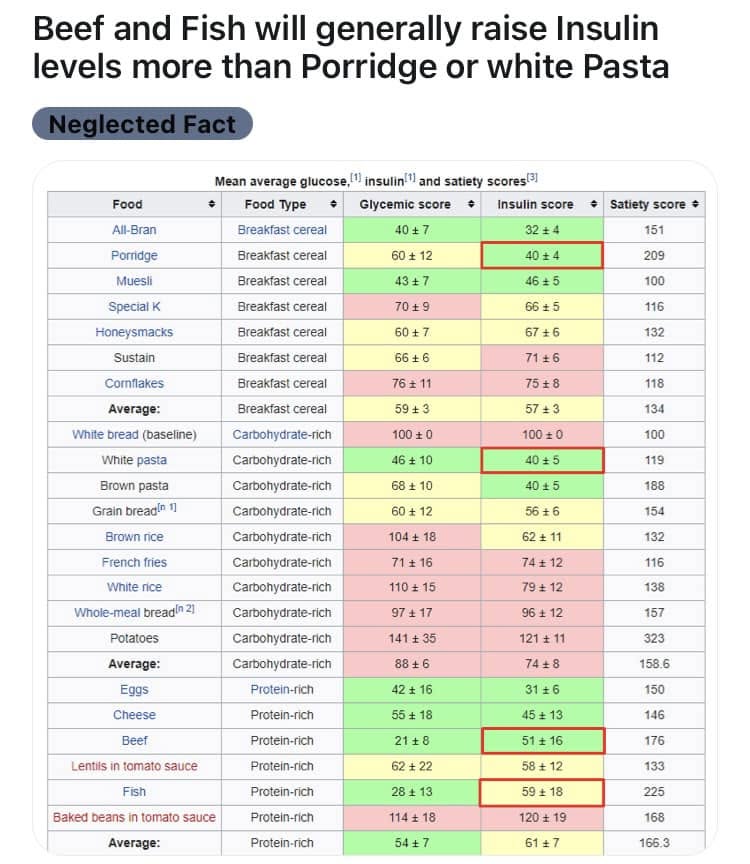
Protein per se is not more satiating than fat or carbohydrate.
This has been rigorously studied in RCT’s and prospective cohort studies— and proven untrue.
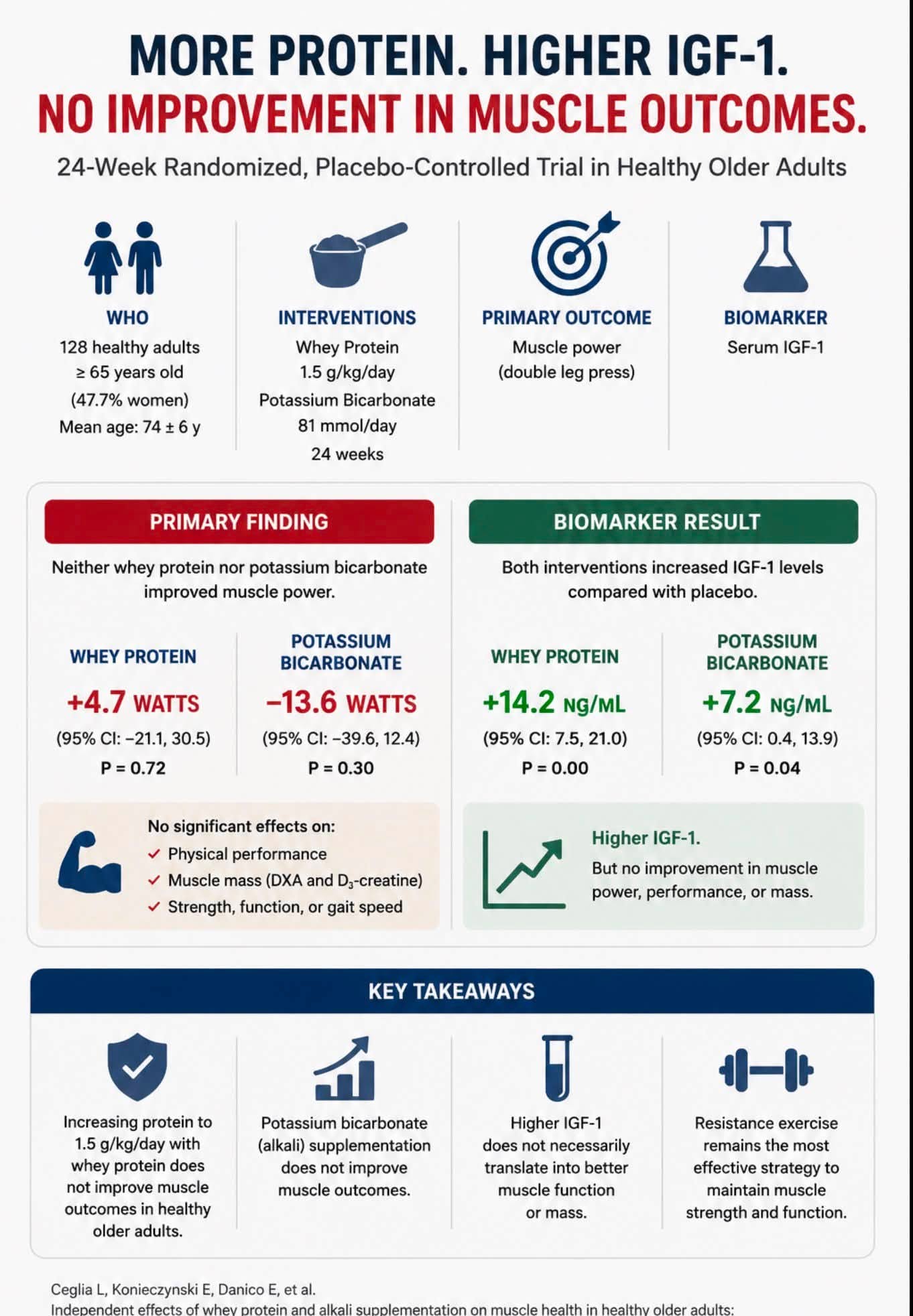
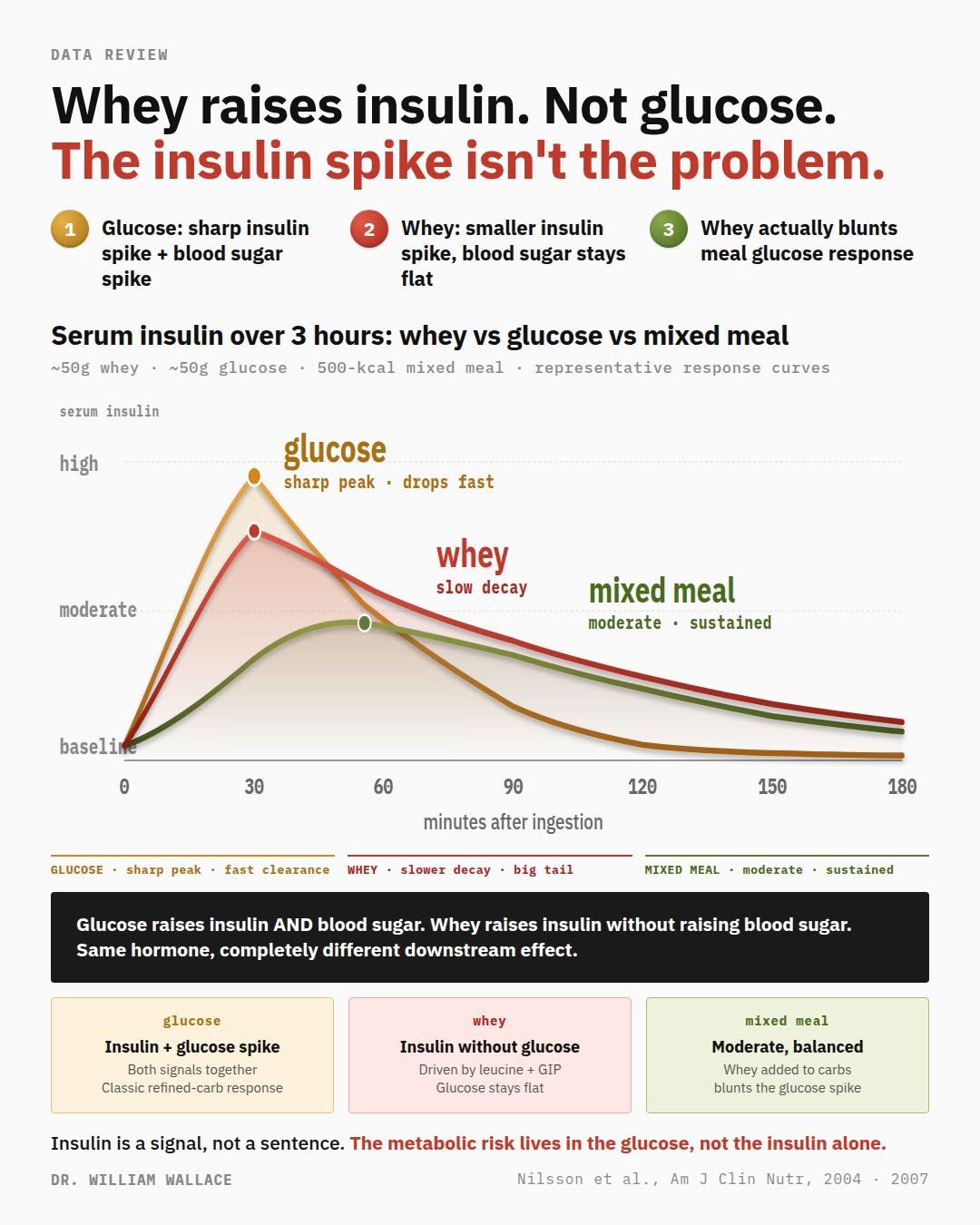
In particular, whey protein is proven to have no effect on satiety whatsoever, as compared to a zero-calorie placebo.
The reason that meat is more satiating than other foods is because of how the protein is bound in muscle fiber, and because of the fat. It takes a long time for the human digestive track to break down muscle fiber, which makes you fill full for longer.
The same is true when protein is bound up in the fibrous material of plants, as in legumes, nuts, and seeds. It takes longer to digest and keeps you full for longer. The fat in protein-rich plant foods also contributes to satiety.
When protein per se is isolated in a powder and mixed with water, it has no substantial effect on satiety.
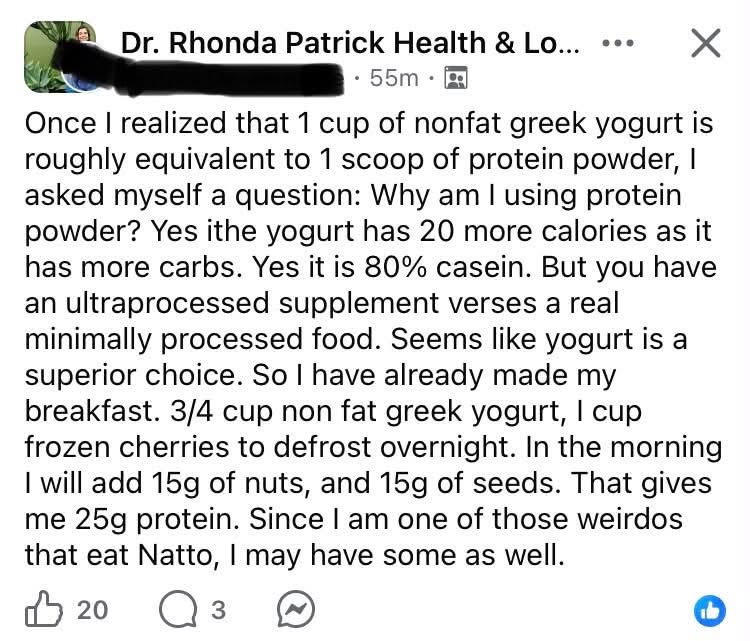
This is yet another reason to get your protein from whole food, as oppsed to processed powders and bars.
facebook.com/share/18Ee95mhQZ
#proteinHD #wheyHD #satietyHD