It’s important that we keep the information about alcohol and CVD in the group strictly evidence-based.
We should not allow ideological opinions of influencers or individual clinicians (who are not researchers studying alcohol) to dominate.
It is the hard science that really matters.
This is a question that has been studied extensively for decades by some of the best epidemiologists and scientists in the world. There have been hundreds of prospective studies.
The American Heart Association recently released a scientific consensus statement on this topic, summarizing all of this past research:
↪ AHA statement: low alcohol shows no risk to possible benefit, heavy drinking harms
I am directly quoting the summary section of this recent AHA scientific statement:
“The available evidence suggests no risk to possible risk reduction when alcohol is consumed in low amounts (such as no more than 1 to 2 drinks a day) in regard to coronary artery disease, stroke, sudden death, and possibly heart failure."
It is crucial to emphasize that alcohol consumption is unequivocally DANGEROUS to the heart at high levels. Any possible benefit occurs only at low levels.
The same AHA report also says:
"In stark contrast, heavier alcohol consumption such as binge drinking or consuming on average ≥3 drinks/d is consistently associated with worse outcomes in every cardiovascular disease entity studied."
We have a large randomized trial happening right now in Europe that is directly testing red wine as an intervention to prevent CVD. We should have a definitive answer to the question of whether mild consumption of red wine prevents heart disease in just a few years:
↪ New 5-year RCT from the PREDIMED lead investigator will test red wine versus CVD
Four large randomized trials of the Mediterranean diet have shown that an overall dietary pattern that includes mild consumption of red wine dramatically reduces risk of CVD. These trials have proven that mild red wine consumption is safe (with respect to CVD) in the context of eating a traditional Mediterranean diet:
↪ AHA statement: low alcohol shows no risk to possible benefit, heavy drinking harms
The people who consumed the most red wine in the very large PREDIMED trial (without exceeding moderate levels) had a whopping 50% less risk of having a heart attack or stroke than the people who consumed the least. The researchers tracked wine consumption in this trial with a urinary biomarker that is unique to wine (tartaric acid). This is the most accurate way of tracking alcohol consumption ever used in a long term study to date:
↪ PREDIMED follow-up: urinary tartaric acid links mild-moderate wine to HR 0.5 for CVD
It is true that alcohol consumption increases risk for cancer, particularly breast cancer in women. But this increase in risk is small at mild levels of consumption. The same prospective studies that have demonstrated a small increase in cancer risk from mild alcohol consumption have also demonstrated a very large decrease in CVD risk. You can’t just look at the cancer results of these studies by themselves and ignore the CVD results. It is the whole picture that really matters:
↪ Harvard: 100+ cohorts show 25-40% lower CVD risk with light-to-moderate alcohol
When you look ONLY at studies of wine and exclude other forms of alcohol, there is no detectable increase in rates of cancer at mild levels of consumption:
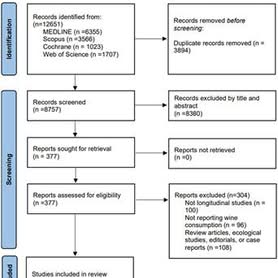
↪ Meta-analysis of 76 studies finds no link between wine drinking and cancer risk
↪ Meta-analysis of 4.3 million: moderate wine not linked to higher overall cancer risk