There are more than 100 prospective cohort studies that have shown a protective effect of light to moderate alcohol consumption against heart disease. The epidemiologists at the Harvard School of Public Health, who are some of the best in the world, are still convinced that this “almost certainly represents a cause and effect relationship”. That quote about “almost certainly” comes directly from their website where they give health advice to the general public. See the link below:
 The Nutrition Source - Harvard Chan SchoolAlcohol: Balancing Risks and Benefits • The Nutrition Source–Introduction–What's Moderate Alcohol Intake? What's a Drink?–The Downside of Alcohol–Possible Health Benefits of Alcohol–Genes Play a Role–Shifting Benefitsnutritionsource.hsph.harvard.edu

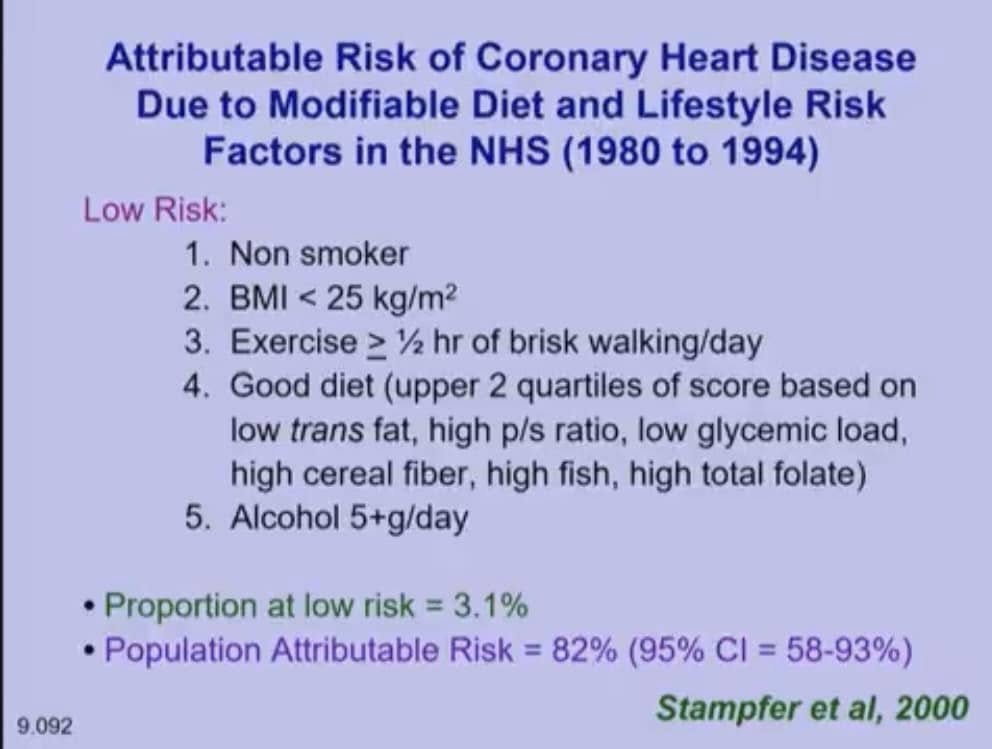
The magnitude of effect is very large, 25-40%. This is in the ballpark of the risk reduction you see in prospective cohort studies from diet, exercise, or statins.
Quoted:
“More than 100 prospective studies show an inverse association between light to moderate drinking and risk of heart attack, ischemic (clot-caused) stroke, peripheral vascular disease, sudden cardiac death, and death from all cardiovascular causes. [20] The effect is fairly consistent, corresponding to a 25-40% reduction in risk. However, increasing alcohol intake to more than 4 drinks a day can increase the risk of hypertension, abnormal heart rhythms, stroke, heart attack, and death. [5, 21-23]
The connection between moderate drinking and lower risk of cardiovascular disease has been observed in men and women. It applies to people who do not have heart disease, and also to those at high risk for having a heart attack or stroke or dying of cardiovascular disease, including those with type 2 diabetes, [32, 33] high blood pressure, [34, 35] and existing cardiovascular disease. [34, 35] The benefits also extend to older individuals. [36]”
“A recent successful effort in the U.S. to launch an international study was funded by the National Institutes of Health. Although the proposal was peer-reviewed and initial participants had been randomized to drink in moderation or to abstain, post hoc the NIH decided to stop the trial due to internal policy concerns. Unfortunately, a future long trial of alcohol and clinical outcomes may never be attempted again, but nevertheless, the connection between moderate drinking and cardiovascular disease almost certainly represents a cause-and-effect relationship based on all of the available evidence to date.”
Edit (January 2025): The old link is broken. I have updated it.