Regarding the use of Mendelian randomization to study the health effects of alcohol consumption:
There are problems with using Mendelian randomization to study health effects of food and beverages.
There is no gene that forces you eat a certain food or drink a certain beverage.
There are genes that control the metabolism of foods and drinks or that cause side effects from consuming them (like the ALDH2 gene variant that causes flushing from alcohol), but these genes don’t force you to consume or not consume those foods and drinks in the first place. Nor do they directly control (force) the amount that you choose to consume. And they can cause you to change other behaviors to compensate, which induces confounding. These same genes also control many other things, and tend to be concentrated in certain specific ethnic subgroups, which creates even more confounding.
On the flip side, being free of genetic impediments to drinking (e.g. not having the ALDH2 gene variant that causes flushing) does not guarantee that you WILL, in fact, drink. Lots of people voluntarily choose to abstain. Mendelian randomization has no way to distinguish these abstainers genetically. It treats them as being prone to drinking, when they actually do the opposite. This is a major problem.
Additionally, Mendelian randomization provides a lifetime average effect. It cannot distinguish between “moderate daily” drinking and “heavy episodic" (binge) drinking. For example, if a genetic variant makes group Group A less likely to drink 5 extra units per week of alcohol than Group B, the model looks at the health outcomes of Group B and attributes them to those 5 more units. However, it cannot see HOW those extra 5 units were actually consumed by Group B. Were they spread out over the entire week? Or were they consumed in binge fashion all at once? One behavior might be healthy while the other is likely harmful.
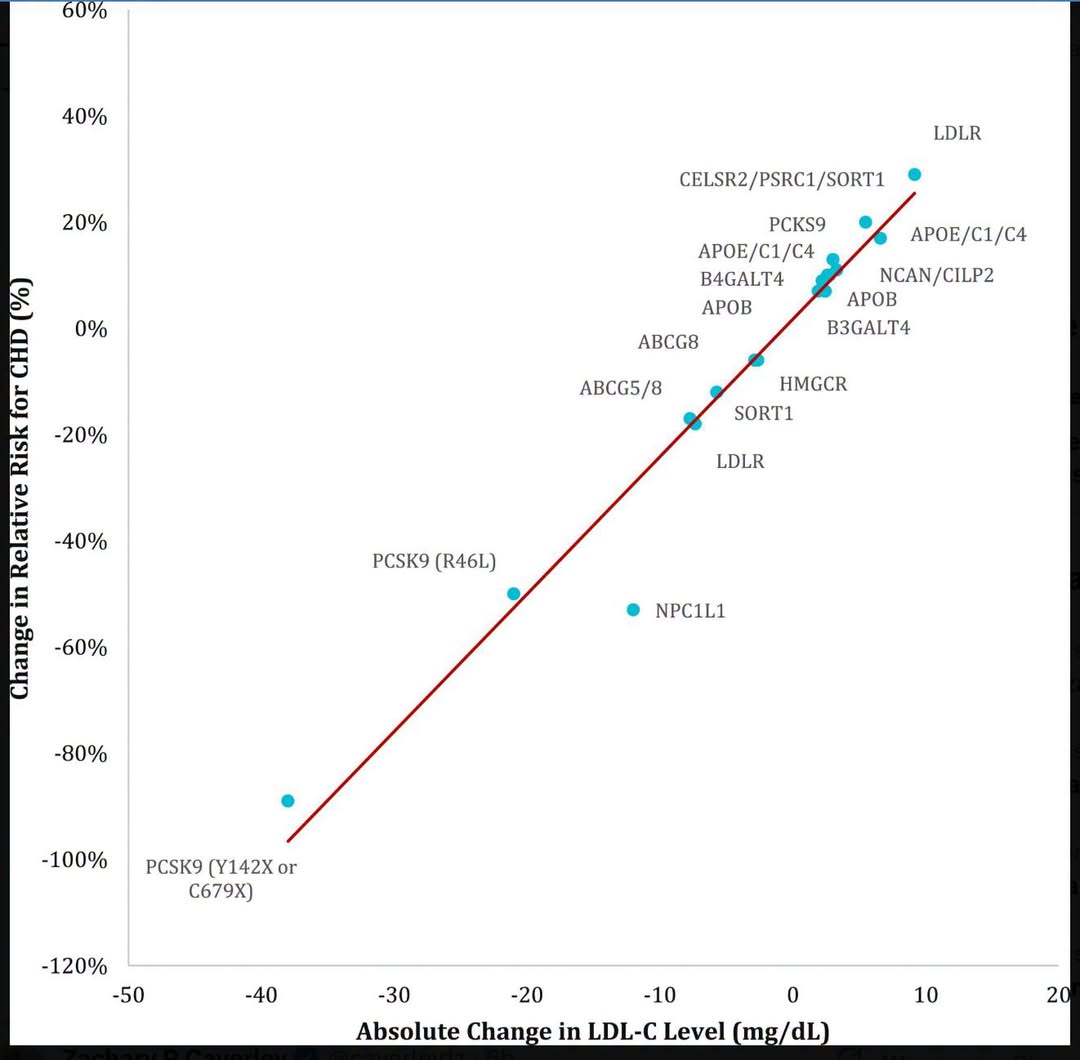
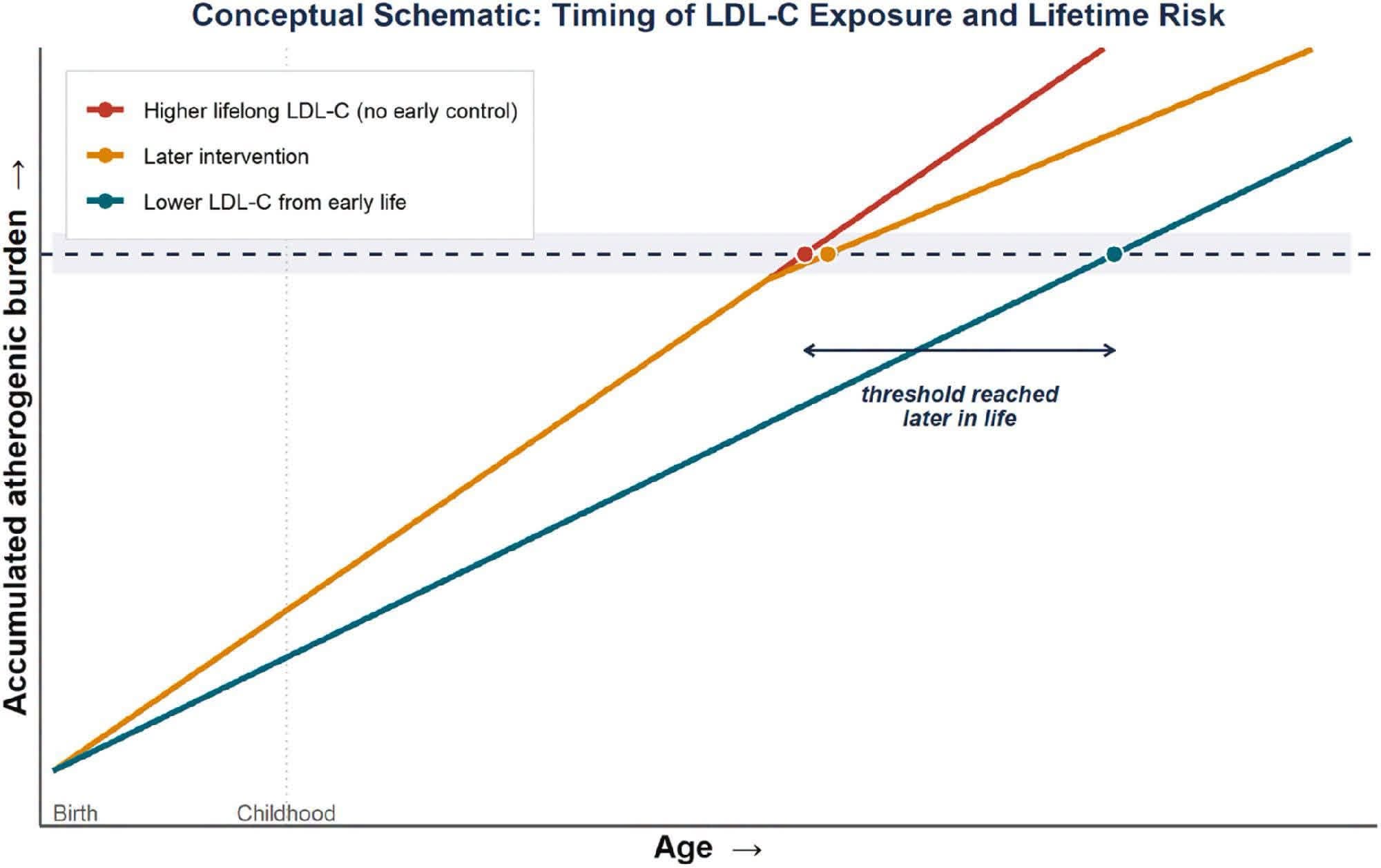
I would take these Mendelian randomization studies on alcohol (and other foods and beverages) with a grain of salt. Mendelian randomization is great for studying things that are directly controlled (forced) by genes, like LDL, VO2-max, etc. But there are problems with using it to study things that are not directly controlled (forced) by genes, like what you subjectively choose to eat and drink on a daily basis.
For example, having genes that cause familial hypercholesterolemia is guaranteed to make your LDL go up. There is no gene that guarantees that you will (or will not) drink alcohol. The same is true for other foods and beverages.
Professional epidemiologists who study alcohol are well aware of the limitations of using MR to study alcohol and other foods and beverages, which is why they weight these MR studies appropriately— instead of giving them undeserved priority like many influencers and non-experts do. Epidemiology is complicated. You need PhD level training in statistics to do it properly. Almost all influencers and clinicians lack this training.
For more information on the problems of using Mendelian randomization to study health effects of low-dose alcohol, I would refer people to this paper. It is written by Meir Stampfer, who is a famous epidemiologist at Harvard Medical School:
“Genetic instrumental variable analysis: time to call mendelian randomization what it is. The example of alcohol and cardiovascular disease” (Eur J Epidemiol, Feb 2020), by Kenneth J Mukamal, Meir J Stampfer, Eric B Rimm
Paper · Eur J Epidemiol · 2020Genetic instrumental variable analysis: time to call mendelian randomization what it is. The example of alcohol and cardiovascular diseaselink.springer.com↪ Harvard authors: Mendelian randomization is a weak tool for alcohol and heart disease
Mendelian randomization is fundamentally observational in nature. Contrary to popular belief, it cannot be used to definitively prove causality, just like any other kind of observational study. It can only hint at causality. It is generally much better at hinting at causality than other forms of observational studies. But in the end, only randomized controlled trials can definitively prove causality. This is especially true when the variable being studied is not directly controlled (forced) by genes— as in the case of what you subjectively choose to eat and drink on a day-to-day basis.
#alcoholHD #wineHD #harvardHD #meirstampferHD #mendelianrandomizationHD #mrHD