If you choose to consume alcohol, it is important to stick to small amounts only.
#alcoholHD #taurineHD
Alcohol metabolism and why a few drinks linger longer than you think...
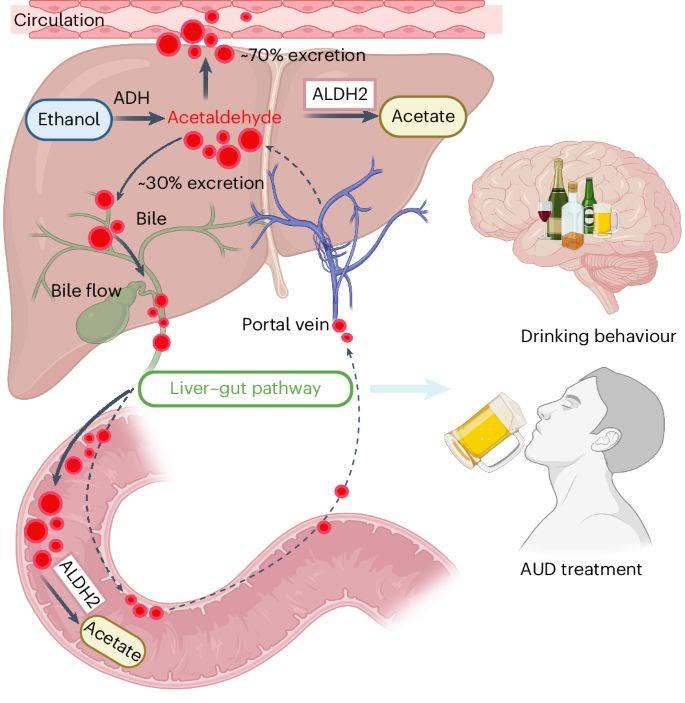
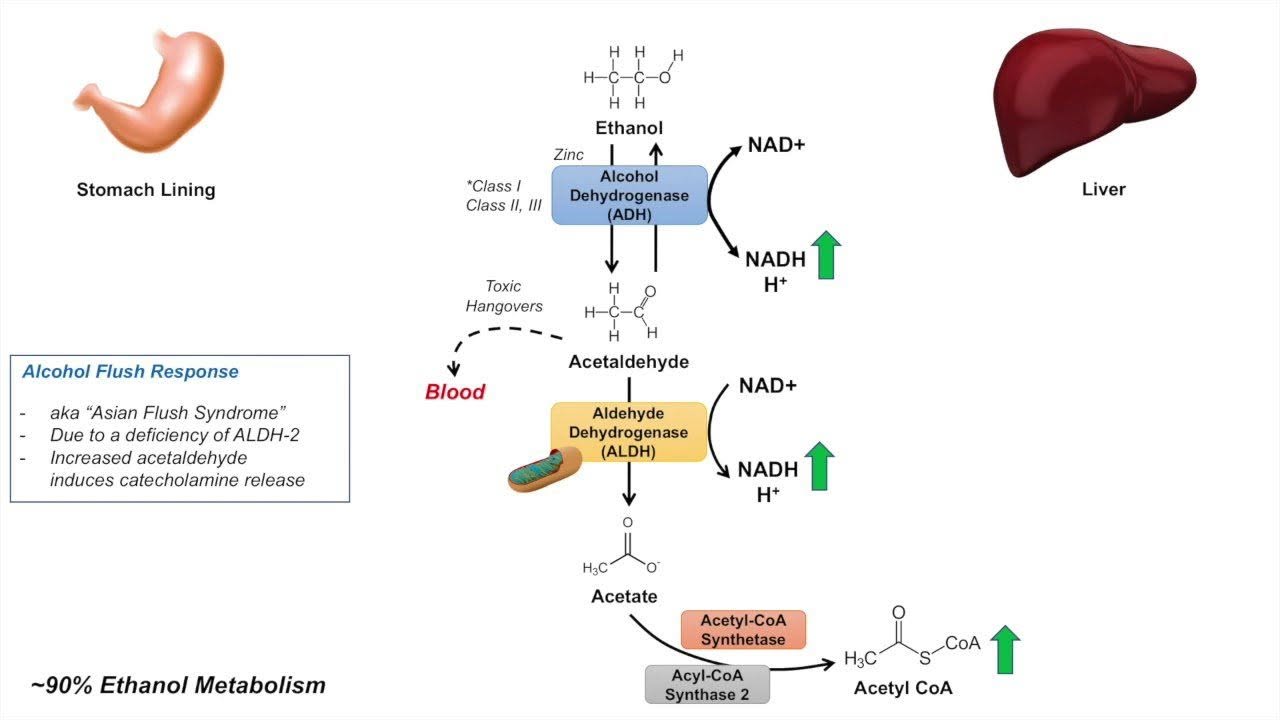
Your body processes >90% of ethanol in the liver, but the path creates toxic byproducts and drains key cofactors.
1️⃣ Step 1: Ethanol → Acetaldehyde
Alcohol dehydrogenase (ADH) converts ethanol to acetaldehyde, a far more toxic molecule.
💡 Example: Acetaldehyde is 10–30x more toxic than ethanol and drives hangovers.
2️⃣ Step 2: Acetaldehyde → Acetate
Aldehyde dehydrogenase (ALDH2) detoxifies acetaldehyde to acetate. Genetic variants slow this step, causing the flush response.
💡 Example: ~30–50% of East Asians have ALDH2 deficiency, leading to red flushing and higher cancer risk.
3️⃣ Step 3: Acetate → Acetyl-CoA
Acetate is converted into Acetyl-CoA for energy, but excess NADH shifts it into fat storage.
💡 Example: Chronic drinking promotes fatty liver because metabolism favors lipogenesis.
4️⃣ Cofactors Required
Both ADH and ALDH consume NAD⁺, creating a redox imbalance. Zinc is essential for ADH function, and glutathione helps mop up aldehyde damage.
💡 Example: Heavy drinking depletes NAD⁺ and glutathione, impairing energy metabolism and antioxidant defense.
5️⃣ Systemic Effects
Excess NADH raises lactic acid, blocks fat burning, and impairs gluconeogenesis. Acetaldehyde damages DNA and mitochondria.
💡 Example: This is why alcohol can cause both hypoglycemia and rapid fat gain.
6️⃣ What Can Help?
No hack accelerates clearance beyond ~1 drink/hour, but cofactors can reduce collateral damage:
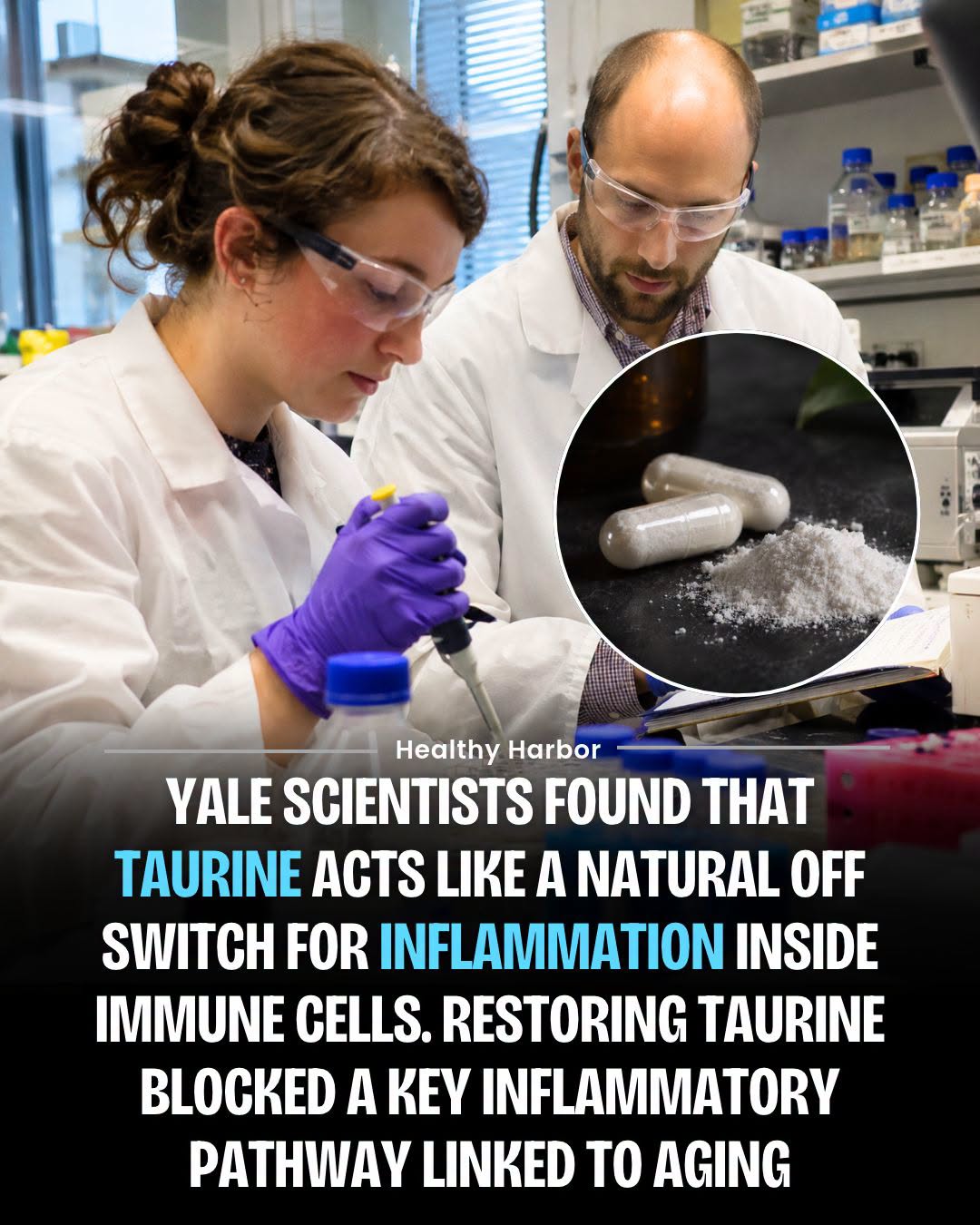
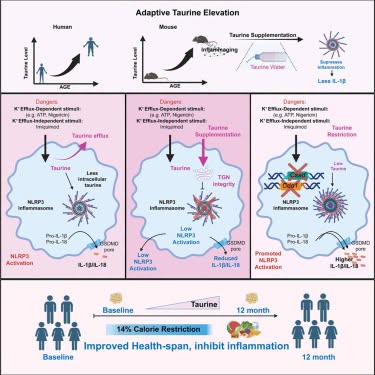
Taurine supports acetaldehyde detox and membrane stability.
NAC restores glutathione.
B1, B3, B6 support alcohol dehydrogenase activity.
💡 Example: NAC + taurine supplementation has been shown to blunt acetaldehyde toxicity in experimental studies.
7️⃣ The Takeaway
Alcohol metabolism is an NAD⁺-draining, oxidative stress-driven process. You can’t outrun liver capacity, but you can support cofactors that protect cells.
💡 Example: Think of alcohol clearance like a one-lane road. You can’t make it faster, but you can repair the guardrails.
Your liver clears alcohol on its own schedule. Zinc, taurine, glutathione, and B-vitamins help reduce the metabolic fallout, but nothing cancels the 1-drink-per-hour rule.