The Anti-Inflammatory Effect of Taurine on Cardiovascular Disease
(I'm considering Taurine supplementation to fight against chronic inflammation.)
Introduction
- Taurine is an amino acid found abundantly in animal tissues including the brain, retina, muscles and organs. It influences cellular functions like osmoregulation, antioxidation, ion movement and bile acid conjugation (Bkaily et al, 2020).
- Taurine exerts anti-inflammatory effects, improves diabetes, and may protect against coronary heart disease (CHD) possibly by inhibiting the renin-angiotensin system (RAS) (Wojcik et al, 2010).
Taurine Deficiency
- Taurine deficiency in cats leads to cardiomyopathy and retinal degeneration (Hayes et al, 1975; Pion et al, 1987).
- Low neonatal plasma taurine levels correlate with impaired mental development at 18 months in infants (Wharton et al, 2004).
- Children with defective taurine transporter gene develop cardiomyopathy like seen in animal models, indicating taurine's role in human cardiac function (Ansar et al, 2019).
- Maternal taurine deficiency associates with lower newborn size which may increase CAD risk later (Barker et al, 2005).
- In taurine transporter knockout mice, impaired mitochondrial complex I and elevated superoxide causes ER stress and cardiac apoptosis (Ramila et al, 2015).
Effects of Taurine on Cardiovascular System
- Higher meat intake associates with greater CVD mortality versus higher seafood intake populations (Mozaffarian & Rimm, 2006), suggesting taurine's cardioprotective effects.
- Higher taurine intake correlates with reduced CHD risk (Yamori et al, 1996).
- Taurine reduced atherosclerosis in rabbits' left main coronary artery (Zulli et al, 2009).
- Taurine dose-dependently relaxes rat thoracic aorta via opening an unspecified potassium channel, improving impaired vasorelaxation in CVD (Niu et al, 2008).
Effects on Renin-Angiotensin System
- In diabetic rats, taurine reduces cardiomyocyte AT2R expression (Li et al, 2005).
- In neonatal rat cardiomyocytes, short-term taurine blocks Ang II-induced cell proliferation possibly by inhibiting Na+/Ca2+ exchanger to maintain calcium homeostasis (Takahashi et al, 1997; Azuma et al, 2000; Takahahsi et al, 1998).
- In rabbits, taurine reduced atherogenic RAS components like ACE, AT1R, AT2R and ACE2 (Zulli et al, 2009).
- In rats with hypertension, taurine countered ACE overactivation by upregulating ACE2, reducing blood pressure (Lv et al, 2017).
Effects in Diabetes and Obesity
- In type 1 diabetic rats, taurine prevented beta cell damage, reduced glucose and fructosamine, increased insulin and glycogen (Gavrovskaya et al, 2008).
- Taurine prevented hyperglycemia in alloxan-induced diabetic rabbits (Tenner et al, 2003; Winiarska et al, 2009).
- Taurine alters electrical potential of beta cells, causing decreased insulin secretion (L’Amoreaux et al, 2010).
- In diabetic OLETF rats, taurine improved insulin resistance and reduced glucose and lipids but did not reverse existing complications (Kim et al, 2012).
- In prediabetic humans, 8 week taurine supplementation did not improve insulin sensitivity or lipid levels (Brons et al, 2004).
- Obesity associates with greater CAD risk (Ades & Savage, 2017) but taurine supplementation reduces obesity-induced inflammation (Rosa et al, 2014).
- Taurine deficiency promotes obesity; supplementation or activating its synthesis could reduce obesity, a CAD risk factor (Murakami, 2015; Tsuboyama-Kasaoka et al, 2006).
- In obese mice, taurine supplementation inhibited adipogenesis leading to weight loss (Kim et al, 2019).
Anti-Inflammatory Effects
- Chronic inflammation in type 2 diabetes accelerates atherosclerosis (Martens et al, 2006; Lee et al, 2017). As taurine is anti-inflammatory, it may prevent CAD.
- Taurine localizes in immune cells like leukocytes, lymphocytes and neutrophils (Fazzino et al, 2006; Wang et al, 2009).
- Taurine reduces TLR2 expression and NF-Kβ activation, decreasing inflammation in rat mastitis models (Miao et al, 2011).
- Taurine's metabolites, taurine chloramine (TauCl) and taurine bromamine (TauBr), exert anti-inflammatory effects by inhibiting cytokines, oxidative stress and inflammation.
- TauBr downregulates TNFα-induced NF-Kβ inflammation which may benefit CVD patients (Tokunaga et al, 2007).
- TauCl inhibits TLR 2, 4, 9 activation and NF-Kβ nuclear migration in immune cells, reducing pro-inflammatory molecules (Kim & Cha, 2005; Kim et al, 2011).
Human Clinical Studies
- In heart failure patients, 2 week 3000mg/day taurine improved exercise capacity, reduced cholesterol, triglycerides, CRP and post-exercise inflammatory markers (Beyranvand et al, 2011; Ahmadian et al, 2017).
- In patients undergoing coronary bypass, 30-45 day 9g/kg taurine decreased ventricular dysfunction (Jeejeebhoy et al, 2002).
- 6 gram taurine daily for 6 weeks improved left ventricular function in heart failure (Azuma et al, 1992).
- Two siblings with defective taurine transporter gene developed cardiomyopathy. 100mg/kg taurine supplementation for 24 months restored plasma taurine levels and cardiac function (Ansar et al, 2019).
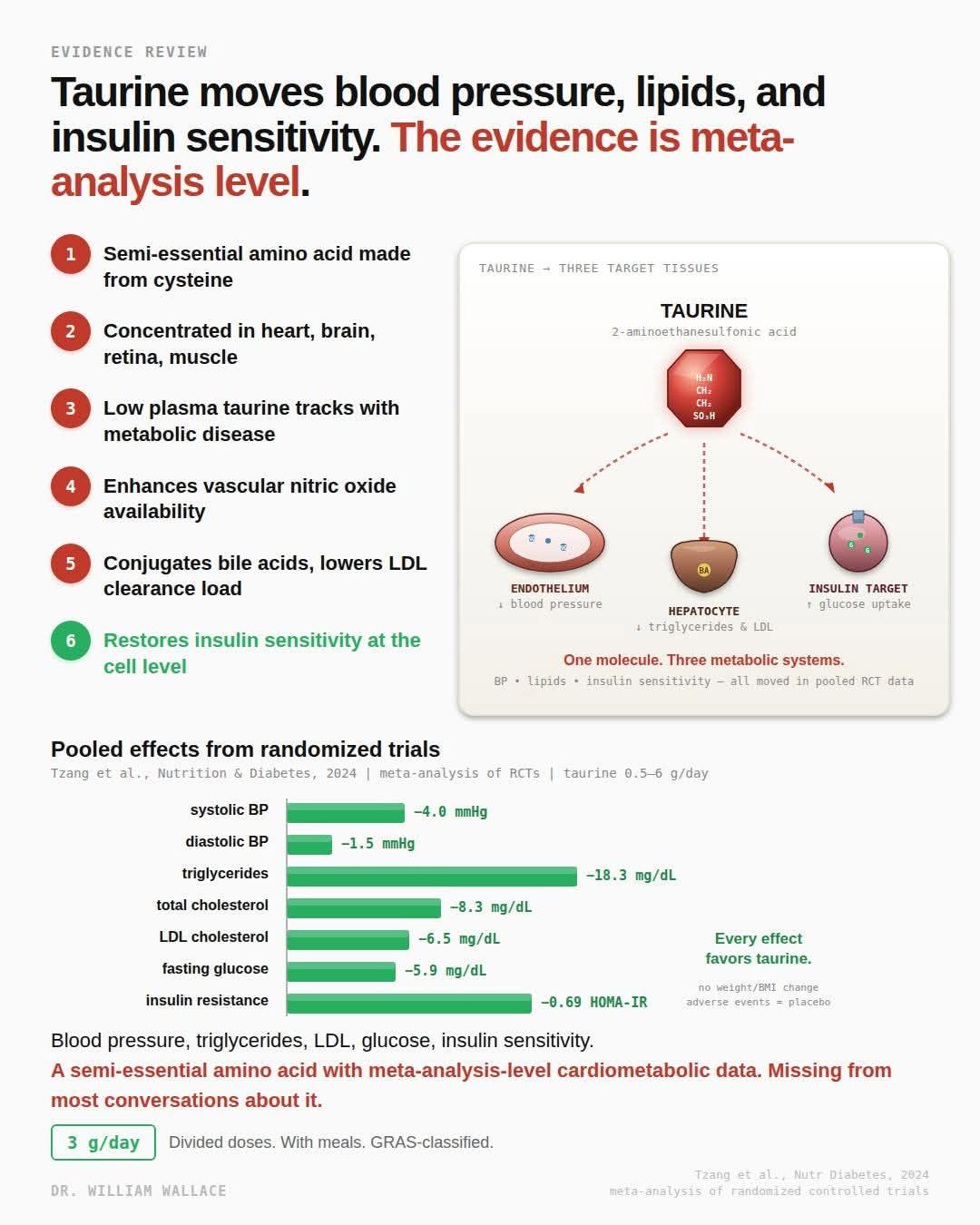
- 1600mg taurine daily for 12 weeks reduced blood pressure in pre-hypertensive patients (Sun et al, 2016). While 6000mg for 7 days decreased pressure via the sympathetic system in hypertensive patients (Militante & Lombardini, 2002).
- Type 2 diabetics also had improved vascular function and reduced platelet aggregation with 1500mg taurine daily for 90 days (Moloney et al, 2010; Franconi et al, 1995).
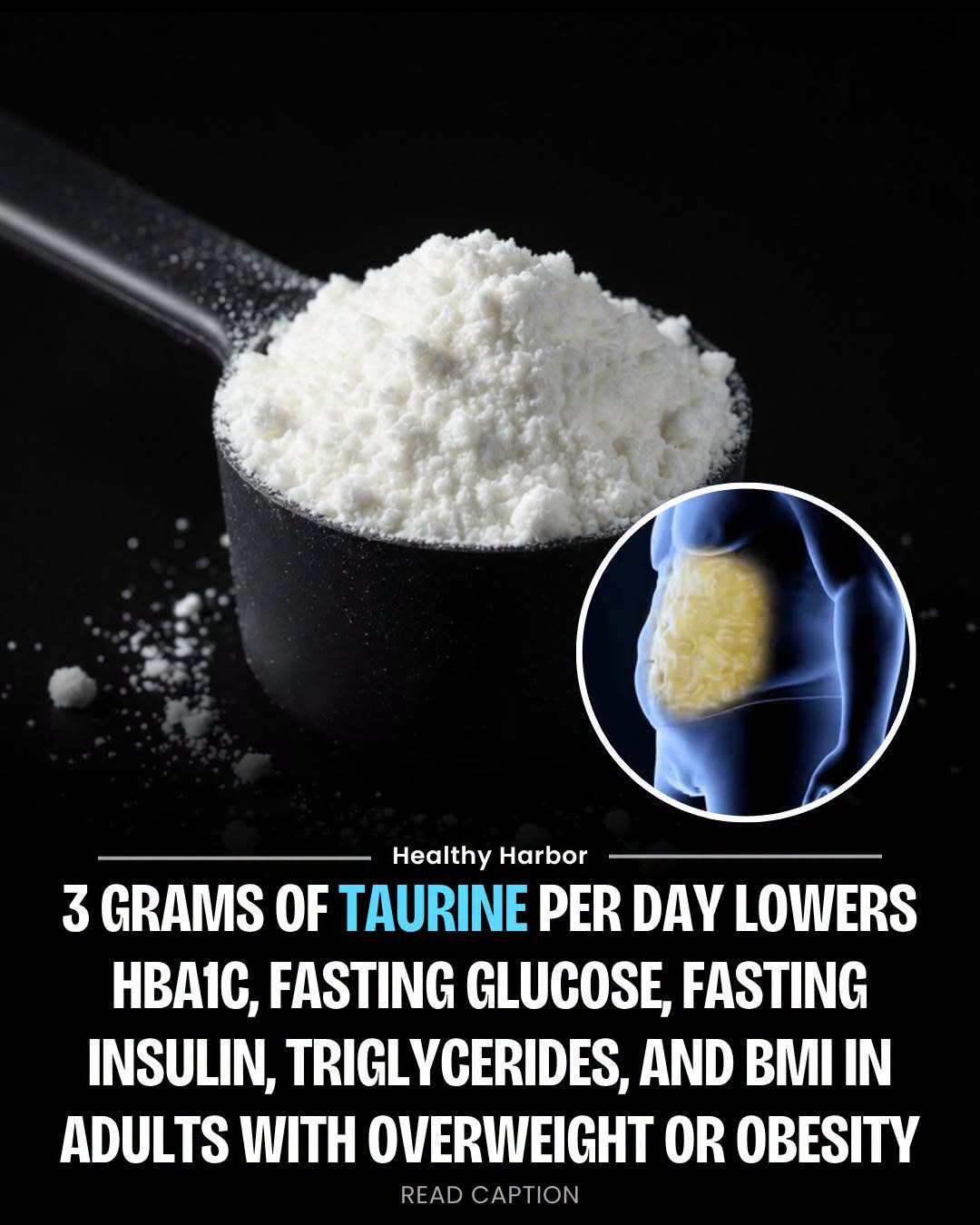
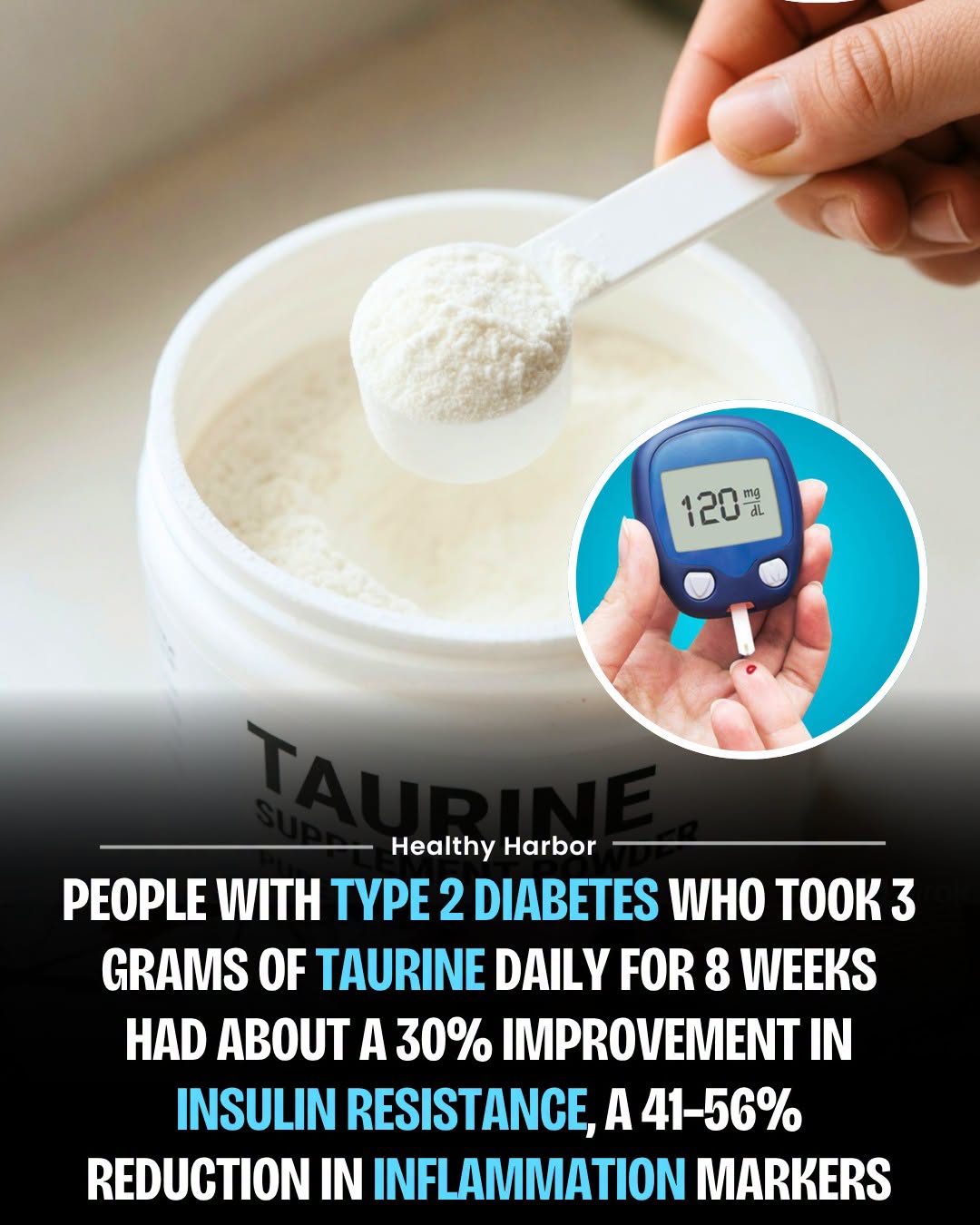
- Higher doses (3000mg daily) reduced glucose, oxidative stress and inflammation in type 2 diabetes patients but lower doses had no effect (Maleki et al, 2020; Shari et al, 2019).
Conclusions
- Clinical trials show taurine supplementation improves heart function, is anti-hypertensive, beneficial in pre-hypertension and type 2 diabetes.
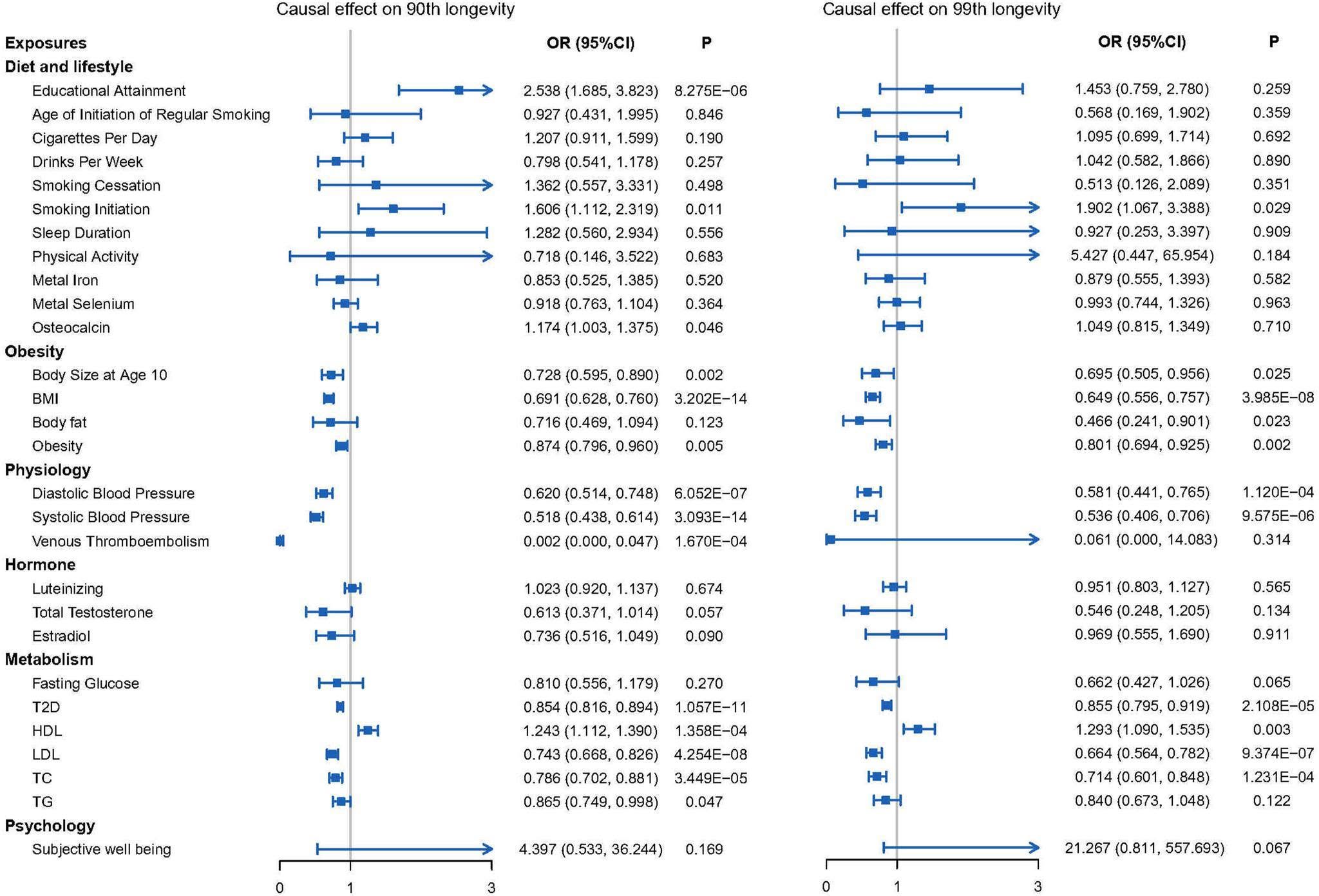
- Foods high in taurine like seafood may prevent CAD and prolong life expectancies but more clinical investigations are required to confirm taurine supplementation as an adjuvant CVD treatment.