HD-OPM Archive
Topics › Environment (microplastics, pollution, heat)

Foods high in oxalate may worsen gadolinium retention after MRI contrast

Louis Nervegna · Nov 17, 2025 · ♥ 22 reactions · 10 comments · original Facebook post
Environment (microplastics, pollution, heat)Kidney health
AI summary & key facts

Louis shares University of New Mexico research that oxalic acid in foods like chocolate, spinach and vitamin C can form gadolinium nanoparticles in tissues, and suggests avoiding such foods before contrast MRI.

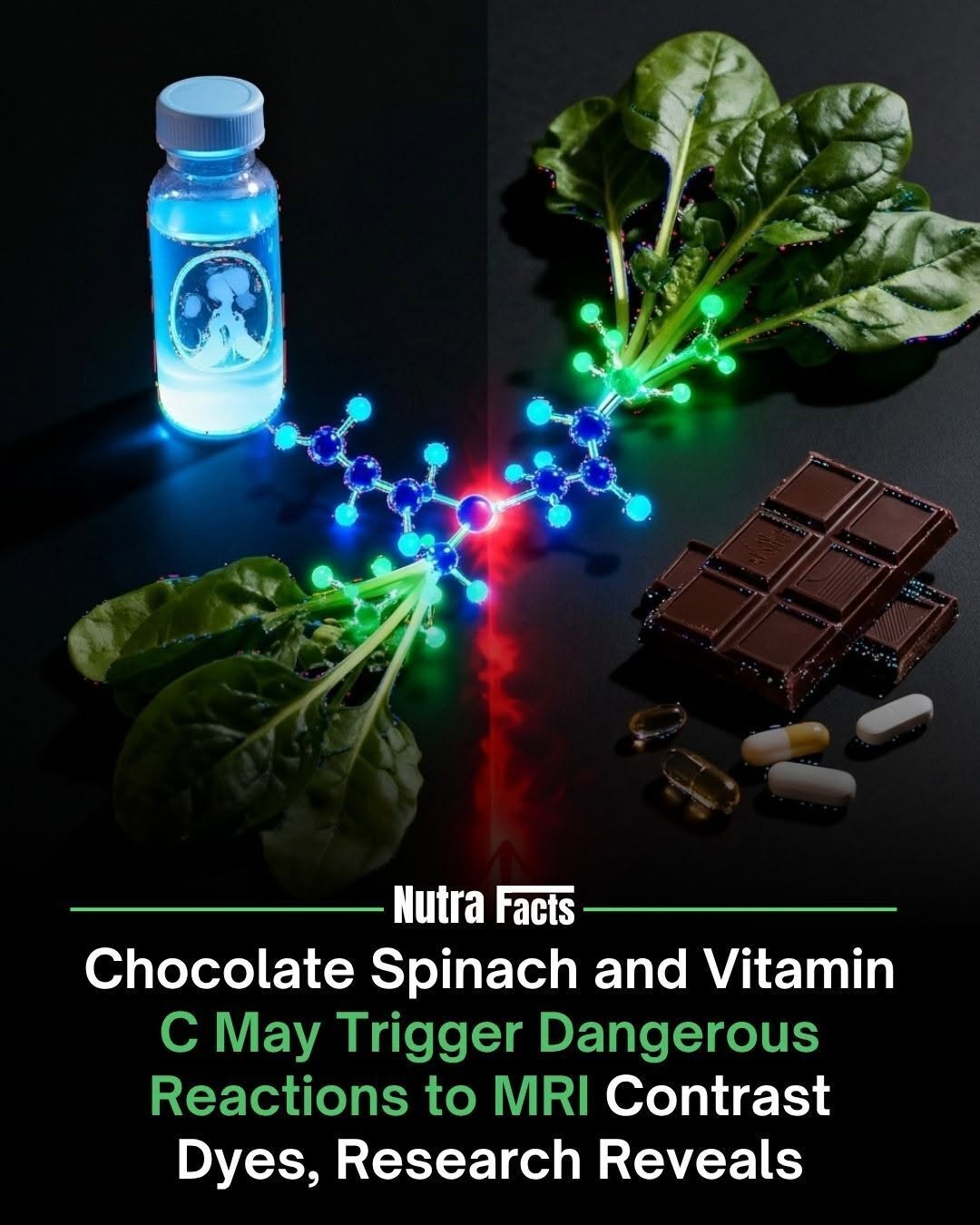
Some new research suggests that you should avoid consuming anything that increases levels of oxalates prior to taking gadolinium for an MRI scan. For example, chocolate, spinach, vitamin C.

Oxalates react with gadolinium to form nanoparticles which can damage tissue and organs.

See this reference:

UNM HSC NewsroomUNM Scientists Discover How Nanoparticles of Toxic Metal Used in MRI Scans Infiltrate Human TissueUniversity of New Mexico researchers studying the health risks posed by gadolinium, a toxic rare earth metal used in MRI scans, have found that oxalic acid, a molecule found in many foods, can generate nanoparticles of the metal in human tissues.hscnews.unm.edu

Quoted:

In their study, Wagner’s team focused on oxalic acid, which is found in many plant-based foods, including spinach, rhubarb, most nuts and berries and chocolate, because it binds with metal ions. The process helps lead to the formation of kidney stones, which result when oxalate binds with calcium. Meanwhile, oxalic acid also forms in the body when people eat foods or supplements containing vitamin C.

In test tube experiments the researchers found that oxalic acid caused minute amounts of gadolinium to precipitate out of the contrast agent and form nanoparticles, which then infiltrated the cells of various organs.

“Some people might form these things, while other do not, and it may be their metabolic milieu,” Wagner said. “It might be if they were in a high oxalic state or a state where molecules are more prone to linking to the gadolinium, leading to the formation of the nanoparticles. That might be why some individuals have such awful symptoms and this massive disease response, whereas other people are fine.”

The finding points to a possible way to mitigate some of the risks associated with MRI scan, he said.

“I wouldn't take vitamin C if I needed to have an MRI with contrast because of the reactivity of the metal,” Wagner said. “I'm hoping that we're getting closer to some recommendations for helping these individuals.”
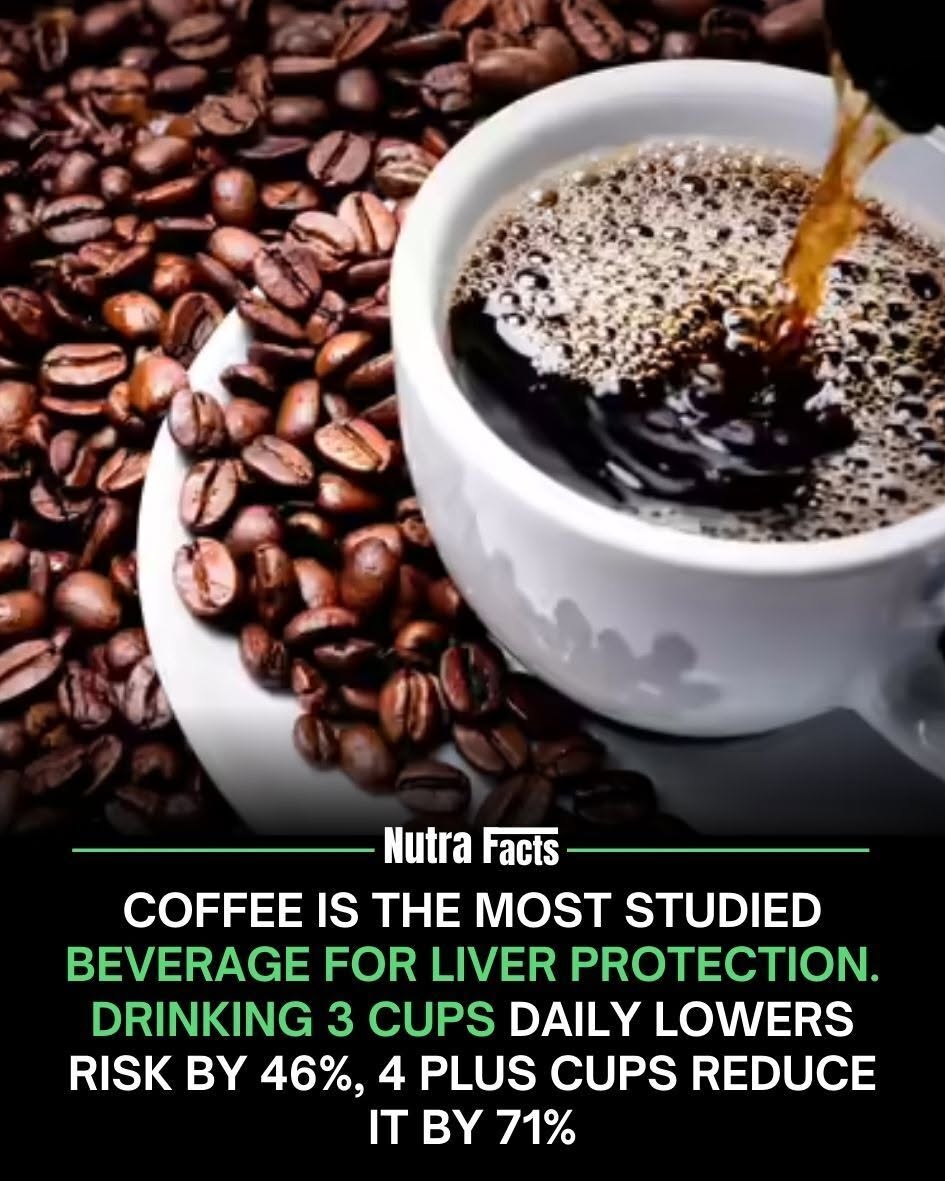
#mriHD #gadoliniumHD #oxalateHD #vitamincHD

Research cited

Recent research has uncovered why certain foods and nutrients can cause dangerous reactions when undergoing MRI scans with contrast dyes. Chocolate, spinach, and vitamin C contain compounds that may bind with gadolinium, a common MRI contrast agent, leading to accumulation in organs and potentially harmful side effects.

Gadolinium is used to enhance imaging quality during MRIs, but when it binds with specific compounds found in these foods, it can linger in the body longer than intended. Accumulation in tissues such as the brain, kidneys, and liver may increase the risk of toxicity, particularly in sensitive individuals or those with pre-existing kidney conditions.

While MRIs remain a safe and essential diagnostic tool for most patients, this research highlights the importance of dietary awareness before undergoing scans. Avoiding high doses of chocolate, spinach, and vitamin C supplements shortly before MRI procedures may reduce the likelihood of these reactions and help safeguard organ health.

This discovery underscores how seemingly harmless dietary habits can interact with medical procedures in unexpected ways. Consulting your healthcare provider and following pre-scan instructions carefully ensures safer imaging and reduces potential risks associated with gadolinium-based contrast agents.

#NutraFacts #fblifestyle #MRISafety #GadoliniumRisk #HealthyChoices

No photo description available.
← newer: Image of CVD deaths per capita with circle sizesolder: 1 g/day vitamin C does not lower Lp(a) in a randomized trial →