HD-OPM Archive
Topics › Metabolic health

Kidney health

47 posts (20 primarily about this topic) · 3 reposts and set-aside posts not shown

Start here — the best posts in this topic

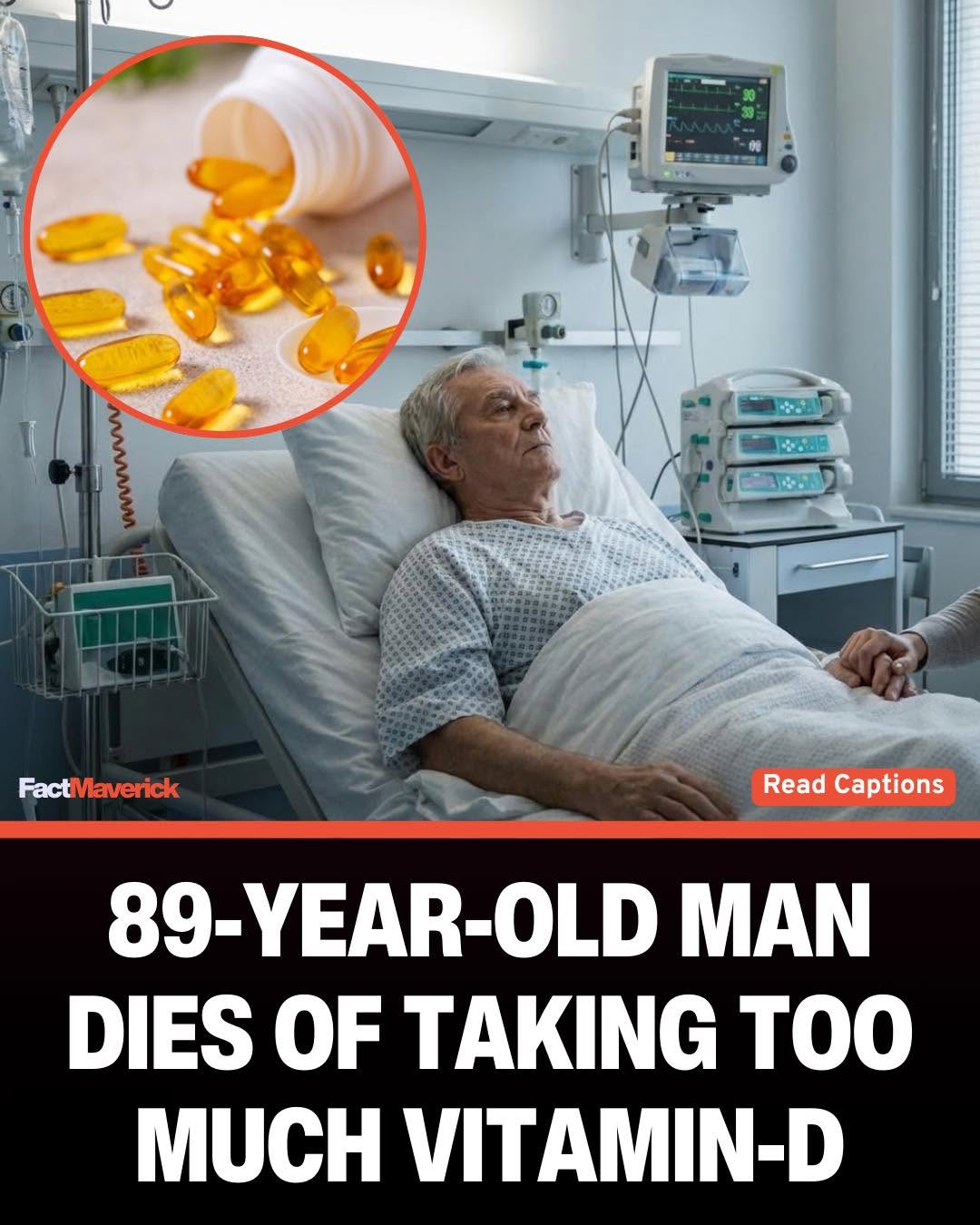
  1. Vitamin D overdose caused fatal hypercalcemia in an 89-year-old, UK coroner warns Jan 21, 2026
  2. Niacin inhibited vascular calcification in mice via SIRT1/SIRT6 activation Dec 09, 2025
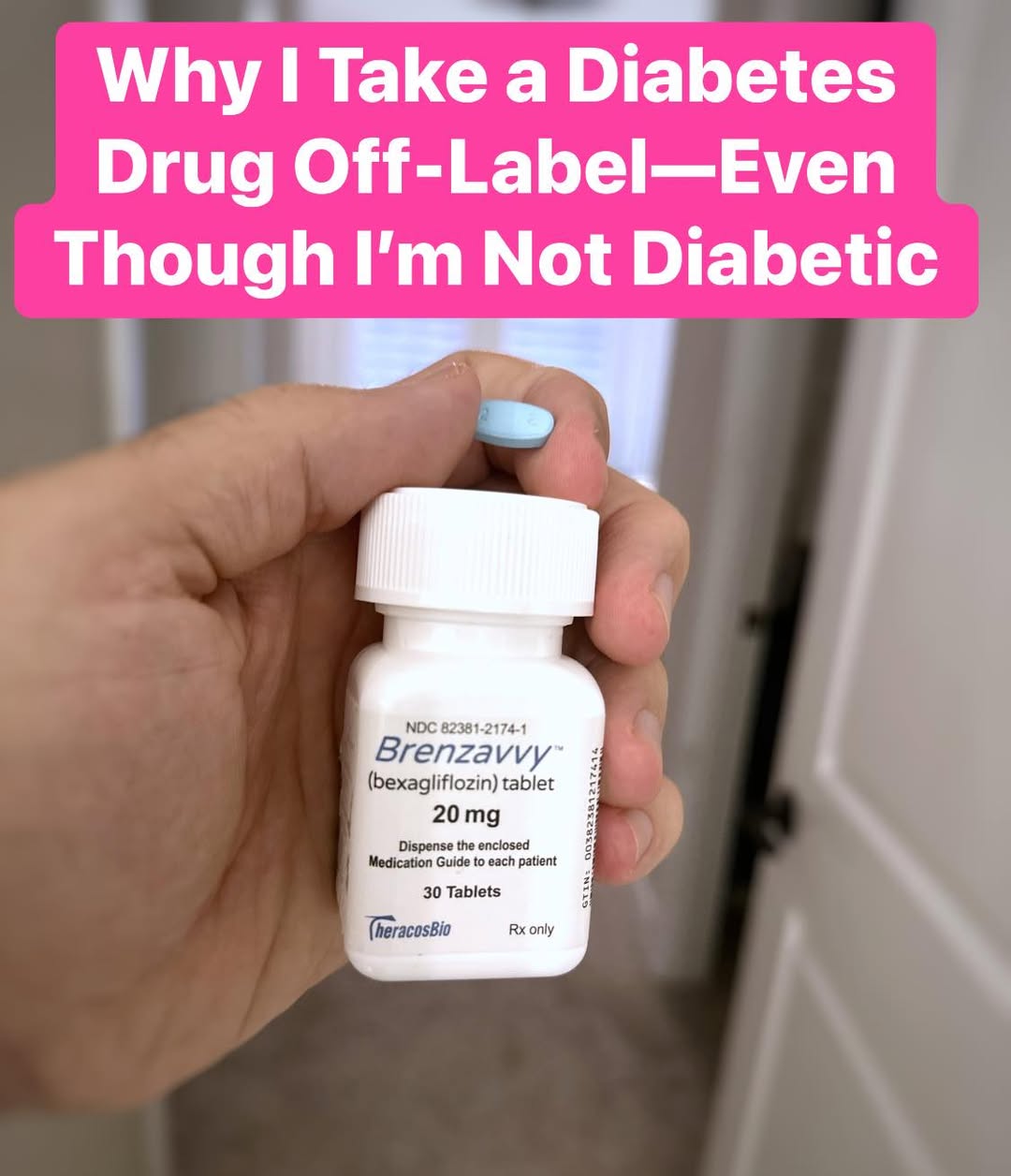
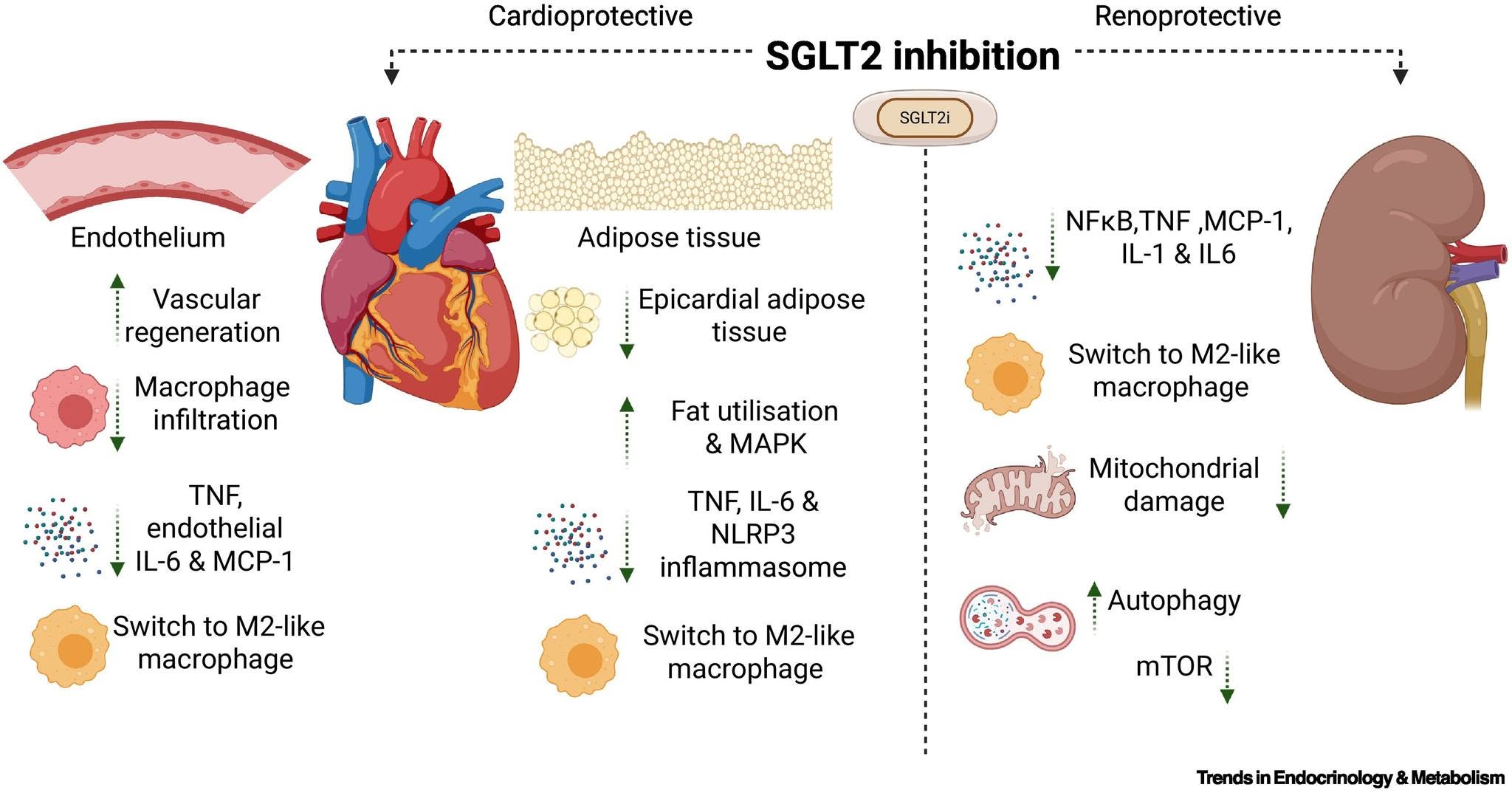
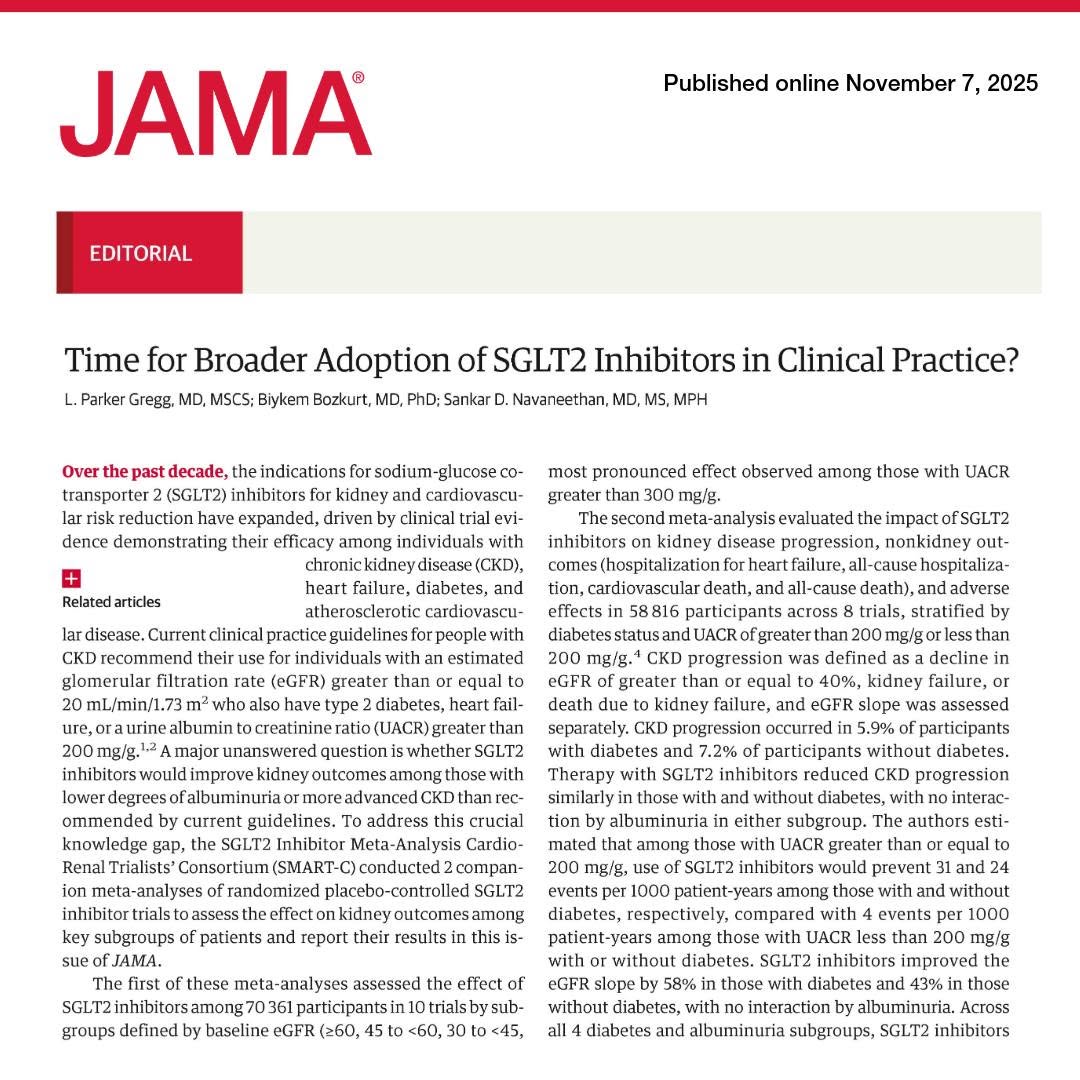
  3. SGLT2 inhibitors may offer benefits beyond diabetes, argues Dr. Lawenda Mar 05, 2025
  4. A 50:50 salt/potassium blend cuts sodium and adds potassium; avoid with kidney disease ↩ 1 · Dec 04, 2025
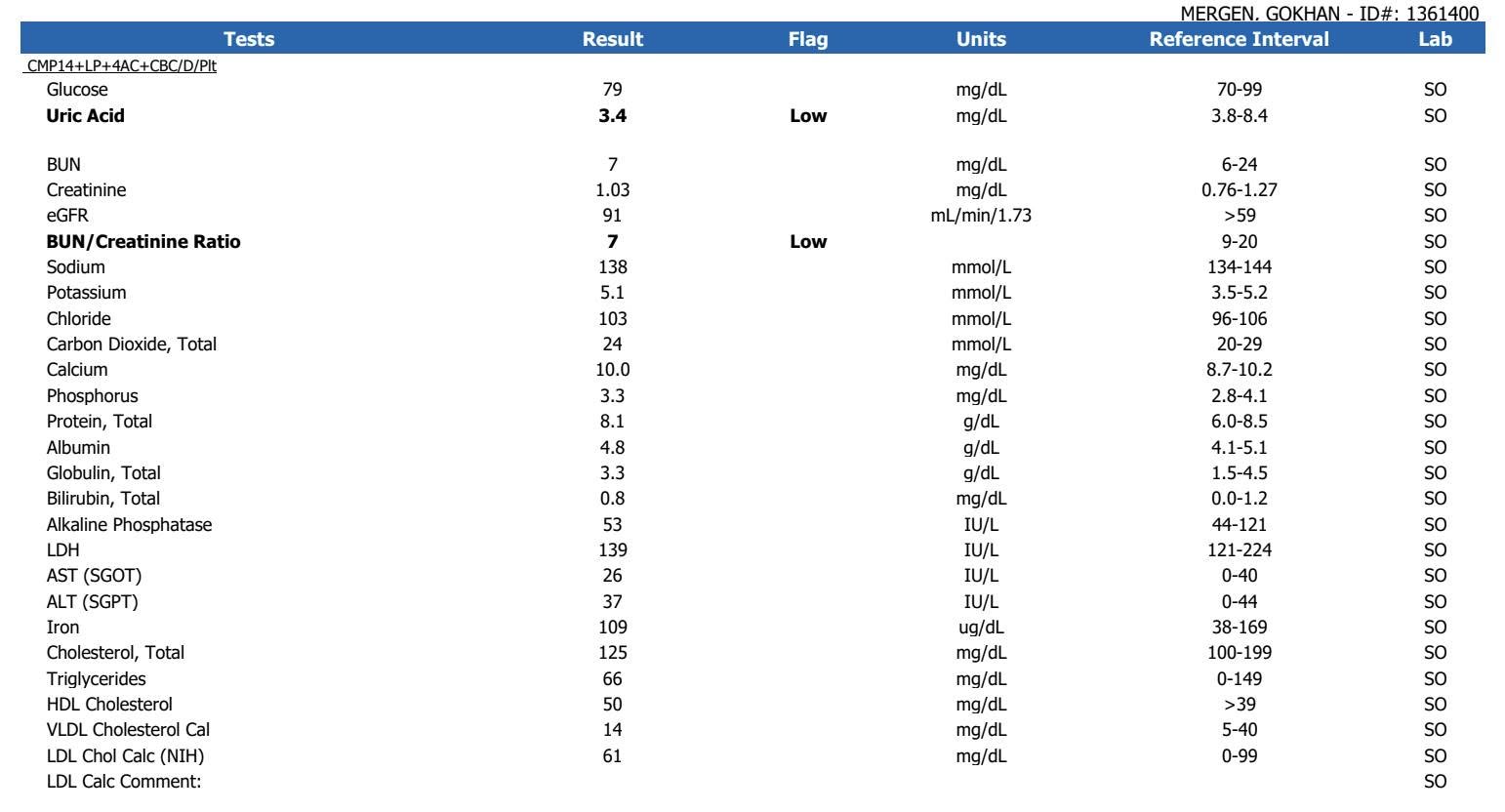
  5. Personal labs on tirzepatide/retatrutide and 5 mg rosuvastatin: LDL 61, ApoB 58, eGFR 86 Oct 08, 2024
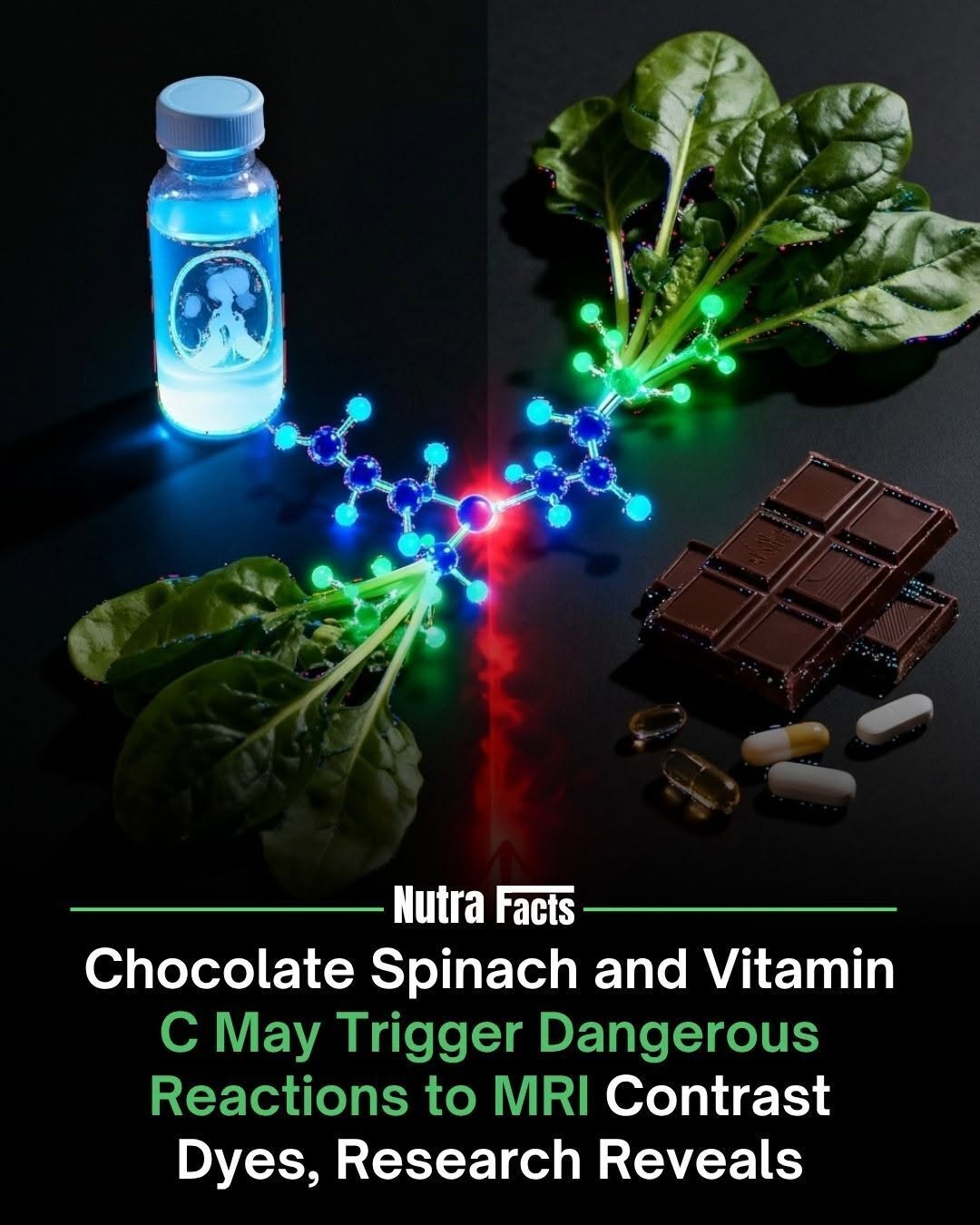
  6. Foods high in oxalate may worsen gadolinium retention after MRI contrast Nov 17, 2025
  7. Atorvastatin improved kidney function dose-dependently across 6 RCTs with 30,621 patients ↩ 1 · Oct 13, 2024
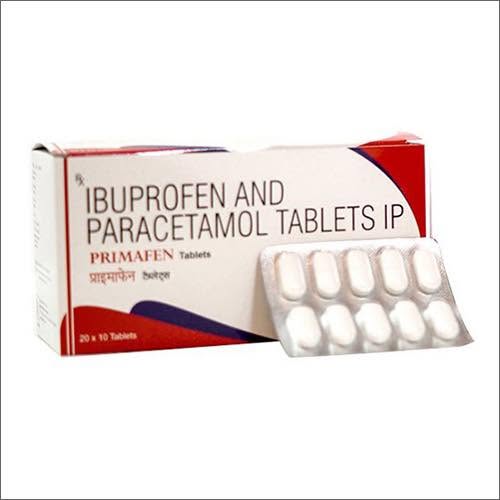
  8. Misuse of OTC painkillers harms liver and kidneys more than turmeric or green tea Jul 10, 2025
#kidneys 35#ckd 7#cvd 6#egfr 6#calcium 5#diabetes 5#sglt2 5#protein 5#liver 4#rosuvastatin 4#atorvastatin 4#kidneystones 4#oxalate 3#statins 3#statinskidneys 3#vitamind 2#mice 2#aging 2#alzheimers 2#dementia 2#potassium 2#vitaminc 2#fiber 2#microbiome 2#hearthealth 2#heartdisease 2#supplements 2#ckm 2#insulinresistance 2#metabolicsyndrome 2#bloodtests 2#inflammation 2#glp1 2#nad 1#niacin 1#nicotinamide 1#nmn 1#nrhd 1#sirt1 1

Atorvastatin improved kidney function dose-dependently across 6 RCTs with 30,621 patients

Oct 13, 2024 · Louis Nervegna ♥ 11 · 💬 9 ↩ 1 Statins

Louis cites a JAHA post hoc analysis of six double-blind outcome trials in patients at risk of or with cardiovascular disease. Atorvastatin improved kidney function over time in a dose-dependent way, and improvement in kidney function was associated with lower cardiovascular risk. The authors suggest kidney function could serve as a surrogate end point.

Imidazole propionate: how gut bacteria make it from histidine and how to lower it

Jul 18, 2025 · Gokhan Can ♥ 9 · 💬 5 ↩ 1 Gut microbiome

A detailed explainer on ImP, a gut-microbial metabolite elevated in type 2 diabetes, atherosclerosis, heart failure, kidney disease and fatty liver. It is made from dietary histidine by specific bacteria in dysbiotic guts and is more tied to microbiome composition than to histidine intake, so a diverse, high-fiber microbiome is protective.

Diseased kidneys release extracellular vesicles that may be toxic to the heart

Feb 01, 2026 · Gokhan Can ♥ 13 · 💬 3

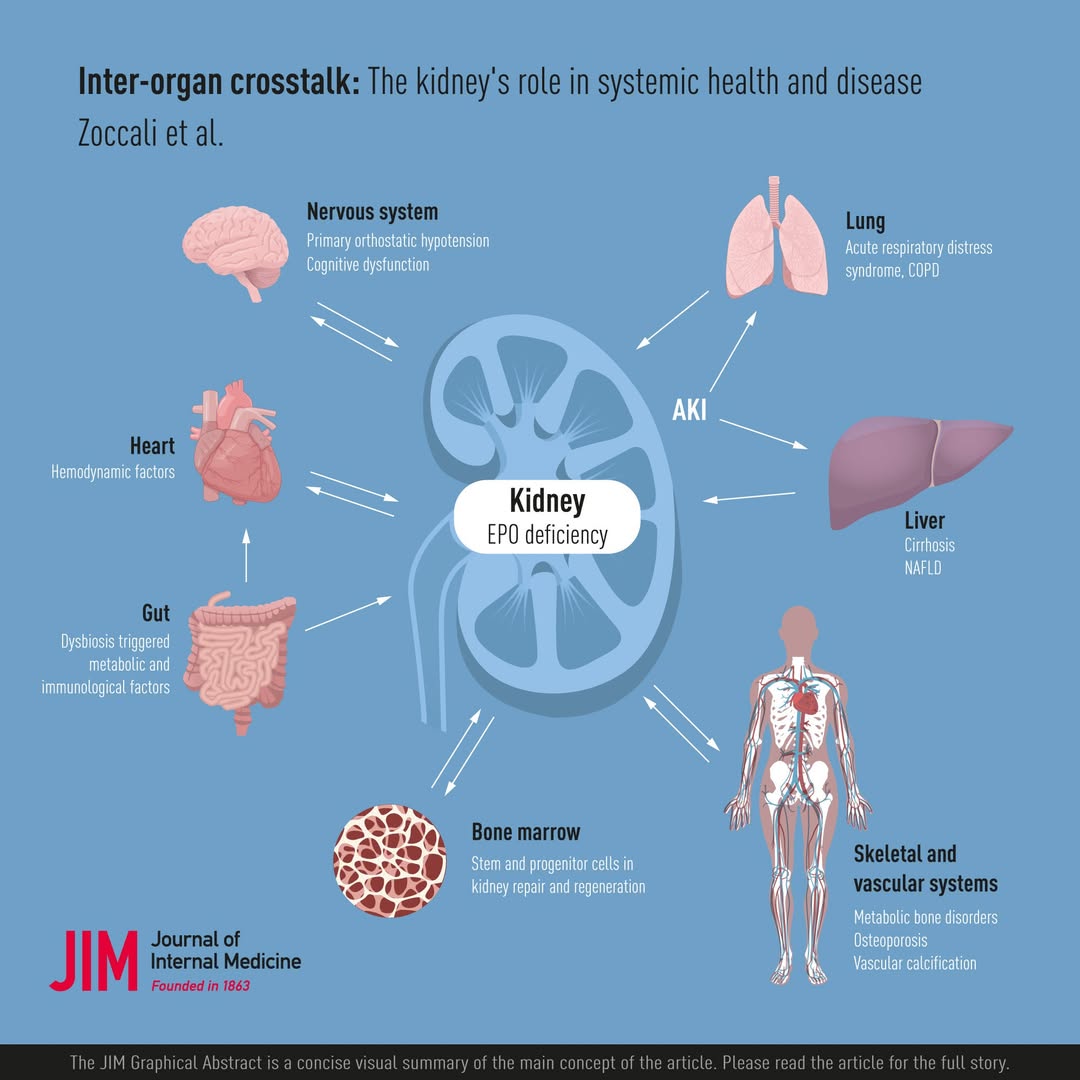
Shares a Washington Post report on a new study finding that diseased kidneys release tiny particles that are toxic to the heart, which may explain why more than half of people with advanced kidney disease develop cardiovascular problems. The admin stresses protecting kidney health to protect heart health.

Bowel movement frequency of once or twice daily linked to better gut and overall health

Mar 19, 2025 · Louis Nervegna ♥ 26 · 💬 1 Gut microbiome

Louis shares a news report on a Cell Reports Medicine study finding that once or twice daily is the 'Goldilocks zone' for stool frequency. Constipation raised blood levels of toxins such as p-cresol sulfate and indoxyl sulfate that burden the kidneys, while diarrhea was linked to excess bile acid loss. More fruit and vegetables, water, exercise and a plant-dominant diet characterized the Goldilocks group.

CoQ10 trial in chronic kidney failure: 36% vs 90% needed dialysis

Oct 16, 2026 · Louis Nervegna ♥ 18 · 💬 1

The post highlights an older randomized, double-blind, placebo-controlled trial of coenzyme Q10 in chronic renal failure in which far fewer CoQ10 patients needed dialysis than placebo patients. The poster stresses he is not claiming CoQ10 reverses kidney disease, only that the research exists. The linked paper is from 2000, so confirmation in larger recent trials matters.

Methotrexate may lower heart disease risk in rheumatoid arthritis and be safer than NSAIDs

Oct 19, 2025 · Louis Nervegna ♥ 5 · 💬 4 Inflammation & CRP

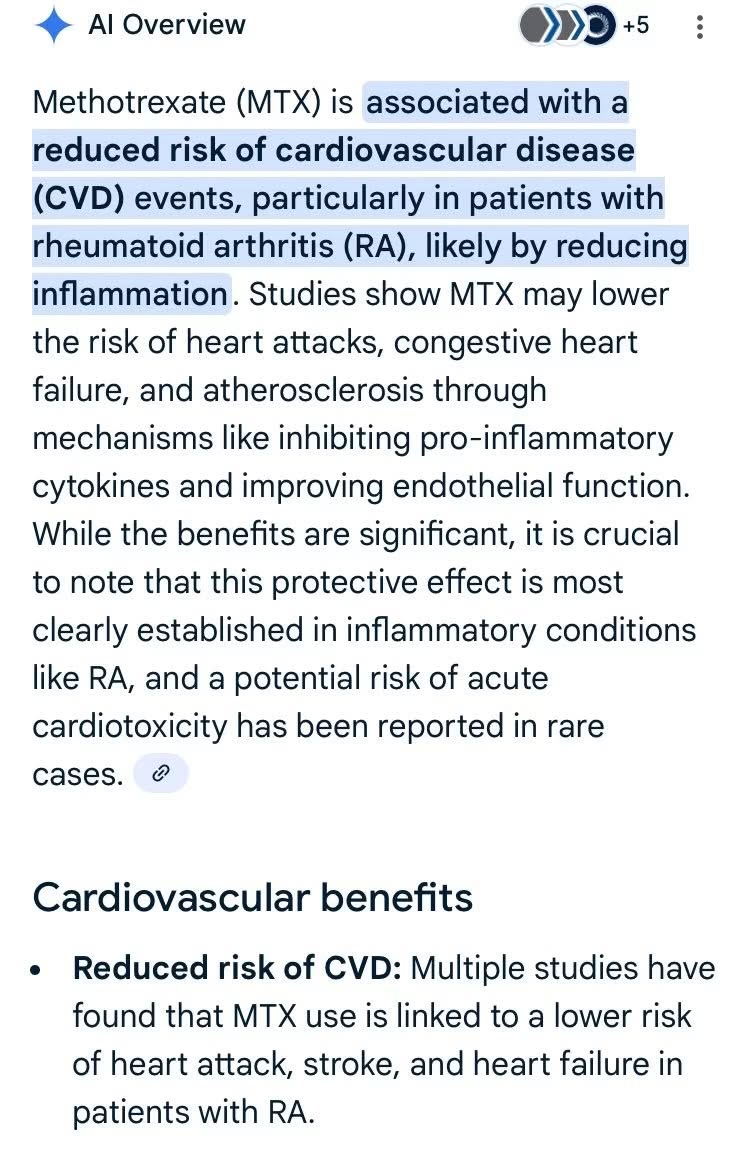
Louis says methotrexate has an undeserved bad reputation and newer research suggests it may reduce cardiovascular risk in people with rheumatoid arthritis or other inflammatory diseases. He notes long-term NSAIDs, especially Cox-2 inhibitors, raise heart attack and stroke risk and are hard on the kidneys, and advises talking to a cardiologist. No specific study is cited.

Kidney function is a major CVD driver and now an input in the new AHA risk calculator

Dec 16, 2025 · Louis Nervegna ♥ 8 · 💬 1

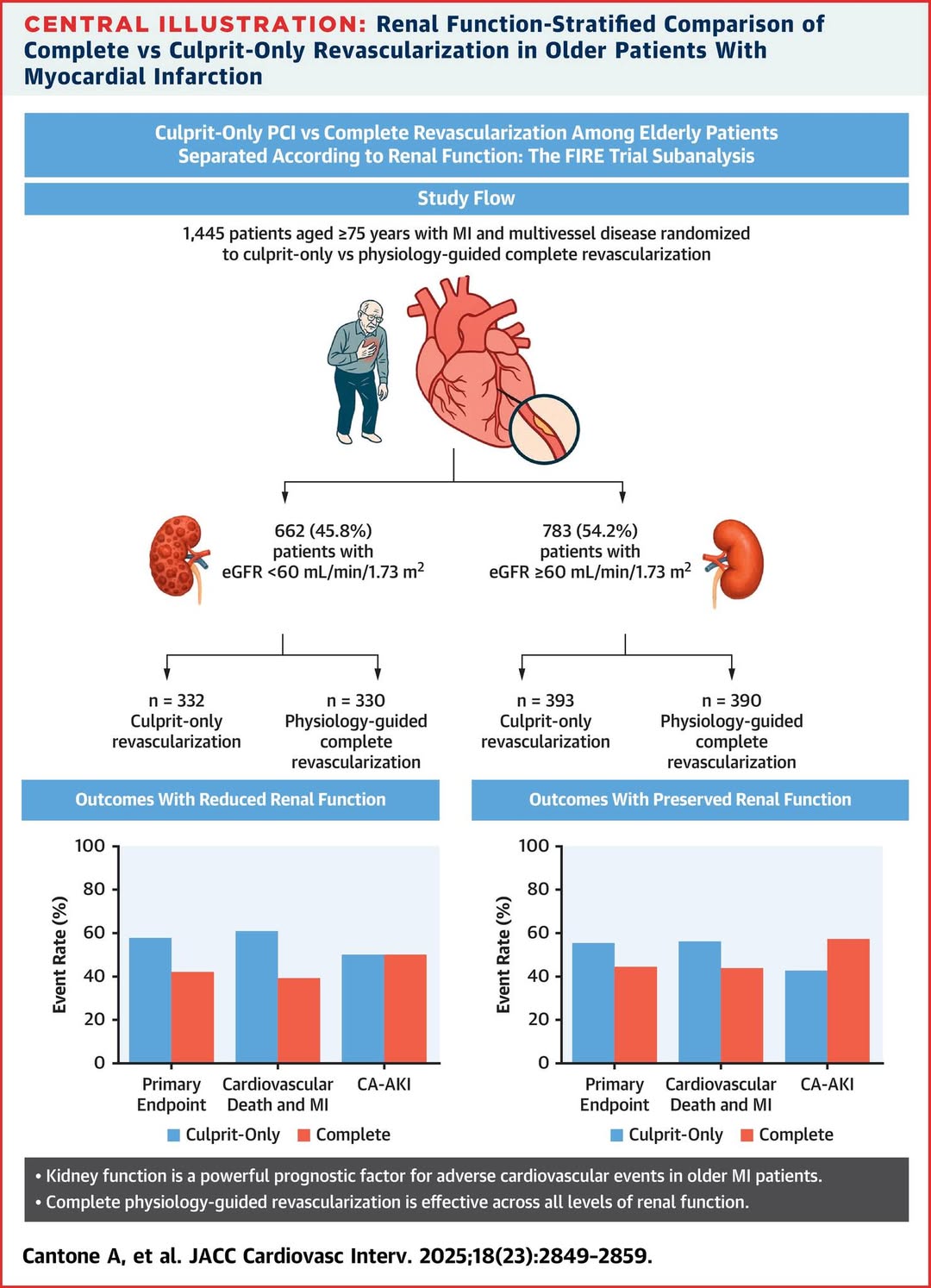
Louis notes that reduced kidney function is a major cause of cardiovascular disease and that the newest AHA risk calculator includes eGFR. He shares a JACC International piece showing kidney function remains a strong prognostic factor in older MI patients, with physiology-guided complete revascularization effective regardless of renal function.

Lubiprostone preserved kidney function in a 118-patient phase II CKD trial

Aug 30, 2025 · Gokhan Can ♥ 4 · 💬 2

A phase II trial in Science Advances found that the constipation drug lubiprostone (16 ug daily) preserved eGFR over 24 weeks versus decline on placebo. Surprisingly, it did not cut uremic toxins; instead it shifted the gut microbiome and raised spermidine. Kidney disease commonly accompanies heart disease.

Gut-bacteria peptide corisin drives diabetic kidney fibrosis in mice

Aug 26, 2025 · Gokhan Can ♥ 8 · 💬 1

A study found the gut-bacteria peptide corisin is elevated in diabetic patients with CKD and tracks with severity. In mice, corisin travels to the kidney on albumin and accelerates aging, scarring and cell death, and a neutralizing antibody reduced kidney damage. Gokhan notes CKD almost always accompanies heart disease.

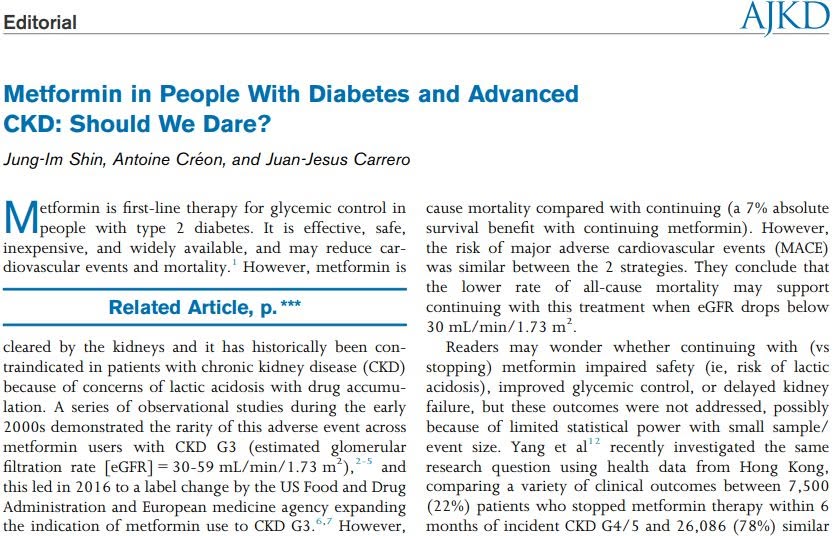
AJKD editorial reconsiders metformin safety in advanced chronic kidney disease

Feb 16, 2025 · Louis Nervegna ♥ 8

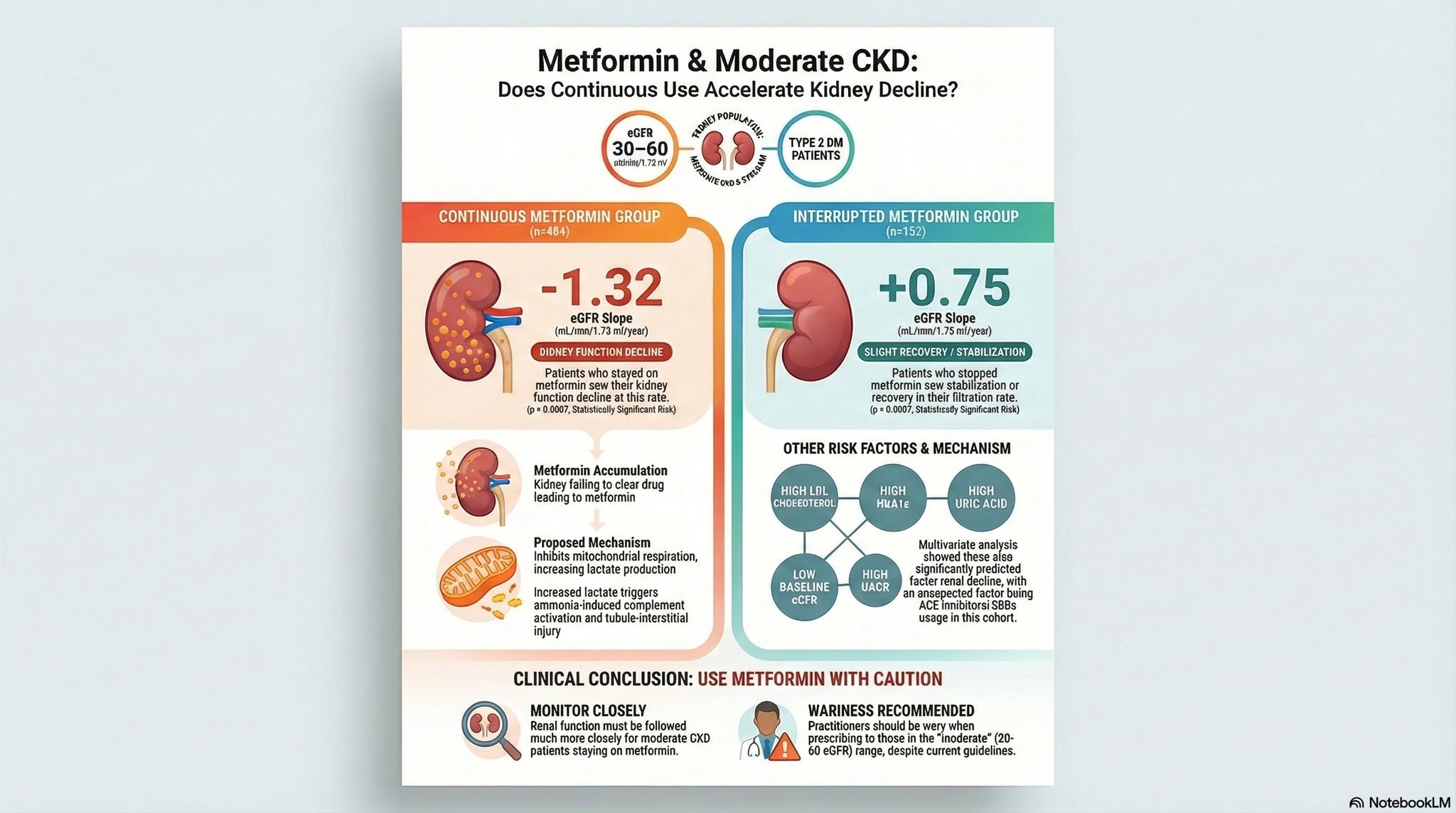
Louis shares a free editorial on metformin in CKD. Metformin was once contraindicated for fear of lactic acidosis, labels were widened in 2016 to eGFR 30-59, but guidelines still advise against it below eGFR 30, and the editorial asks whether benefits might outweigh harms.

2026 ESC guidelines: manage CVD and CKD together as one cardiorenal syndrome

Aug 30, 2026 · Louis Nervegna ♥ 5

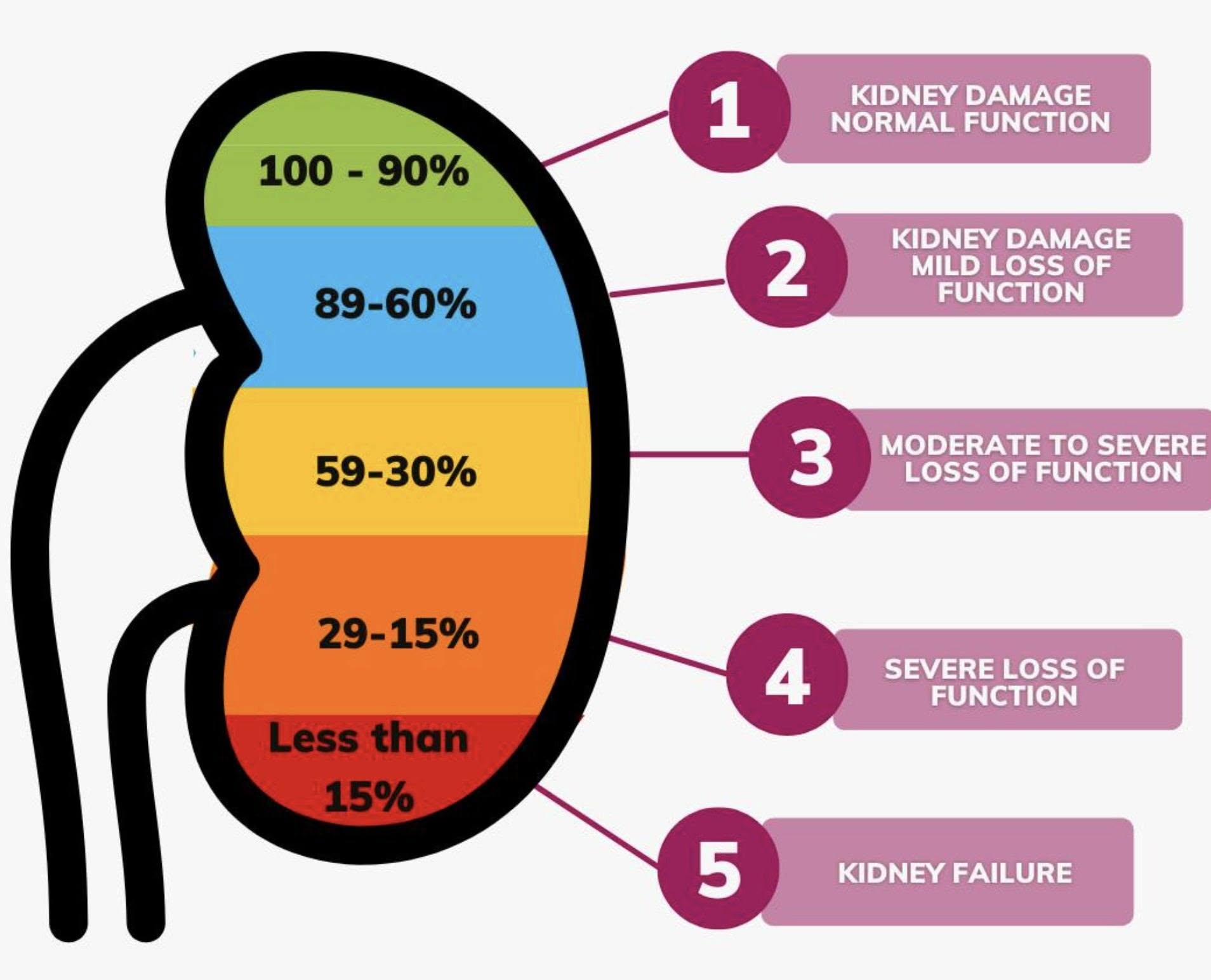
Louis shares a summary of the 2026 ESC guideline on cardiovascular disease and CKD. Key messages include managing CVD and CKD together, testing both eGFR and urinary albumin-to-creatinine ratio, treating albuminuria as a cardiovascular vital sign, and staging CKD with both measures.

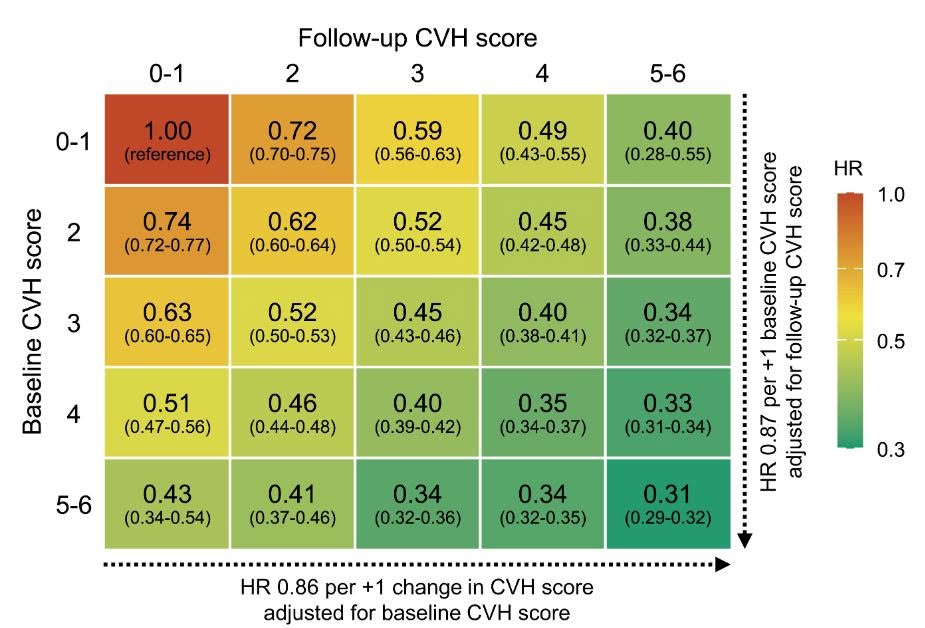
Good cardiovascular health in young adulthood lowers later risk of CVD and kidney disease

Aug 26, 2025 · Louis Nervegna ♥ 3 · 💬 1

Louis stresses that kidney and cardiovascular health are tightly linked: kidney disease raises CVD risk and protecting against atherosclerosis lowers the risk of kidney disease. The shared American Journal of Kidney Diseases study (Lee et al) found young adults with better cardiovascular health had lower later risk of both conditions, and improving or maintaining it helped.

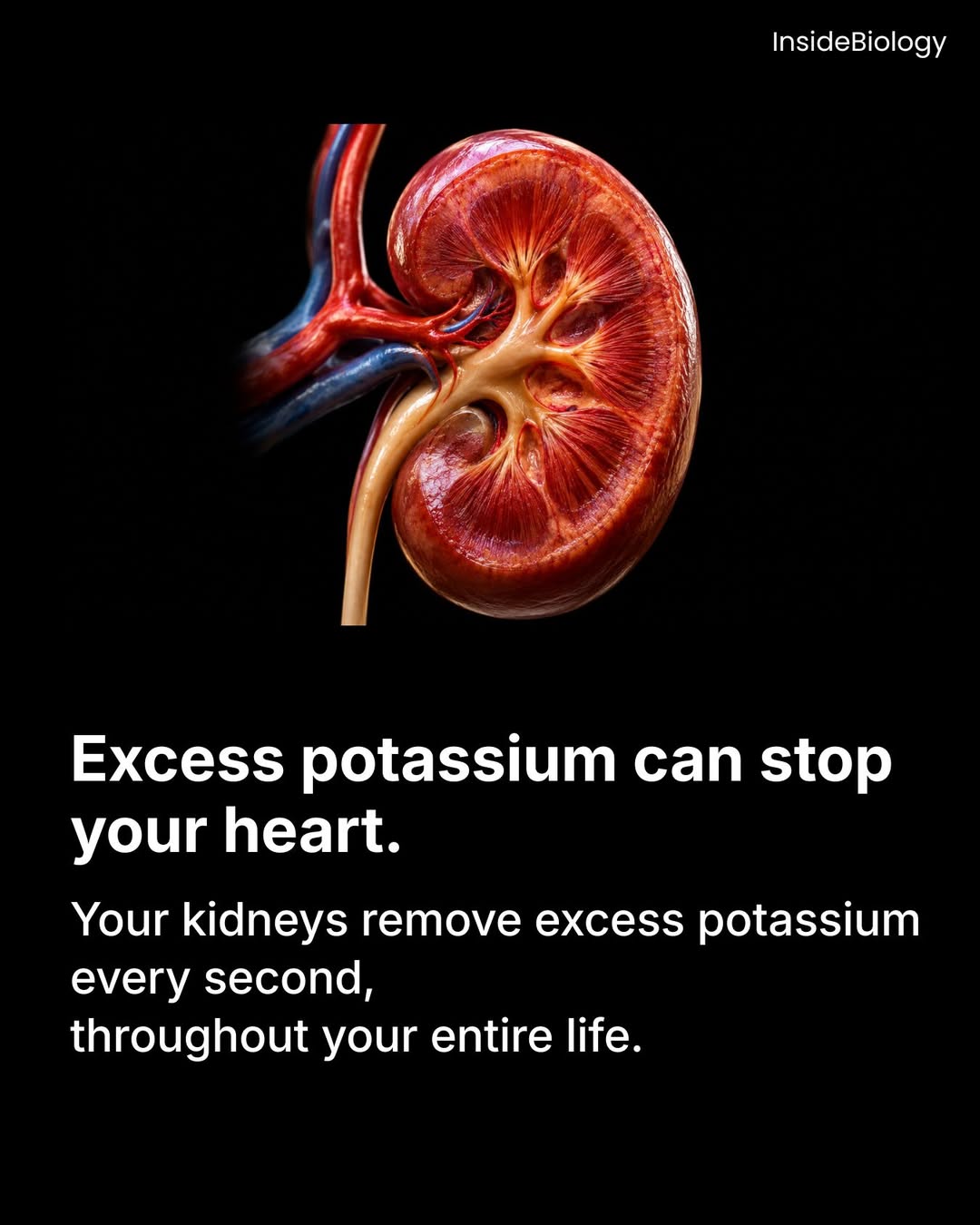
Hyperkalemia can stop the heart, so kidney disease patients must watch potassium

Nov 06, 2026 · Louis Nervegna ♥ 6

Louis notes excess blood potassium can stop the heart, which is why people with kidney problems need to be careful with dietary potassium. The shared explainer says failing kidneys let potassium accumulate, and severe hyperkalemia disrupts heart rhythm and can cause fatal arrhythmias.

Atorvastatin is generally preferred over rosuvastatin in chronic kidney disease

Dec 08, 2025 · Louis Nervegna ♥ 4 Statins

Louis shares an MRCP UK explainer on statins in CKD: atorvastatin needs no renal dose adjustment (under 2% renal excretion), while rosuvastatin is 30% renally excreted, needs dose reduction at low eGFR and can cause reversible proteinuria at high doses. KDIGO advises a statin with or without ezetimibe in CKD stages 3-5 not on dialysis.

Semaglutide REMODEL trial: 40% less albuminuria, and a calorie-restriction interpretation

Oct 01, 2026 · Louis Nervegna ♥ 1 GLP-1 drugs (semaglutide, tirzepatide)

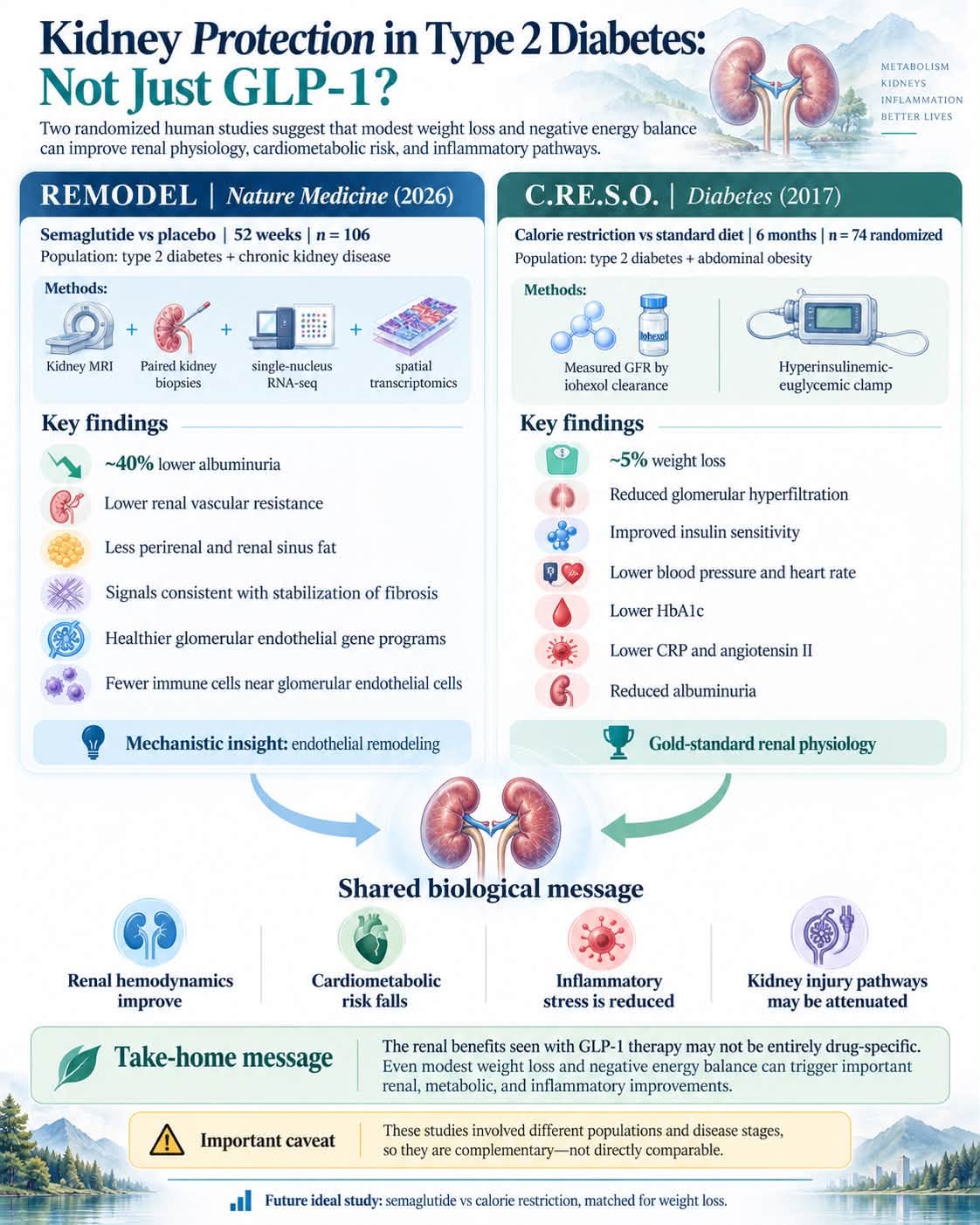
A Nature Medicine mechanistic study (REMODEL) found semaglutide in people with type 2 diabetes and chronic kidney disease cut albuminuria by 40% and reduced kidney and perirenal fat, with biopsy changes in glomerular endothelial cells. The poster argues the kidney benefit stems from negative energy balance rather than anything special about GLP-1 drugs, which simply make calorie restriction easier.