The following link bypasses the paywall:
archive.isArchived web pagearchive.isQuoted:
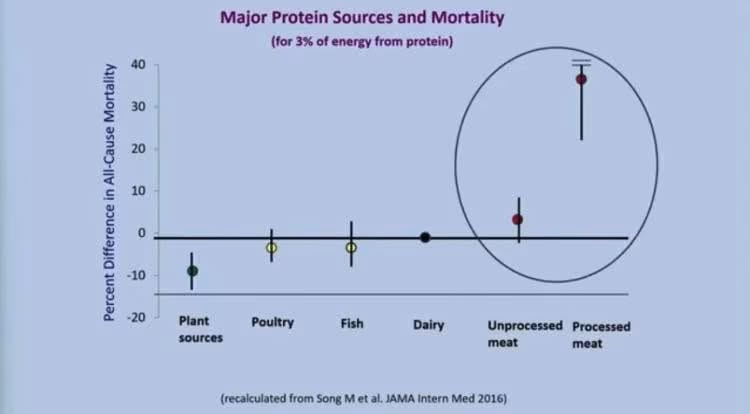
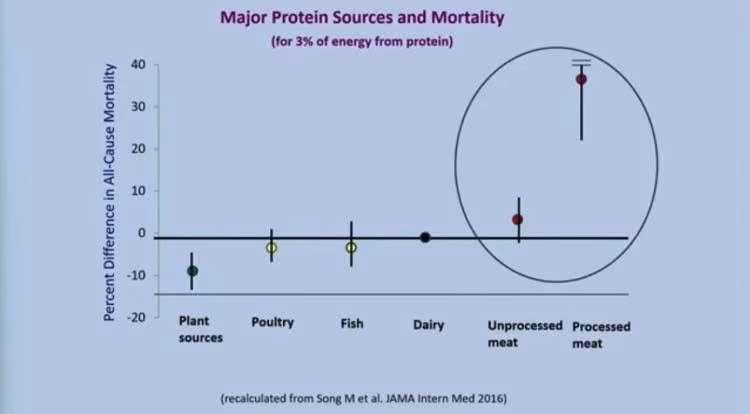
“Walter Willett, a professor of epidemiology and nutrition at the Harvard T.H. Chan School of Public Health, extends that caution to people of all ages, citing protein’s role in cell multiplication. He explains that protein — especially from animal sources, and in particular from dairy — boosts a growth-promoting hormone that makes cells multiply faster [IGF1], which is vital early in life but not necessarily later on in life.
“Overly rapid cell multiplication is one of the underlying factors for cancer,” Willett said. “It seems pretty clear that we don’t want to have our cell-growth accelerator to the floor from the day we’re born until the day we die.”
“I think a range for total protein between about 12 to 20 percent of calories is okay; pushing higher, especially with protein supplements, is certainly not necessary and has potential long-term hazards,” he said.
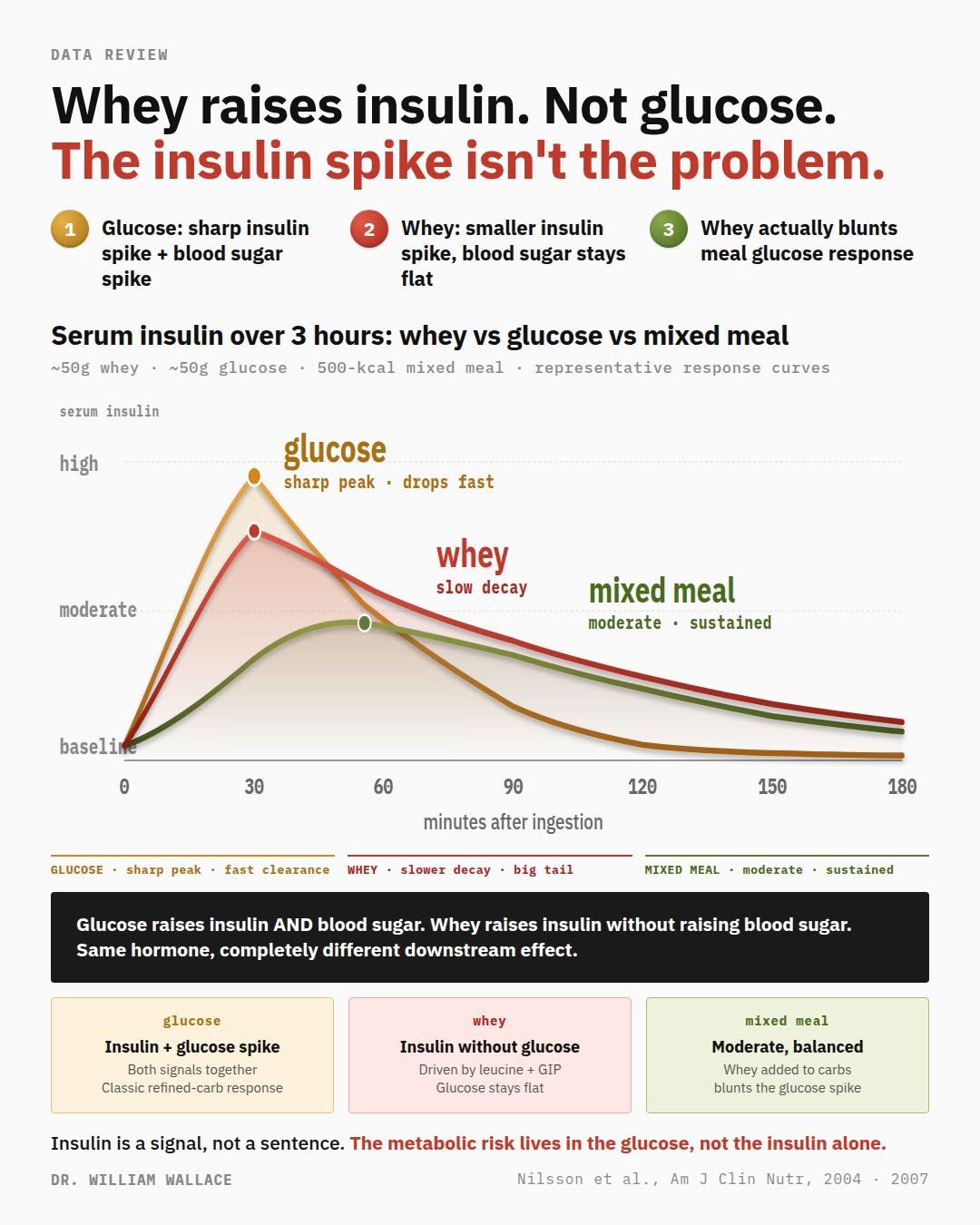
“I am particularly concerned about adding protein supplements, such as whey protein, which has a strong effect on cell multiplication,” he said, then added some practical advice: If protein is taking the place of foods high in sugar or refined starch — white bread, for example — it will benefit the body. But if it’s replacing foods rich in whole grains and healthy fats, it won’t.”
#proteinHD #proteinsummaryHD #igf1HD #wheyHD #dairyHD #harvardHD #willettHD