Link to original post:
facebook.com/share/r/1FgA8HCogb
#statinsHD #strokeHD #brainHD #neurosurgeryHD #statinsdementiaHD
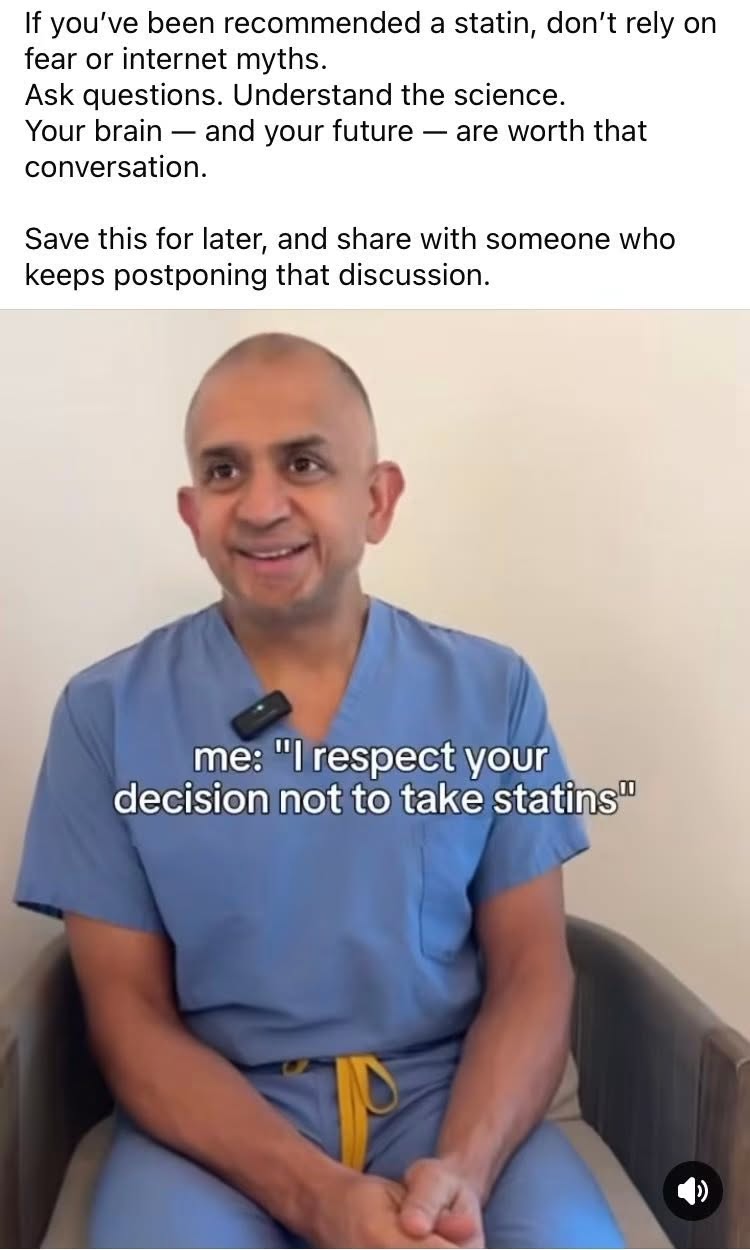
Link to original post:
facebook.com/share/r/1FgA8HCogb
#statinsHD #strokeHD #brainHD #neurosurgeryHD #statinsdementiaHD
Louis explains the blood-brain barrier and cholesterol: the brain makes its own cholesterol separately from blood, so non-statin LDL drugs and hydrophilic statins like rosuvastatin have little brain effect. Lipophilic statins do enter the brain, with promising observational data against Alzheimer's, and a 20,000-person atorvastatin trial is under way. Two prior trials showed statins do not worsen existing Alzheimer's, and midlife high LDL is a leading modifiable dementia risk (2024 Lancet Commission, about 7% of US cases per Louis).
Summary of a Dr Brad Stanfield video linking high blood pressure to dementia. Citing SPRINT and a follow-up study, it says lowering systolic pressure below 120 reduces heart attacks, strokes, death and dementia, and recommends salt under 1500 mg/day, the DASH diet, exercise, weight control and medication when needed.
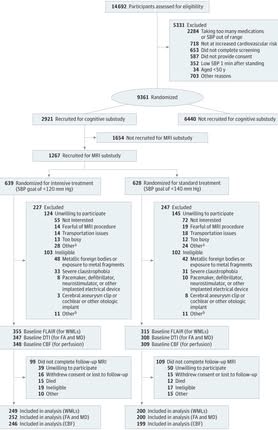
Quotes follow-up analyses of the SPRINT trial comparing a systolic target under 120 with under 140 mm Hg. Intensive treatment was projected to add 2.9 years of survival from age 50 and was linked to fewer white matter lesions and better blood flow, markers of better brain health.
A neurosurgery practice post explains strokes often arise from silent atherosclerosis, higher LDL is associated with ischemic stroke, and lipid control and lifestyle support vascular health. General information.
Louis flags a news report that the sweetener erythritol may damage the blood-brain barrier. He notes earlier observational work from Stanley Hazen's Cleveland Clinic group linked erythritol to higher stroke risk.
Louis shares a Tufts Friedman School post on B vitamins and cognitive decline, dementia, stroke risk and inflammation. It has no figures.