HD-OPM Archive
Topics › Aspirin, antiplatelets & blood thinners

Aspirin blocks platelet TXA2 suppression of T cells and reduces metastasis in mice

Louis Nervegna · Dec 07, 2025 · ♥ 18 reactions · 4 comments · original Facebook post
Aspirin, antiplatelets & blood thinnersCancer
AI summary & key facts

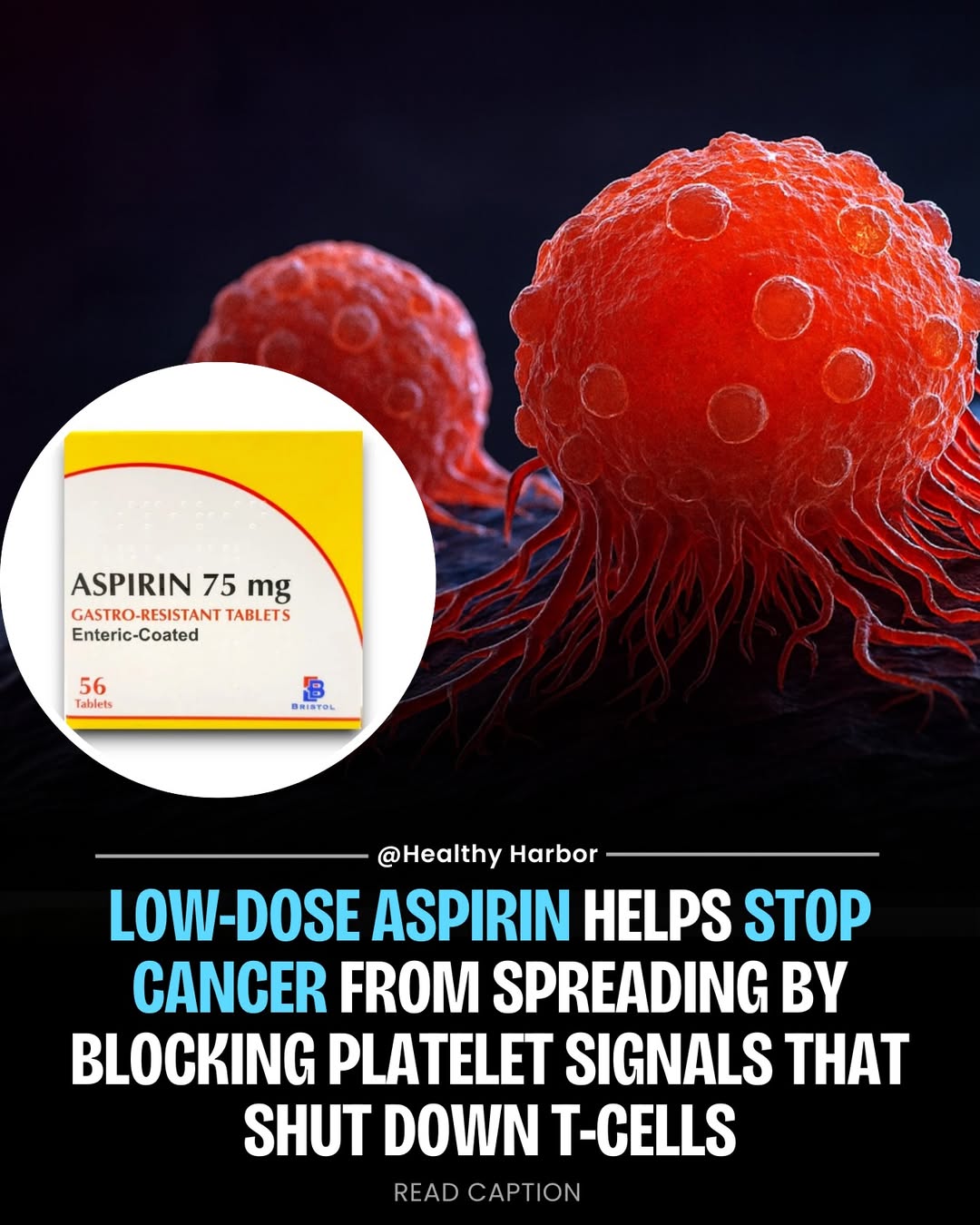
Louis shares a 2025 Nature study showing that platelet-derived thromboxane A2 binds CD8+ T cells and, via ARHGEF1, weakens their anti-tumor activity. Aspirin or COX-1 inhibitors lifted this and reduced metastatic burden in mouse melanoma and lung models, only in animals with intact T-cell immunity, suggesting a mechanism for aspirin's apparent cancer protection.

This may be one of the mechanisms by which aspirin seems to reduce the risk of certain cancers, particularly colon cancer.

Link to full study, published in Nature:

Paper · Nature · 2025Aspirin prevents metastasis by limiting platelet TXA2 suppression of T cell immunityMetastasis is the spread of cancer cells from primary tumours to distant organs and is the cause of 90% of cancer deaths globally 1,2 . Metastasizing cancer cells are uniquely vulnerable to immune attack, as they are initially deprived of the immunosuppressive microenvironment found within established tumours 3 . There is interest in therapeutically exploiting this immune vulnerability to prevent recurrence in…nature.com

#aspirinHD #cancerHD #coloncancerHD

Research cited

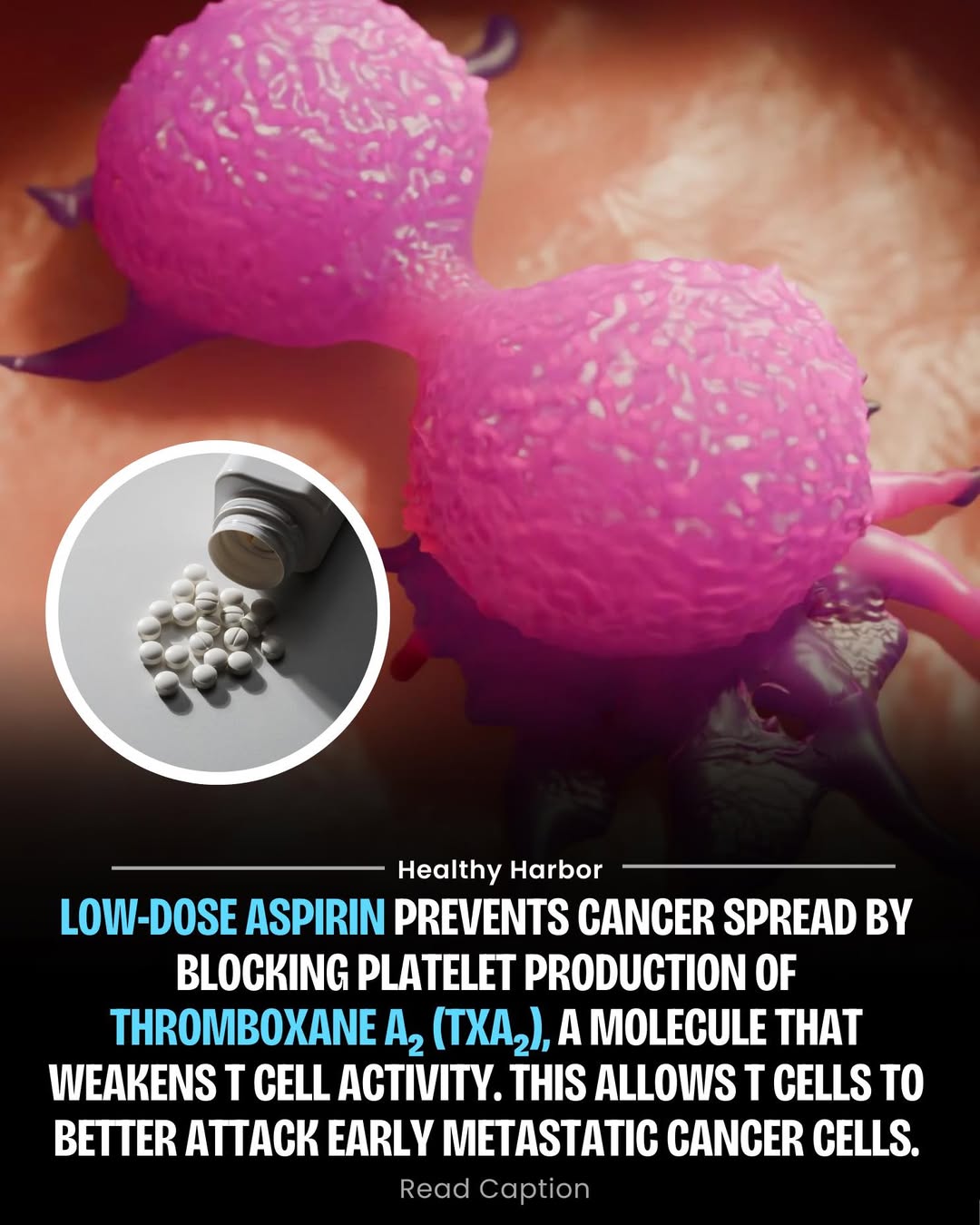
In a 2025 experimental study published in Nature, researchers demonstrated that aspirin suppresses cancer metastasis by blocking a platelet-derived molecule called thromboxane A2 (TXA2), which normally shuts down anti-tumor T-cell activity. The study showed that platelets release TXA2 into the circulation, where it binds to receptors on CD8+ T cells and activates an intracellular suppressor protein called ARHGEF1. This signaling pathway directly weakens T-cell receptor kinase activation, reduces cytokine release, and suppresses the ability of T cells to recognize and kill circulating tumor cells during the metastatic phase.

Using multiple mouse models of melanoma and lung cancer, the researchers showed that genetic deletion of ARHGEF1 in T cells caused a dramatic increase in T-cell activation at metastatic sites and led to immune-mediated rejection of lung and liver metastases. When aspirin or selective COX-1 inhibitors were given, platelet COX-1 activity was irreversibly blocked, TXA2 production fell sharply, and T-cell suppression was lifted. This restored cytotoxic T-cell function and resulted in a major reduction in metastatic burden—but only in animals with intact T-cell immunity, proving the effect is immune-driven rather than a direct tumor-killing action of aspirin.

Crucially, the anti-metastatic effect of aspirin completely disappeared in animals lacking functional T cells or in models where ARHGEF1 signaling could not be engaged, confirming that aspirin works by releasing T cells from platelet-mediated immune paralysis. The study provides a precise biological explanation for decades of clinical observations linking low-dose aspirin to reduced cancer spread and mortality. It also establishes the platelet TXA2–COX-1–ARHGEF1 axis as a newly validated immune-suppressive checkpoint that could be targeted to enhance future anti-metastatic immunotherapies.

No photo description available.
← newer: US labels can show 0 g trans fat when under 0.5 g per servinolder: Tirzepatide shrank breast tumors in obese mice, tracking bod →