Aspirin is an immune-modulating agent, not just an anti-inflammatory or anticoagulant.
#aspirinHD #cancerHD
For decades, we’ve known that aspirin reduces cancer metastasis.
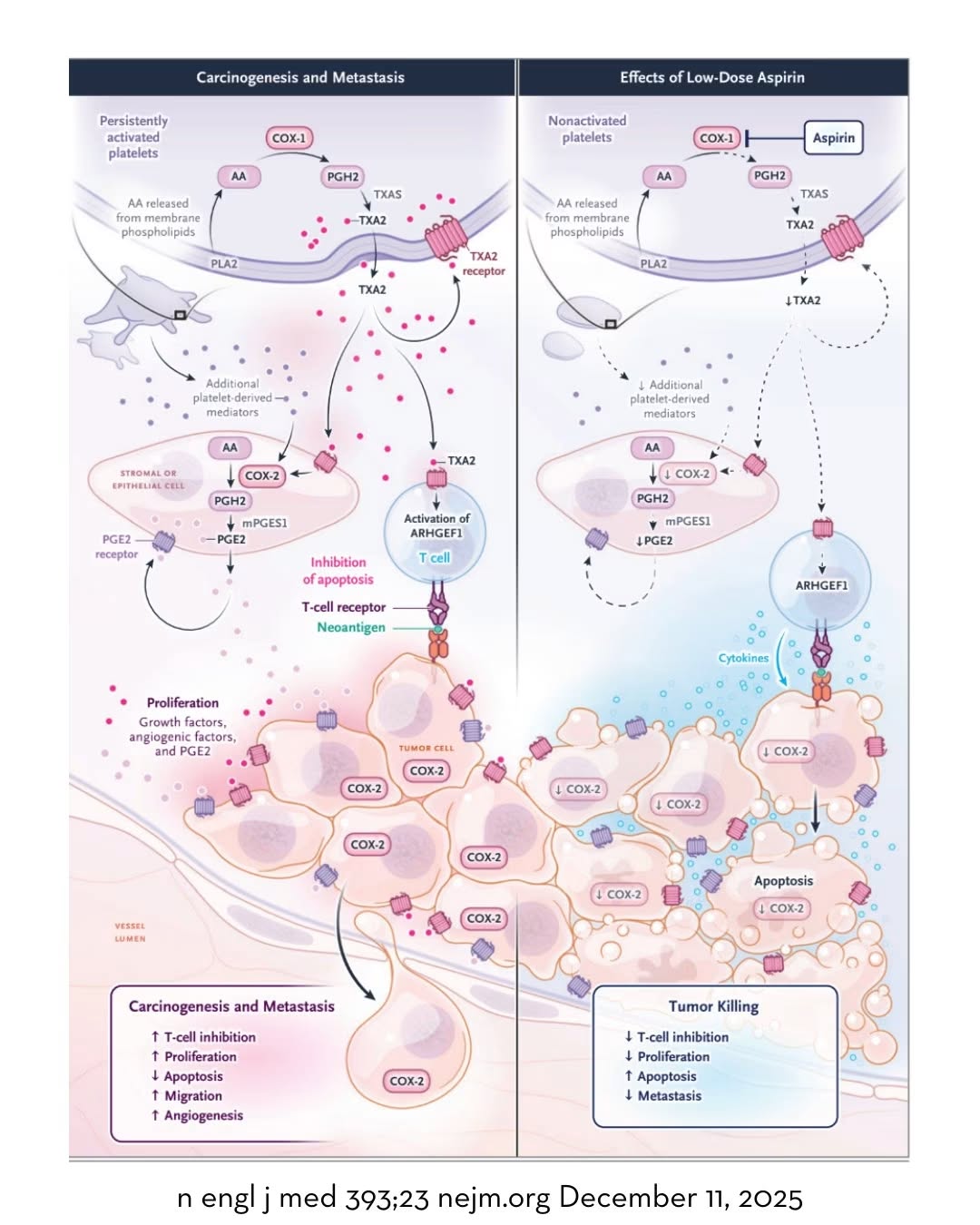
This new NEJM analysis brings the mechanism into focus. It shows that aspirin’s antimetastatic effects are not about pain or inflammation alone. They hinge on platelets, immune suppression, and T-cell function.
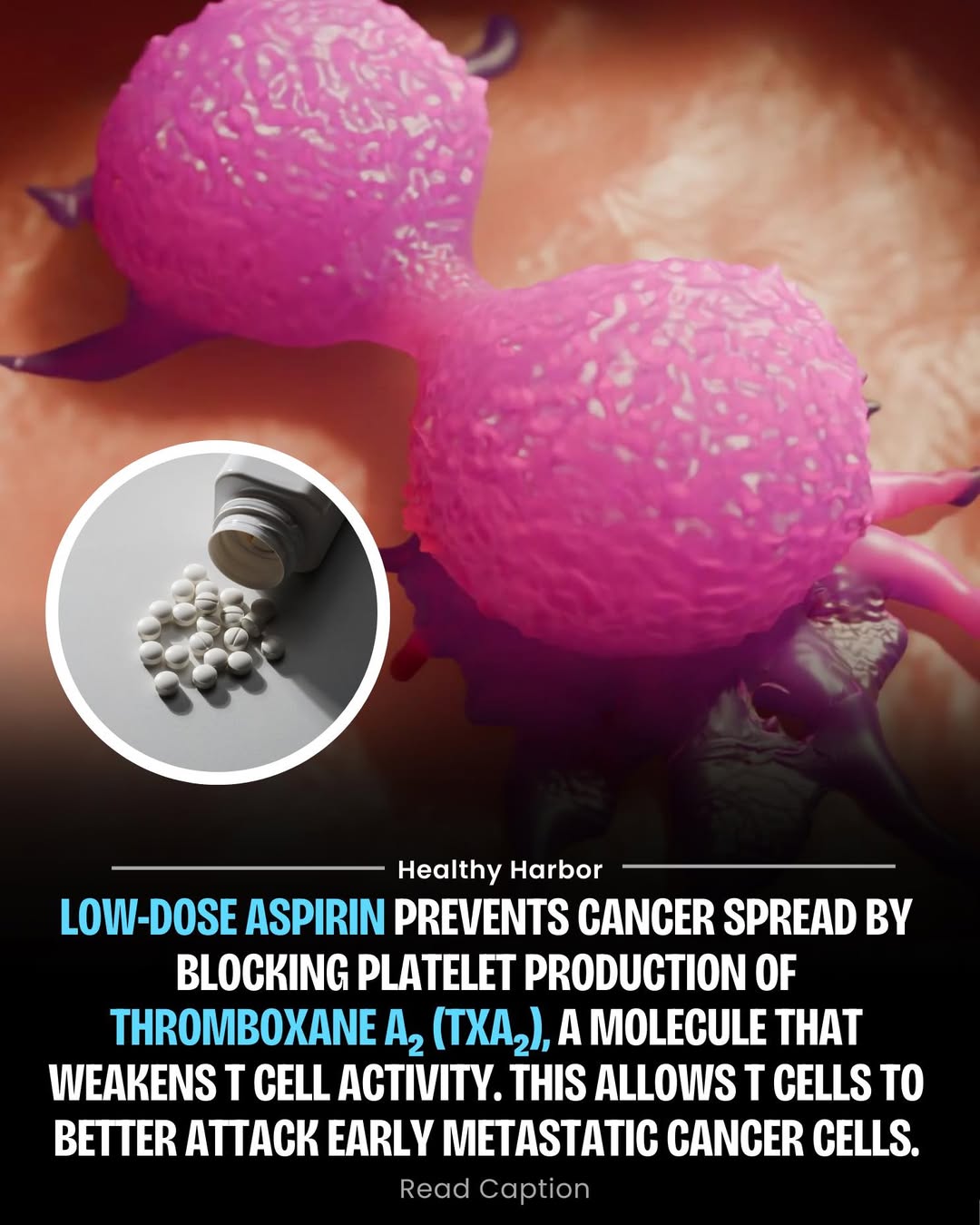
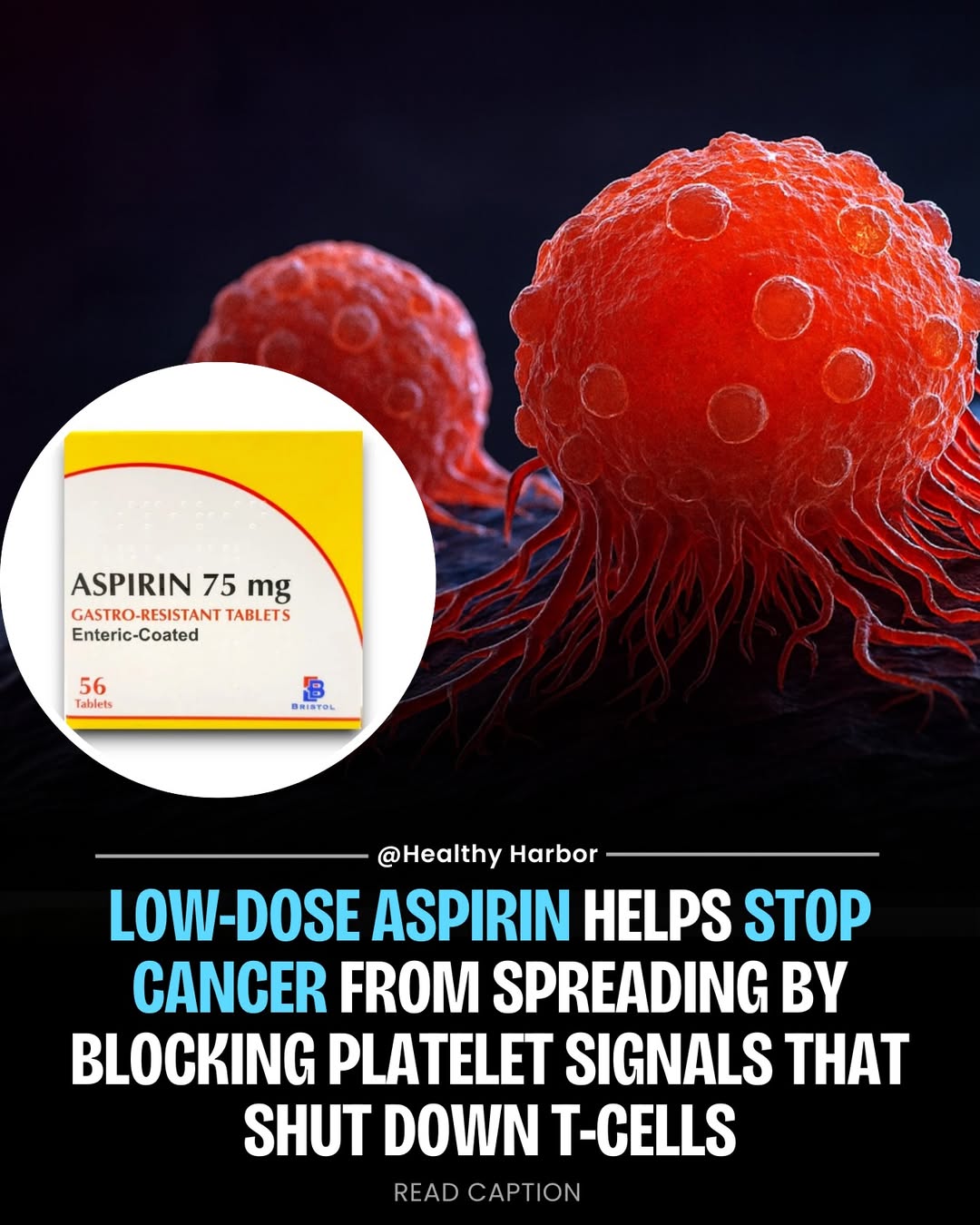
Activated platelets release thromboxane A₂, which turns on an immunosuppressive pathway inside T cells. That pathway blocks immune surveillance and allows metastatic cells to survive. Low-dose aspirin interrupts this process by irreversibly inhibiting platelet COX-1, reducing thromboxane signaling and restoring T-cell–mediated tumor control.
This matters because it reframes aspirin as an immune-modulating intervention, not simply an anti-inflammatory drug. It also helps explain why benefits are seen at low doses, why timing matters, and why effects appear strongest in immunogenic tumors.
This is not a recommendation for aspirin use. It is a reminder that basic biology still holds powerful answers, and that some of our oldest tools may work through mechanisms we are only now beginning to understand.
When we understand mechanism, we practice with more precision.
N Engl J Med 2025;393:2368-2371
DOI: 10.1056/NEJMcibr2502386
#FunctionalMedicine #CancerBiology #Immunology #LongevityMedicine #ClinicalResearch
According to the article’s disclosures, the authors report their funding and competing interests in accordance with NEJM policy, with no industry sponsorship or conflicts of interest highlighted in the publication.