HD-OPM Archive
Topics › Gut microbiome

Case report: major Alzheimer's symptom improvement after fecal microbiota transplantation

Louis Nervegna · Jan 02, 2026 · ♥ 43 reactions · 21 comments · original Facebook post
Gut microbiomeBrain health & dementia
AI summary & key facts

Louis shares a case report of an 82-year-old man with Alzheimer's whose cognition improved rapidly after FMT. A single case cannot show effectiveness.

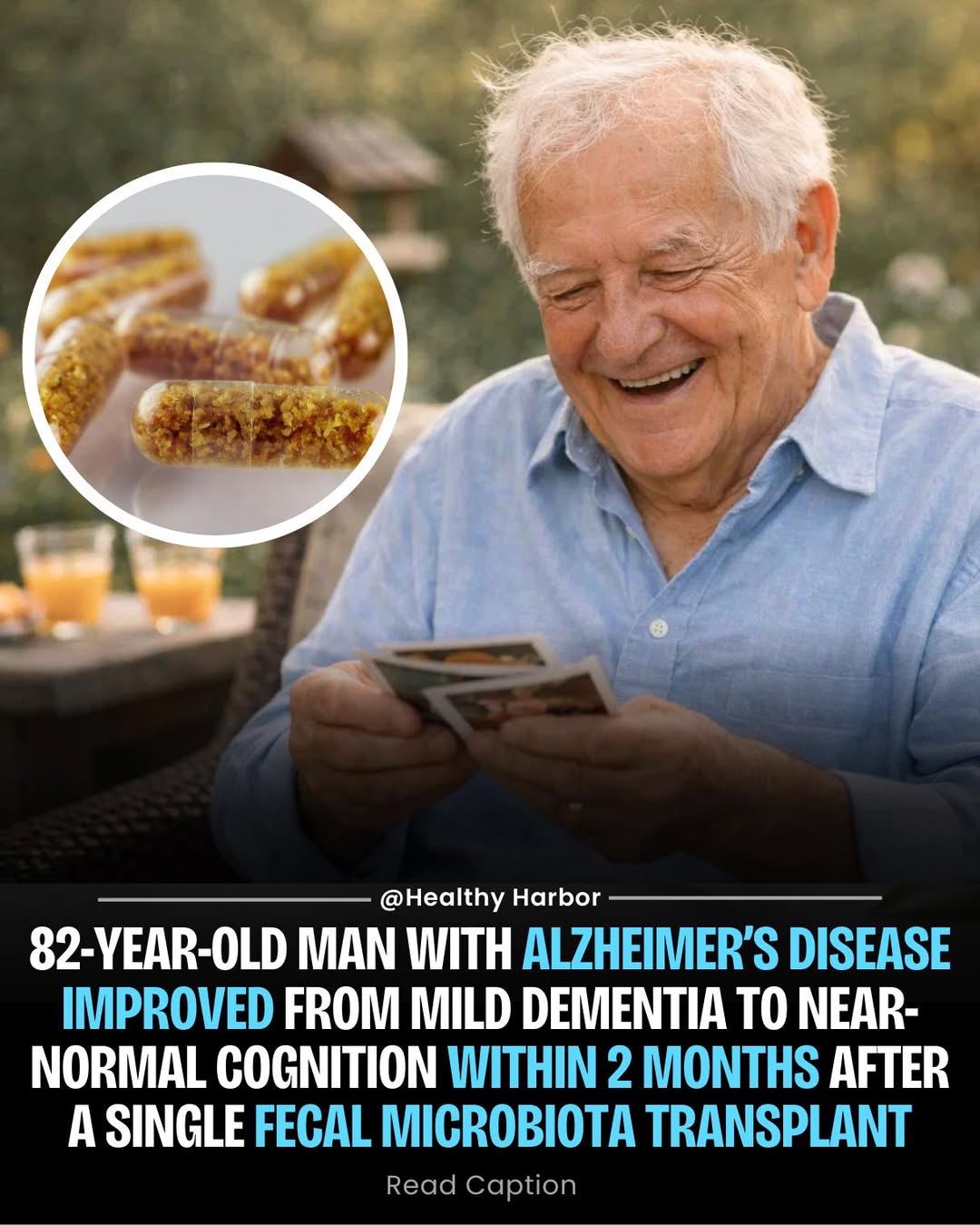
A documented case of a major reversal of Alzheimer’s disease from a fecal microbiota transplant.

Link to journal paper:

Paper · J Int Med Res · 2020Rapid improvement in Alzheimer's disease symptoms following fecal microbiota transplantation: a case report.Alzheimer's disease (AD), the most common form of dementia, is a leading cause of death and a major cause of morbidity in older people. The disease is characterized by progressive memory loss, cognitive impairment, and the cerebral accumulation of amyloid-β peptide. Given the health and economic impacts of AD, treatments that target the underlying etiology of AD or modify the course of the disease are of significant…pmc.ncbi.nlm.nih.gov
#alzheimersHD #dementiaHD #microbiomeHD

Research cited

A published medical case report described an 82-year-old man with Alzheimer’s disease who had experienced a steady cognitive decline for five years. At baseline, his Mini-Mental State Examination (MMSE) score was 20/30, consistent with mild dementia. His symptoms included memory loss, confusion, low mood, and reduced social engagement. He was taking standard Alzheimer’s medications (donepezil and memantine), which had not stopped disease progression. He later underwent a single fecal microbiota transplant (FMT) using stool from his cognitively healthy wife — the procedure was performed to treat recurrent Clostridioides difficile infection, not dementia.

Two months after the FMT, clinicians documented a marked cognitive change: his MMSE score increased to 26, placing him back in the normal range. By six months, his score further improved to 29, with sustained gains in memory, mood, and social interaction. Notably, he was again able to remember his daughter’s birthday, engage more actively in conversations, and show improved affect. No Alzheimer’s medications were changed during this period, leading the authors to suggest that altering the gut microbiome may have directly influenced brain function via the gut–brain axis, while emphasizing this was a single human case report, not a proven treatment.

PMID: 32600151

No photo description available.
← newer: Dysfunctional autophagy is tied to CVD and aging, and mTOR iolder: Commentary on a public figure's CT angiogram and 325 mg dail →