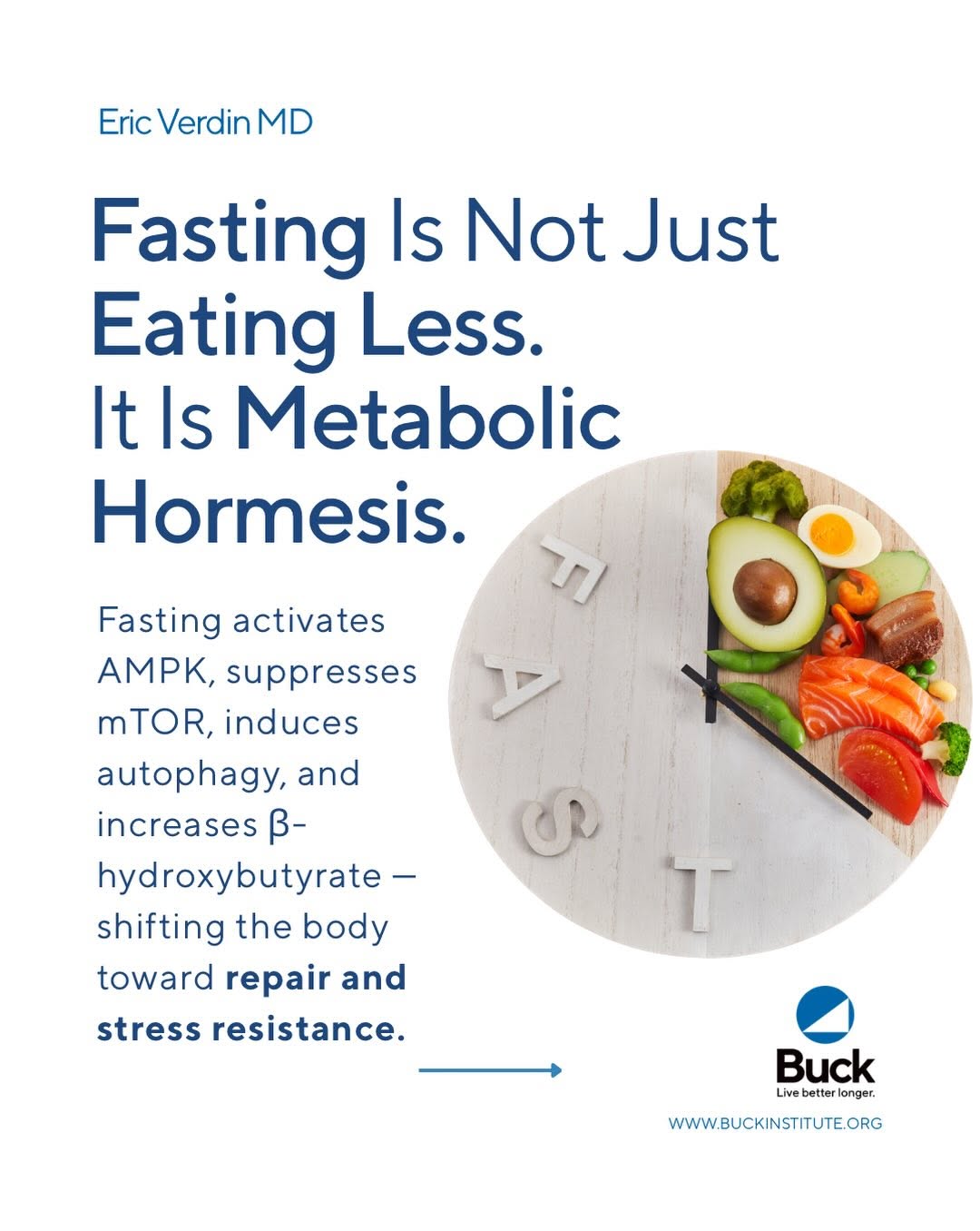
We now know that disfunctional autophagy plays a role in almost every major disease, including CVD and the aging process itself.
We need properly functioning autophagy to stay healthy as we get older.
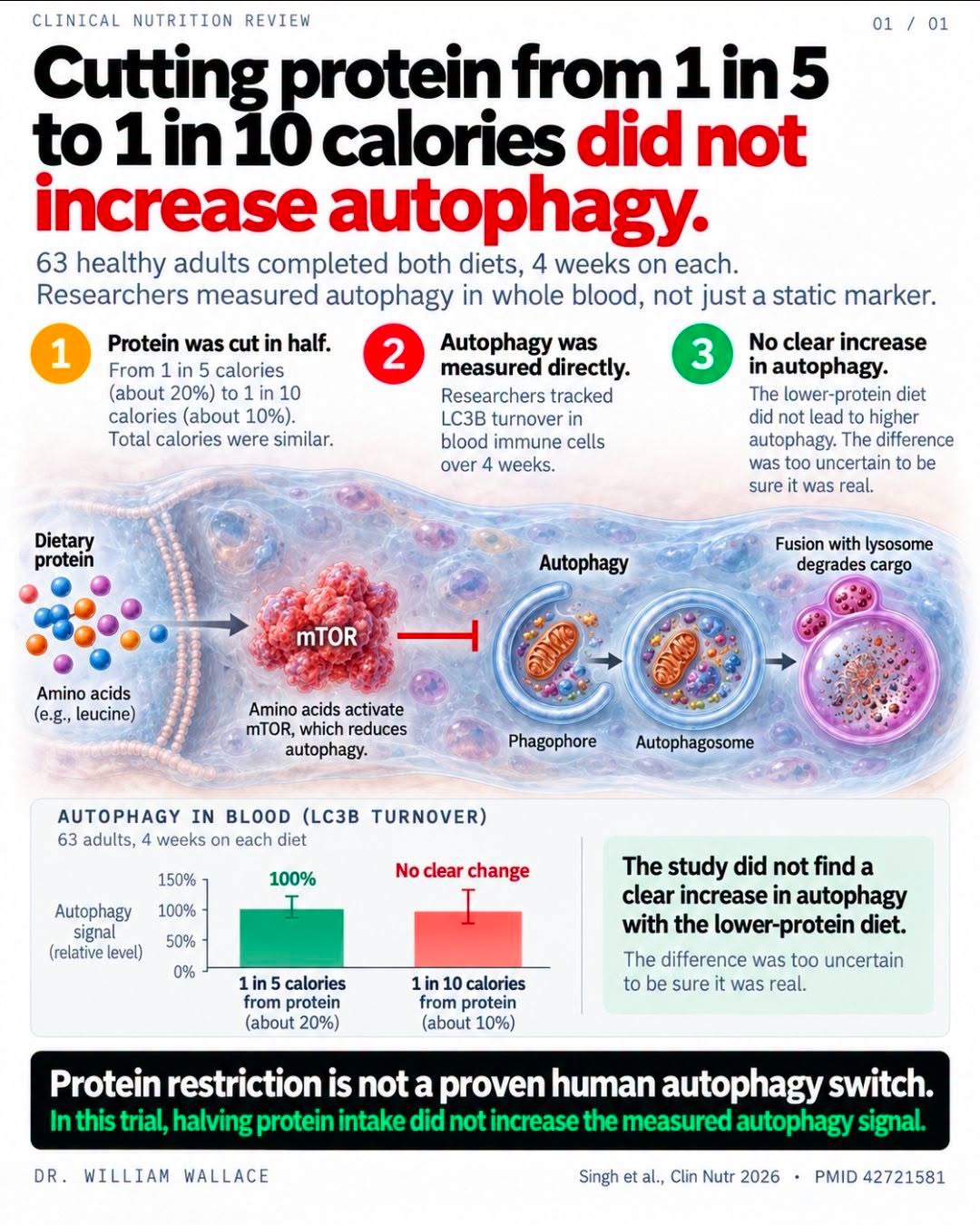
The master switch that controls autophagy is the mTOR pathway. Too much mTOR shuts off autophagy.
The mTOR pathway is largely controlled by diet. For example, eating too many calories shuts off autophagy. See this post: ↪ Sabatini on diet and mTOR: limit amino acids and insulin; ~18 h fasting may inhibit mTORC1.
#autophagyHD #mtorHD
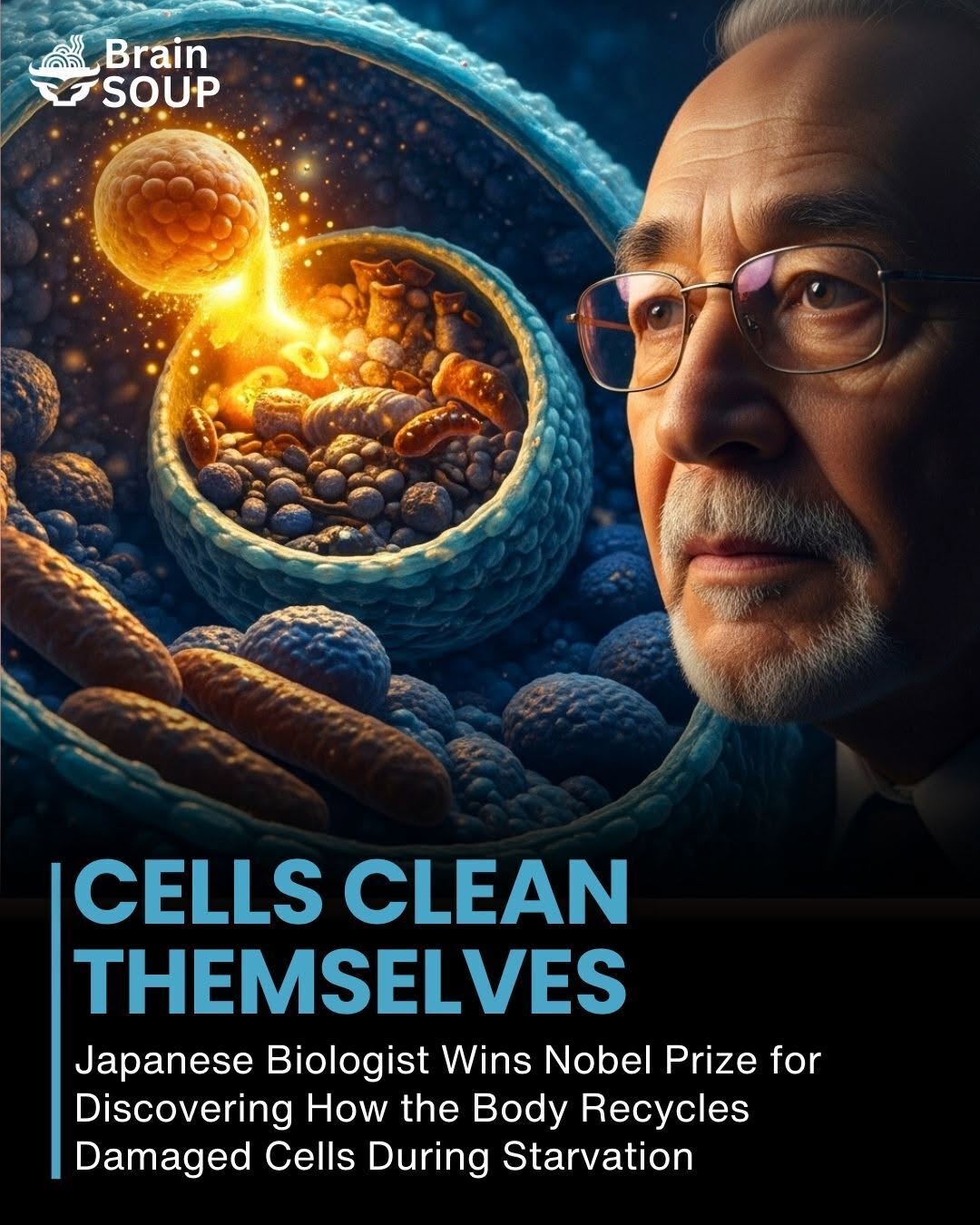
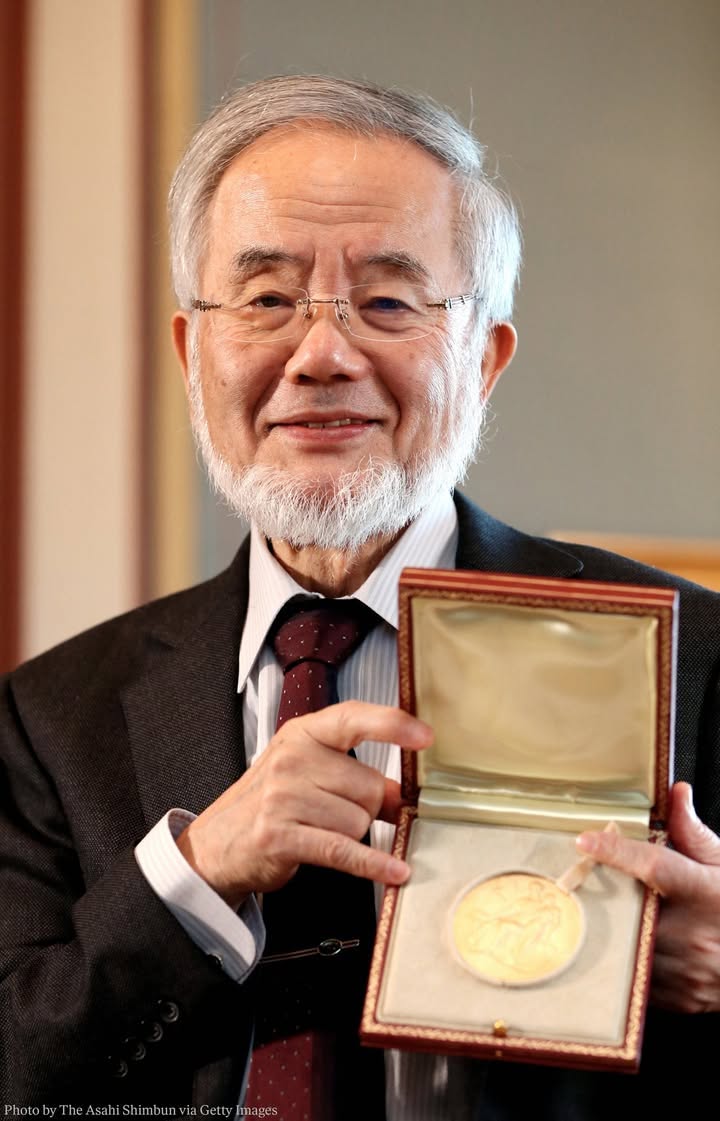
A Japanese biologist changed how science understands survival at the cellular level by discovering how the body breaks down and recycles its own damaged cells during periods without food. This process, known as autophagy, earned Yoshinori Ohsumi the Nobel Prize in Physiology or Medicine and reshaped modern biology.
Autophagy is the body’s internal recycling system. When nutrients are scarce, cells do not simply shut down. Instead, they begin identifying damaged or unnecessary components and break them down into usable energy and building blocks. This allows cells to survive stress, maintain balance, and function efficiently even during fasting or low energy states.
Ohsumi made this discovery by studying yeast cells, which share many biological mechanisms with human cells. He identified the specific genes responsible for initiating and regulating autophagy. His work proved that this process is not random but highly organized and essential for health.
Scientists later confirmed that autophagy plays a critical role in humans. It helps protect against neurodegenerative diseases, supports immune defense, slows cellular aging, and reduces the buildup of toxic proteins. Impaired autophagy has been linked to conditions such as cancer, Parkinson’s disease, diabetes, and infections.
#Brainsoup #fblifestyle #NobelPrize #MedicalScience