HD-OPM Archive
Topics › Nutrition

Fasting & meal timing

36 posts (26 primarily about this topic) · 5 reposts and set-aside posts not shown

Start here — the best posts in this topic

  1. Can fasting reverse plaque? Autophagy makes it plausible but evidence is indirect Jun 29, 2026
  2. Autophagy may help explain how major weight loss reverses soft plaque ↩ 1 · Jun 29, 2025
  3. Fasting is the most effective way to generate ketones, without eating a keto diet ↩ 1 · Dec 14, 2024
  4. Why the LMHR phenotype happens: starvation-like physiology in lean keto dieters ↩ 9 · Jan 25, 2024
  5. 8-hour time-restricted eating improved glucose control in prediabetes, early or late Sep 11, 2024
  6. Dysfunctional autophagy is tied to CVD and aging, and mTOR is its master switch Jan 02, 2026
  7. Stanford finds BHB-amino acids, a new keto metabolite family that suppresses appetite Nov 25, 2024
  8. Sabatini on diet and mTOR: limit amino acids and insulin; ~18 h fasting may inhibit mTORC1 ↩ 3 · Dec 09, 2024
#fasting 33#mtor 10#weightloss 10#autophagy 9#calorierestriction 8#tre 6#diabetes 5#valterlongo 4#keto 4#breakfast 4#glucose 4#aging 4#longevity 4#muscle 3#insulinresistance 3#liverfat 3#visceralfat 3#reverse 2#ketosis 2#apoe4 2#hypothyroidism 2#ldl 2#lmhr 2#lmhrwhy 2#starvation 2#testosterone 2#aminoacids 2#protein 2#rapamycin 2#satchinpanda 2#microbiome 2#snacking 2#liverfatsummary 2#pancreasfat 2#brain 2#glp1 2#plaque 1

Can fasting reverse plaque? Autophagy makes it plausible but evidence is indirect

Jun 29, 2026 · Louis Nervegna ♥ 23 · 💬 14

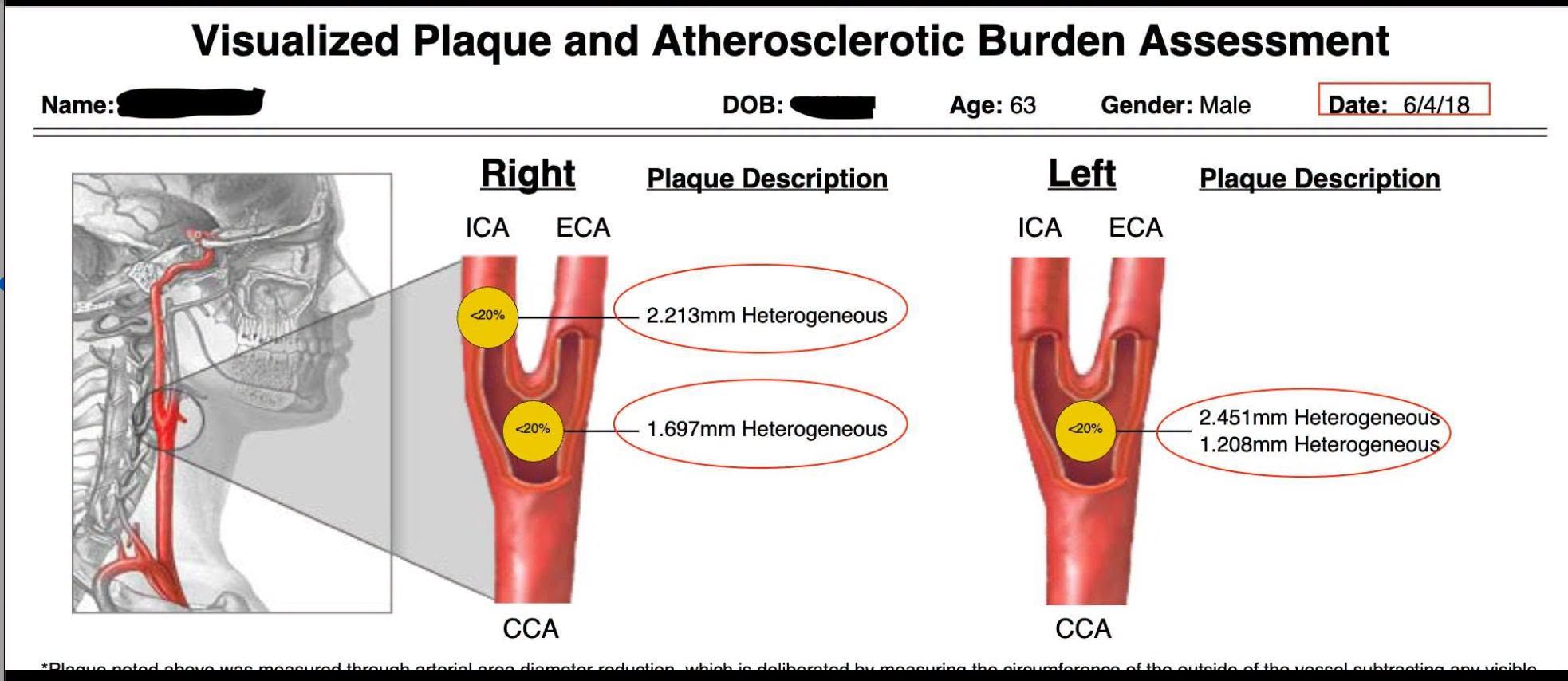
Louis argues there is biological plausibility that fasting could clear damaged arterial tissue via autophagy, linking earlier posts. He cites the 2010 DIRECT-Carotid trial showing large weight loss can regress carotid atherosclerosis, and a shared post on a Nature Metabolism 7-day fast study in 12 people with a day-3 shift in about 1,000 proteins. Direct evidence for plaque reversal by fasting is anecdotal.
Fasting is the most effective way to generate ketones, without eating a keto diet

Dec 14, 2024 · Louis Nervegna ♥ 19 · 💬 15 ↩ 1

Louis argues fasting is the best way to produce ketones, since calorie-restricting fasting extends lifespan in nearly every animal species tested and helps control weight. If ketones protect against heart disease (unproven but plausible), fasting offers the benefit without force-feeding unhealthy food.

Why the LMHR phenotype happens: starvation-like physiology in lean keto dieters

Jan 25, 2024 · Louis Nervegna ♥ 10 · 💬 11 ↩ 9 Low-carb, keto & carnivore

Louis proposes that the lean mass hyper-responder (LMHR) pattern, with extremely high LDL-C on keto/carnivore diets, reflects an ancient starvation response described in calorie-restriction literature. With near-zero body fat and no carbohydrate, the body acts as if starving, raising circulating LDL to deliver fat as fuel, lowering leptin, LDL receptors and thyroid and sex hormones. He links a trial showing fasting raised LDL and ApoB in healthy non-obese people, and cautions that overdoing restriction is the danger. This is a hypothesis, not proof of harm or safety.

8-hour time-restricted eating improved glucose control in prediabetes, early or late

Sep 11, 2024 · Louis Nervegna ♥ 13 · 💬 8

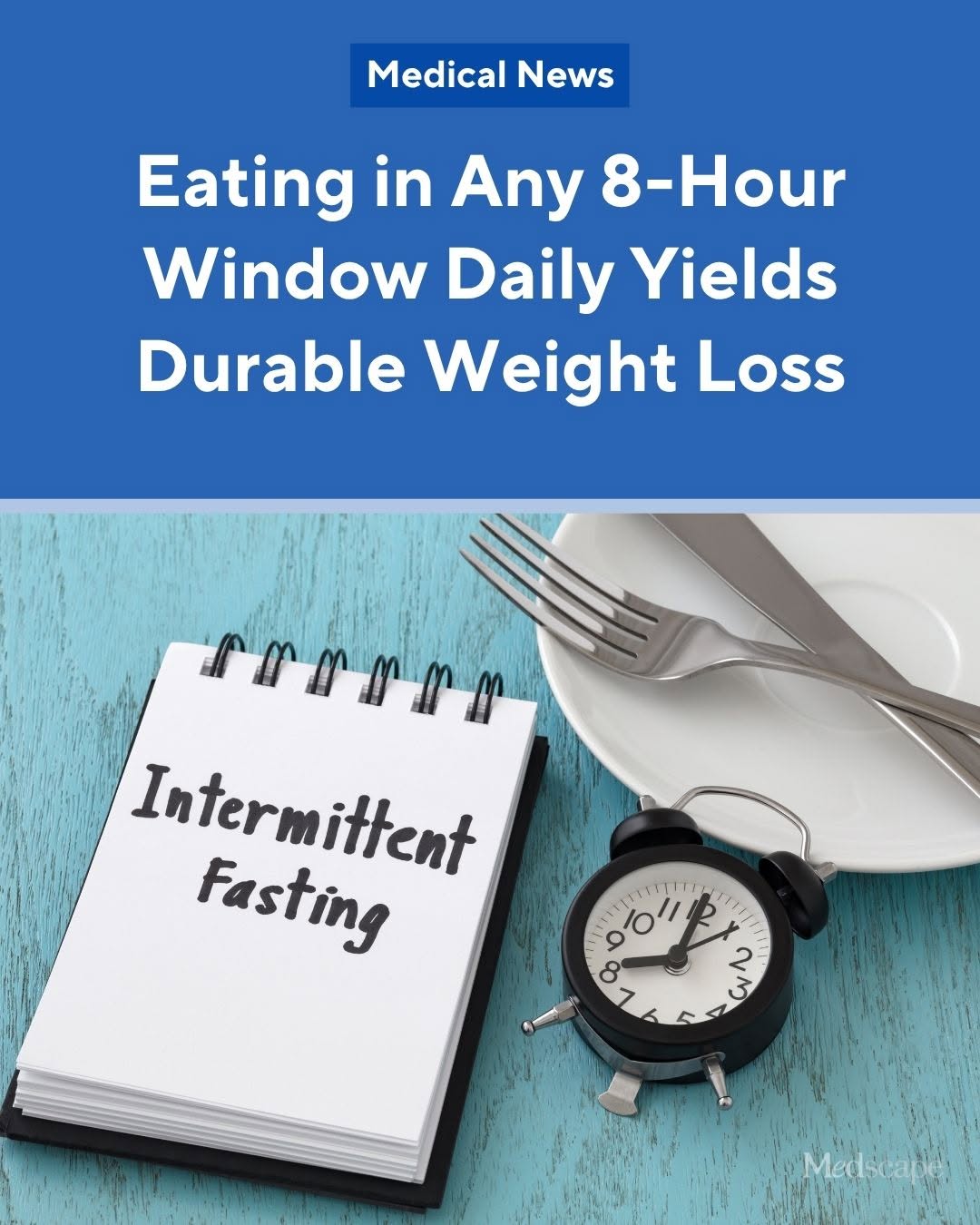
Louis shares a randomized crossover trial presented at EASD showing that restricting eating to eight hours a day improved time in normal glucose range and reduced glucose fluctuations in adults at risk of type 2 diabetes. Timing of the window (early or late) made no extra difference, and benefits appeared within three days. The authors attribute it to the 16-hour fast, not timing or calorie change.

Sabatini on diet and mTOR: limit amino acids and insulin; ~18 h fasting may inhibit mTORC1

Dec 09, 2024 · Louis Nervegna ♥ 10 · 💬 11 ↩ 3 Aging & longevity

Louis shares notes on a David Sabatini interview about how diet affects mTOR and autophagy. Sabatini suggests low amino acid or low carbohydrate diets lower mTOR, favors a higher-carbohydrate diet of low-glycemic carbs, and thinks mTORC1 senses total daily insulin. He guesses about 18 hours of fasting inhibits mTORC1, while stressing nobody has all the answers.

Satchin Panda: wait 2 hours after waking to eat; finish dinner 3 hours before sleep

Mar 20, 2024 · Louis Nervegna ♥ 13 · 💬 8

Louis summarizes meal-timing advice from circadian researcher Satchin Panda for glucose control. Delay breakfast at least two hours after waking because the pancreas regulates insulin poorly then, and eat the last large meal at least 3 hours before sleep since melatonin begins rising about 3 hours before bedtime and inhibits insulin secretion. This is expert advice from a podcast clip rather than a cited trial.

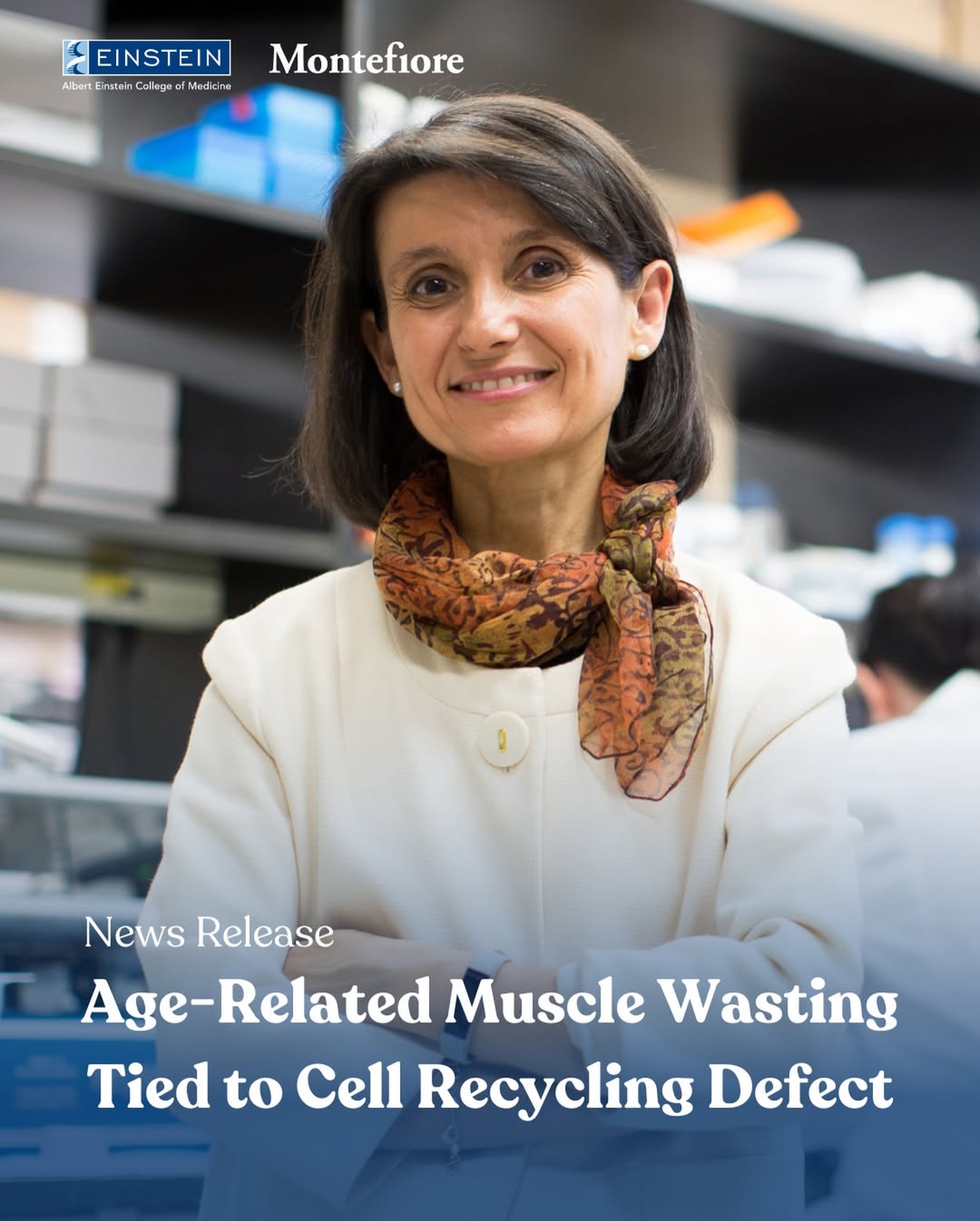
Muscle aging involves falling chaperone-mediated autophagy; fasting and exercise raise it

Dec 08, 2025 · Louis Nervegna ♥ 12 · 💬 7 ↩ 1 Aging & longevity

Louis shares two Nature Metabolism papers from Ana Maria Cuervo's group showing chaperone-mediated autophagy declines with age in muscle and that restoring it improved strength and regeneration in aging mice. He notes fasting and resistance training increase CMA, rapamycin activates it and excess high-quality protein inhibits it, and ties it to heart muscle.

Why LMHR happens: starvation-like physiology in very lean people on keto raises LDL

Jul 23, 2024 · Louis Nervegna ♥ 14 · 💬 4 LDL, ApoB & lipid panel

Reposting his earlier explanation, Louis argues that the lean mass hyper-responder phenotype reflects an old starvation response: with near-zero body fat, no carbohydrate and constant ketosis, the body raises circulating LDL to deliver fat as fuel, while lowering thyroid function and sex hormones. He links to a paper showing fasting increases total cholesterol, LDL-C and apoB in healthy nonobese humans.

Delaying breakfast to midday lowered post-meal glucose in type 2 diabetes (crossover RCT)

Dec 27, 2024 · Louis Nervegna ♥ 10 · 💬 8

A small randomized crossover trial found delaying breakfast from about 07:00 to mid-morning or midday lowered the 2-hour postprandial glucose response in people with type 2 diabetes. A 20-minute walk after breakfast had only a small effect. Louis notes this suggests morning fasting is acceptable in the short term for people with poor glycemic control.

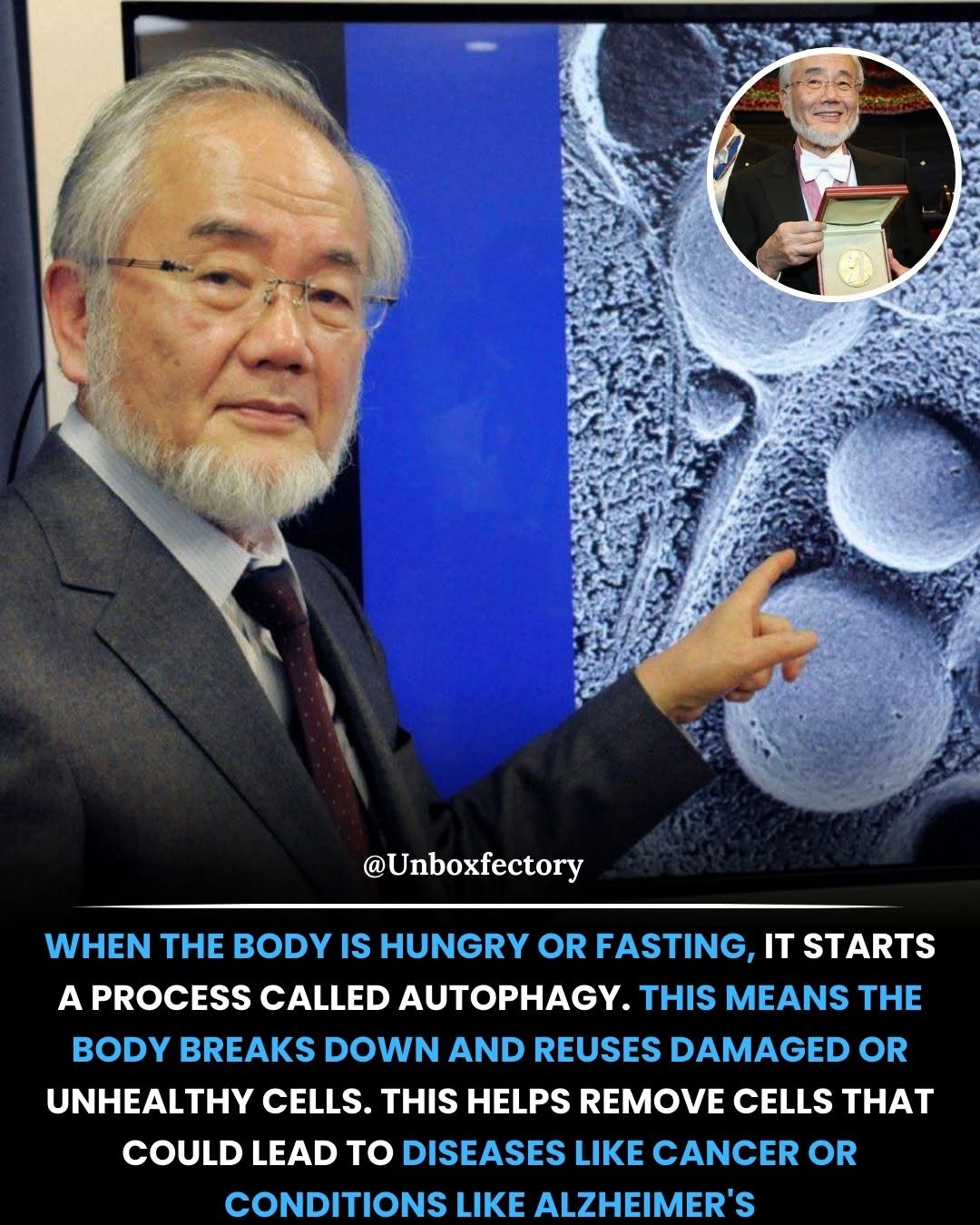
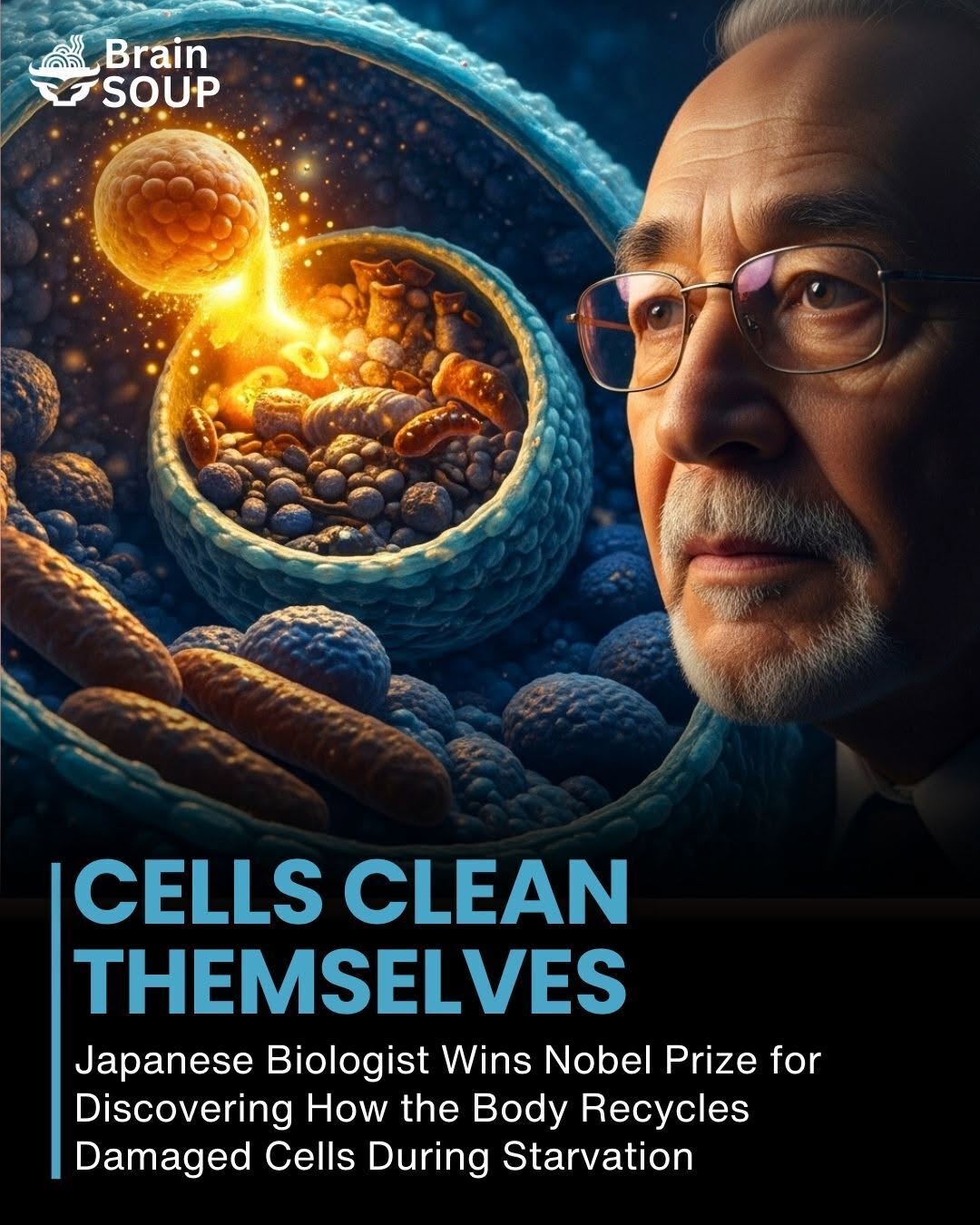
Fasting triggers autophagy, which recycles damaged cells including cancer cells

Sep 01, 2025 · Louis Nervegna ♥ 11 · 💬 9

Louis explains that fasting promotes autophagy, where the body recycles damaged tissue first, and argues a balance of catabolism and anabolism supports longevity while constant overeating shortens life. He cites the 2016 Nobel Prize for autophagy; the post offers little direct evidence for fasting effects on cancer.

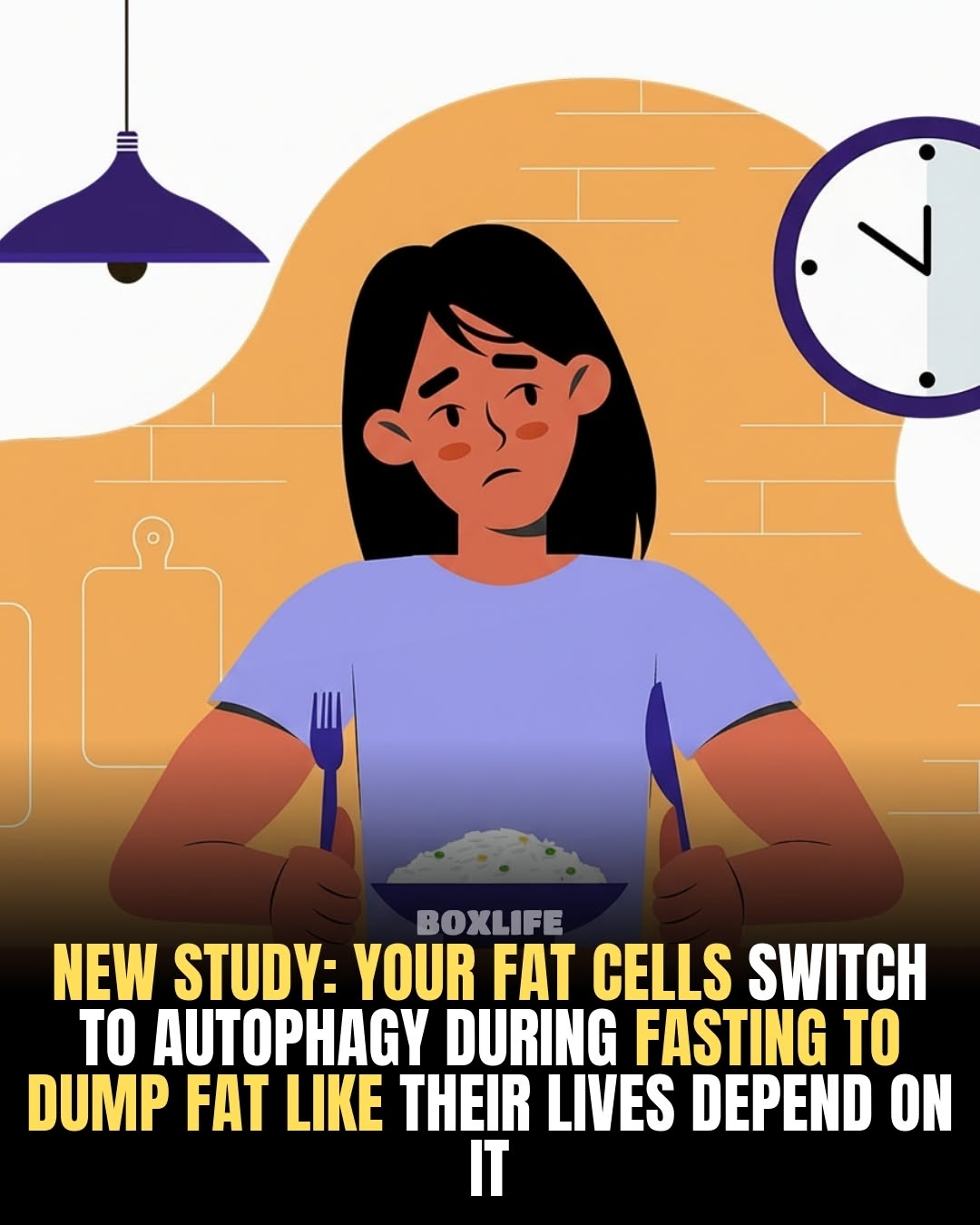
Fasting reported to target visceral and liver fat first, improving insulin resistance

Jul 02, 2026 · Louis Nervegna ♥ 12 · 💬 7

Louis shares a BoxLife Magazine interview with Dr. Alan Goldhamer, who says supervised extended fasting preferentially mobilizes visceral fat, which kept declining during refeeding. This is claimed by Louis to explain fasting's effect on insulin resistance; the source is a magazine interview, not a peer-reviewed paper.

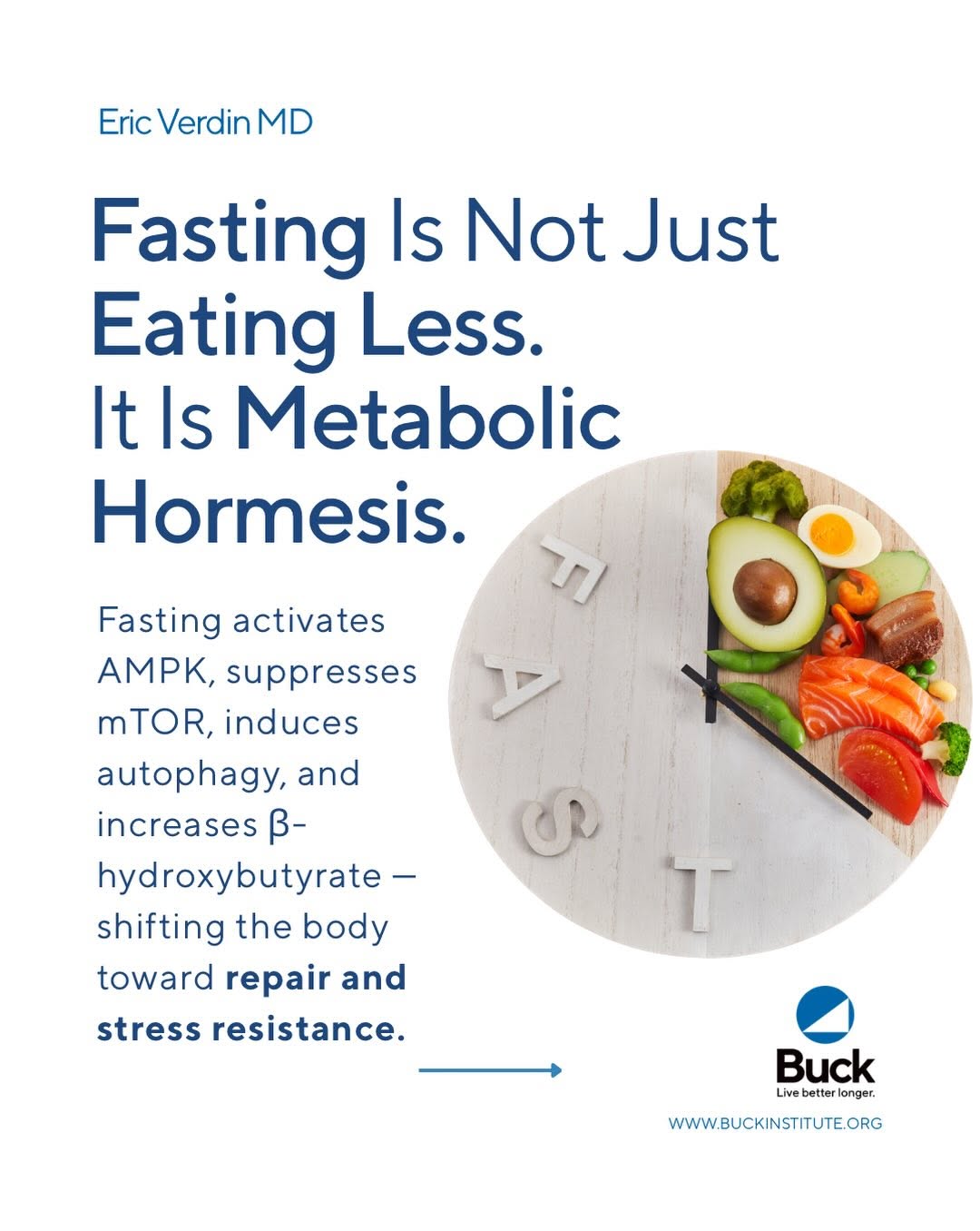
Fasting extends lifespan up to 30-40% in rodents; human benefit still unproven

Jun 12, 2026 · Louis Nervegna ♥ 12 · 💬 4

Louis notes fasting extends lifespan and reduces disease risk in animals, with rodent lifespan gains of 30-40%, but that translation to humans is unknown and needs controlled trials. At minimum he sees it as a tool for fat loss. The shared Eric Verdin post explains AMPK, mTOR, autophagy and ketones, and lists cautions.

6-month intermittent fasting RCT: ~8% weight loss, non-HDL down 11%, TG down 23%

Jan 29, 2026 · Louis Nervegna ♥ 8 · 💬 3

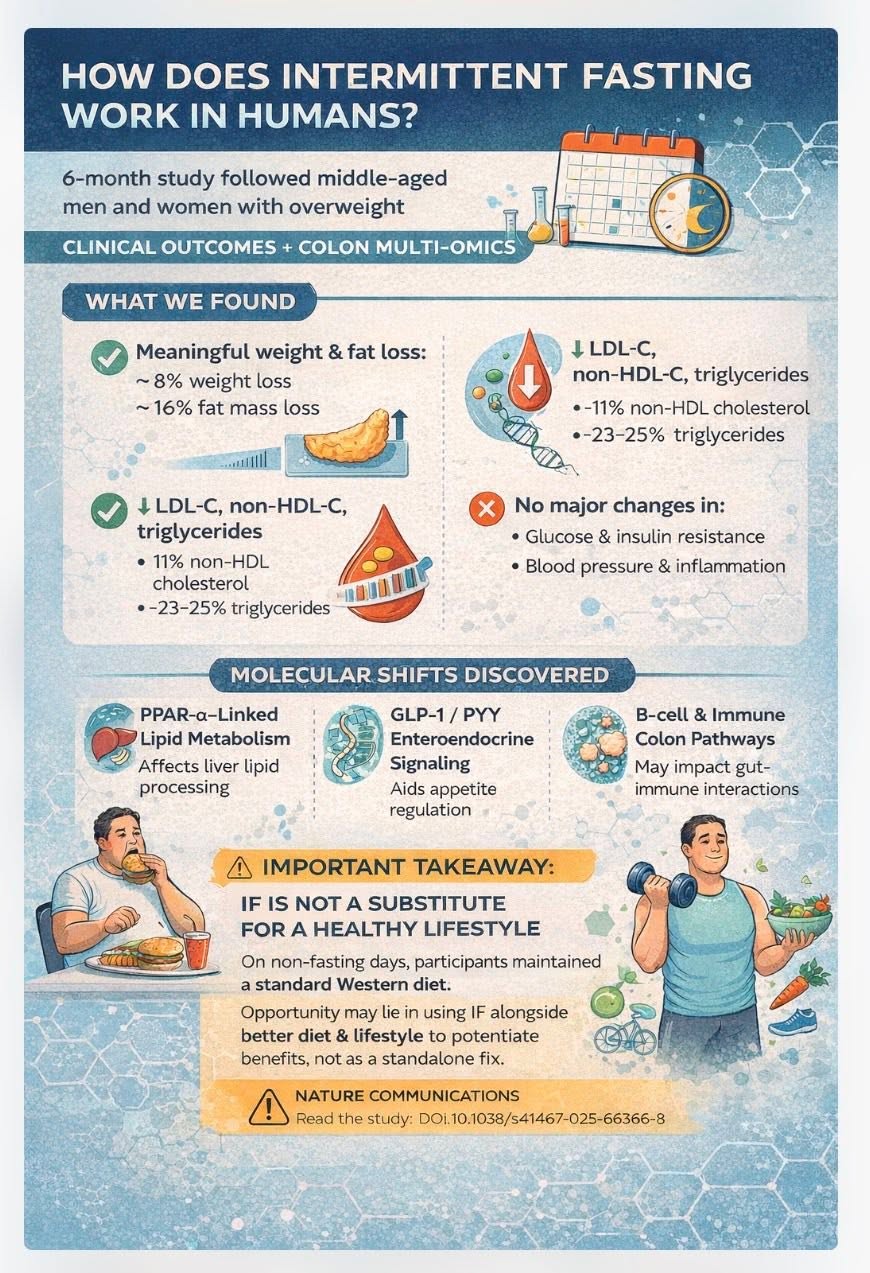
Louis shares Luigi Fontana's Nature Communications secondary-outcomes paper on 6 months of intermittent fasting in middle-aged adults with overweight. Lipids and body fat improved, but glucose, insulin resistance, blood pressure, inflammation and carotid IMT did not change.

Louis Nervegna eats two meals a day and shares Tim Spector's case for it

Jul 27, 2026 · Louis Nervegna ♥ 10 · 💬 5

Louis describes eating only two meals per day for eight years and argues that cutting calories and avoiding snacking is among the most useful things for health. He shares a Tim Spector video suggesting this pattern may also benefit the gut microbiome.

Snacks supply about 25% of US adults' calories in a 23,000-adult dietary study

Apr 09, 2024 · Louis Nervegna ♥ 11 · 💬 2

Louis argues that eliminating between-meal snacking could cut calories by about 25% and sugar by a third for the typical American, citing a diet study of about 23,000 US adults. The quoted finding is that snacks make up around 25% of daily energy intake without following dietary guidelines. The calorie and sugar claim is his extrapolation.

Review: calorie restriction has downsides, incl. slower wound healing and bone loss

Apr 23, 2025 · Louis Nervegna ♥ 10 · 💬 2 Aging & longevity

Louis shares a Nature Reviews Endocrinology review of potential adverse effects of calorie restriction, which extends lifespan in many animals but has uncertain effects in humans. It summarizes effects on wound healing, hunger, cold sensitivity, bone health, brain size, cognition, reproduction and infection, mostly from rodent data with some human data.

RCTs show skipping breakfast does not cause weight gain and cuts about 260 calories a day

Oct 29, 2026 · Louis Nervegna ♥ 9 · 💬 1

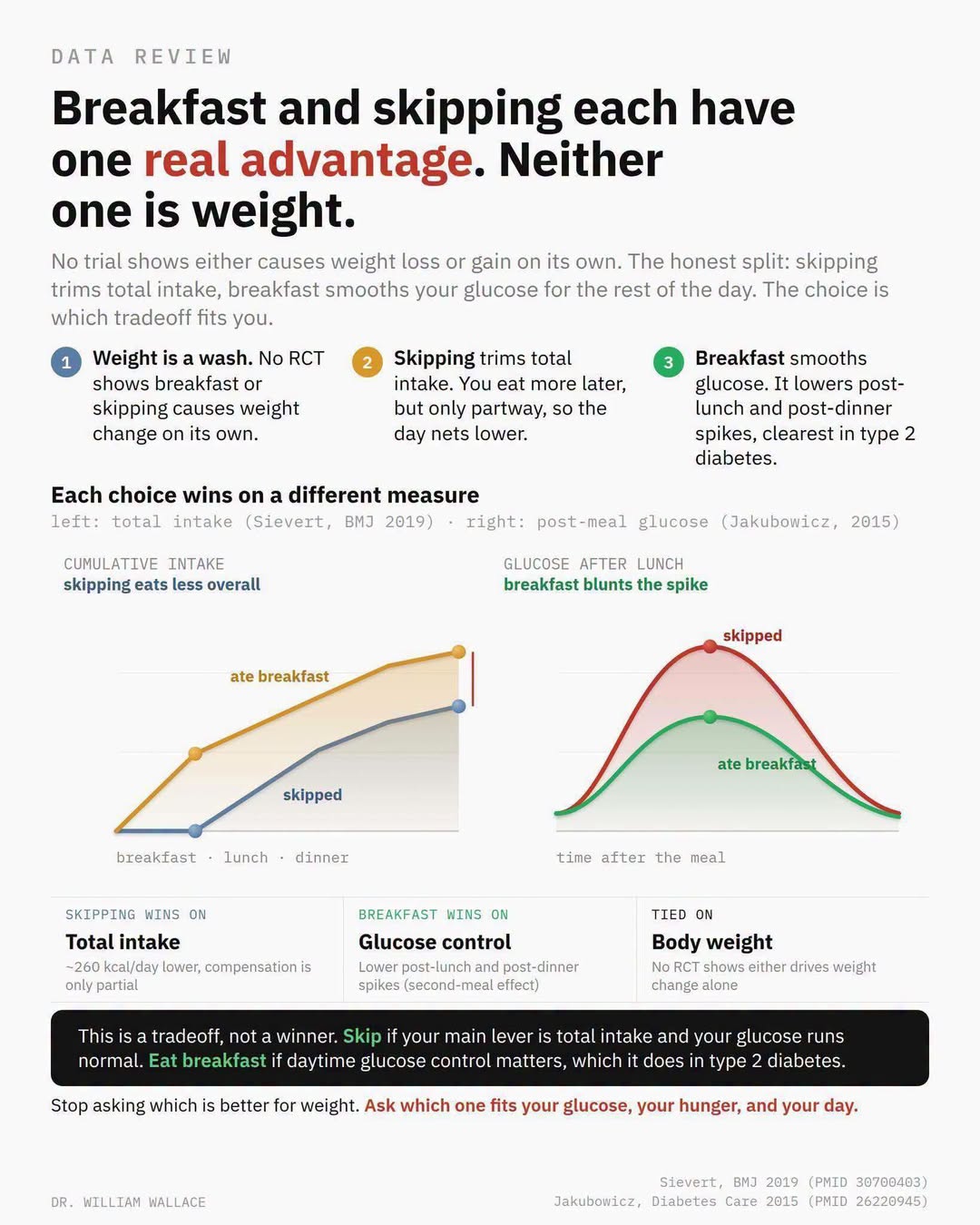
Observational studies link skipping breakfast to weight gain, but a 2019 BMJ review pooling 13 randomized trials found no evidence that eating breakfast aids weight loss or that skipping it causes weight gain. Breakfast skippers ate about 260 fewer calories per day overall. The possible downside is poorer glycemic control later in the day in people with diabetes or prediabetes.

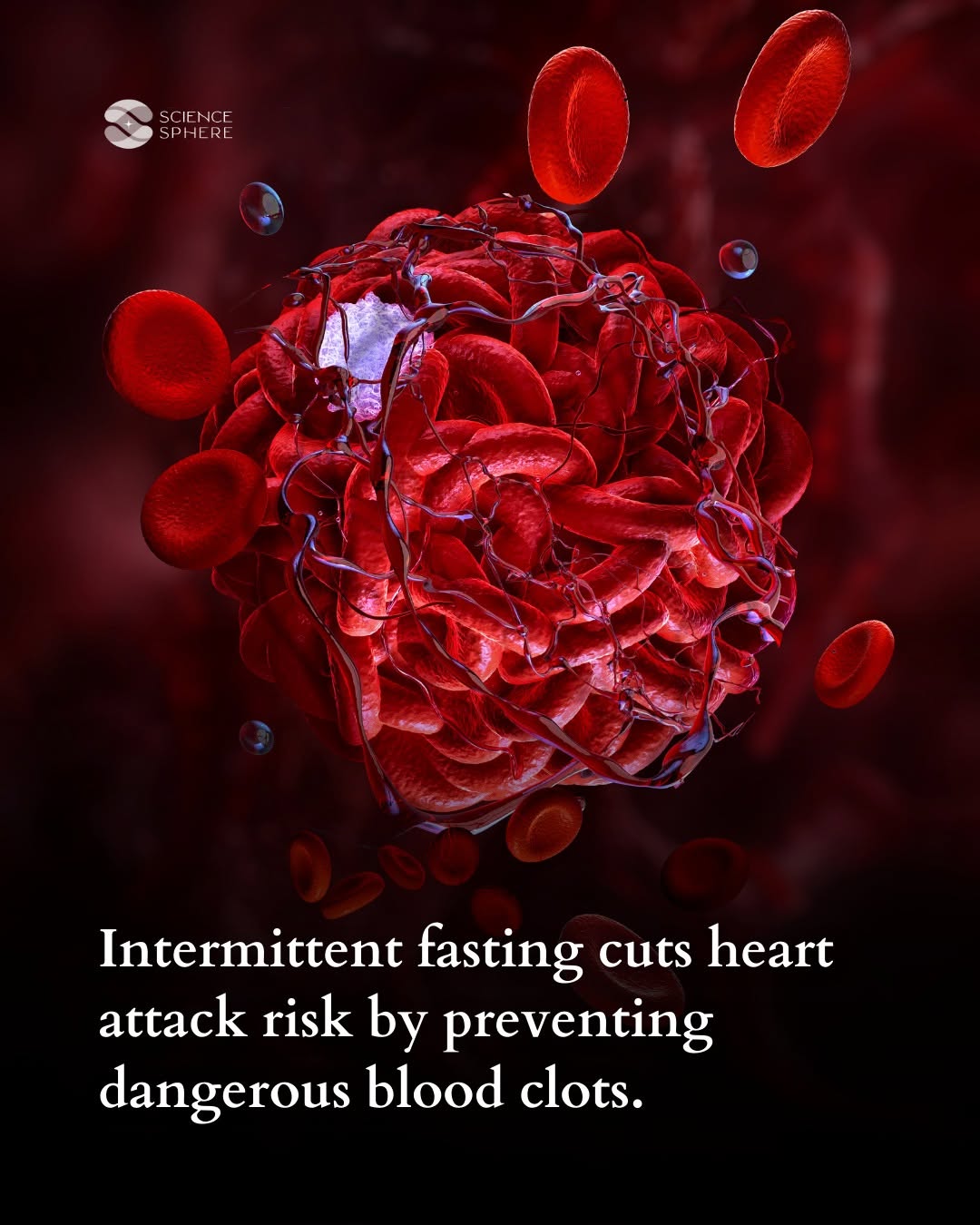
Intermittent fasting may prevent dangerous clots by raising gut-derived IPA

Sep 05, 2025 · Louis Nervegna ♥ 13

Louis shares a summary of a Life Metabolism study in 160 coronary artery disease participants plus human blood and mice. Intermittent fasting appeared to inhibit platelet activation and clot formation through increased gut microbial production of indole-3-propionic acid.