HD-OPM Archive
Hashtags

#mtor

56 posts

Can fasting reverse plaque? Autophagy makes it plausible but evidence is indirect

Jun 29, 2026 · Louis Nervegna ♥ 23 · 💬 14 Fasting & meal timing

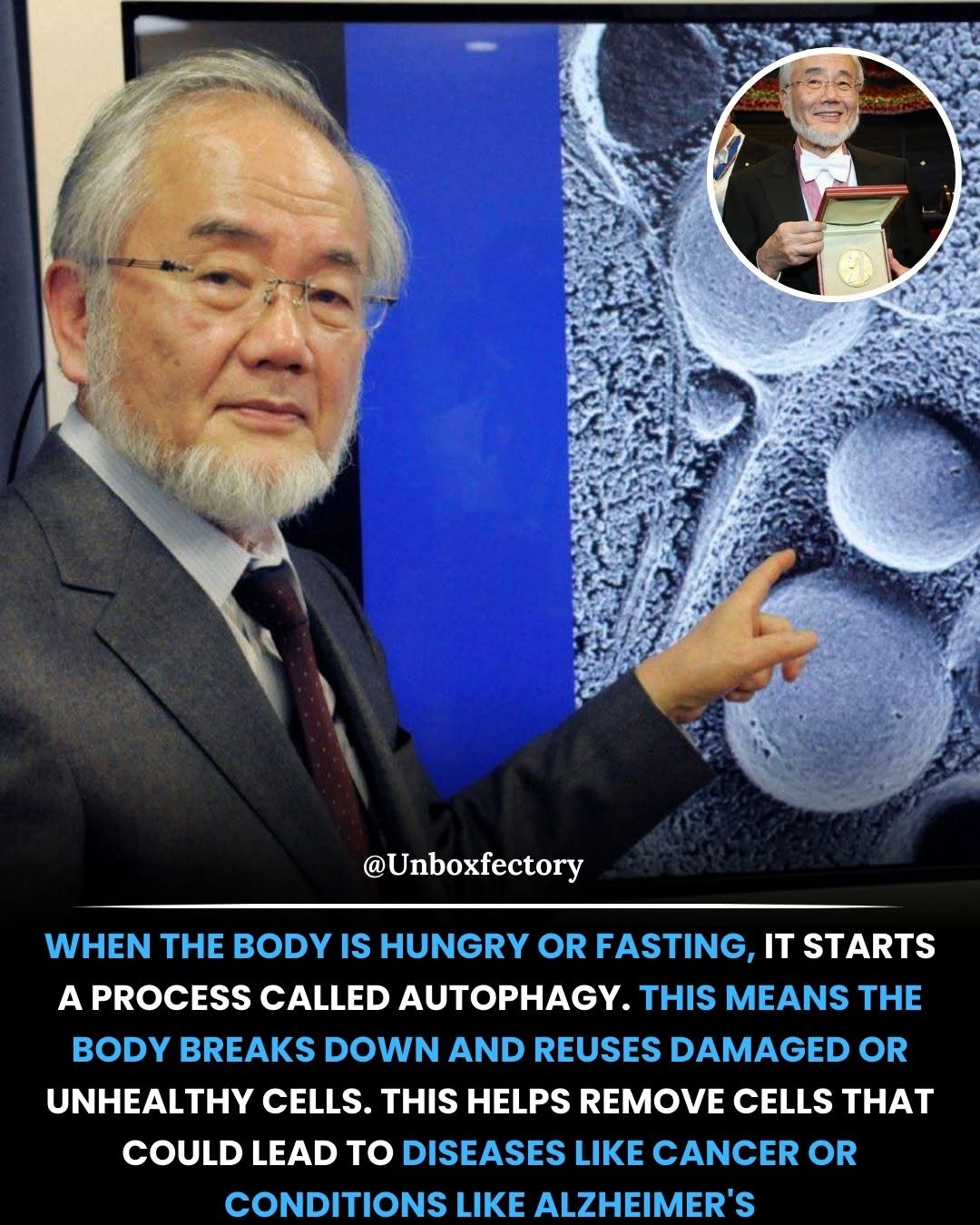
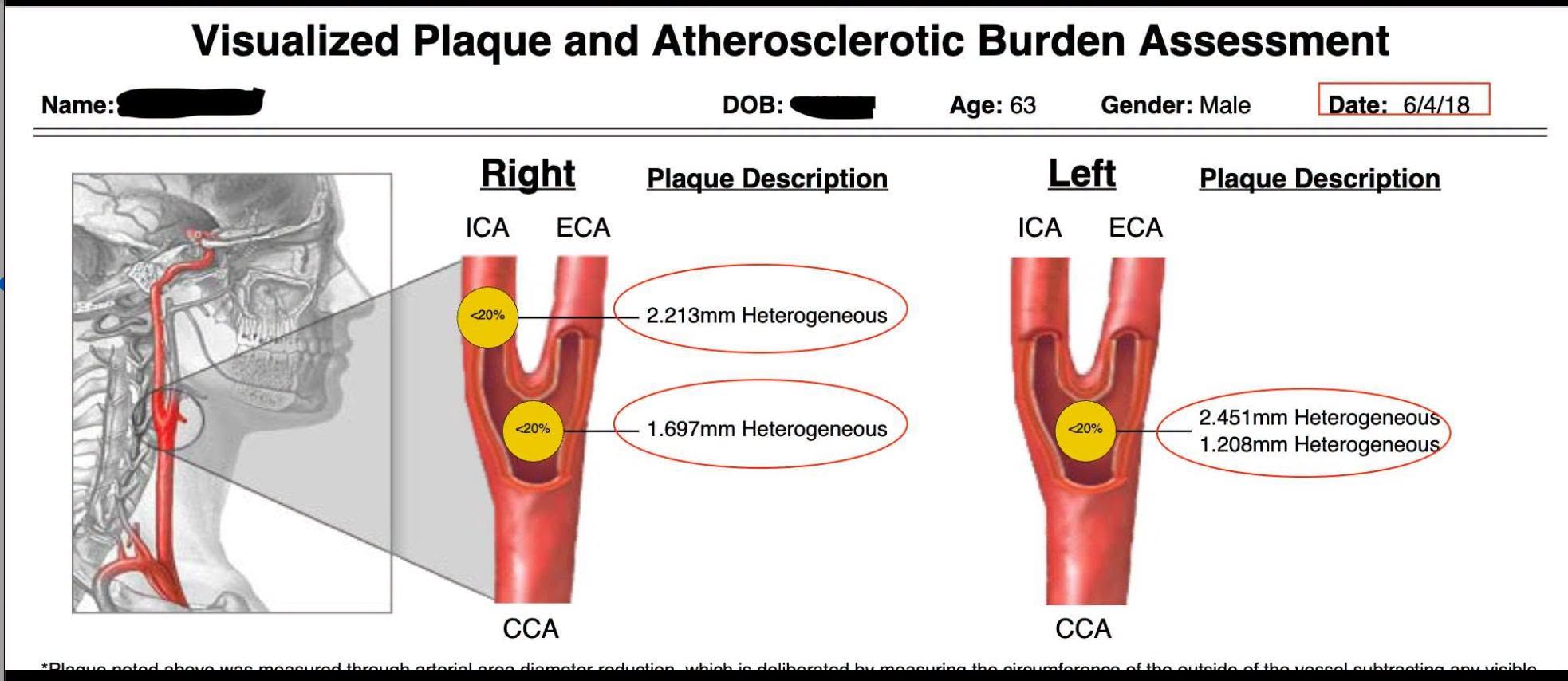
Louis argues there is biological plausibility that fasting could clear damaged arterial tissue via autophagy, linking earlier posts. He cites the 2010 DIRECT-Carotid trial showing large weight loss can regress carotid atherosclerosis, and a shared post on a Nature Metabolism 7-day fast study in 12 people with a day-3 shift in about 1,000 proteins. Direct evidence for plaque reversal by fasting is anecdotal.
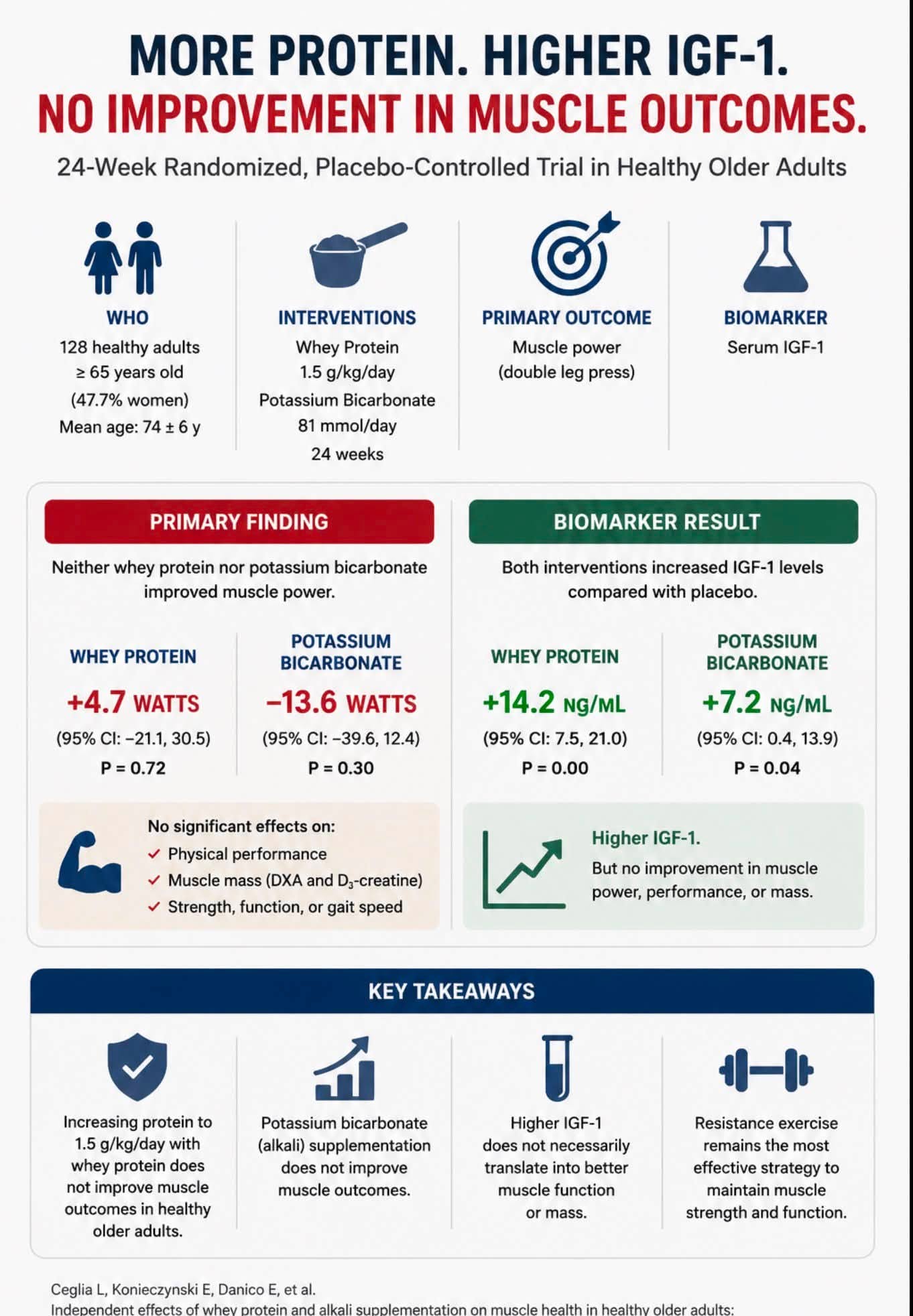
High insulin/IGF-1 tied to cancer, diabetes; Laron syndrome and low-IGF-1 mice live longer

May 13, 2025 · Louis Nervegna ♥ 23 · 💬 13 Aging & longevity

Louis praises a video on height, insulin/IGF-1 and longevity and lays out his argument: diet (refined starch/sugar and excess animal protein) is the main driver of IGF-1, and low IGF-1 is linked to lower cancer and diabetes risk. He cites Laron syndrome, with no documented cancer deaths, little diabetes and less heart disease and Alzheimer's, and a long-lived low-IGF-1 mouse. Claims come from the post and videos, not named papers.

Why chronically high insulin is harmful and how to keep it low

Feb 22, 2025 · Louis Nervegna ♥ 11 · 💬 18 Insulin resistance & diabetes

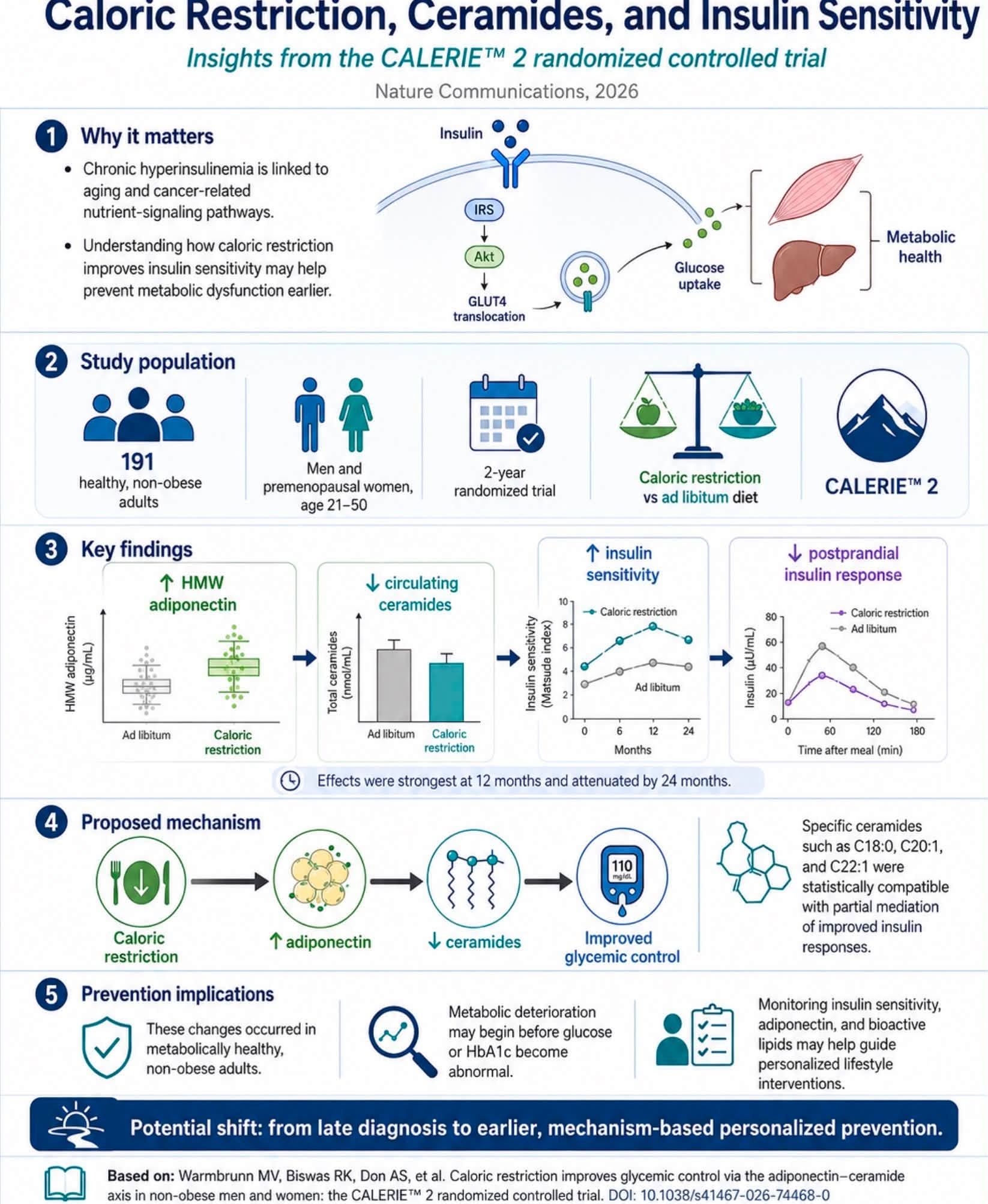
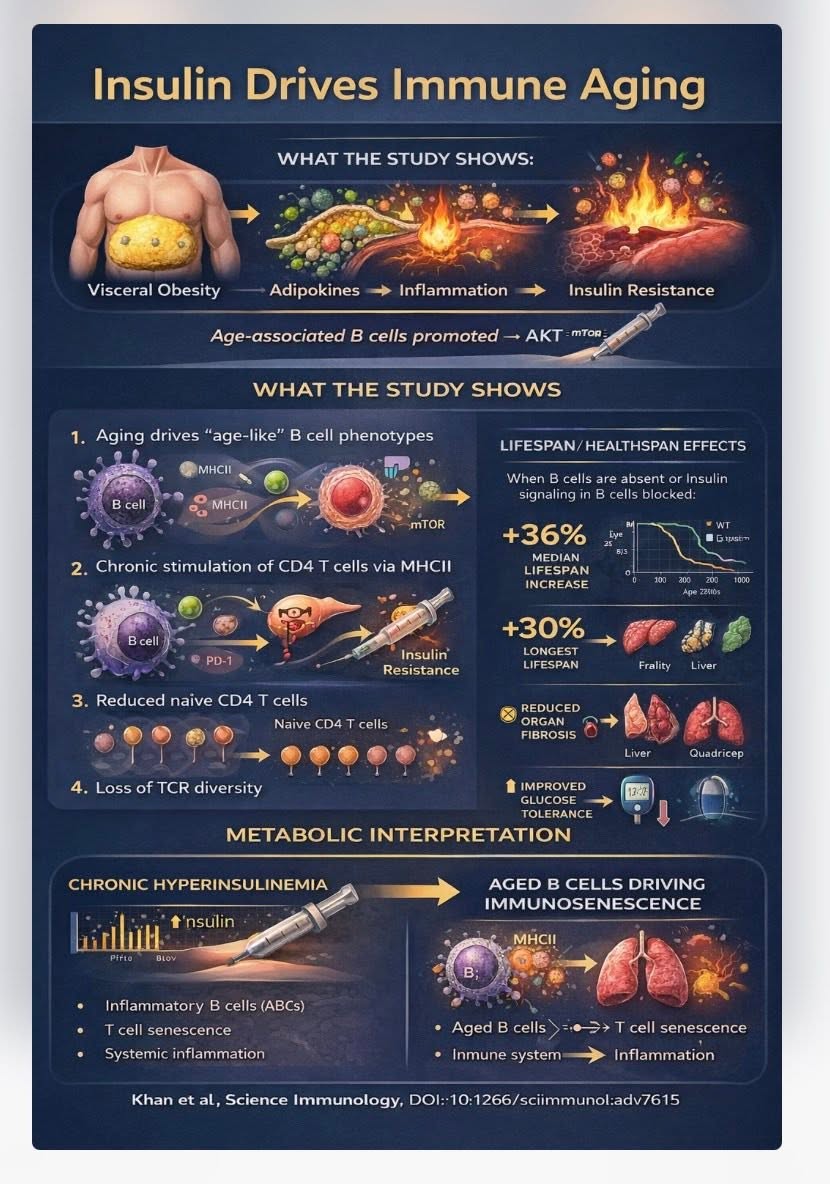
Louis argues excess insulin promotes cancer growth, heart disease and IGF-1/mTOR growth pathways that accelerate aging, citing animal lifespan work, Loyal's dog research and Laron syndrome. He recommends avoiding refined starch/sugar, limiting excess animal protein, and using fats, fasting and calorie restriction to keep insulin low.

Alpha-ketoglutarate (AKG): longevity data in worms and mice, plus anti-thrombotic effects

Mar 02, 2024 · Gokhan Can ♥ 13 · 💬 13 Supplements & vitamins

Summarizes the case for the supplement AKG, which extended lifespan in worms by about 50% and healthspan in aged mice, apparently by mildly suppressing mitochondrial function and mimicking calorie restriction. The linked EBioMedicine paper suggests AKG inhibits thrombosis and inflammation. The human evidence for cardiovascular benefit is limited and the author notes he personally uses it.

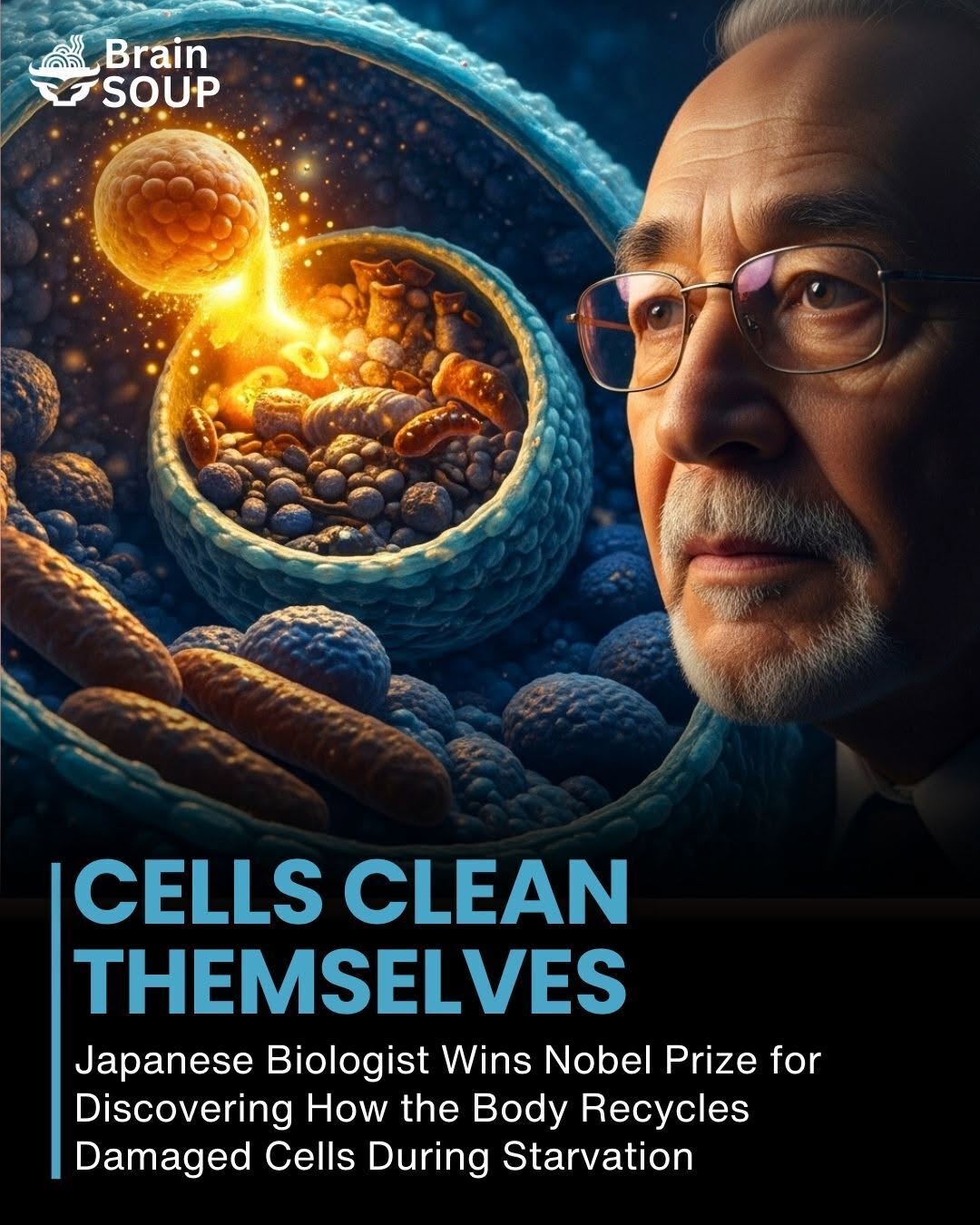
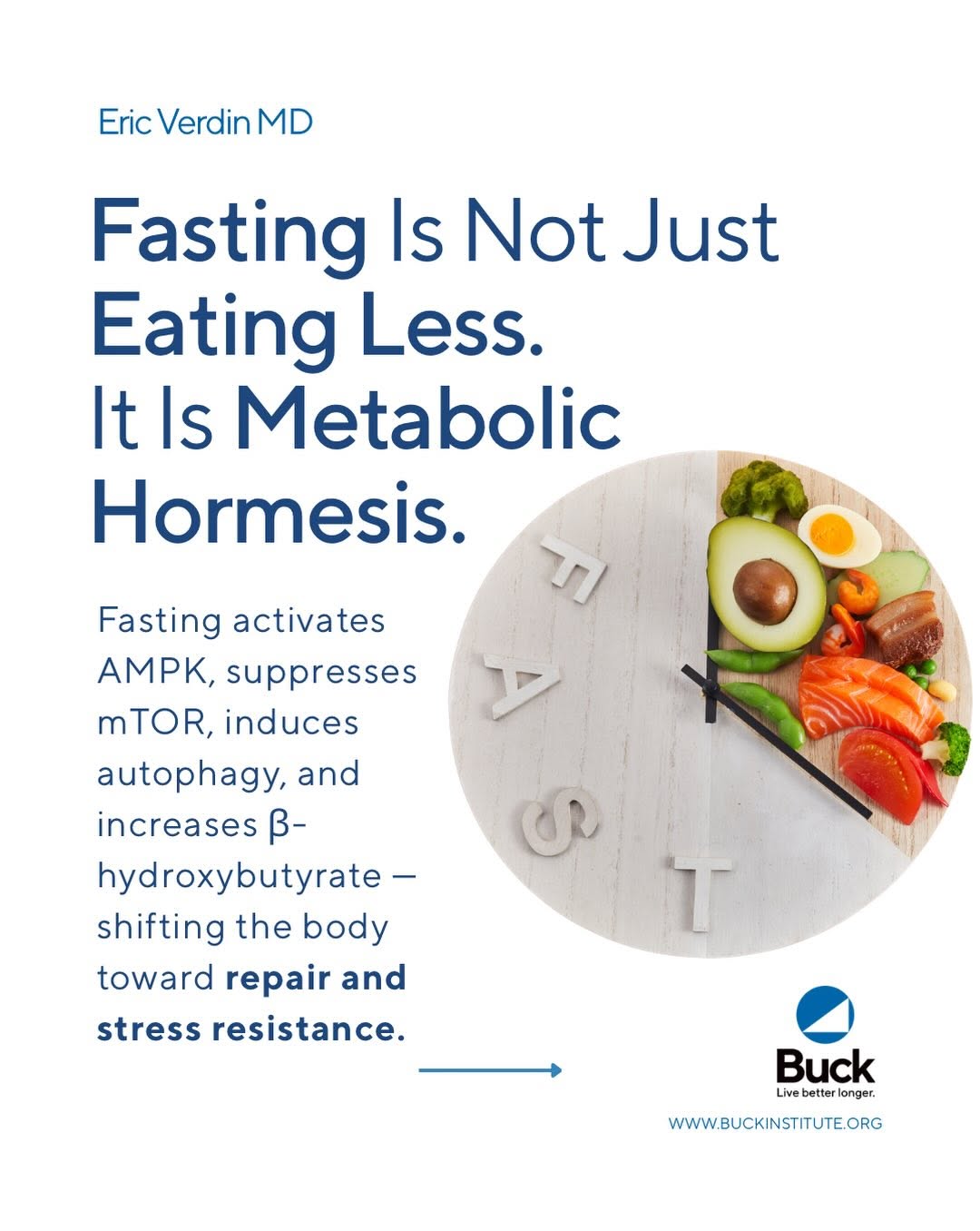
Sabatini on diet and mTOR: limit amino acids and insulin; ~18 h fasting may inhibit mTORC1

Dec 09, 2024 · Louis Nervegna ♥ 10 · 💬 11 ↩ 3 Aging & longevity

Louis shares notes on a David Sabatini interview about how diet affects mTOR and autophagy. Sabatini suggests low amino acid or low carbohydrate diets lower mTOR, favors a higher-carbohydrate diet of low-glycemic carbs, and thinks mTORC1 senses total daily insulin. He guesses about 18 hours of fasting inhibits mTORC1, while stressing nobody has all the answers.

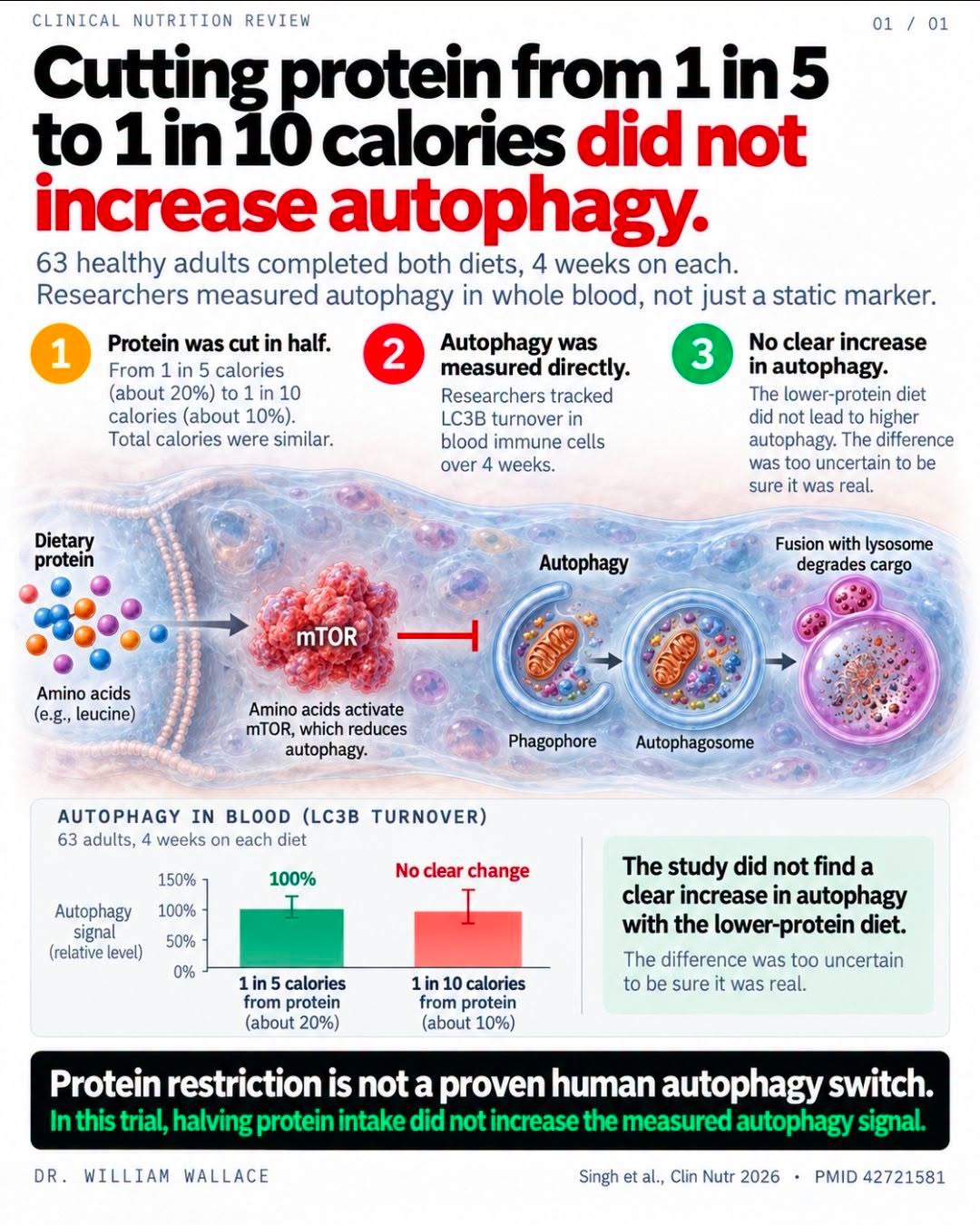
Halving dietary protein for 4 weeks did not increase autophagy in human immune cells

Sep 17, 2026 · Louis Nervegna ♥ 15 · 💬 4 Protein

In a randomized crossover trial of healthy adults, reducing protein from 20% to 10% of calories for four weeks did not significantly change autophagic flux in blood immune cells. Louis concludes that moderate protein restriction alone, without fasting or calorie restriction, does not appear to raise basal autophagy. Caveats include measurement only in circulating immune cells and a short duration; this is a preprint.

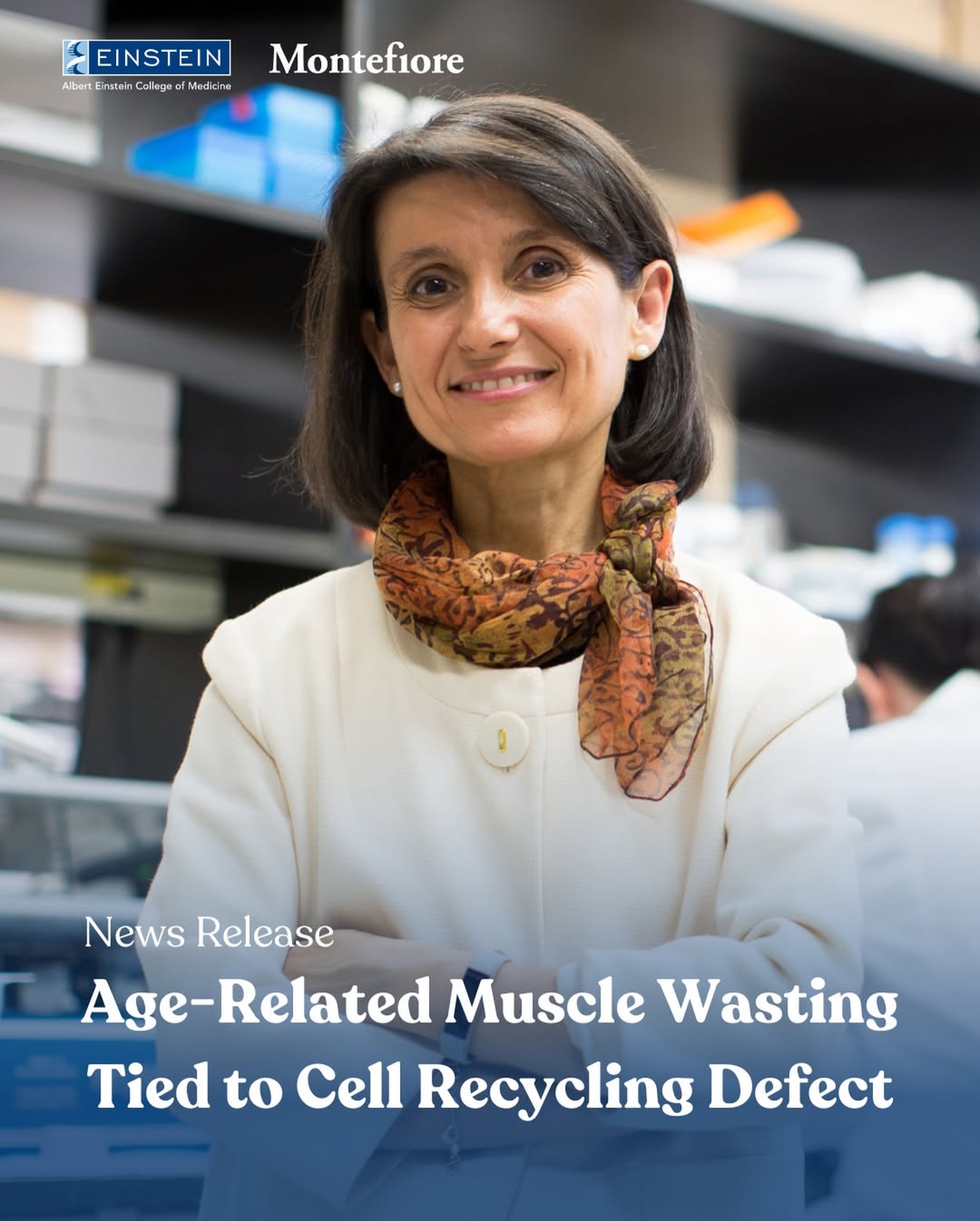
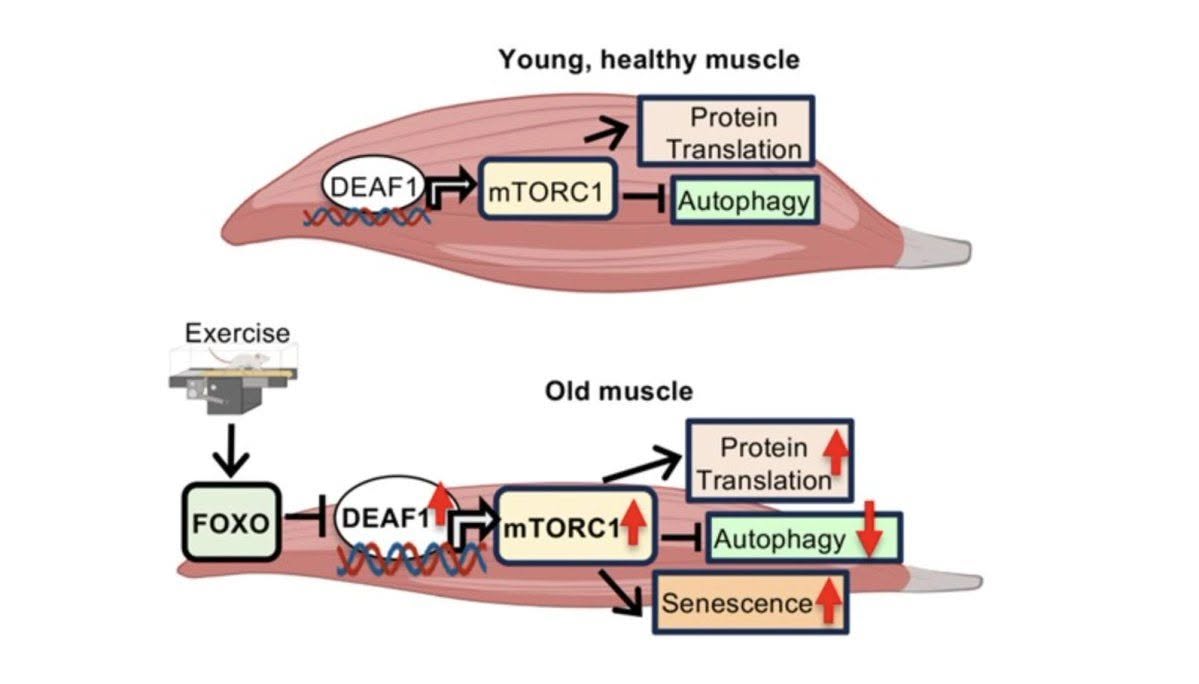
Muscle aging involves falling chaperone-mediated autophagy; fasting and exercise raise it

Dec 08, 2025 · Louis Nervegna ♥ 12 · 💬 7 ↩ 1 Aging & longevity

Louis shares two Nature Metabolism papers from Ana Maria Cuervo's group showing chaperone-mediated autophagy declines with age in muscle and that restoring it improved strength and regeneration in aging mice. He notes fasting and resistance training increase CMA, rapamycin activates it and excess high-quality protein inhibits it, and ties it to heart muscle.

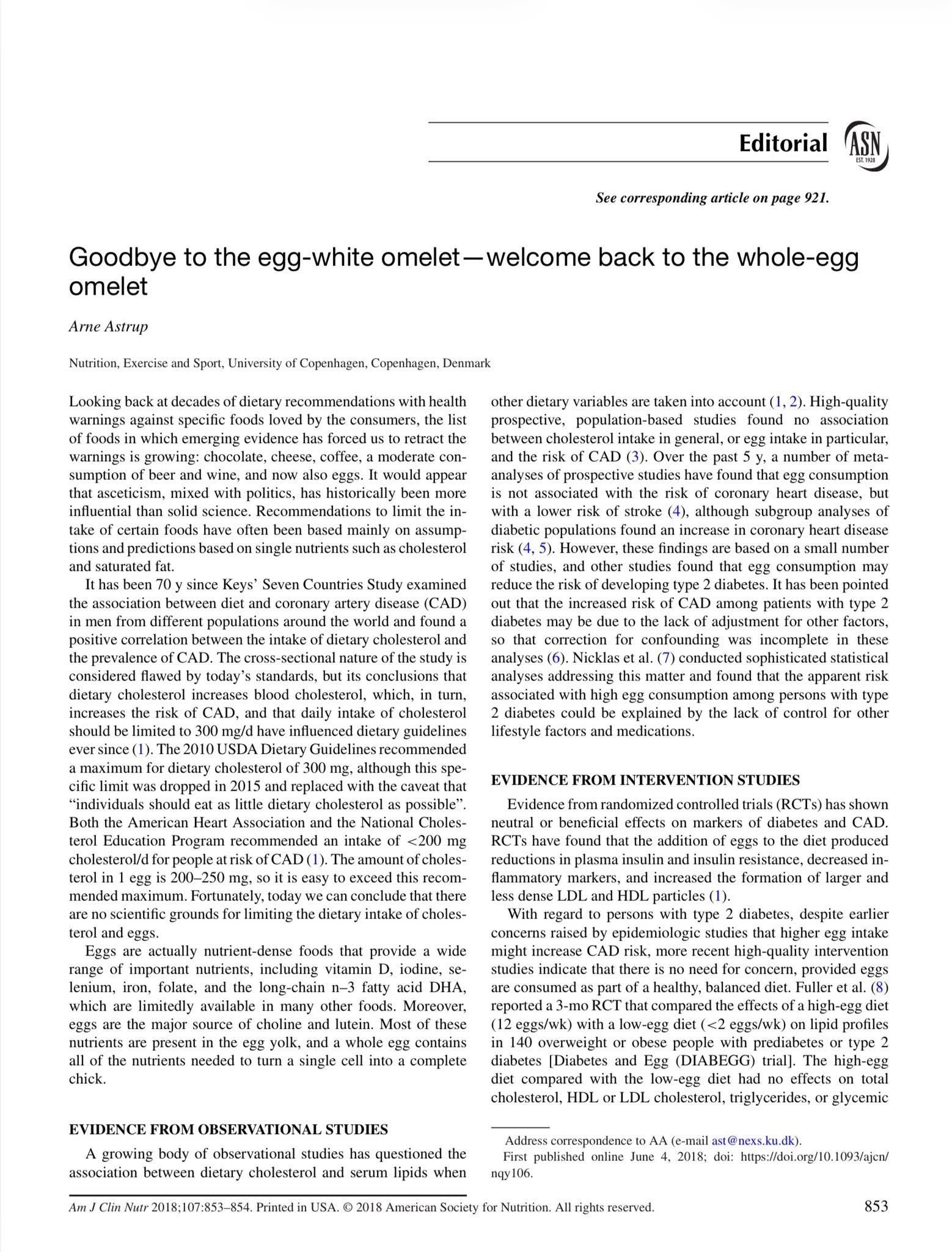
Six converging evidence lines favor plant protein over red and processed meat

Aug 27, 2026 · Louis Nervegna ♥ 11 · 💬 4 Protein

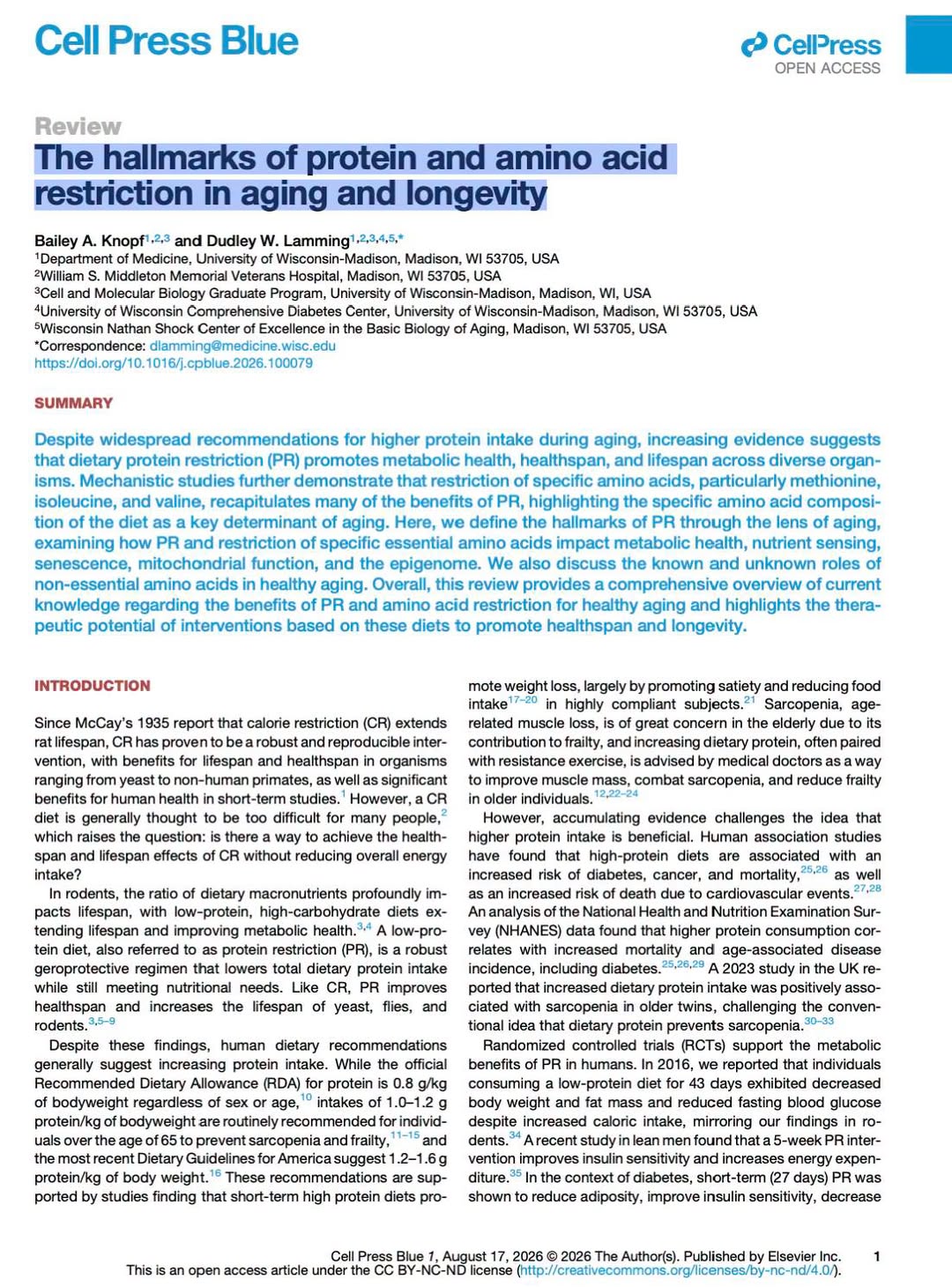
Louis shares an Ageproof article by group member Mert Erogul MD arguing that genetics, IGF-1 biomarkers, rodent experiments, amino-acid decomposition, short-term human trials and epidemiology converge: methionine, isoleucine and valine, not leucine or total protein, are implicated. Favoring whole-food plant protein over red and processed meat likely extends lifespan.

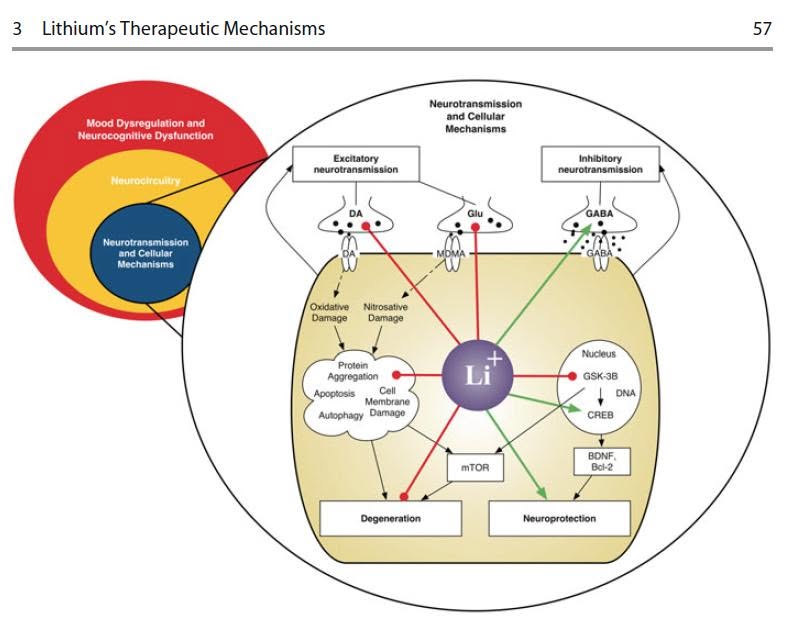
Correction: low-dose lithium inhibits overactive mTOR in the brain

Nov 11, 2025 · Louis Nervegna ♥ 15 · 💬 6 Brain health & dementia

Louis corrects a shared figure description: low-dose lithium inhibits, rather than activates, overactive mTOR in the brain, which he says is beneficial because overactive mTOR drives neurodegeneration. The shared post describes lithium's multi-level effects on brain chemistry at doses far below those used for mood disorders.

Six lines of evidence favor whole-food plant protein over red and processed meat

Nov 12, 2026 · Louis Nervegna ♥ 12 · 💬 3 ↩ 1 Protein

Louis recommends an article by group member Mert Erogul MD on protein and aging. It argues six lines of evidence converge: growth-signaling genetics, IGF-1 biomarker data, rodent protein restriction through FGF21 and mTORC1, the roles of methionine, isoleucine and valine, short-term human trials, and epidemiology showing source matters more than amount. Plant protein from whole foods is favored.

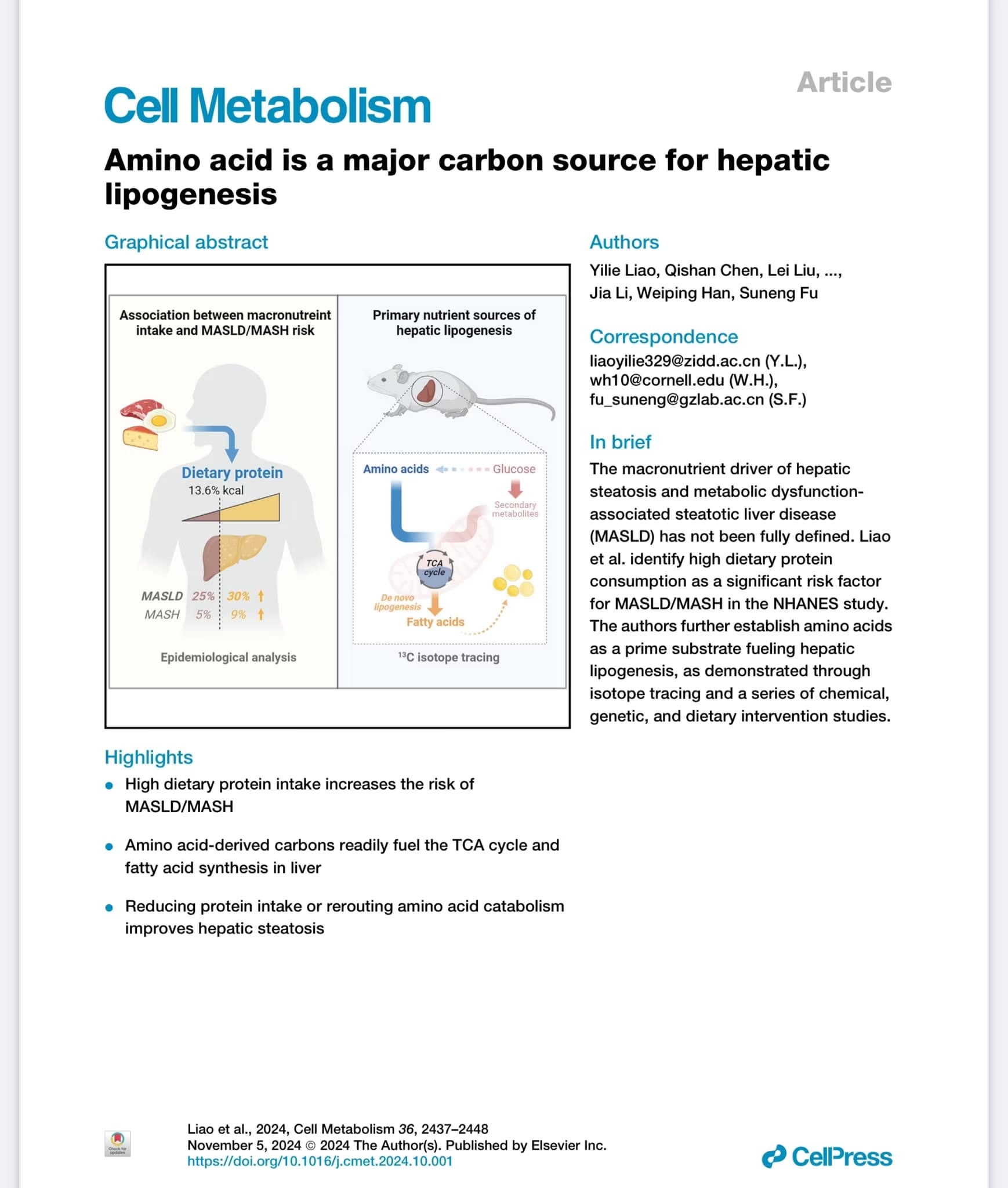
High protein intake linked to MASLD in NHANES; amino acids fuel liver fat synthesis

Dec 02, 2024 · Louis Nervegna ♥ 4 · 💬 7 Weight, visceral & liver fat

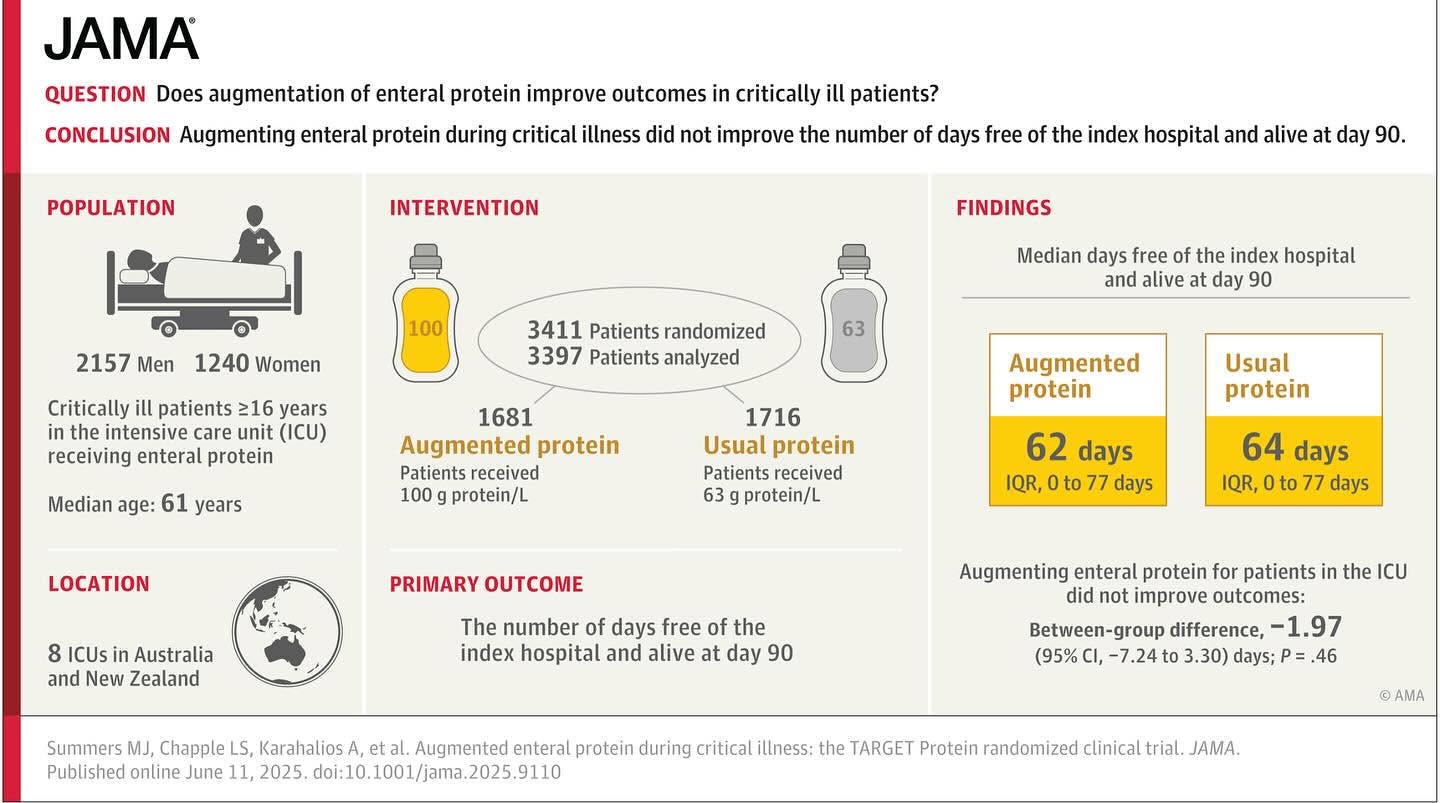
Louis shares a Cell Metabolism study suggesting high-quality protein may drive fatty liver. In NHANES (4,693 participants), carbohydrate and total fat were not associated with MASLD, while medium/high protein intake raised MASLD risk about 1.45-fold and high protein doubled MASH risk; low carbohydrate intake was associated with about 2-fold higher MASH progression. Amino acids serve as carbon sources for liver fatty acid synthesis, and mTOR may play a role.

Centenarians' longevity is tied to genes that lower insulin/IGF-1 signaling (Barzilai)

May 13, 2025 · Louis Nervegna ♥ 8 · 💬 4 Aging & longevity

Louis shares a Nir Barzilai clip arguing that centenarians owe their long lives largely to genetic variants lowering insulin/IGF-1 and mTOR signaling, strong enough to offset habits like smoking and obesity. Barzilai says women with the lowest IGF-1 in old age live twice as long as those with the highest. Louis adds that diet and lifestyle can help keep insulin/IGF-1 and mTOR lower.

Rapamycin did not slow atherosclerosis in marmosets, and why stents use it anyway

Apr 18, 2024 · Louis Nervegna ♥ 8 ↩ 1 Aging & longevity

Louis cites Adam Salmon's marmoset work showing rapamycin had no clear effect on aging cardiovascular function, with plaque developing at the same rate as controls. He considers it unwise to rely on rapamycin to prevent heart disease. He also explains rapamycin on stents works by blocking scar tissue (neointimal hyperplasia), not plaque growth.

Rapamycin on stents blocks scar-tissue restenosis, not plaque; it failed in marmosets

Dec 13, 2025 · Louis Nervegna ♥ 7 Blood vessels, circulation & endothelium

Louis explains that rapamycin is used on drug-eluting stents because it inhibits vascular smooth muscle overproliferation (neointimal scar tissue), which is what usually causes restenosis, not because it prevents plaque. He distinguishes plaque from scar tissue and notes Adam Salmon's group found rapamycin did not inhibit plaque growth in marmosets.