HD-OPM Archive
Topics › LDL, ApoB & lipid panel

200+ studies and 2 million participants show LDL drives atherosclerosis dose-dependently

Louis Nervegna · Oct 28, 2026 · ♥ 1 reactions · 0 comments · original Facebook post
LDL, ApoB & lipid panelMyths, misinformation & controversies
AI summary & key facts

A shared post rebuts a claim that LDL research is incomplete and flawed. It cites over 200 prospective cohort, genetic and randomized studies involving over 2 million participants, 20 million person-years and 150,000+ cardiovascular events that consistently show a dose-dependent LDL-ASCVD relationship. It also addresses the U-shaped curve claim and Mendelian randomization.

#cholesteroldeniersHD #influencersHD #ushapedcurveHD #mendelianrandomizationHD #mrHD #malhotraHD

“LDL research is incomplete and flawed.”

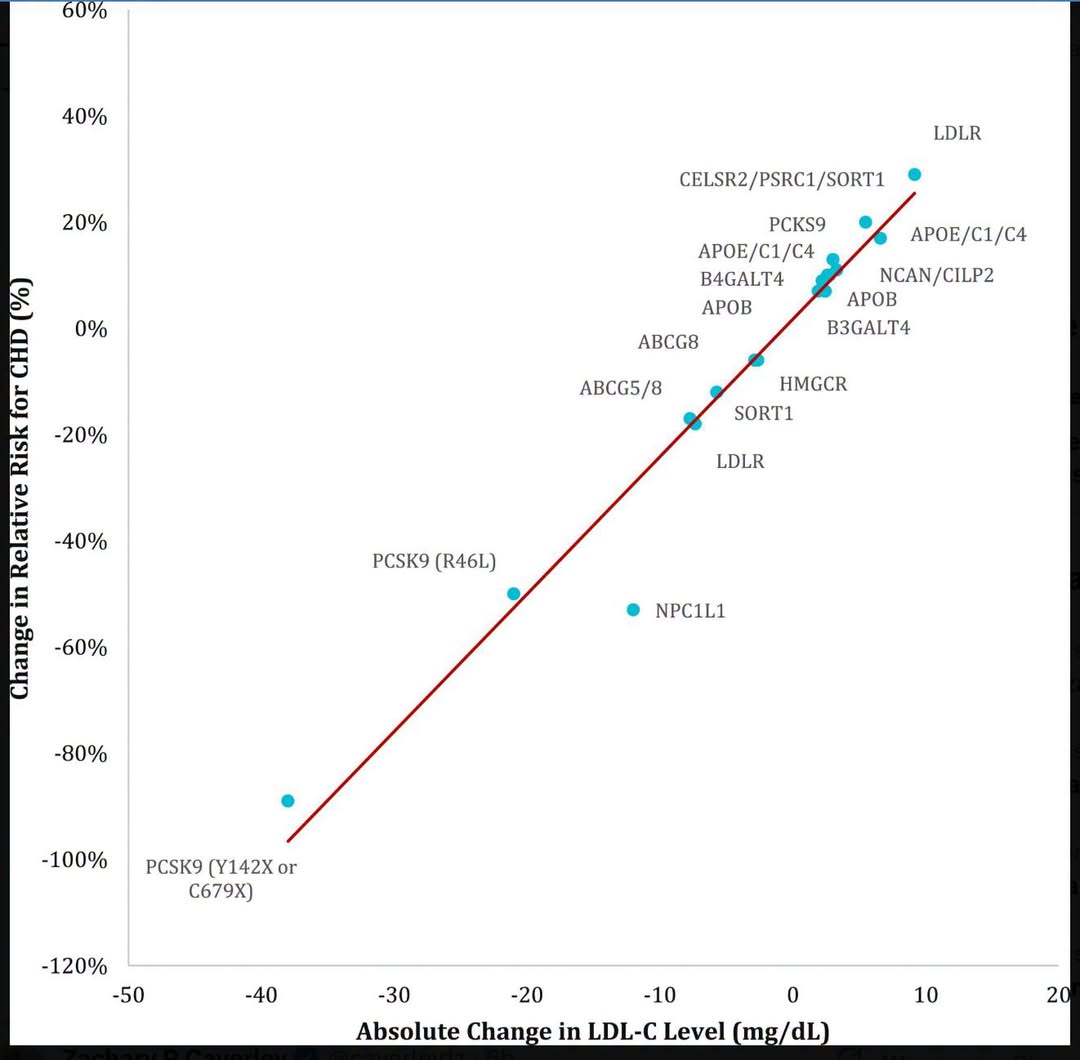
Well, we have over 200 prospective cohort studies, genetic studies, and randomized controlled trials involving over 2 million participants, 20 million person-years of follow-up, and 150,000+ cardiovascular events.

The evidence consistently shows a dose-dependent relationship between LDL-cholesterol and atherosclerotic cardiovascular disease. And yet, he doesn’t actually explain how this research is supposedly flawed.

Then comes the claim that “the higher your LDL, the longer you live.”

This ignores something we’ve understood for decades: illnesses like cancer, infections, and certain liver diseases can lower LDL. That means low LDL can sometimes be a consequence of illness, rather than the cause of increased mortality.

But when we look at people who genetically have lower LDL throughout their lives, or those who lower it through medication, we see reduced cardiovascular risk.
My friend @SimonHill challenged Malhotra in the comments, but rather than address his criticisms, Malhotra simply replied, “Nonsense.” When Simon pushed back further, Malhotra accused him of projecting.

It can be difficult to know who to trust on social media, but here are a couple red flags:

  1. Dismissing the scientific consensus without extraordinary evidence.
  2. Refusing to engage with criticisms.

References:

Paper · Eur Heart J · 2017Low-density lipoproteins cause atherosclerotic cardiovascular disease. 1. Evidence from genetic, epidemiologic, and clinical studies. A consensus statement from the European Atherosclerosis Society Consensus Panel.Conclusion: Consistent evidence from numerous and multiple different types of clinical and genetic studies unequivocally establishes that LDL causes ASCVD.pmc.ncbi.nlm.nih.gov PaperEurope PMC articleeuropepmc.org Paper · Br J Clin Pharmacol · 2021Low-density lipoprotein cholesterol and lifespan: A Mendelian randomization study.Conclusion: This genetic evidence supports that higher LDL-c levels reduce lifespan and longevity. In a general population that is not selected for increased cardiovascular risk, there is likely to be a net lifespan benefit of LDL-c lowering therapies, particularly for PCSK9 inhibitors, although randomized controlled trials are necessary before modification of clinical practice.pubmed.ncbi.nlm.nih.gov

#cholesterol #ldlcholesterol #healthyfats #nutrition #hearthealth

← newer: Louis Ignarro on why nitric oxide won a Nobel Prize and its older: Keto and carnivore reverse diabetes mainly through weight lo →