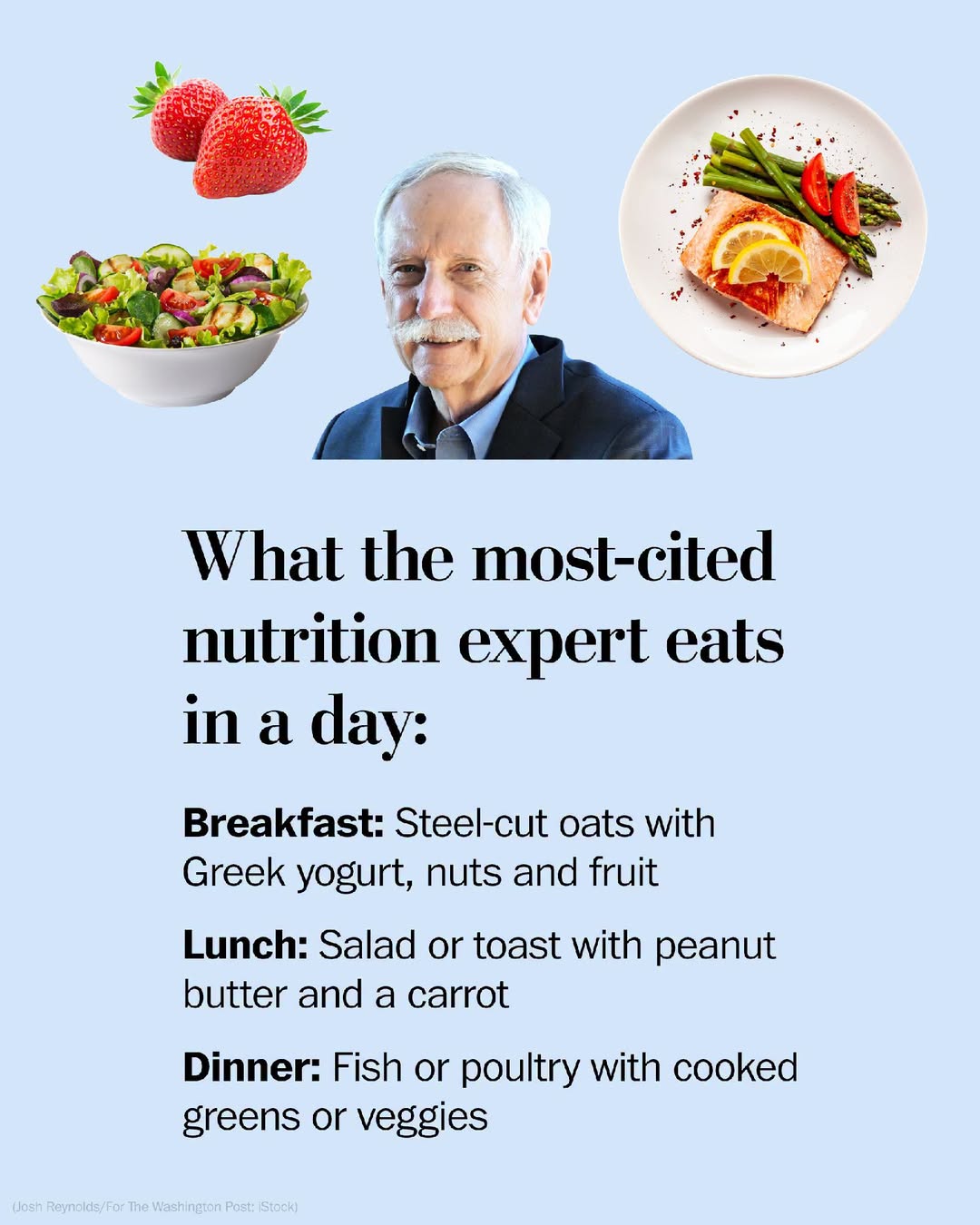
There have been 74 randomized controlled trials testing the effects of oatmeal on various cardio-metabolic risk factors. The data is impressive.
The healthiest choice is probably slow-cook steel-cut oats. Instant oats should be avoided. It is best to eat whole grains as intact as possible.
Quoted:
“Oatmeal is one of my go-to breakfasts and it just so happens to be super heart healthy. Last year a systematic review and meta-analysis encompassing 74 randomized controlled trials looking at oat consumption and cardiovascular risk factors was published, so let’s dive in. ❤️
When comparing oats to a non-oat control, oats lowered total cholesterol by 0.42mmol/L, LDL-C by 0.29mmol/L, blood sugar by 0.25mmol/L, BMI by 0.33kg/m2, weight by 0.94kg, and waist circumference by 1.06cm. They also evaluated other cardiovascular and glycemic markers, but the results were not statistically significant.
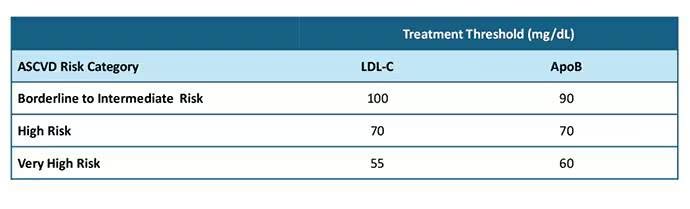
When looking at studies on dietary restrictions (ie. low-fat diet, low-calorie diet, etc.) plus oats vs. just dietary restriction alone, we see similar reductions in total cholesterol and LDL-C as seen with the aforementioned trials, as well as reductions in BMI, diastolic blood pressure, HDL-C, and HbA1c, which is a marker of average blood sugar concentrations. Despite reducing LDL-C, there was not a statistically significant reduction in apoB, which is a better marker for cardiovascular disease that encompasses LDL and other atherogenic lipoproteins. However, the results for apoB were only based on 2 studies with unhealthy participants and may be explained by the overall dietary restriction overshadowing the impact of oats alone.
Lastly, they also looked at interventions that compared oats to a varying types of controls (eg. wheat, eggs, rice), and in that case, oat consumption was associated with more modest reductions in total cholesterol and LDL-C compared to the previously mentioned interventions, while also lowering apoB, triglycerides, and BMI.
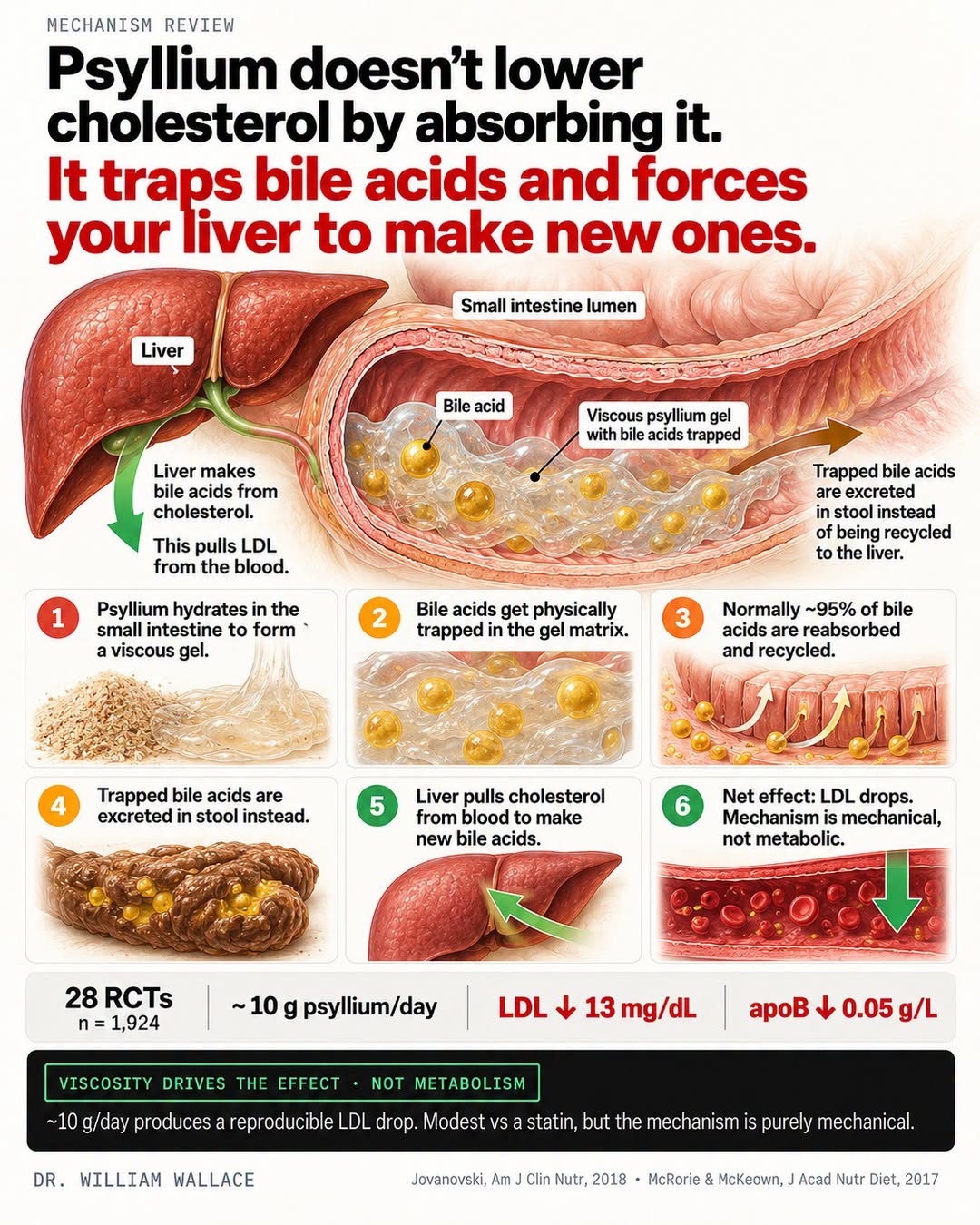
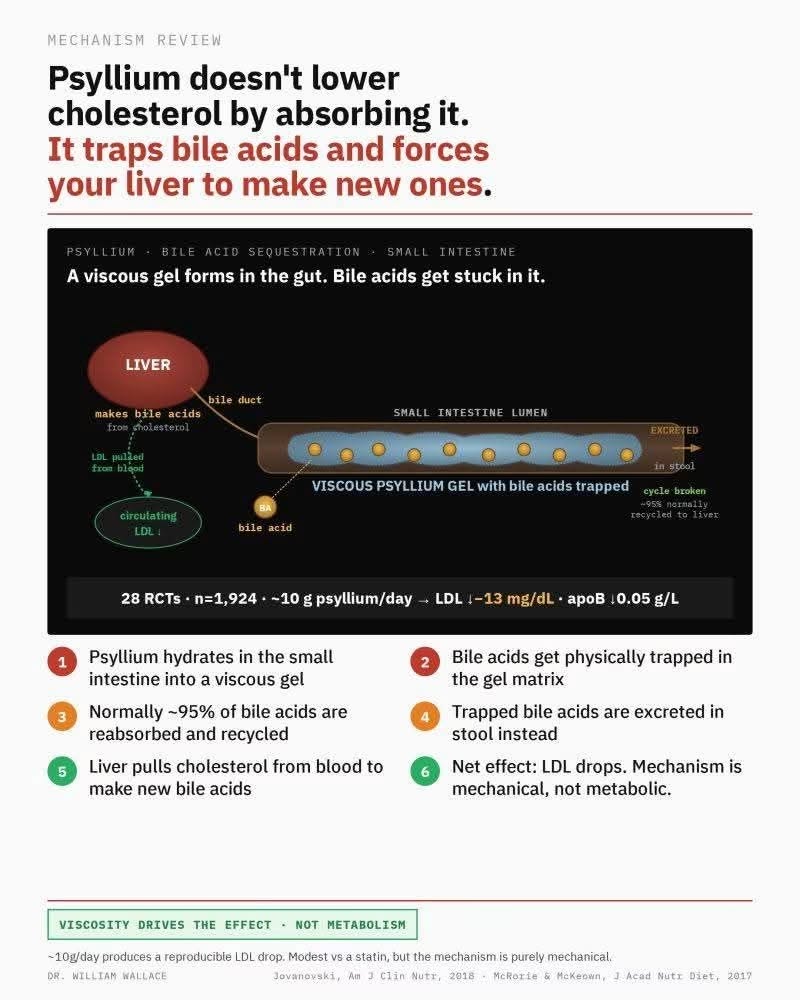
Overall, oats appear to be an good option for those looking to improve their cardiovascular risk, which may be in part explained by its soluble fibre content.
References:
Paper · Eur J Nutr · 2022Effect of oat supplementation interventions on cardiovascular disease risk markers: a systematic review and meta-analysis of randomized controlled trials.Conclusion: Dietary OSIs resulted in lowered levels of blood lipids and improvements in anthropometric parameters among participants with predominantly mild metabolic disturbances, regardless of dietary background or control. Further high-quality trials are warranted to establish the role of OSIs on blood pressure, glucose homeostasis and inflammation markers.ncbi.nlm.nih.gov#oatmealHD #ldlHD #apobHD #glucoseHD #insulinresistanceHD #metabolicsyndromeHD #weightlossHD #bloodpressureHD #fiberHD #solublefiberHD