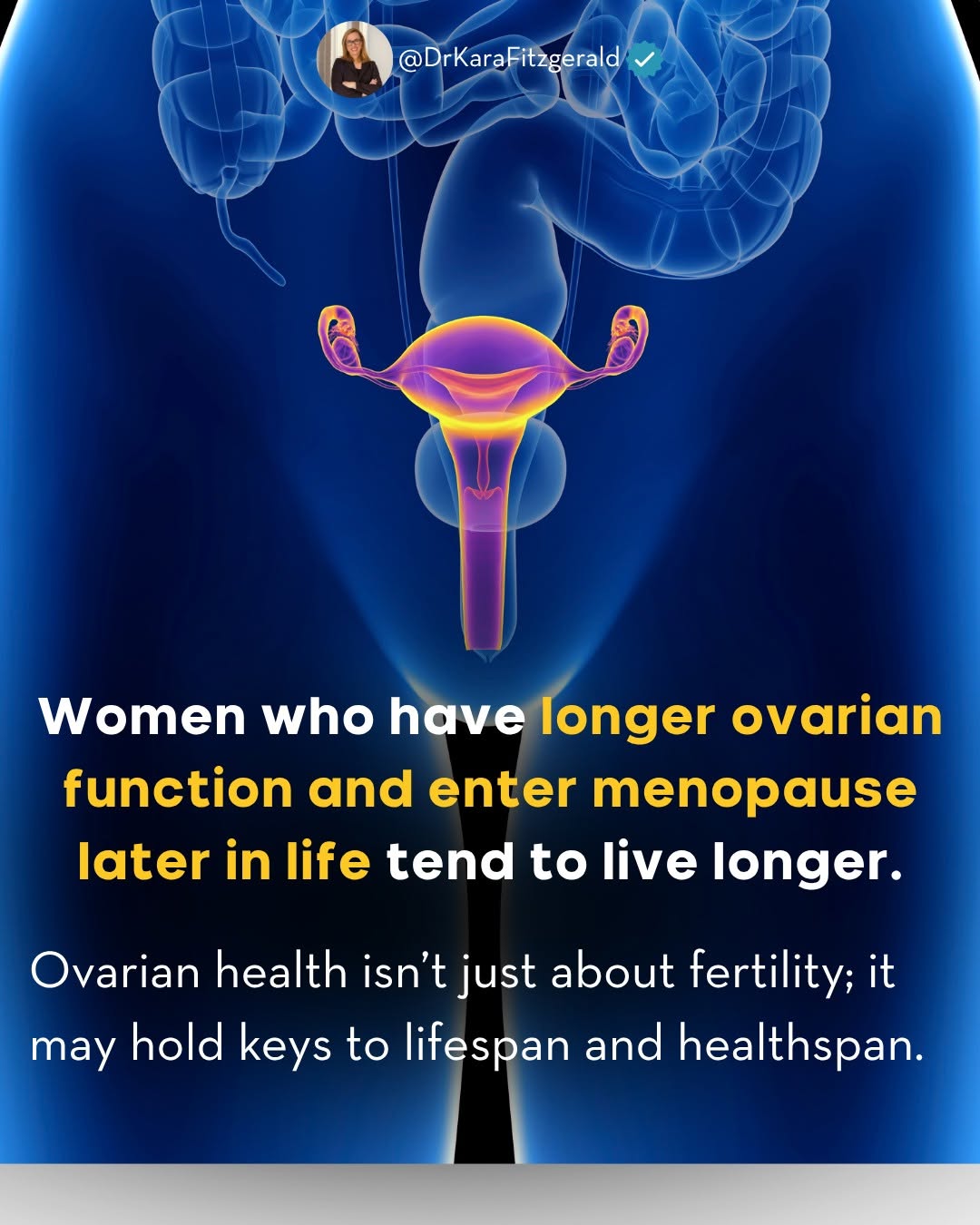
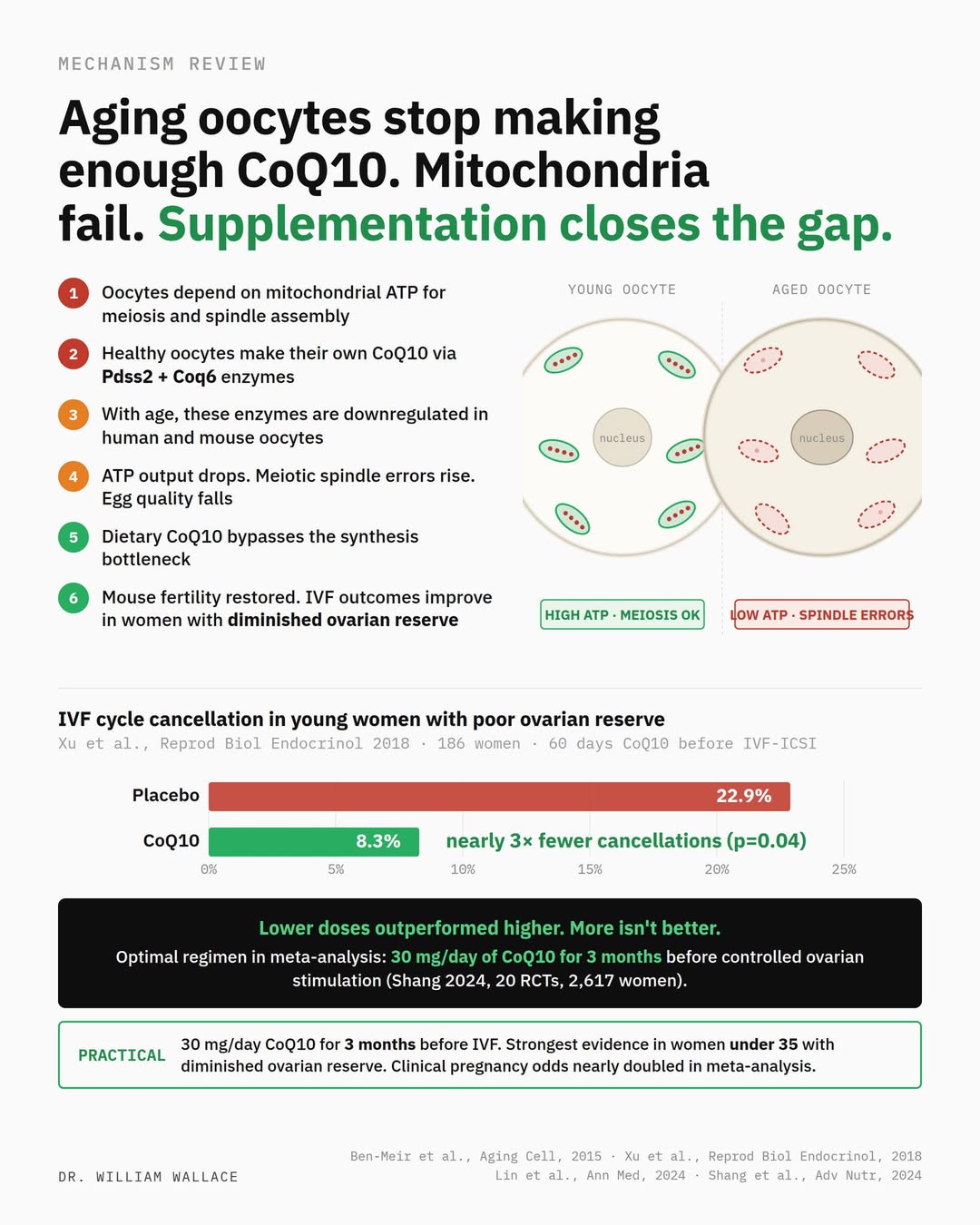
The ovaries are the very first organ to age in mammals. Slower ovarian aging often reflects slower overall aging.
Women who remain fertile for longer tend to live longer and have lower risk for age-related diseases like CVD.
Interventions that slow ovarian aging are also likely to slow overall aging and lower risk for major diseases like heart disease, cancer, dementia, etc.
#ovariesHD #agingHD #longevityHD #menopauseHD
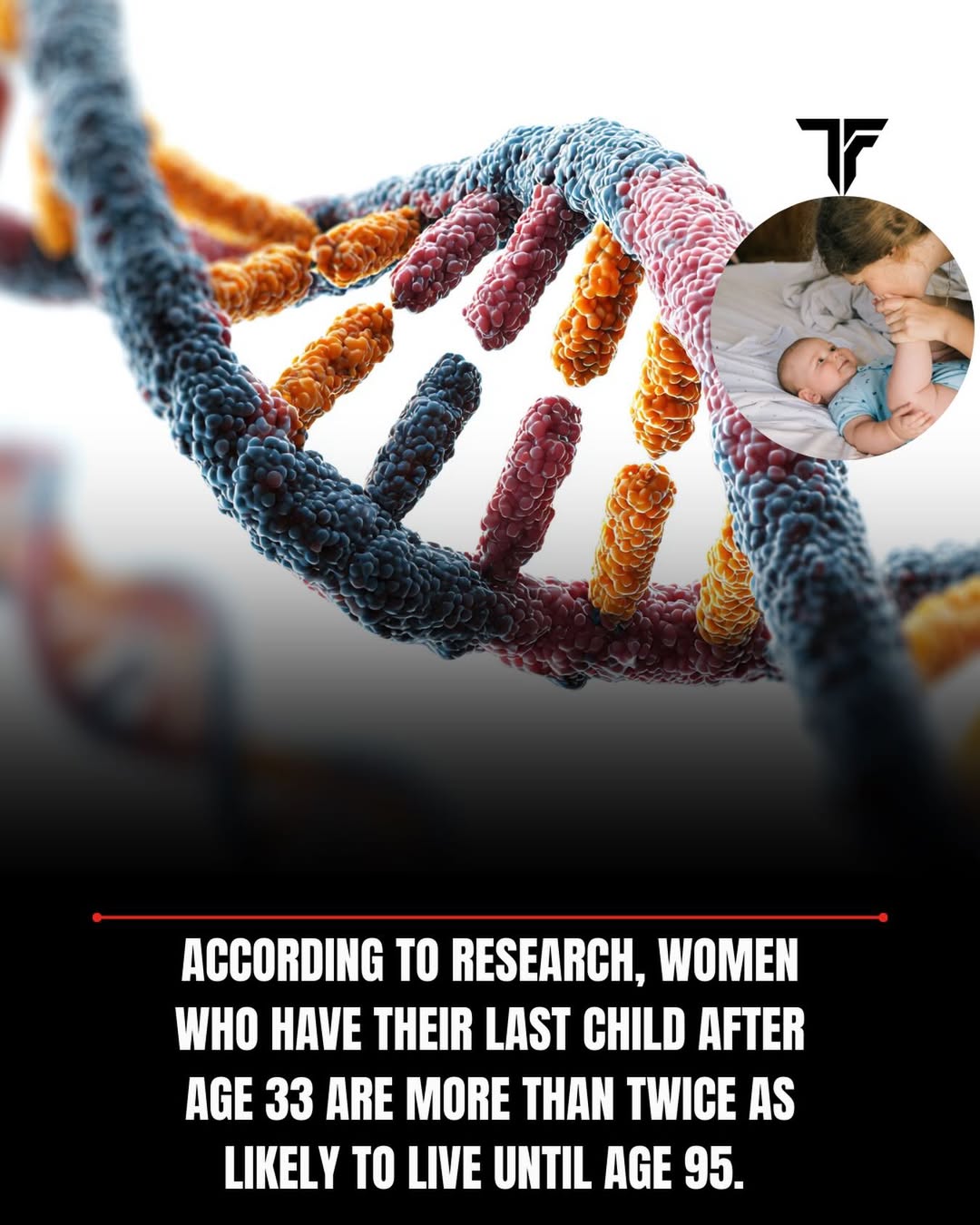
Women who have their last child after age 33 are more than twice as likely to live to 95 or older. This phenomenon is thought to be driven by specific genetic variants that allow for later-life fertility while also slowing down age-related diseases, allowing for a longer, healthier lifespan.
🗂️Key Reasons for the Link Between Late Motherhood and Longevity:
📑Slower Biological Aging: The ability to bear children later in life acts as a marker for a slower aging process. Studies indicate that these women often have longer telomeres—protective caps on chromosomes—which are linked to slower cellular aging.
📑Genetic Factors: Researchers suggest that women with these specific genetic traits can reproduce later, and they pass these “slow-aging” genes to their children. These same genes likely reduce the risk of age-related illnesses, such as diabetes or certain cancers.
📑Reproductive Health Indicator: A later last pregnancy indicates that the reproductive system is aging more slowly, which correlates with the overall health and slower aging of the rest of the body.
📑Lifestyle and Socioeconomic Factors: Women who have children later may have greater stability, better access to healthcare, and healthier lifestyles, all of which contribute to longevity.
While some theories suggested that stem cells from the baby might aid in maternal repair, studies primarily point to genetic markers of slower aging rather than the pregnancy itself causing the increased lifespan. Research shows that this association is strongest for women who have their last child after age 33.
PMID: 24977462