HD-OPM Archive
Topics › Supplements & vitamins

Vitamin D trials in heart disease mostly disappointing despite mechanistic promise

Louis Nervegna · Mar 22, 2026 · ♥ 0 reactions · 0 comments · original Facebook post
Supplements & vitaminsBlood vessels, circulation & endothelium
AI summary & key facts

Louis shares a 2026 review describing a 'vitamin D paradox': promising cell, animal and observational data, but supplementation has not consistently reduced cardiovascular events in unselected populations unless people are truly deficient. Aside from bone health, he says the best RCT evidence is for autoimmune disease.

The randomized trials of vitamins D in heart disease have been mostly disappointing, despite promising mechanistic studies in animal models and promising epidemiology.

Link to the full review article:

Paper · Nutr Metab (Lond) · 2026The vitamin D-cardiovascular nexus unraveling mechanistic promise and trial realityBackground Epidemiological data consistently associate low vitamin D status with elevated cardiovascular risk, yet causal mechanisms remain contested. Methods This review synthesized evidence through a protocol-guided approach, with database searches (PubMed/Embase/Web of Science; 2010–2024) focused on RCTs, mechanistic studies of cardiovascular pathways, and high-quality meta-analyses (AMSTAR-2 score ≥ 8). Results…link.springer.com

Aside from bone health, the strongest evidence for vitamin D from human RCT’s is in preventing and slowing autoimmune diseases:

↪ VITAL: vitamin D 2000 IU for over 2 years cut autoimmune disease risk about 40%

↪ JAMA RCT: high-dose vitamin D reduced disease activity in early multiple sclerosis

#vitamindHD #cvdHD #vitamindparadoxHD

————-
Research cited

Shared from SuppVersity · original post

#VitaminD for the #heart - Review "unravel[s] mechanistic promise and trial reality"

The review basically says: mechanistic hype yes, cardiovascular outcome benefits no – unless you are truly deficient.

The author stresses that “vitamin D supplementation has not consistently reduced cardiovascular events in unselected populations,” despite “compelling experimental data indicating beneficial effects on endothelial function, inflammation, and the renin–angiotensin–aldosterone system.”

The #VitaminDParadox

Xu, the author of the review, even calls this a “vitamin D paradox”: strong signals in cells, animals, and observational cohorts vs. “disappointing outcomes in pragmatic clinical trials of generally vitamin D–replete individuals.”
​
So what? ☝🏽 The paper does NOT say “vitamin D is useless,” ...

...but that future work must “target deficient, high‑risk subgroups” and embrace “precision‑nutrition approaches integrating genetics, baseline 25(OH)D, and co‑nutrient status.”

What we already "know" regarding confounders is that ...

☀️Baseline 25(OH)D matters -- Severely deficient subjects (for example <25–30 nmol/L) should show the biggest improvements in surrogate markers and maybe modest MACE/HF risk reductions once repleted, whereas already replete subjects gain little beyond bone health.
​
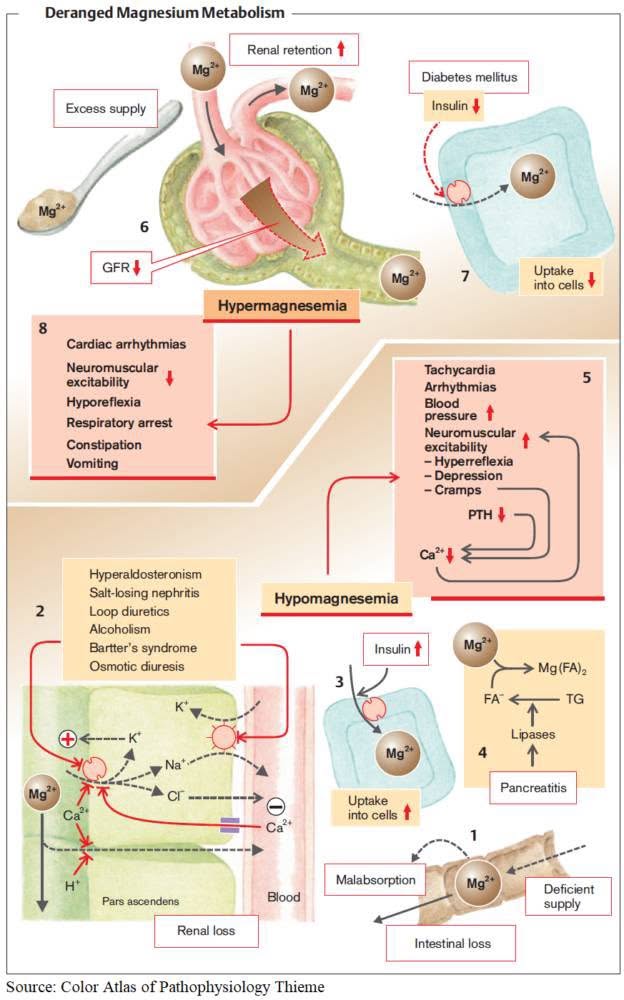
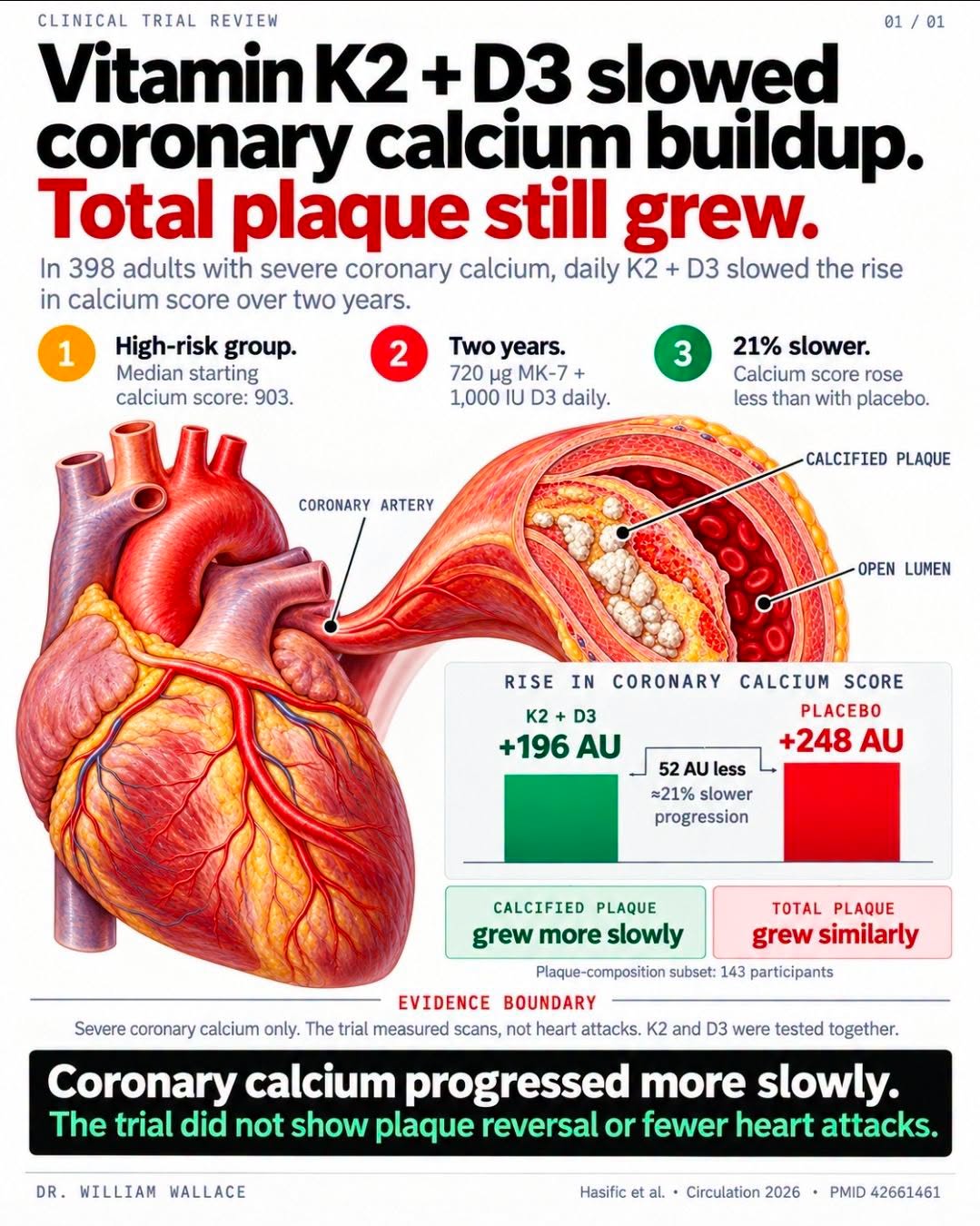
🥗Co‑nutrient status MAY/SHOULD matter (we don't know for sure) -- In theory, adequate #calcium, #magnesium, #vitaminK and overall #protein / #energy intake should amplify any vascular benefits, while co‑deficiencies or frank malnutrition could completely blunt or even reverse the expected effects.
​
SuppVersity | Xu, H., & Pilz, S. (2026). The vitamin D–cardiovascular nexus: Unraveling mechanistic promise and trial reality. Nutrition & Metabolism, 23, 11. doi:10.1186/s12986-026-01108-1

← newer: mTOR is the main controller of autophagy, the cell-recyclingolder: How metformin works beyond lowering blood sugar →