Hypertrophic cardiomyopathy (HCM) is a thickening of the heart muscle that is primarily caused by genetics.
It is not that common (1 in 500), and often goes undiagnosed until serious symptoms finally appear.
It is infamous for being the leading cause of sudden death in young athletes.
“People who have this condition, in which the heart beats too forcefully, experience a thickening of the interior wall of the heart’s left ventricle — the main pumping chamber that circulates oxygenated blood throughout the body. This thickening worsens over time, causing the heart to pump less effectively and may even block the flow of blood out of the heart.”
A drug called mavacamten has been a huge breakthrough in treating this disease, as first discovered at Stanford (based on 55 years of previous research at the university).
“Mavacamten has been the single largest therapeutic advance for this group of patients — really since ever,” said Victoria Parikh, MD, director of the Stanford Center for Inherited Cardiovascular Disease and an associate professor of medicine. “We’ve never had a precision therapy for hypertrophic cardiomyopathy until now, and patients often feel better almost immediately.”
Similar conditions (but less serious) can also be caused by:
- uncontrolled high blood pressure,
- aortic stenosis,
- severe obesity, diabetes, or thyroid disease,
- use of testosterone, growth hormone, or other anabolic drugs,
- a lifetime of intense aerobic exercise performed in very high volumes, called “athletes heart” (typically benign)
See this previous post: ↪ HCM, athlete's heart and LVH look alike on imaging but differ greatly in risk.
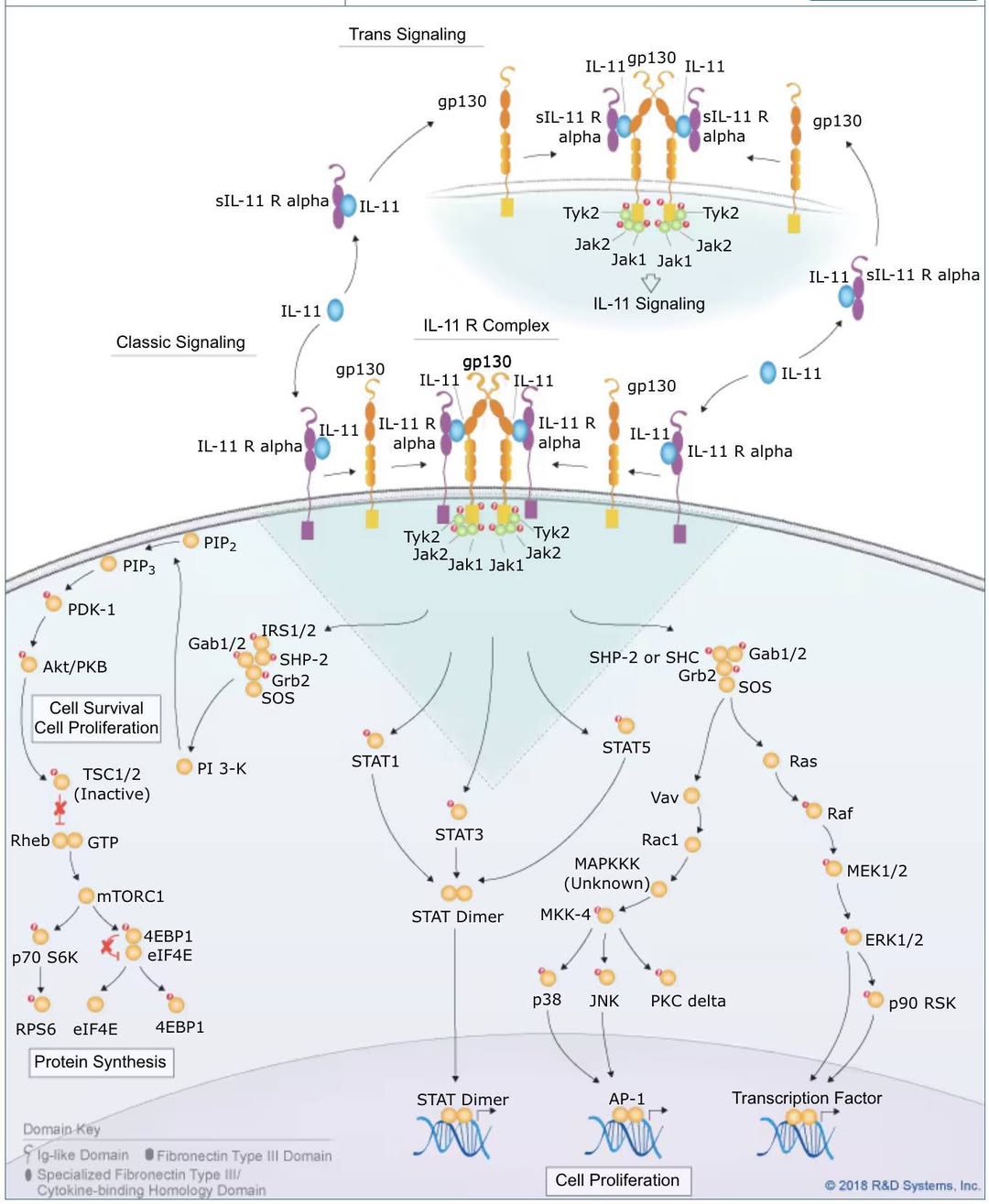
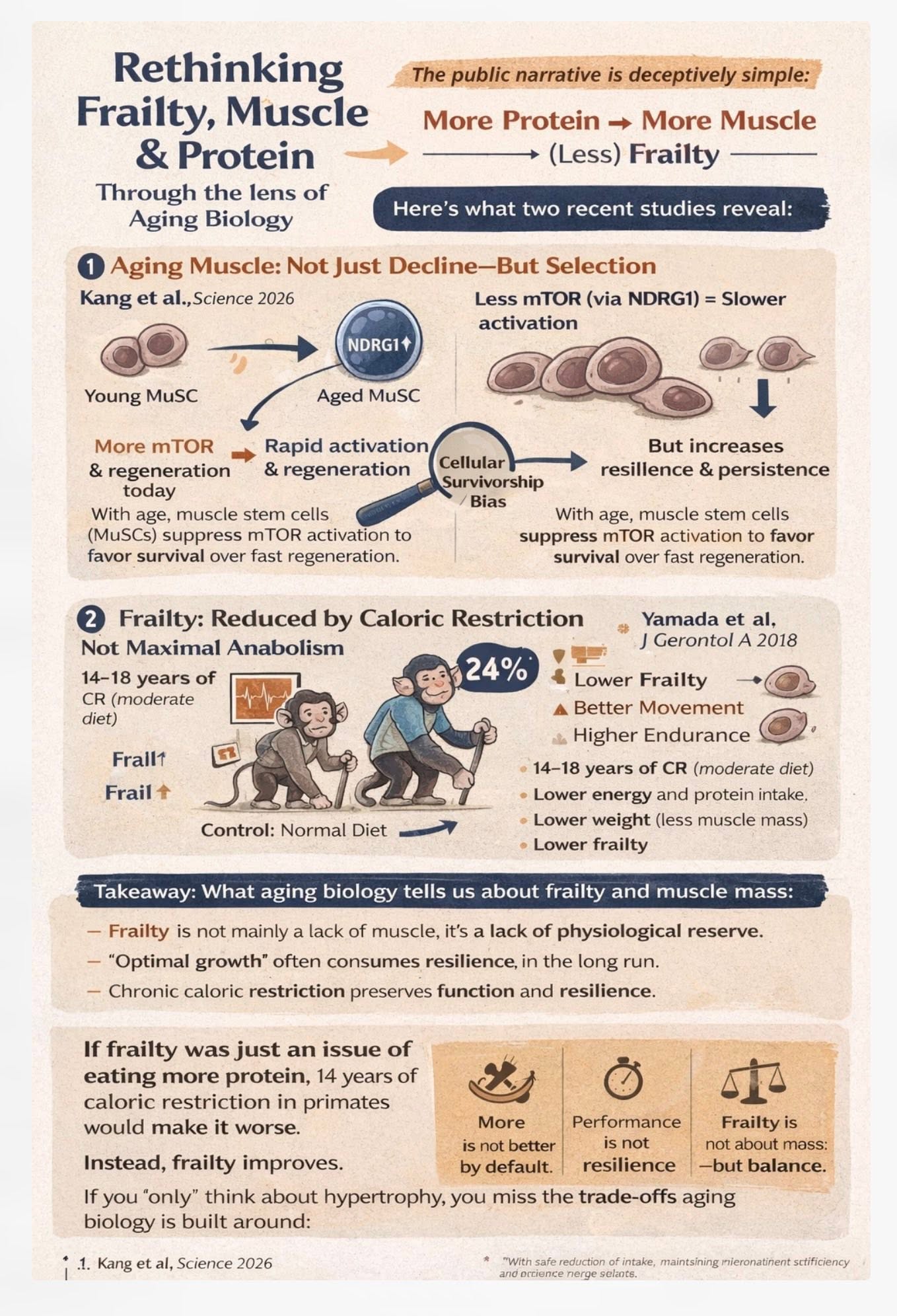
It’s worth noting that this abnormal thickening of the heart muscle in HCM involves overactivation of the mTOR pathway. The drug rapamycin (an mTOR inhibitor) has also shown promise in treating hypertrophic cardiomyopathy. In fact, rapamycin (Felycin-CA1) is now conditionally-approved by the FDA to treat hypertrophic cardiomyopathy in cats, a species where the disease is much more common than humans: Broken hearts mended? Rapamycin shows promise preventing feline HCM pathology (AAHA). There are Facebook groups where people are using vet-prescribed rapamycin to treat their cats with HCM.
#cardiomyopathyHD #mavacamtenHD #stanfordHD #mtorHD #rapamycinHD #catsHD #hcmHD #lvhHD