HD-OPM Archive
Hashtags

#rapamycin

15 posts

Very low-carb diets rarely push A1C below 5 because of physiological insulin resistance

May 25, 2026 · Louis Nervegna ♥ 11 · 💬 11 Low-carb, keto & carnivore

Louis argues that in people who already have low A1C, severe carb restriction makes muscles temporarily insulin resistant to spare glucose for heart and brain, so blood sugar can rise rather than fall. This 'adaptive glucose sparing' or 'pseudo-diabetes' also explains why people on long-term keto often fail glucose tolerance tests. Personal observation and physiology reasoning rather than a cited trial.

Sabatini on diet and mTOR: limit amino acids and insulin; ~18 h fasting may inhibit mTORC1

Dec 09, 2024 · Louis Nervegna ♥ 10 · 💬 11 ↩ 3 Aging & longevity

Louis shares notes on a David Sabatini interview about how diet affects mTOR and autophagy. Sabatini suggests low amino acid or low carbohydrate diets lower mTOR, favors a higher-carbohydrate diet of low-glycemic carbs, and thinks mTORC1 senses total daily insulin. He guesses about 18 hours of fasting inhibits mTORC1, while stressing nobody has all the answers.

Muscle aging involves falling chaperone-mediated autophagy; fasting and exercise raise it

Dec 08, 2025 · Louis Nervegna ♥ 12 · 💬 7 ↩ 1 Aging & longevity

Louis shares two Nature Metabolism papers from Ana Maria Cuervo's group showing chaperone-mediated autophagy declines with age in muscle and that restoring it improved strength and regeneration in aging mice. He notes fasting and resistance training increase CMA, rapamycin activates it and excess high-quality protein inhibits it, and ties it to heart muscle.

Rapamycin for 8 weeks improved diastolic and endothelial function in six older men

Oct 31, 2025 · Gokhan Can ♥ 7 · 💬 2 Aging & longevity

Summarises a proof-of-concept open-label pilot in six healthy men aged 70-76 taking rapamycin 1 mg daily for 8 weeks. It was safe and well tolerated; systolic function was unchanged but cardiac MRI showed better diastolic function (peak filling rate p=0.014) and endothelial function improved (p=0.020). Very small and uncontrolled; larger placebo-controlled trials are needed.

Rapamycin did not slow atherosclerosis in marmosets, and why stents use it anyway

Apr 18, 2024 · Louis Nervegna ♥ 8 ↩ 1 Aging & longevity

Louis cites Adam Salmon's marmoset work showing rapamycin had no clear effect on aging cardiovascular function, with plaque developing at the same rate as controls. He considers it unwise to rely on rapamycin to prevent heart disease. He also explains rapamycin on stents works by blocking scar tissue (neointimal hyperplasia), not plaque growth.

Rapamycin on stents blocks scar-tissue restenosis, not plaque; it failed in marmosets

Dec 13, 2025 · Louis Nervegna ♥ 7 Blood vessels, circulation & endothelium

Louis explains that rapamycin is used on drug-eluting stents because it inhibits vascular smooth muscle overproliferation (neointimal scar tissue), which is what usually causes restenosis, not because it prevents plaque. He distinguishes plaque from scar tissue and notes Adam Salmon's group found rapamycin did not inhibit plaque growth in marmosets.

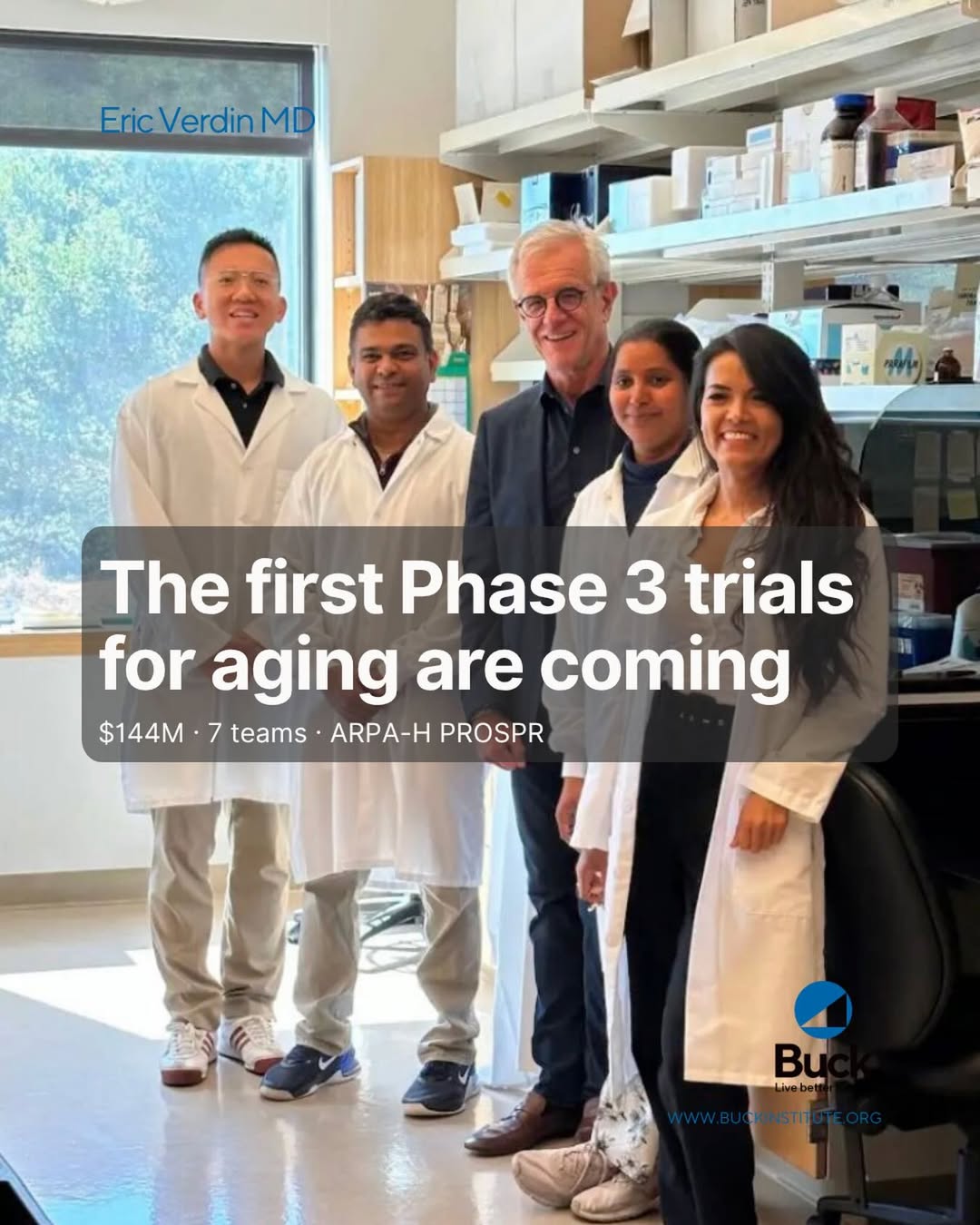
ARPA-H PROSPR program ($144M) funds first phase 3 aging trials of three drugs

May 20, 2026 · Louis Nervegna ♥ 9 Aging & longevity

Eric Verdin's shared post says ARPA-H awarded $144 million to seven teams to lay groundwork for human aging trials, including a phase 3 in healthy adults in their 60s testing rapamycin, an SGLT2 inhibitor and semaglutide. The key gap is a validated aging biomarker regulators accept. Louis adds that age is the biggest CVD risk factor.