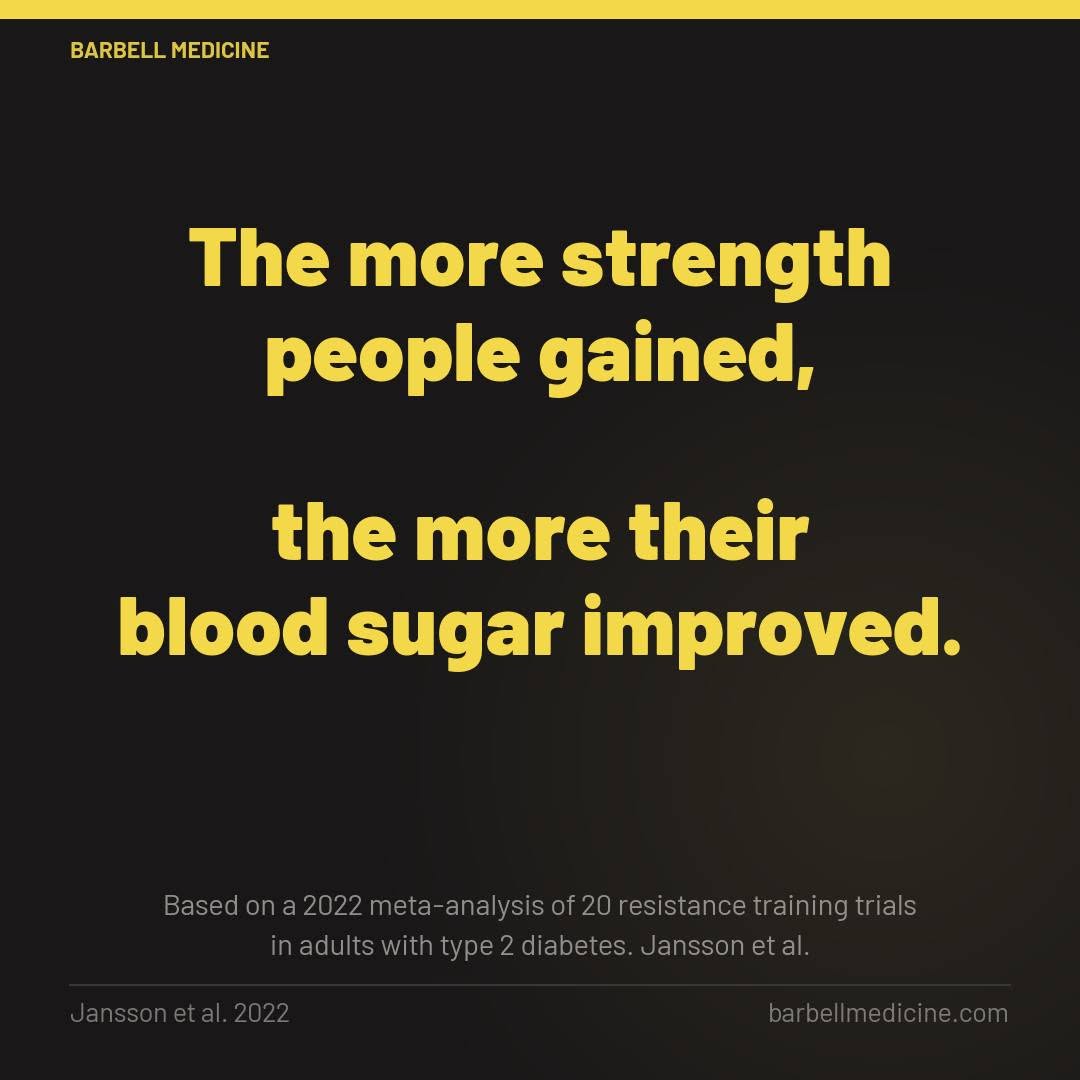
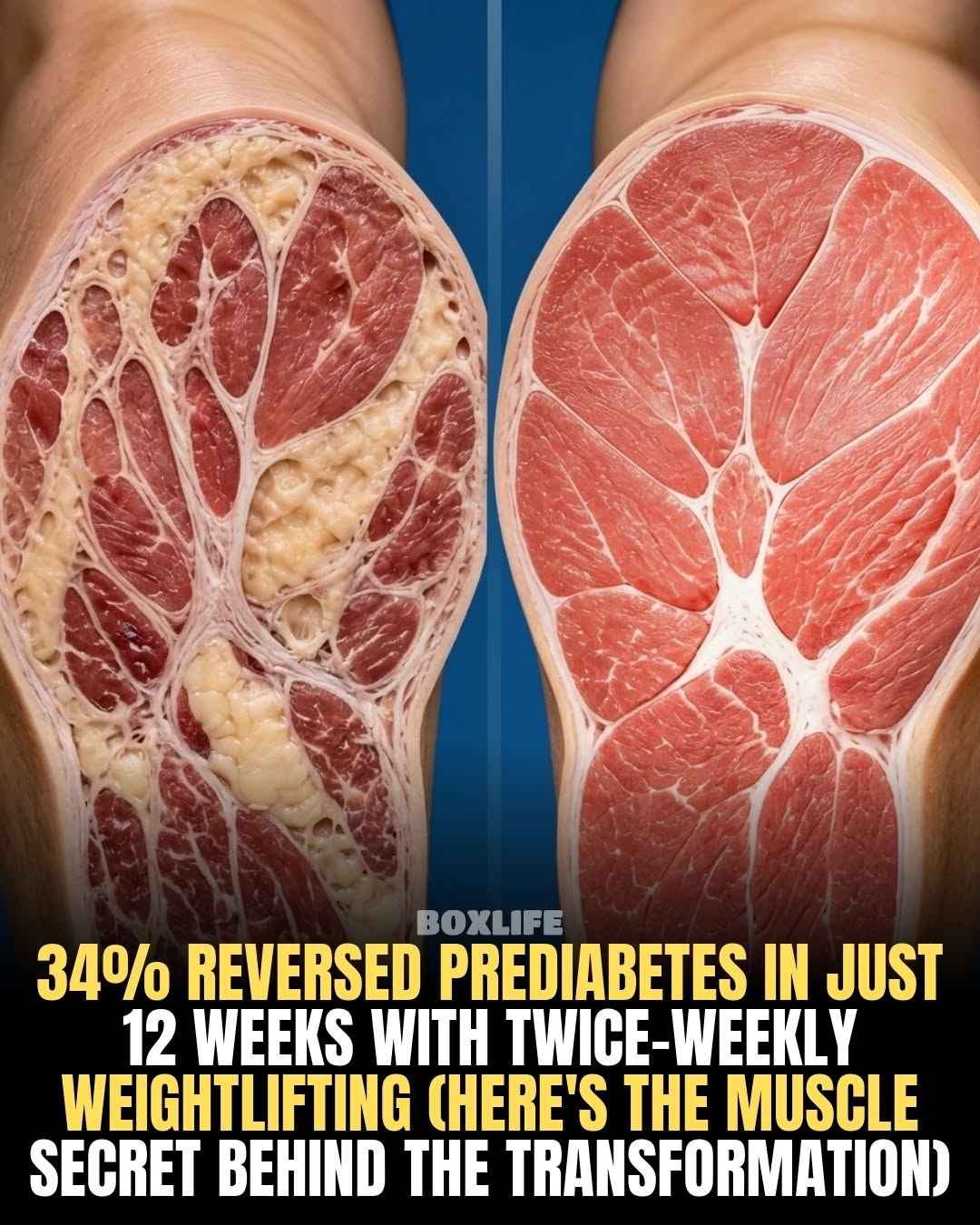
In diabetics who do resistance training, the drop in A1C that they achieve scales with the amount of strength that they gain.
#resistancetrainingHD #a1cHD #diabetesHD
In the 1970s, researchers tracked the electrical activity in people's muscles week by week through a strength training program. The first few weeks, strength climbed while muscle size barely moved. The nervous system was getting better at recruiting and firing the muscle fibers people already had, before any new tissue had time to grow.
That adaptation is real. But it got oversimplified into a belief that's still circulating: early strength gains are "just neural," and therefore don't count as real progress.Both adaptations are real.
Early gains are heavily neural, yes, but structural changes start almost immediately. The tissue-building process is underway long before a tape measure could detect it. The visible change in the mirror those first couple of weeks is mostly fluid, not new muscle. Both are genuine. They just become visible on different timelines.
So the mirror is a poor readout of what training is actually doing to you. The adaptation underneath it is the thing that matters, and not only for how you look. It turns out the same adaptation tracks how much your health improves.
A 2022 meta-analysis looked at 20 resistance training trials in adults with type 2 diabetes. Resistance training lowered HbA1c compared to controls, but the size of that drop varied. Among the trials that also measured strength changes, larger strength gains lined up with larger HbA1c reductions. Intervention duration did not significantly moderate the effect. Strength gain did.
The benefit tracked the adaptation, not the hours spent in the gym.
To be clear about what that does and does not mean: exercise benefits health regardless. Resistance training lowers HbA1c compared to doing nothing, full stop. If you are exercising, you are doing something great for your health. The finding is that training appears to work better when it also makes you fitter. We think that is because the adaptations are linked. The same biology that builds a strength adaptation also drives the changes in how your body handles glucose, which would mean fitness gains and health gains are not two separate outcomes but two readouts of the same underlying response. That mechanism is still an active area of research, but there is a pattern here.
That raises an obvious question. If the benefit comes from the adaptation, can you assume the adaptation is happening just because the work is getting done? Cardiorespiratory fitness research says no. When researchers ran hundreds of sedentary adults through the same 20-week endurance training program, fitness improvements ranged from nearly zero to nearly 50%, all on the same protocol. Everyone did the same workouts. The adaptations were not the same. Some of that variation traces to genetics, baseline fitness, and age, but the practical point stands: doing the work is not the same as getting the result.
So the logic runs like this: The benefit comes from the adaptation. The adaptation is not guaranteed. Which means the adaptation is the thing you actually have to track.
Progress is not switching exercises. It is not adding weight or reps and feeling the set get harder. Progress is doing more weight or more reps at the same effort, your estimated max on a movement trending up over three to four weeks, measured consistently enough to tell signal from noise.
A trend that stays flat across that window is a stall. Some stalls trace back to sleep, food, or stress. Others trace to the programming itself.
We walk through how to tell them apart in our progressive loading series, linked in the comments.
What is the most surprising thing that has ever stalled your training?