HD-OPM Archive
Hashtags

#resistancetraining

39 posts

AHA now formally recommends resistance training to prevent heart disease

Jan 01, 2024 · Louis Nervegna ♥ 18 · 💬 20 Exercise & fitness

Louis highlights the American Heart Association's 2023 scientific statement updating its 2007 one on resistance training. It concludes resistance training, alone or with aerobic exercise, is safe and effective for improving cardiovascular health and risk factors in adults with and without cardiovascular disease.
Whey protein raised insulin 90% more than white bread despite 57% lower glucose response

May 15, 2026 · Louis Nervegna ♥ 11 · 💬 17 Protein

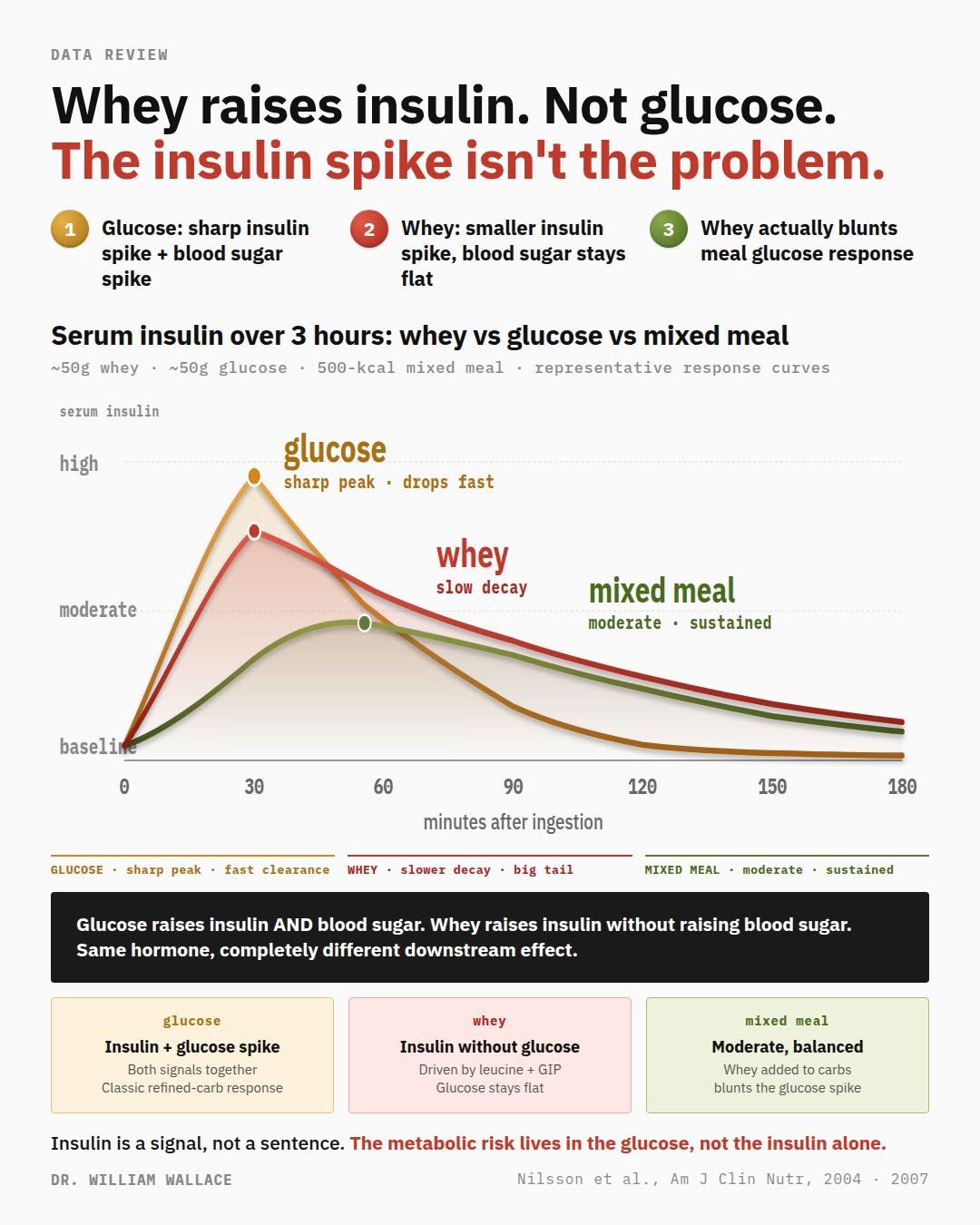
William Wallace shares the Nilsson 2004 trial: in 12 healthy volunteers, whey produced a 90% higher insulin AUC and 57% lower glucose AUC than white bread, tracking plasma branched-chain amino acids. He argues repeated large insulin surges raise IGF1 and mTOR and may have long-term costs, disagreeing with a source that dismisses the concern.

Resistance exercise preserves muscle during calorie restriction and GLP-1 weight loss

Mar 16, 2025 · Louis Nervegna ♥ 23 · 💬 8 Exercise & fitness

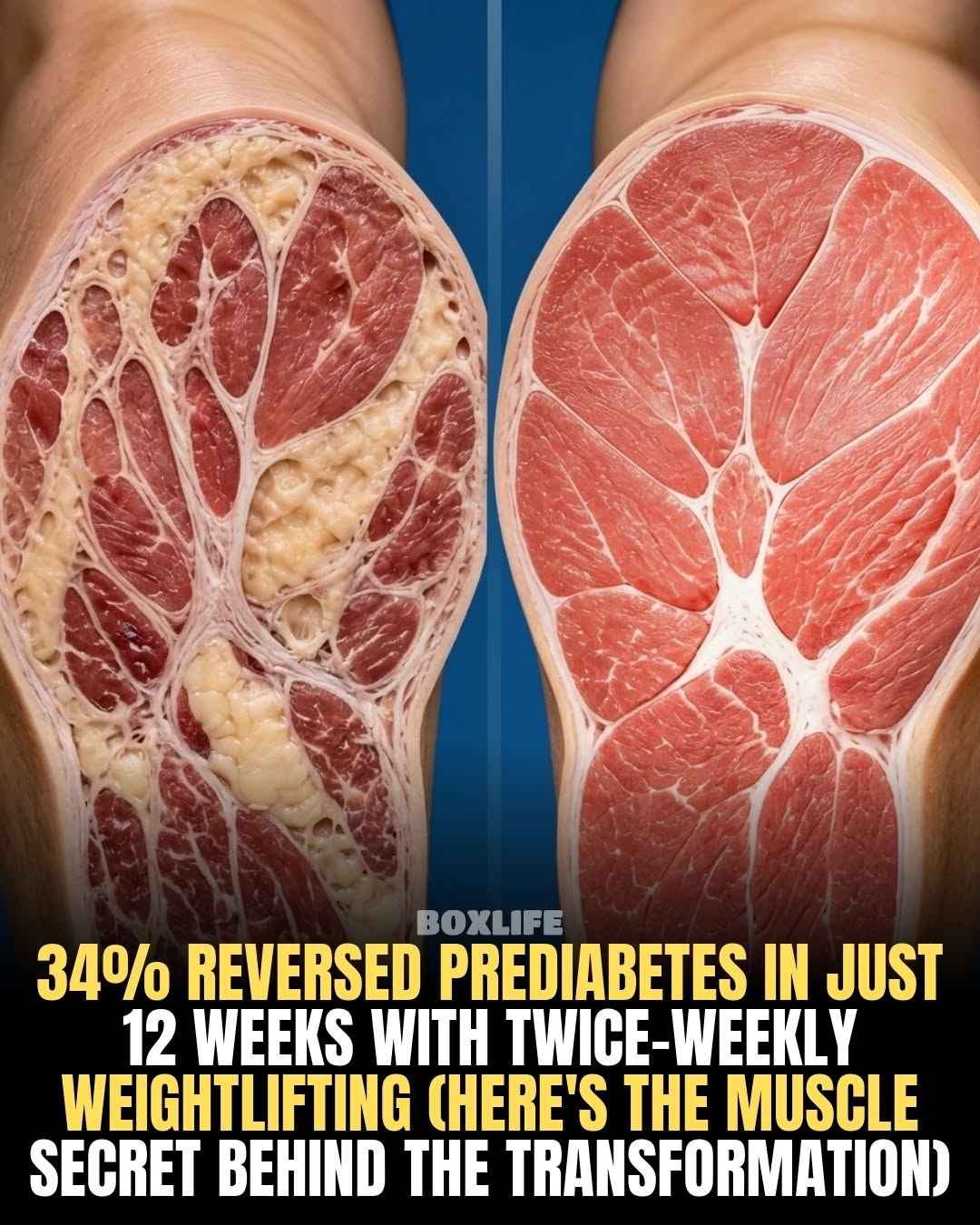
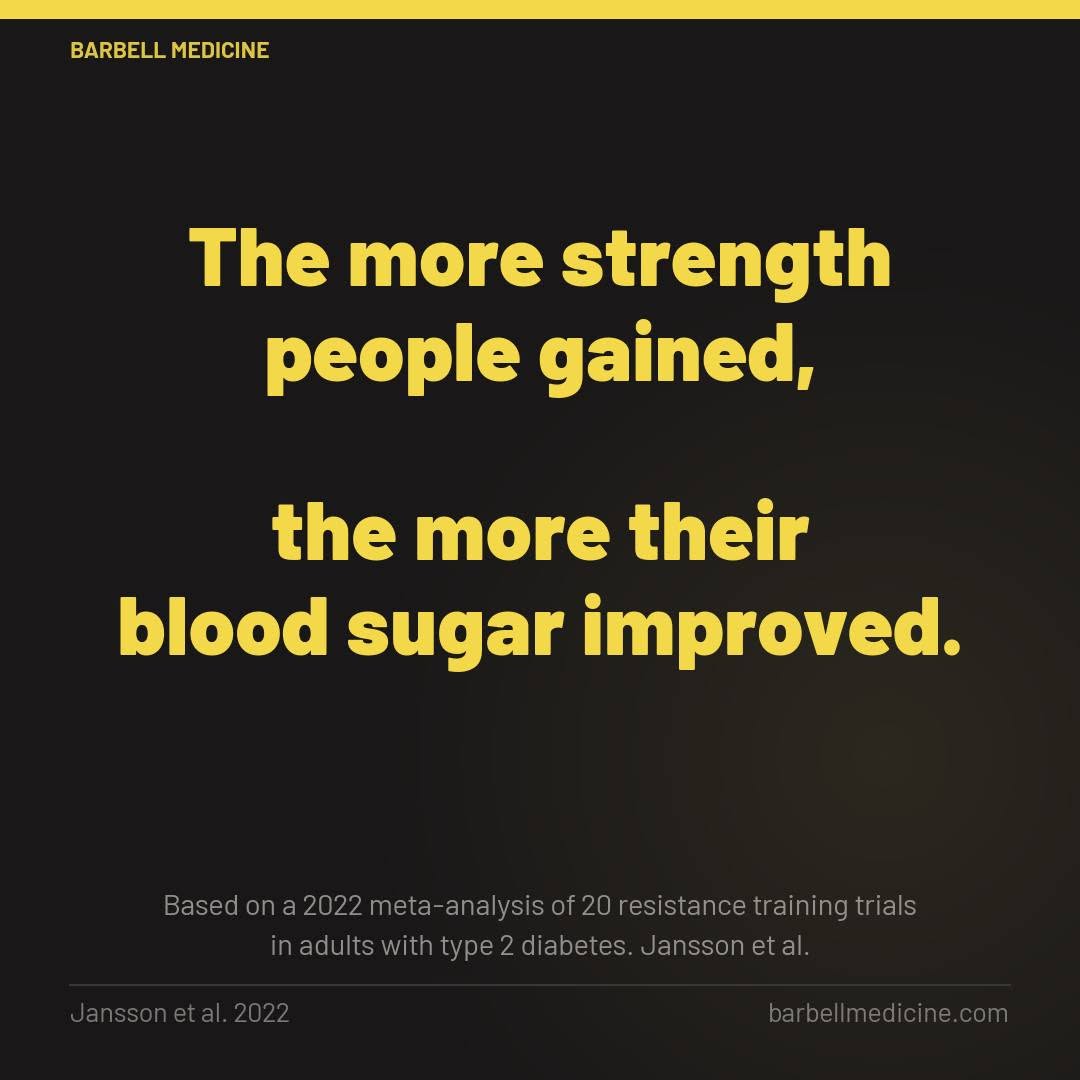
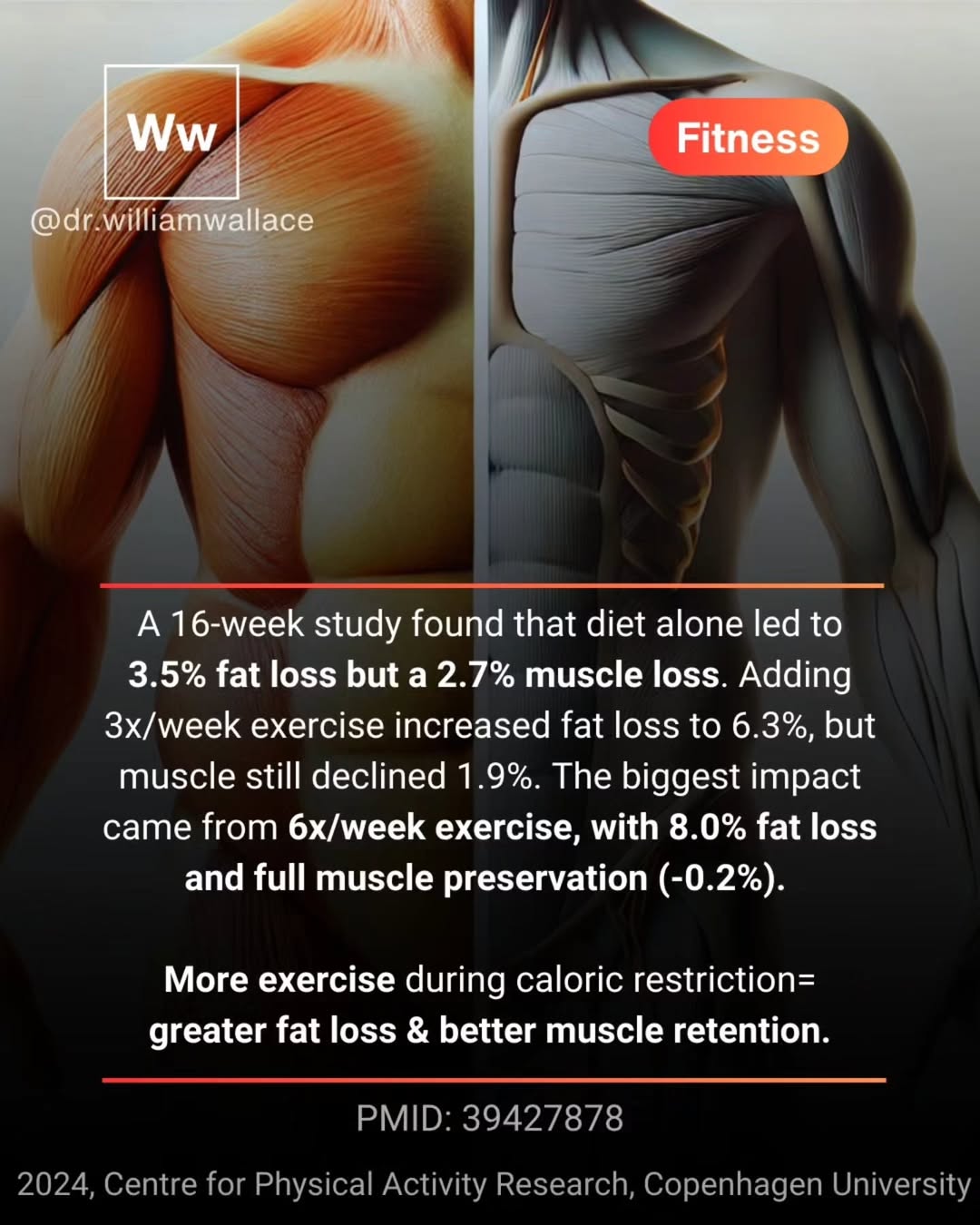
Louis argues that most muscle lost during calorie restriction can be prevented by resistance exercise without raising protein intake, citing over 70 RCTs in which exercise drives nearly all strength gains and extra protein adds only about 5% over 22 weeks. He applies this to GLP-1 drugs, saying their muscle loss comes from calorie restriction rather than a drug side effect. The shared study (16 weeks, 82 people with type 2 diabetes) showed that high-dose exercise with diet fully preserved muscle.

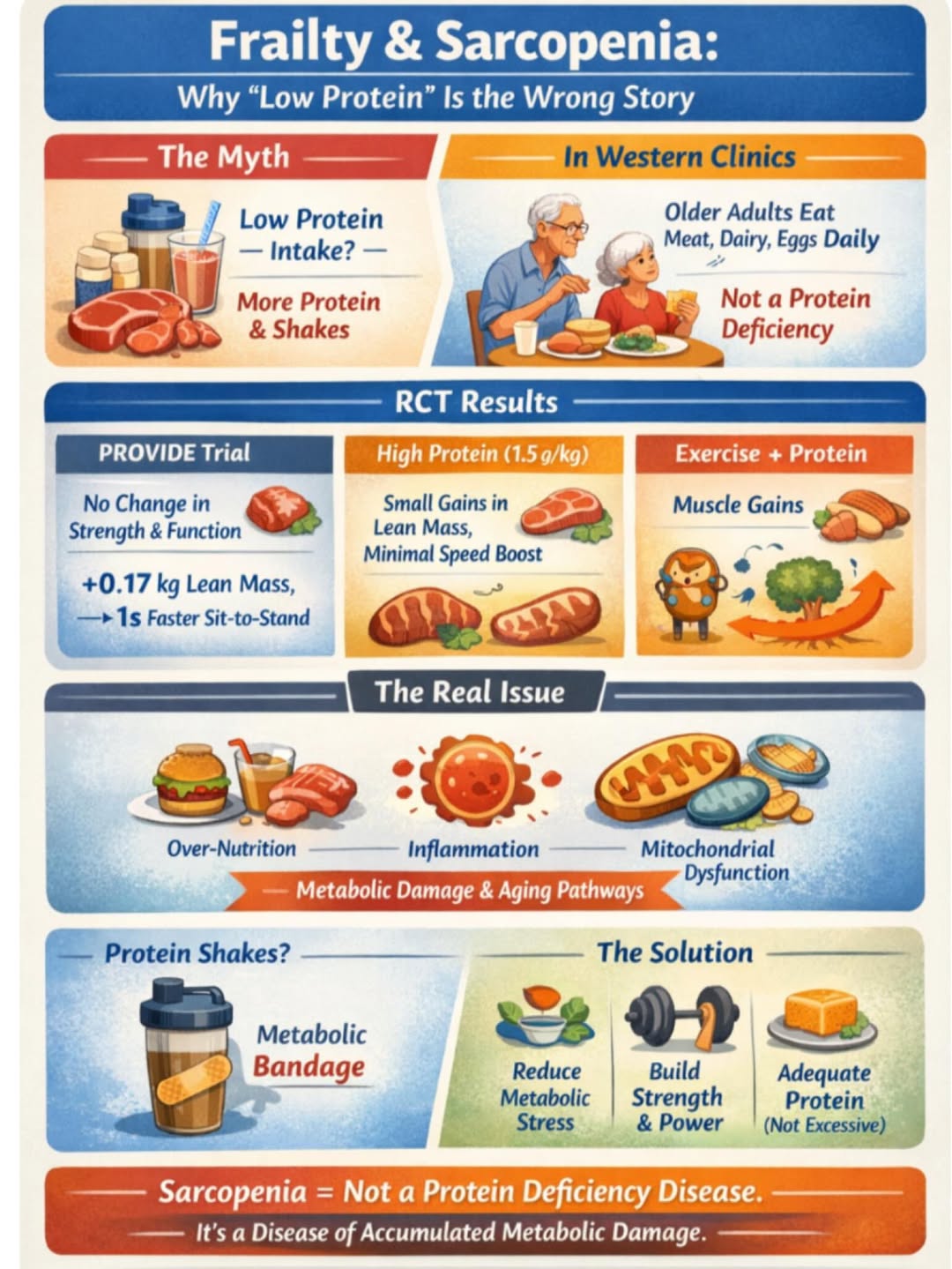
Frailty in older adults is not a protein-deficiency disease, per Luigi Fontana

Dec 19, 2025 · Louis Nervegna ♥ 14 · 💬 9 Protein

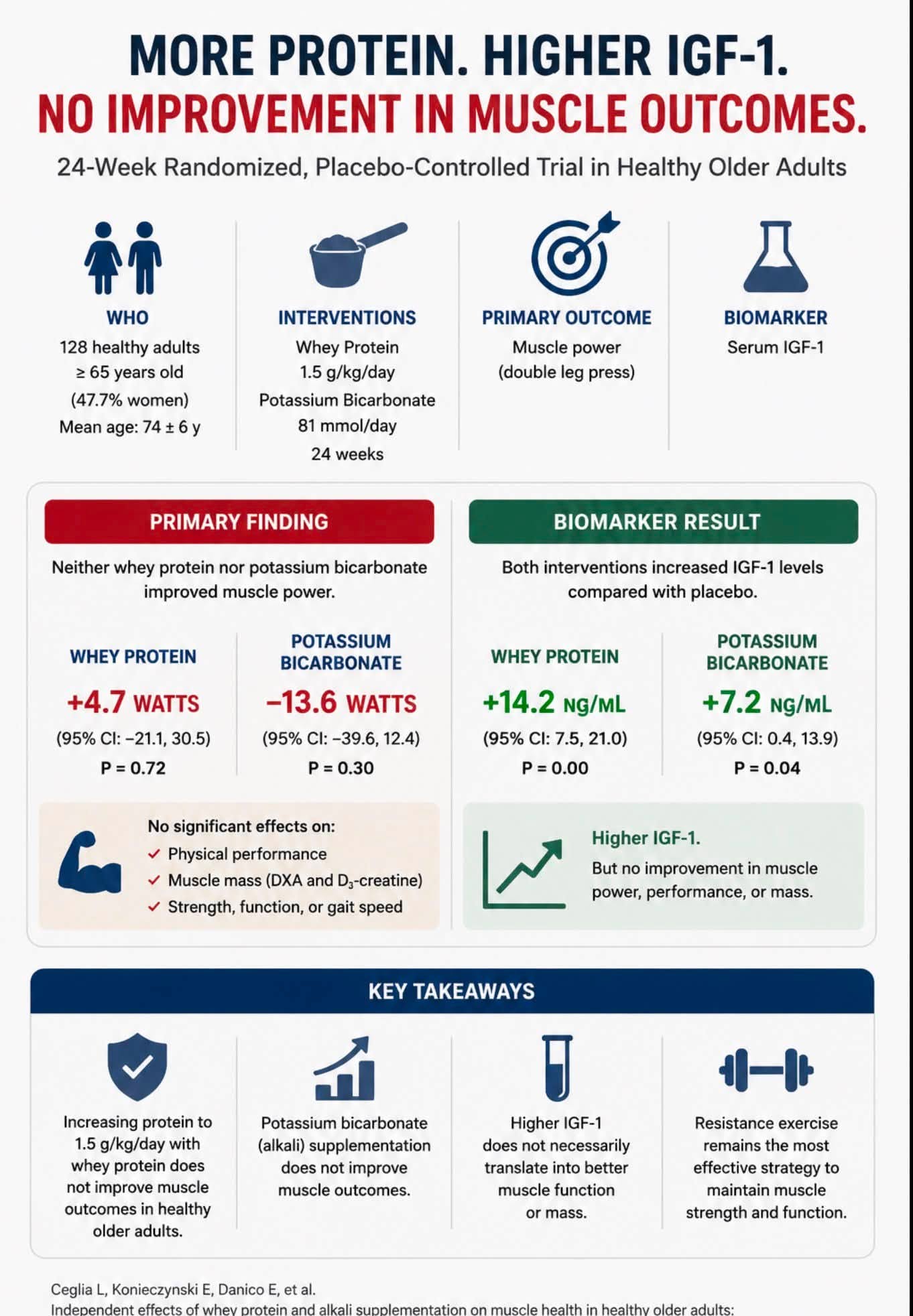
Louis shares Luigi Fontana's argument that frailty and sarcopenia in Western older adults reflect decades of overnutrition and inactivity, not low protein. The post cites randomized trials in which protein supplements gave small or no functional gains, while resistance exercise produced the functional benefit.

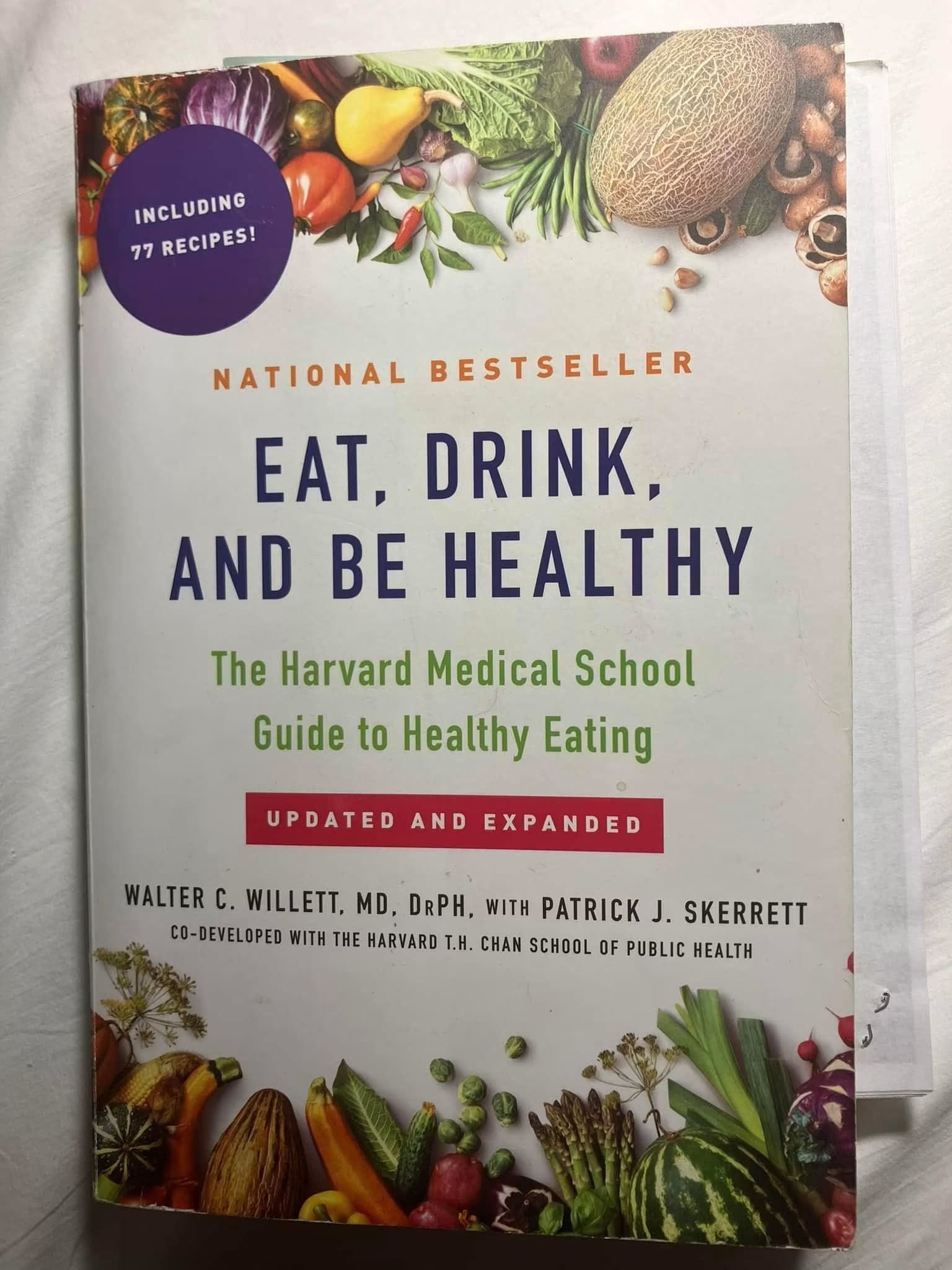
Whey protein is highly insulinogenic; Willett wary of powders and IGF-1 cancer risk

Dec 13, 2024 · Louis Nervegna ♥ 15 · 💬 10 ↩ 2 Protein

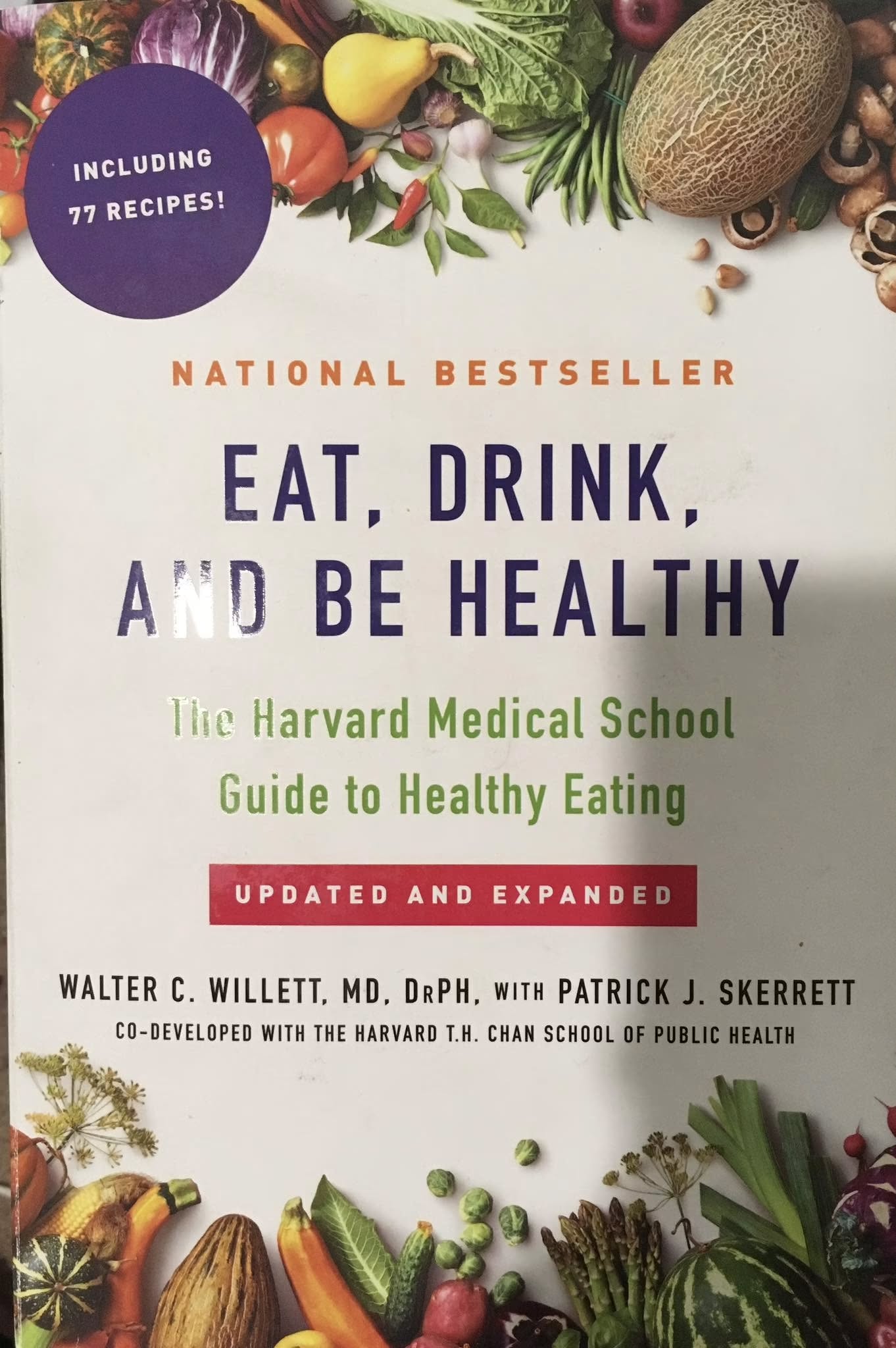
Louis argues processed whey spikes insulin more than glucose or white bread and may raise insulin/IGF-1, which promote cancer cell growth. He cites Walter Willett's 2017 book cautioning that protein supplements add little muscle without exercise and that BCAAs increase IGF-1, which may raise breast and prostate cancer risk.

90-120 min/week of strength training linked to 13% lower mortality, 19% fewer CVD deaths

Jul 03, 2026 · Louis Nervegna ♥ 11 · 💬 3 Exercise & fitness

Louis summarizes new results from the Harvard Nurses' Health Studies and Health Professionals Follow-up Study, following about 147,000 people for 30 years. Roughly 90-120 minutes a week of strength training was tied to lower all-cause, cardiovascular and neurological mortality, with the largest gains when combined with plenty of aerobic exercise.

Walter Willett: unsaturated fats, Mediterranean eating and daily habits at 81

Oct 11, 2026 · Louis Nervegna ♥ 12 · 💬 4 Mediterranean, DASH, MIND & plant-forward diets

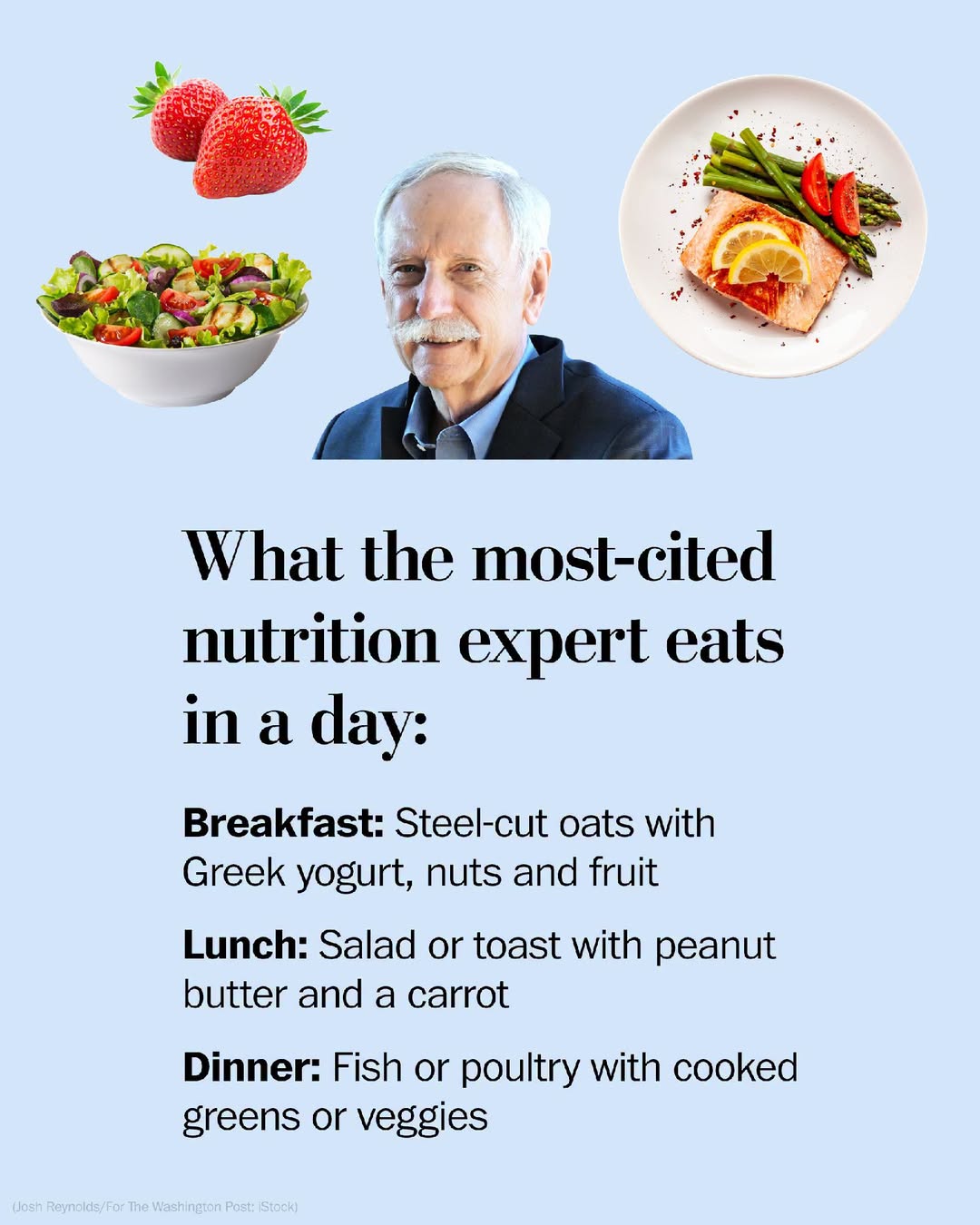
A Washington Post interview with Harvard nutrition researcher Walter Willett. He says his group's data showed total fat was irrelevant, trans fats were bad, saturated fat versus refined carbohydrate was only weakly related to heart disease, and unsaturated fats were linked to lower heart disease and mortality. He also describes his own diet, including oats, nuts, blueberries and a plant-based lunch.

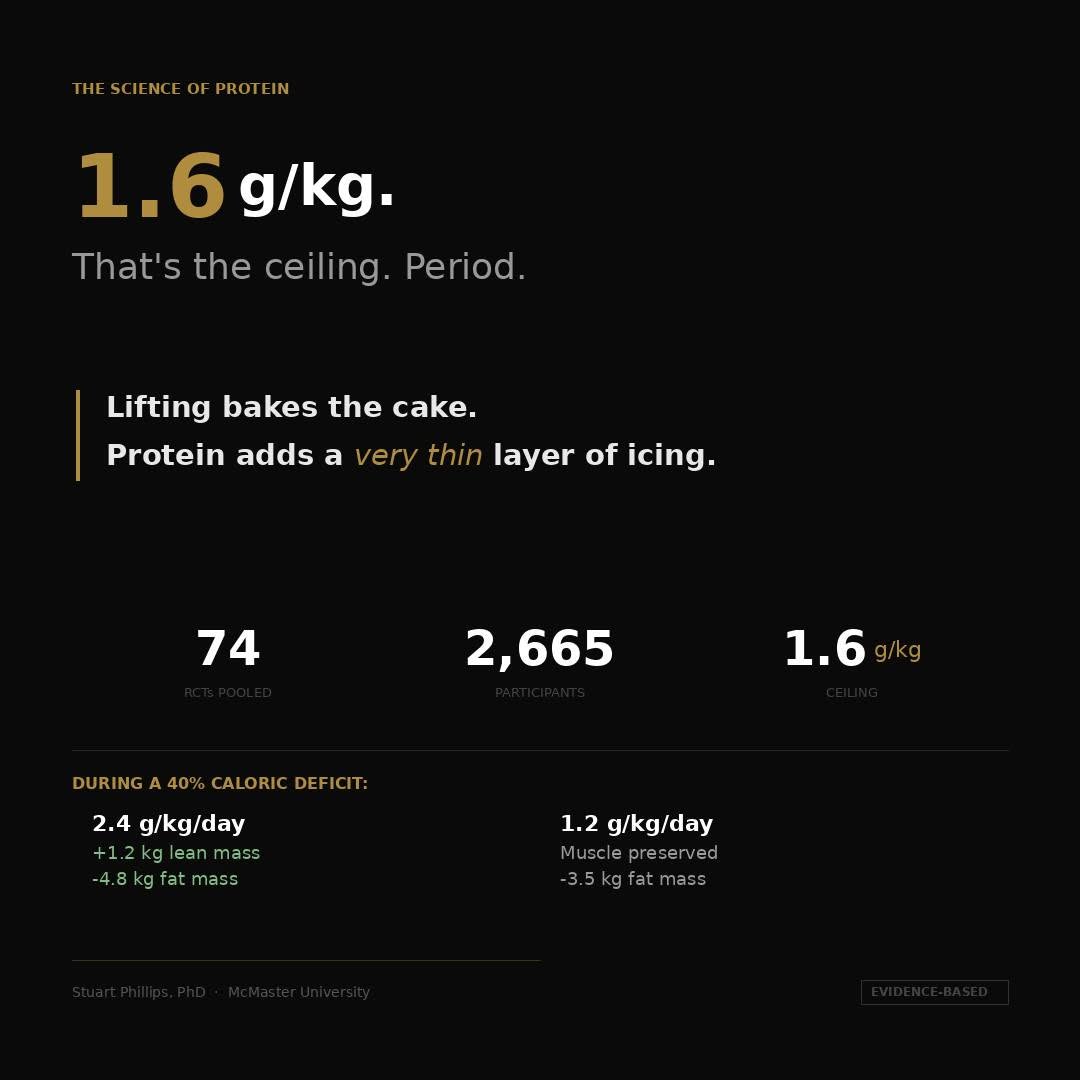
Stuart Phillips preprint: muscle benefit of protein still caps at 1.6 g/kg

Oct 08, 2026 · Louis Nervegna ♥ 8 · 💬 1 Protein

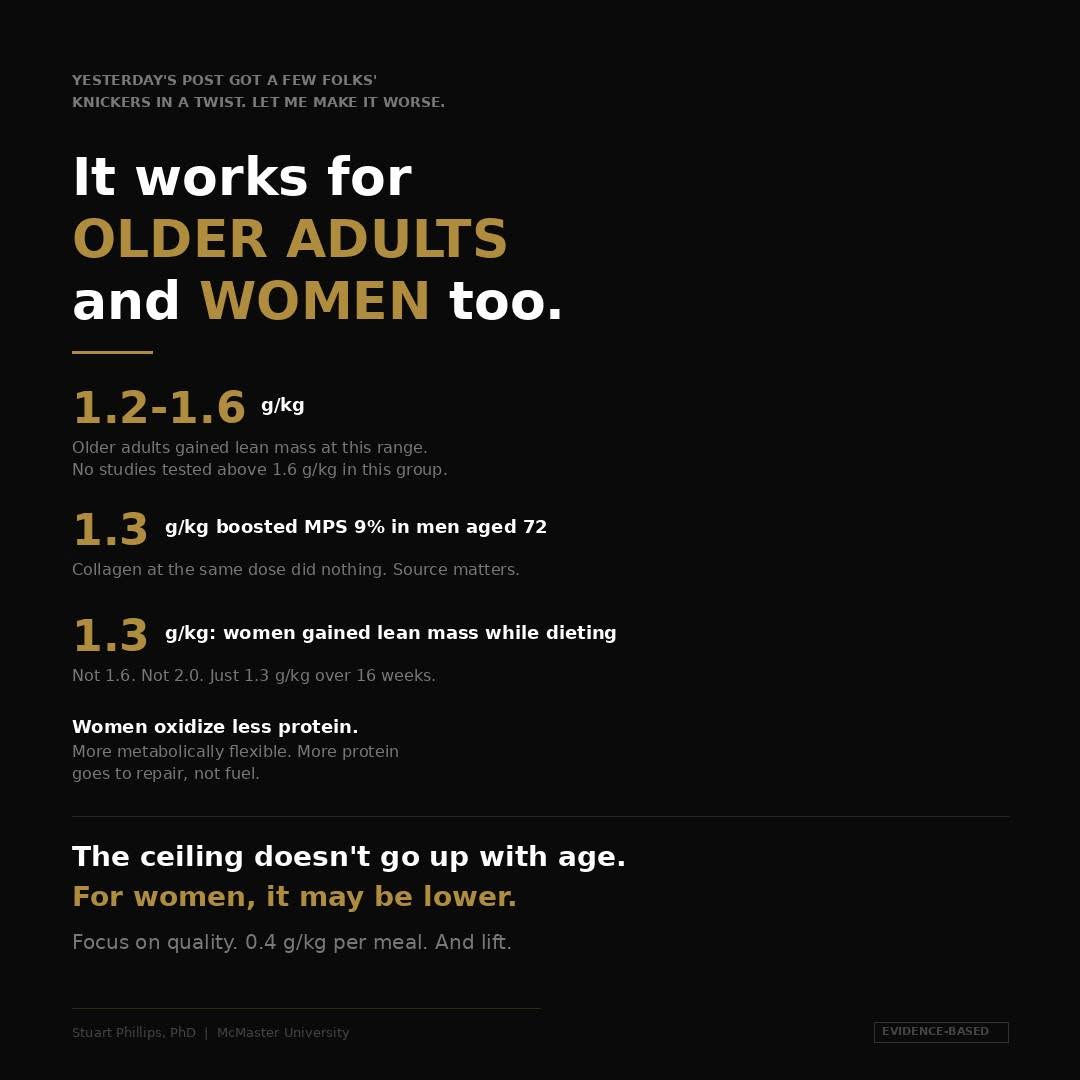
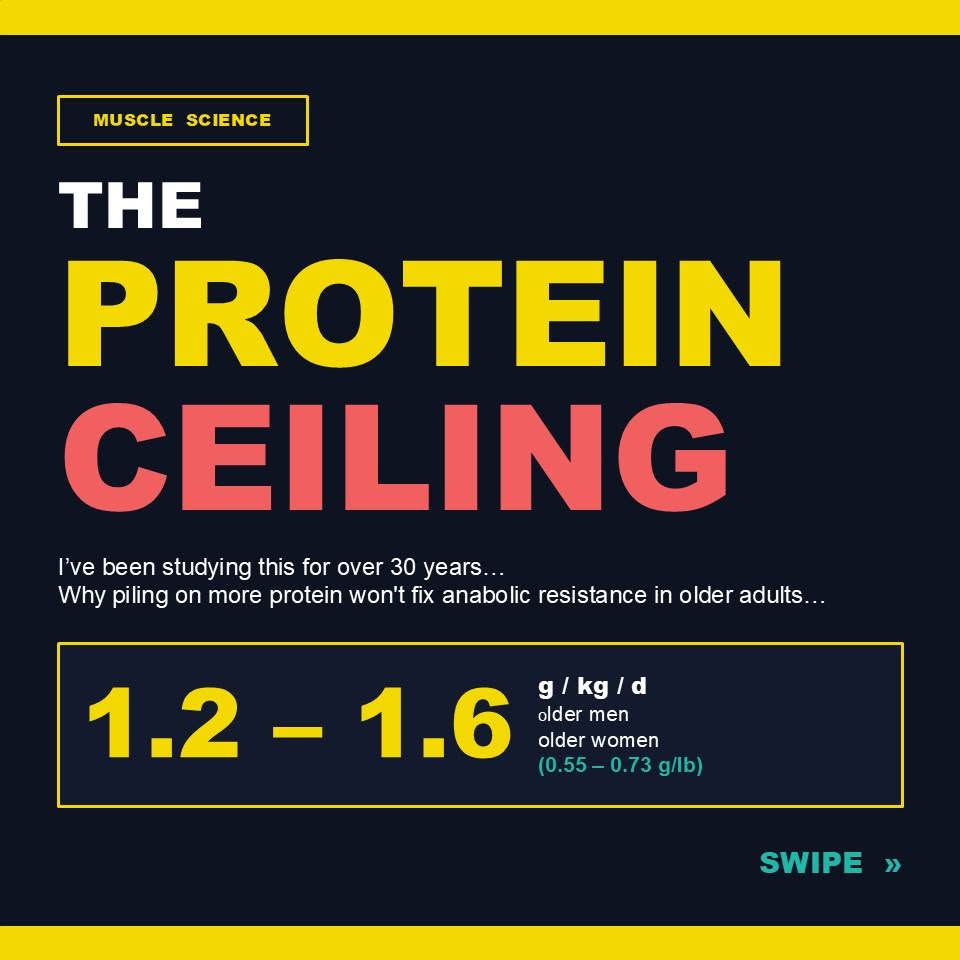
Phillips posted a new, not peer-reviewed preprint reviewing the evidence and concluding that the muscle-related benefit of protein still tops out at about 1.6 g/kg per day, and only in people doing resistance training. He argues that most trials report lean mass, about half of which is not muscle, and that women's needs are not different from men's.

Mechanical stress on bones made mice live nearly 3 months longer via anti-aging signals

Nov 03, 2026 · Louis Nervegna ♥ 6 Exercise & fitness

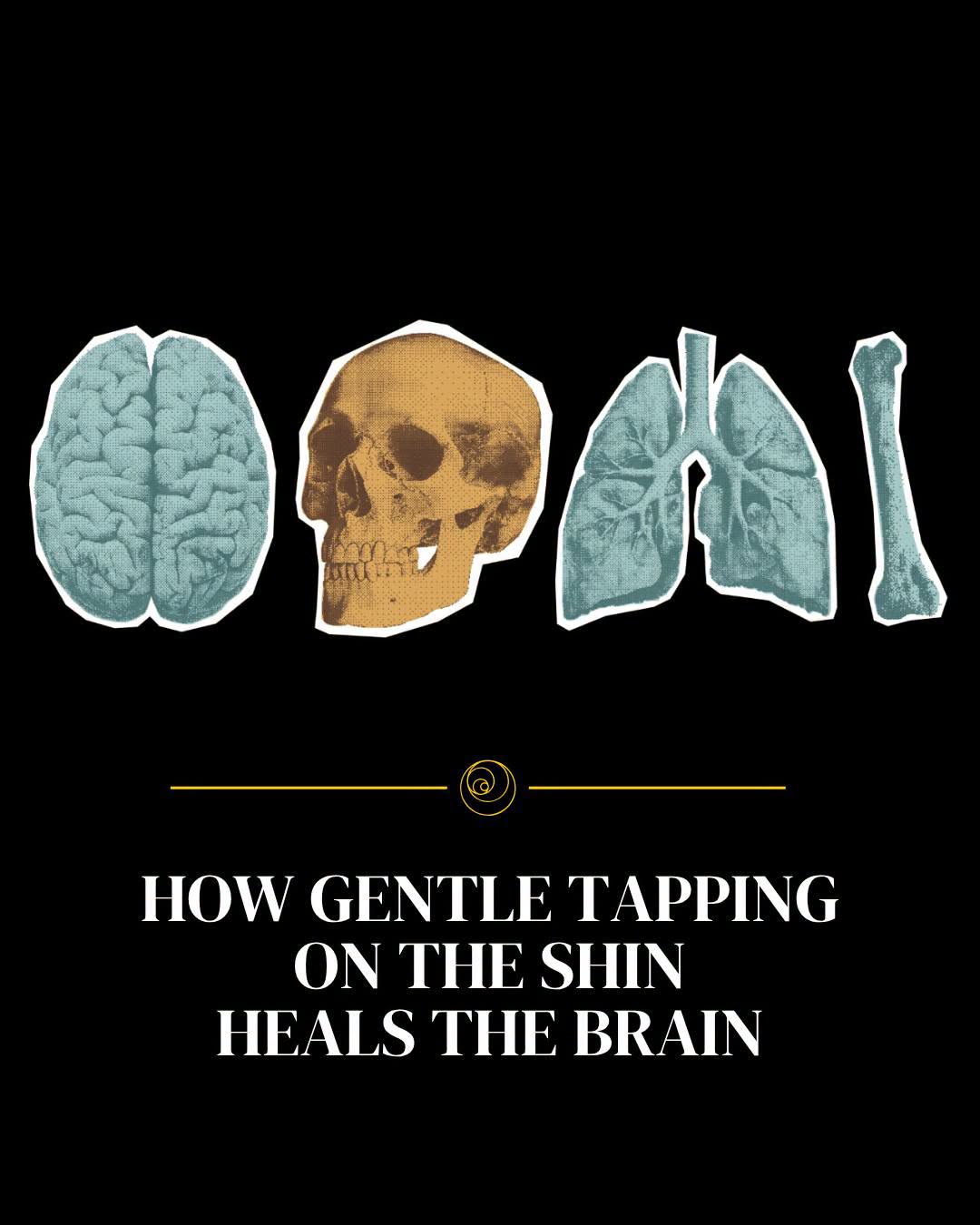
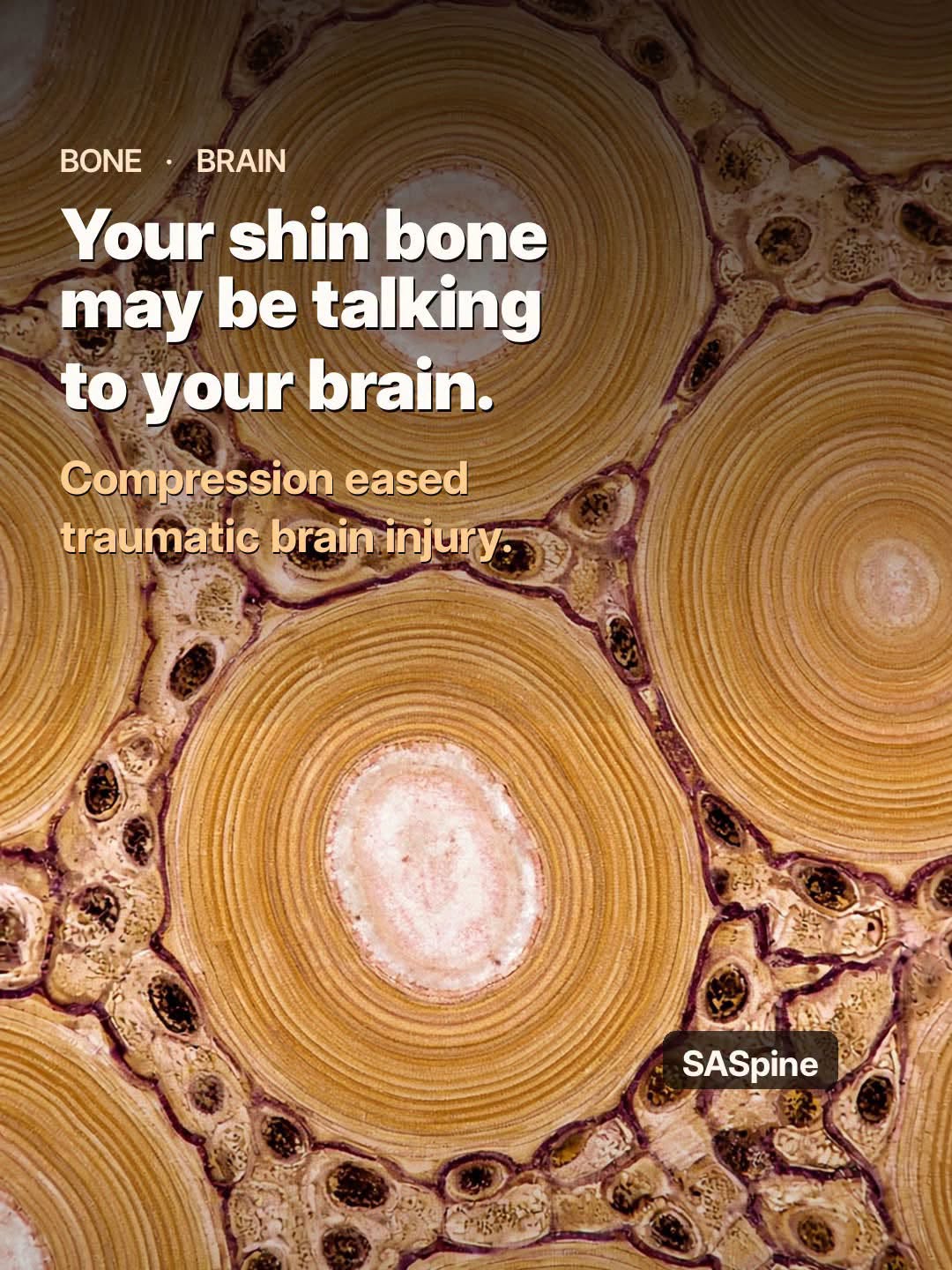
A news report on a mouse study found that mechanical strain on the skeleton, similar to what occurs in exercise and resistance training, makes osteocytes secrete anti-aging chemicals. Gently squeezing leg bones extended mouse lifespan by nearly 3 months, roughly nine human years. A related study found bone stress improved memory and motor function after traumatic brain injury in mice and pigs.

Fatty liver can scar the liver years before ALT rises; 10% weight loss resolves it in 90%

Nov 03, 2026 · Louis Nervegna ♥ 1 Weight, visceral & liver fat

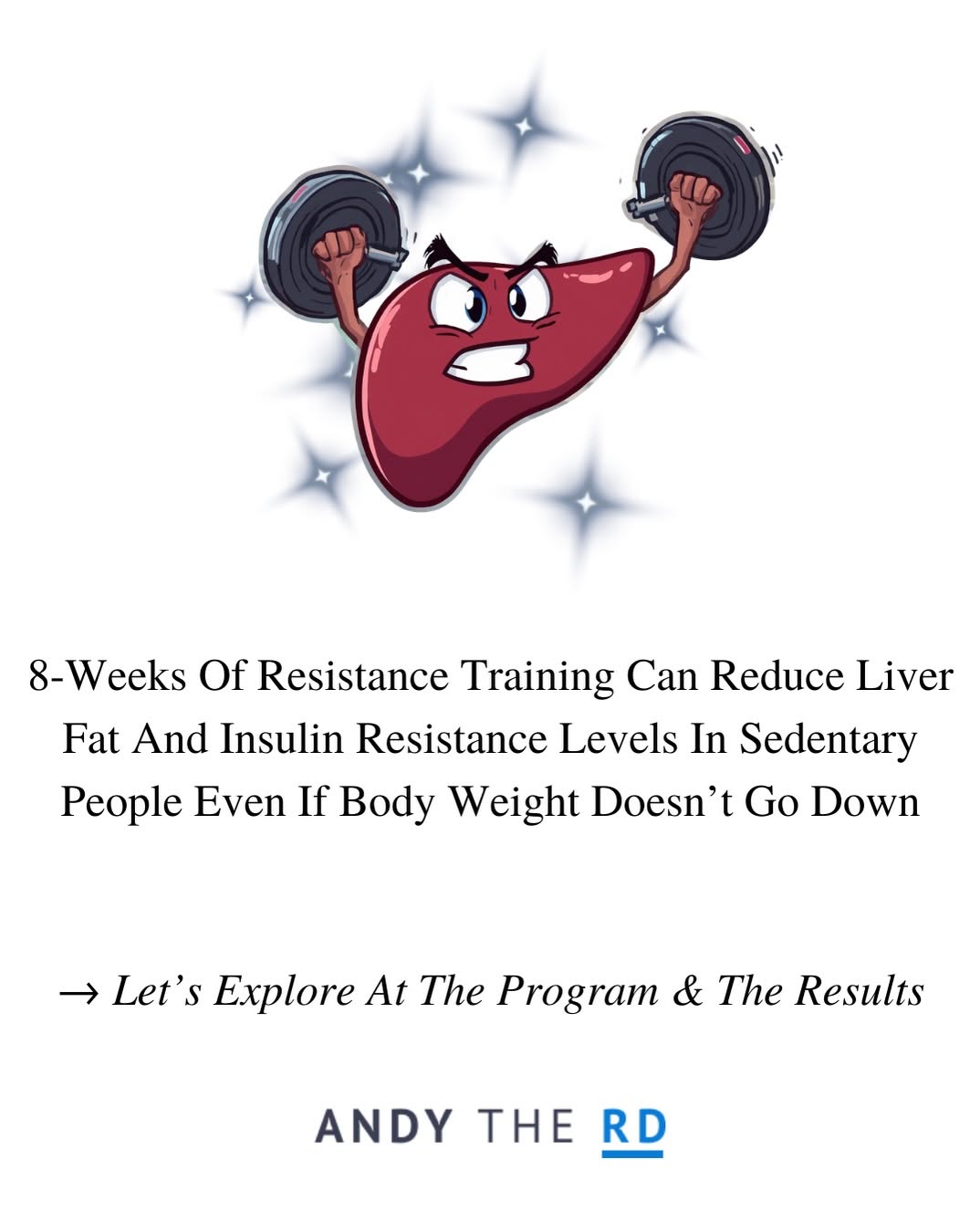
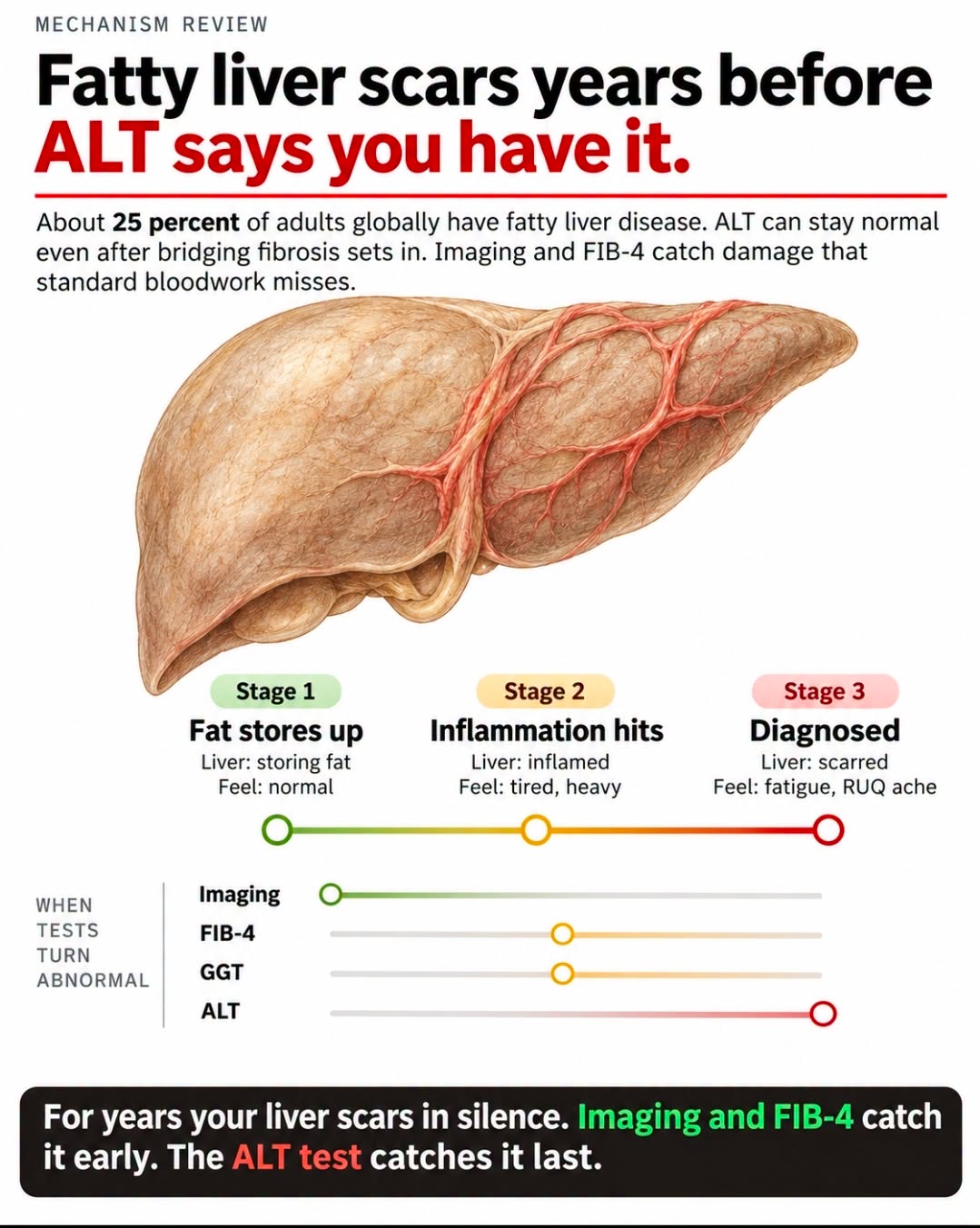
Routine ALT testing can miss advanced fatty liver disease: a Hepatology study biopsied 51 patients with normal ALT and found 12 with bridging fibrosis and 6 with cirrhosis. The post notes selection bias in that sample but says fibrosis behind a normal ALT is well established. Ten percent body weight loss resolved fatty liver in 90 percent and regressed fibrosis in 45 percent, and Mediterranean diet, resistance training and insulin-resistance management reduce liver fat independent of weight.